
States warn of health care worker shortage as they prep for next pandemic

As the worst of the COVID-19 pandemic appears to fade in the rearview mirror, public health departments are already preparing for the next threat, noting that they have built better operational infrastructure, but caution that budget cutbacks and a health care worker shortage may be putting the country at risk.

The World Health Organization has warned that the accelerating pace of climate change, deforestation and globalization means that it isn’t a matter of if, but when the next pandemic will strike. Even in the midst of the COVID-19 pandemic, state and local health departments were forced to grapple with yet another emergency last summer, with the emergence of the monkeypox (now known as mpox), outbreak.

At least 13 state health departments and 11 hospital associations told ABC News that chronic staffing shortages and new threats to funding may undermine their ability to swiftly respond to future pandemic threats.

“Without the personnel to do the hard work of analyzing data, interviewing cases, tracing contacts, testing specimens, and performing other essential public health activities, our nation is less prepared in some ways than it was before 2020,” Dr. Jay Varma, director of the Cornell Center for Pandemic Prevention and Response told ABC News.

The American Hospital Association has called federal lawmakers to reauthorize the Pandemic and All Hazards Preparedness Act to strengthen the Strategic National Stockpile, to fund the Hospital Preparedness Program, and require more collaboration between the federal government and stakeholders to build national data infrastructure.

Health care worker shortage

After a grueling three years caring for patients on the front lines of the COVID-19 pandemic, nurses continue to leave the health care sector en masse, according to state health departments and state hospital associations, sparking widespread shortages nationwide that states warn may lead to an inability to care for patients during a new outbreak.

Before the pandemic, Georgia was already dealing with a nursing staffing shortage. Now, with not enough nurses graduating in the state, the governor has created a statewide healthcare workforce commission to increase the hospital workforce, according to Anna Adams, the executive vice president, external affairs of the Georgia Hospital Association, a nonprofit trade group.
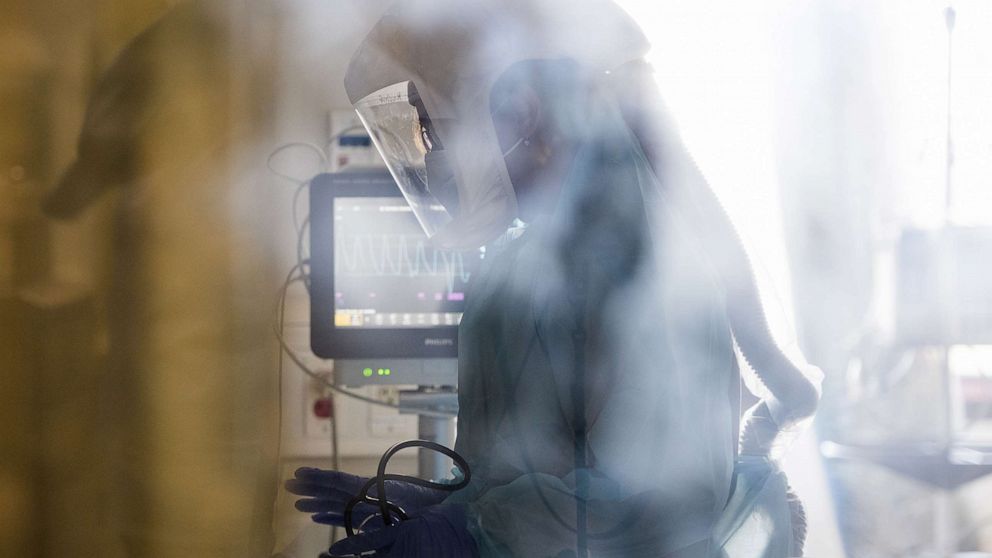
States warn of health care worker shortage as they prep for next pandemic

A nurse tends to a patient inside the COVID-19 unit of Salinas Valley Memorial Hospital in Salinas, Calif., Sept. 2, 2021.

Bloomberg via Getty Images, FILE

Part of the issue, health and hospital association officials from several states told ABC News, was the recurring cycle of worker shortages leading to increased labor costs – with turnover driving higher expenses to hire and recruit new staff.

“Now, nurses and others are leaving health care altogether, to companies that have signing bonuses and very high hourly rates. And so all of a sudden, hospitals are in a position where the only way we’re going to have an adequate nursing force is to work with the nurse traveler agencies,” said Brian Peters, CEO of the Michigan Health & Hospital Association.

In addition, some hospitals are experiencing negative profit margins, making less money in relation to their own expenses compared to before the pandemic. California health officials, for example, noted that over half of hospitals in the state already had unsustainable margins before the pandemic. This worsened during the COVID-19 pandemic as the state’s total hospital expenses rose 15{bf0515afdcaddba073662ceb89fbb62b6b1bf123143c0e06b788e1946e8c353f} in just one year. According to state officials, California hospitals are losing money on operations.

Funding in flux

Early in the COVID crisis, as case counts exploded and deaths began to creep up, public health departments received hundreds of billions of dollars in funding from the federal government to support their work. But most of that money was earmarked to respond to the emergency — not to shore up public health permanently. Now, many are warning that the flood of money could transition to a trickle without renewal of some of the federal funds, which could lead them to cut contractual employees and reduce some of their initiatives.

“Funding comes in on specific diseases,” said Susan Kansagra, North Carolina’s state health officer. “When that disease goes away, funding goes away. We’re left rebuilding.”

Most state public health departments significantly expanded their workforce in the early days of the pandemic, and they have larger staffs now than in 2019. But many of those hires were temporary positions, including some epidemiologists and behavioral scientists. Washington, for example, stated that even now, 30{bf0515afdcaddba073662ceb89fbb62b6b1bf123143c0e06b788e1946e8c353f} of its current workforce were in time-limited positions.

There is also high turnover in the public health sector. The Virginia Department of Health noted that about a third of its workforce had minimal work experience prior to 2019, whereas now 40{bf0515afdcaddba073662ceb89fbb62b6b1bf123143c0e06b788e1946e8c353f} has less than two years of know-how on the job. Many experienced public health workers left their jobs in the past few years, often because of the political blowback and pressures from far-right groups opposed to things like masks and vaccines, state health officials told ABC News.

While most state health officials interviewed by ABC News shared they may need to tighten their ranks amid lower funding support, some felt confident in being able to revamp their workforce should another crisis arise.

“The takeaway for us is that we have worked through rapid hiring, onboarding, and training processes, so that we could do it again if needed,” the Utah Department of Health and Human Services said to ABC News in a statement.

Identifying the next threat

With the rise of at-home tests and dwindling contact-tracing programs, public health departments have shifted their attention to different methods of identifying where COVID-19 is spreading most and detecting any new diseases that may pose a threat.

Wastewater has become a key tool for epidemiologists to quickly identify where pockets of the community may be experiencing a greater number of COVID-19 cases than usual. Most state health departments contacted by ABC News noted they had integrated a wastewater surveillance system and were tracking old and new threats.
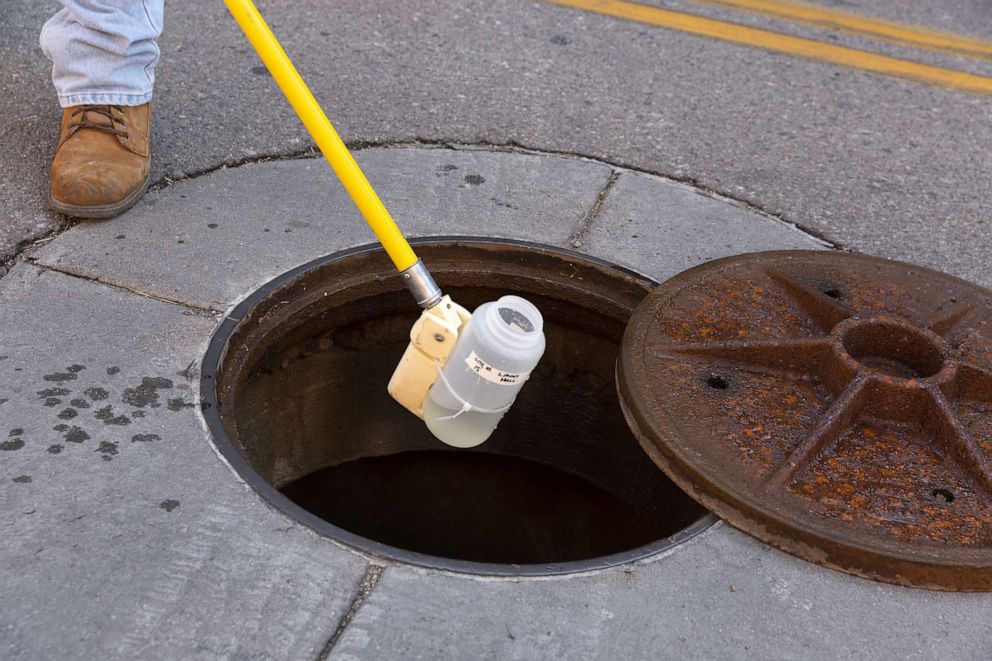
PHOTO: An employee collects a wastewater sample to monitor COVID-19 in Tucson, Ariz., Aug. 31, 2020.

An employee collects a wastewater sample to monitor COVID-19 in Tucson, Ariz., Aug. 31, 2020.

Bloomberg via Getty Images, FILE

Nevada officials shared that the state built “a viral respiratory surveillance program to expand upon influenza surveillance efforts to help understand what respiratory viruses are circulating, the magnitude of these viruses within communities, and the overall severity of the viral illnesses” with a team set to monitor data for early detection for potential surges.

Most states also developed dashboards to inform the public of case numbers and hospitalizations statistics as well as avenues to collect vaccine data or notify contacts of someone sick of an exposure. Those tools are in place and ready for future disease threats, so health department wouldn’t have to start from scratch.

“We’ve created forums for sharing information throughout the three years to ensure that we can continue to respond to COVID-19, and also that we will be ready in the future,” said Nicole Stallings, chief external affairs officer at the Maryland Hospital Association.

Experience counts, say health departments

State health department officials reached by ABC News overwhelmingly said their experience responding to COVID-19 means they are better prepared to react to a new health threat than in 2019.

“We’re better trained, better staff, better equipped and managed, more responsive, and experienced personnel, our information systems are much more robust. So, I think, at this point, and recognizing that all capabilities atrophied over time, but at this point, we’re much better prepared than we were in 2019,” said Robert Mauskapf, director of the office of emergency preparedness at the Virginia Department of Health.

Still, some public health experts remained skeptical, noting that budget and staffing problems — and even cultural shifts — will make it harder to respond to future threats.

Many states, for example, have passed or are considering laws that would prohibit mask mandates or vaccine requirements — both tools that helped protect people against the spread of COVID-19.
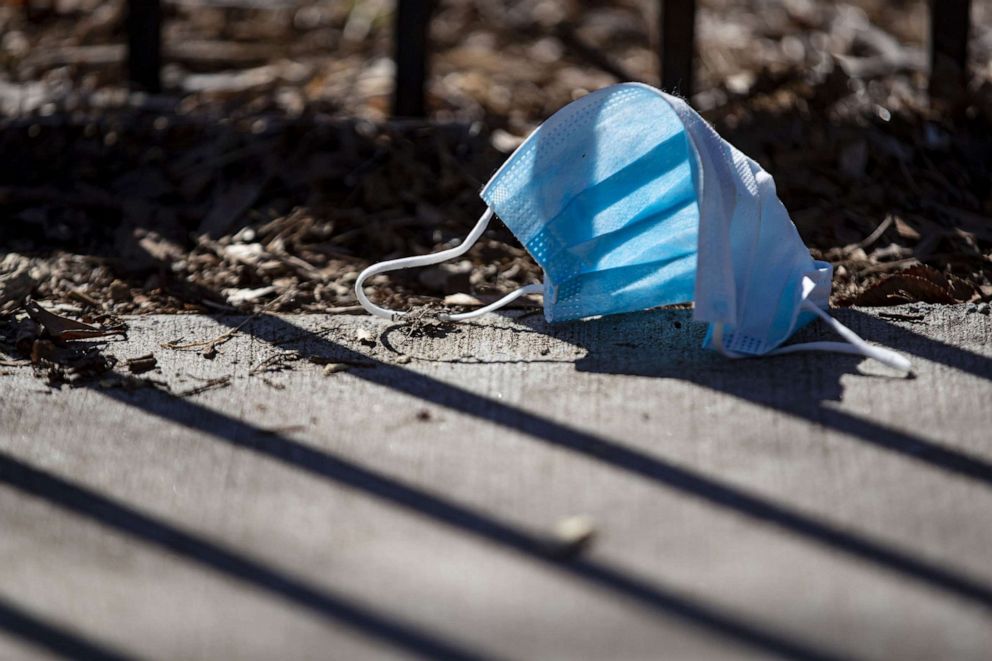
PHOTO: A discarded surgical mask, April 26, 2022, in Chicago.

A discarded surgical mask, April 26, 2022, in Chicago.

Chicago Tribune via Getty Images, FILE

So even though health departments know the strategies that helped during the COVID-19 pandemic, they might not have the ability to implement them as successfully going forward.

“Federal, state, and local health departments have far fewer personnel today than they did before [the pandemic]. This is a consequence of public health staff being chronically over-worked and underpaid, public health officials being verbally attacked on social media, including by elected officials, and a broad national narrative that public health is somehow incompetent,” Varma said.

ABC’s John Brownstein, Ph.D., Sony Salzman, John Santucci, Nicole Wetsman, Emma Egan, Sara Avery, Alexandra Myers and Soorin Kim contributed to this report.

Council takes action to mitigate risk of medical devices shortage

Today the Council adopted a regulation which extends the deadline for the certification of medical devices. This measure aims to prevent that medical devices which cannot be certified by the initial cut-off date become unavailable for European patients.


Council takes action to mitigate risk of medical devices shortage

Today we have agreed on measures that will allow the industry to continue bringing essential medical devices to the market and ensure that patients have safe access to medical devices.

Acko Ankarberg Johansson, Swedish minister for health care

A staggered and conditional extension

Producers of medical devices will now have until 31 December 2027 for higher risk devices and until 31 December 2028 for medium and lower risk devices to meet the legal requirements.

The extension of the transition period will be granted under certain conditions. These ensure that only devices that are safe and for which manufacturers have already started the certification procedure will benefit from the additional time.

Removal of “sell-off” date

The regulation adopted today also reduces the risk of medical devices shortages by removing the “sell-off” date rule. The “sell-off” date is the end date after which devices already on the market but not yet with the final user should be withdrawn. Only devices that comply with the previous EU law on medical devices will benefit from this rule. Removing the “sell-off” date will allow safe medical devices to remain longer on the market.

Background and next steps

In April 2017, the Council and the European Parliament adopted two regulations to improve the safety of medical devices and in vitro diagnostic medical devices. Medical devices cover a broad array of products, ranging from hearing devices and wheelchairs to catheters and orthopaedic implants. One of the measures of the 2017 regulation is a more robust conformity assessment system of medical devices. The amending regulation adopted today does not change the requirements of the original regulations of 2017.

Under this system, by the end of the foreseen transition period of 26 May 2024, all medical devices have to conform with the new rules. But because, among other things, conformity assessment bodies suffer from capacity problems to (re)certify old and new medical devices there is a risk that at the end of the transition period a large share of devices will no longer be available to EU patients.

The decision to extend the implementation period will enter into force on the day of its publication in the Official Journal of the EU.

Visit the meeting page

Bernie Sanders chairs Senate committee looking to fix the health worker shortage : Shots

Bernie Sanders chairs Senate committee looking to fix the health worker shortage : Shots

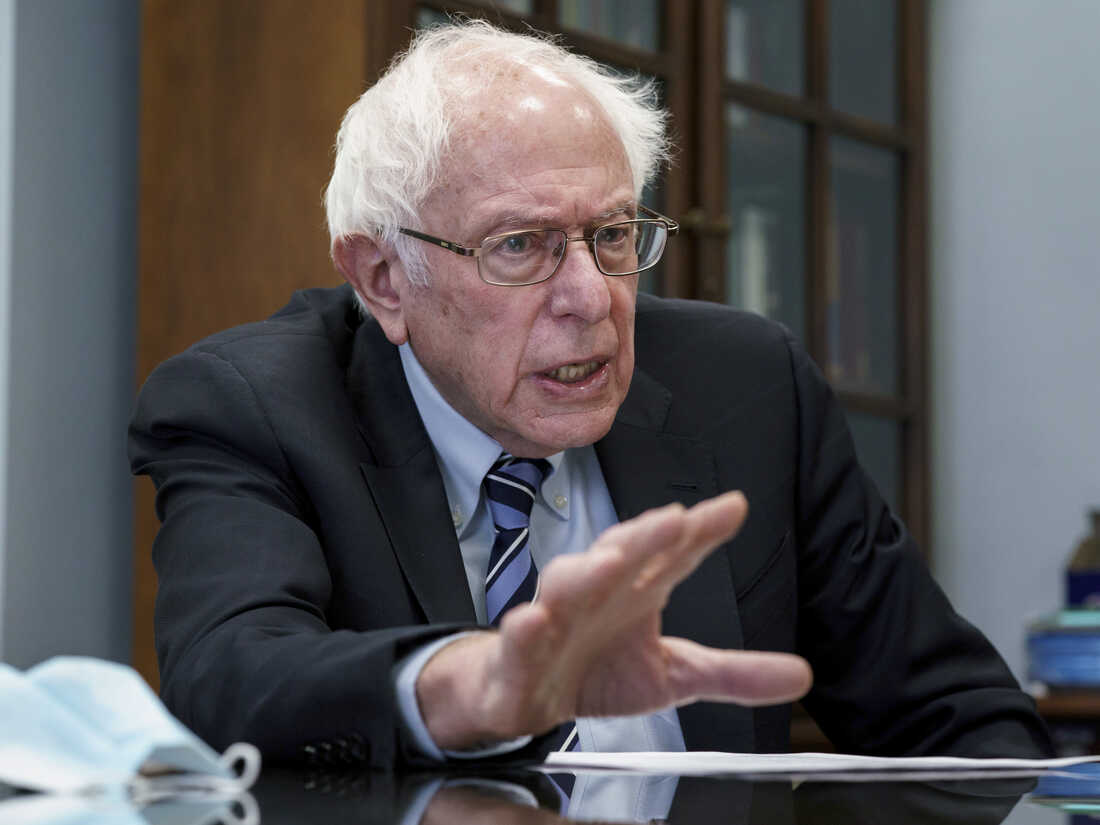
Sen. Bernie Sanders, I-Vt., is chairing the Senate’s top health committee which is focused on solving the U.S. health care worker shortage.

J. Scott Applewhite/AP


hide caption

toggle caption

J. Scott Applewhite/AP


Sen. Bernie Sanders, I-Vt., is chairing the Senate’s top health committee which is focused on solving the U.S. health care worker shortage.

J. Scott Applewhite/AP

Senators are eying the growing shortage of health care workers in the United States as one of the few problems where there is room for bipartisan solutions, even in a deeply divided Congress gearing up for a presidential election cycle.

The shortage that’s only worsened since the pandemic is a prescription for skyrocketing costs, suffering, and unnecessary death, warned Sen. Bernie Sanders, I-Vt., who is the new chairman of the Senate’s top health committee. He spoke in his committee’s first hearing last week.

“We are going to produce legislation, and I think people will be surprised about the level of bipartisan supporters,” Sanders said in a brief interview during a break from the hearing. He called for the committee to “produce something meaningful.”

The shortage of health care workers of all sorts is a widespread problem, but is especially acute in rural areas and minority communities. Sanders pointed to the startling numbers of Americans living in medical care deserts to illustrate the point. There are nearly 100 million people who don’t have easy access to a primary care physician, almost 70 million with no dentist at hand, and some 158 million people who have few local mental health providers, Sanders said.

The COVID pandemic contributed to the nation’s existing worker shortage as many left the workforce as the crisis worsened. Some contracted the virus themselves, and large numbers of health care providers died. An investigation by KHN and The Guardian revealed more than 3,600 health workers in the United States died during the pandemic’s first year alone. Many others got burnt out or sought higher-paying jobs elsewhere.

“Despite all of our health care spending, we don’t have enough doctors, nurses, nurse practitioners, dentists, dental hygienists, pharmacists, mental health providers, and other medical professionals,” Sanders said, pointing to data that suggest the nation faces a shortfall of about 450,000 nurses and 120,000 doctors in the coming years, and 100,000 dentists now.

While Democrats and Republicans alike acknowledged the shortages hobbling care for hundreds of millions of Americans, any legislative solution must pass not only the Senate Health, Education, Labor and Pensions Committee, but also the full Senate and House of Representatives.

Far-right House Republicans have threatened to go so far as forcing the federal government to default on its debts as they demand spending cuts, and high government spending on health care could make new legislation a ripe target.

Sen. Bill Cassidy of Louisiana, the committee’s top Republican who is also a doctor, cited a few programs the committee is responsible for updating this year, such as an expiring program that trains many of the nation’s pediatricians. He said funding should reflect what works in the health care system and come “with the appropriate spending offsets.”

“We have to make sure that we’re not wasting the money we’re trying to productively spend,” he said.

None of the senators in the hearing disagreed with the fundamental problem that too many medical professionals are leaving their fields and that educational institutions are not graduating enough new ones to replace them and meet the growing needs of an aging population.

Members on both sides of the aisle recognized growing levels of burnout in the medical professions; increased threats faced by health care workers; the costs and challenges of working underserved areas; and financial incentives that steer younger professionals toward more lucrative specialties and higher-income areas.

Senators agreed on some strategies to boost numbers of health workers, such as encouraging more lower-cost educational options like community college and ensuring that existing programs are extended this year, such as the National Health Service Corps that trains doctors for underserved areas and graduate education programs.

A whiff of partisan thinking drifted into the conversation, with some Republicans focused more on decrying government interference in health care. Sen. Mitt Romney, R-Utah, suggested the State Department should do a better job clearing foreign students and practitioners to immigrate here. Cassidy raised electronic health records requirements as a contributor to physician burnout, saying they consume too much time.

Even in those areas, there were signs lawmakers could agree. Sen. Tim Kaine, D-Va., also raised the idea of unjamming the immigrant backlog.

Sen. Rand Paul, R-Ky., said vaccine requirements were an impediment. Sen. Roger Marshall, R-Kan., raised regulations barring some surprise medical bills as harmful to doctors.

“I think the fact that the committee has made this the first hearing means a number of us have bills. We may try to take a bunch of them up together and see if we can combine them into something,” said Kaine, pointing in particular to the idea of expanding loan forgiveness for people willing to go into areas with shortages. “I think there’s great prospects for bipartisan progress on this.”

Some of the senators credited Sanders with the initial progress toward a compromise. He spent his first weeks in his post meeting with committee members from both parties to identify areas of bipartisan agreement.

Sen. Lisa Murkowski, R-Alaska, said Sanders reached out to meet with her and discuss her priorities. They both named workforce shortages as a top issue, she said, adding, “We’ve got good stuff to work on.”

“In my conversation with him just on the floor this week, about what we might be able to do with the workforce issue, I think he was kind of probing to see if we could put together some efforts to just focus on these workforce shortages,” Murkowski told KHN. “There is a great deal of interest in legislating in this space.”

“What it’s going to look like, I can’t tell you yet,” she added.

“We are going to produce legislation,” Sanders said as the hearing ended. “I don’t do hearings for the sake of hearings.”

KHN (Kaiser Health News) is a national newsroom that produces in-depth journalism about health issues. Together with Policy Analysis and Polling, KHN is one of the three major operating programs at KFF (Kaiser Family Foundation). KFF is an endowed nonprofit organization providing information on health issues to the nation.

Texas’ shortage of mental health care professionals is getting worse


How this happened

Workforce stress and burnout

America’s Primate Shortage Hinders Medical Research

For more crisp and insightful business and economic news, subscribe to
The Daily Upside newsletter.
It’s completely free and we guarantee you’ll learn something new every day.

The US economy faces yet another painful supply shortage – not microchips but monkeys.

Scientists, who fear they’re falling behind on crucial medical progress, have urged the US government to increase spending on lab monkey breeding programs as a smuggling scandal in Cambodia risks worsening an existing scarcity of little monkeys native to Southeast Asia.

Everybody’s Got Something to Hide…

Last month, US federal prosecutors indicted eight people for their roles in an alleged monkey smuggling ring that supplied simians to research labs in Florida and Texas [we’ll wait for you to read that back]. The macaques, which are used to develop vaccines and advance medical research, were allegedly abducted from national parks and other protected areas in Cambodia and taken to breeding facilities where they were provided false export permits. One of the people arrested was actually a wildlife director on his way to a conference on protecting endangered species.

As far as American medical research is concerned, there just aren’t enough monkeys to go around. During the height of COVID, China, which was the US’ biggest supplier at the time – levied an export ban on lab monkeys, causing the price of one primate to triple between 2019 and 2022. A monkey that once went for roughly $5,000 now goes for about $22,000 and the price is expected to increase another 10 grand next year. A barrel of monkeys sure isn’t cheap.

With China now entering yet another wave of Covid outbreaks, fears of a new variant will return, pushing US medical researchers to develop new vaccines without a ready supply of testing subjects:

  • Nancy Haigwood, director of the Oregon Primate Research Center, told the Financial Times her group is a year behind on testing and has grant funding sitting on the shelf because she can’t procure enough primates.
  • Suppliers Charles River and Inotiv recently warned investors to expect disruption in monkey imports from Cambodia. The US National Primate Research Centers have seven breeding facilities with roughly 25,000 primates, but that’s not nearly enough to meet demand.

“Most years, I can say with confidence that the NPRC barely meets, or are unable to meet in a timely manner, all requests,” Wisconsin primate center director Jon Levine told Mother Jones. “We have been chronically receiving no increases in our budgets, or very modest increases in our budgets, for over 20 years.”

Friends, Not Equipment: Of course, one group is happy to see scientists struggling to get more monkeys. Animal rights organization Peta, which has boycotted animal testing for decades, says the US stinks at breeding monkeys so it’s had to rely on stolen primates. Lisa Jones-Engel, Peta’s senior advisor, said the US should switch to more human testing instead. “We have to stop the monkey experimenters from hijacking the funds needed to implement them.”