The Role of Immune Mechanisms, Inflammatory Pathways, and Macrophage Activation Syndrome in the Pathogenesis of Hemophagocytic Lymphohistiocytosis

Hemophagocytic lymphohistiocytosis (HLH) is an aggressive and life-threatening syndrome characterized by increased levels of inflammatory cytokines and abnormal production of histiocytes resulting in multisystem organ failure [1-3]. This hyperinflammatory syndrome can occur in all ages, ranging from childhood to adulthood. The condition presents as a familial disorder (familial HLH, FHLH) or an acquired illness (secondary HLH, SHLH) in association with infection, malignancies, autoimmunity, and immune suppression. HLH can be diagnosed if at least five of the following characteristics are noted: fever ≥38.5°C, splenomegaly, increased ferritin levels, peripheral blood cytopenia, hypofibrinogenemia, hemophagocytosis on the bone marrow, low or absent of natural killer (NK) cell activity, ferritin >500 ng/mL, and elevated soluble CD25 (soluble interleukin 2 (IL-2) receptor alpha) [4,5]. It is a rare syndrome that is difficult to diagnose and treat because of the severity of the illness and the clinical overlap with other conditions such as DiGeorge syndrome, Kawasaki syndrome, hemolytic anemias, congenital liver cirrhosis, disseminated tuberculosis, and encephalitis. However, HLH, a life-threatening condition, can be prevented with early recognition and prompt treatment with supportive care [6]. Approximately 95{bf0515afdcaddba073662ceb89fbb62b6b1bf123143c0e06b788e1946e8c353f} of children will die of the disease if left untreated [7], and the overall prognosis in adults is poor, with one large series showing a median survival of 2.1 months and an overall survival of about 34{bf0515afdcaddba073662ceb89fbb62b6b1bf123143c0e06b788e1946e8c353f} at 42 months [8,9]. Treatment is directed at suppressing hypercytokinemia through immunomodulatory and immunosuppressive agents, cytostatic, T-cell, and cytokine antibodies [10].

HLH is characterized by hyperactive histiocytes and lymphocytes, which lead to a severely disturbed immune hemostasis. Different pathways are involved in the development of this rare disease. However, the exact mechanism behind the disease is not well understood. Moreover, due to the limited literature, non-specific signs and symptoms, and the low incidence of this disease, it continues to be diagnosed very late. Thus, patients with HLH possess a high mortality rate.

This review article highlights different mechanisms involved in the pathogenesis of HLH and addresses the immunologic mechanisms associated with HLH. It also demonstrates how a defect in immunologic cells can contribute to the disease and explains the role of different cytokines in inducing or halting inflammatory responses, which may lead to the disease. In addition, it illustrates the association between macrophage activation syndrome (MAS) and HLH. Finally, it recommends more studies of HLH to enhance the understanding of readers about molecular biology, immunology, and genetics of the disease and to explore more effective methods of diagnosis and treatment.

The research methodology comprises the data based on relevant abstracts, papers, and articles published in different journals on PubMed, Medline, PubMed Central, Google Scholar, Cochrane Library, and Medscape. First, the literature pertinent to the pathophysiology of HLH was thoroughly searched, and later the articles that focused mainly on the factors involved in the disease progression were included. Finally, the authors discussed the possible inclusion and exclusion of the articles. Therefore, articles strictly about human studies and clinical trials were included. Keywords of the review included “HLH,” “Hemophagocytic Lymphohistiocytosis,” “macrophage activation syndrome,” “pathophysiology,” and “hyperinflammatory response.” A total of 1,000 articles were initially reviewed, and 50 were finally selected based on their relevance to HLH and its pathophysiology. The search also focused on articles published in the last 10 years for the information to be as recent as possible.

Hemophagocytic lymphohistiocytosis associated with immunological mechanisms

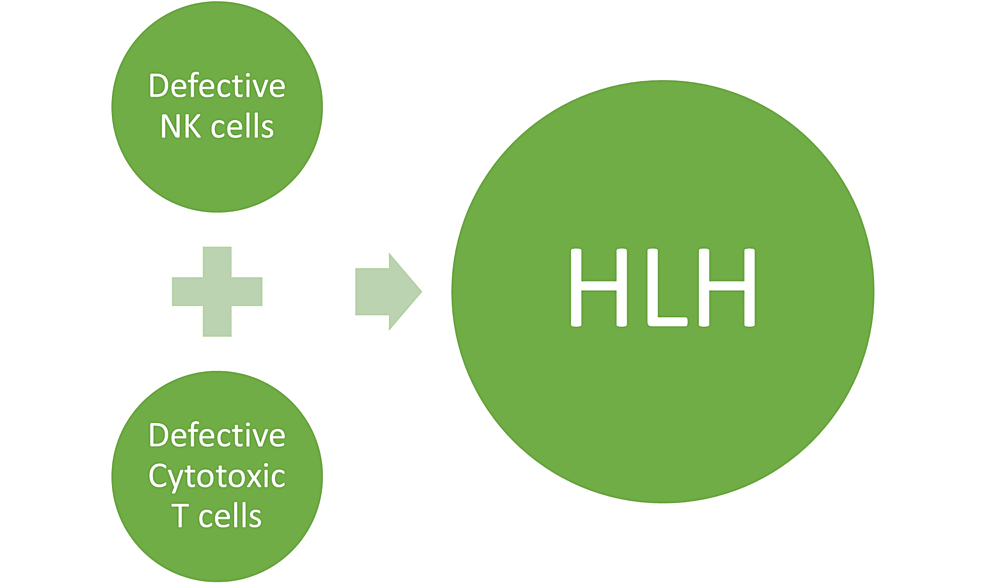
One of the core immune defense mechanisms against infections with intracellular pathogens is contact-dependent cytotoxicity mediated by NK cells and cytotoxic T lymphocytes (CTLs). HLH can result from inborn defects in lymphocytes such as NK cells, CTLs, and T-regulatory cells, which generally mediate the control of infectious and inflammatory conditions within the immune system and in other tissues [11,12]. They are involved in the host defense mechanism against cancer and primary or secondary viral infections [13].

NK cells directly attack damaged or infected cells, independent of the major histocompatibility complex (MHC) class I. When NK cells are activated, they secrete perforin-containing cytotoxic granules and granzymes at the synaptic junction between cytolytic cells (NK cells and CTLs) and their target cells, leading to their lysis through caspase-dependent and caspase-independent apoptosis [12-16]. Therefore, early diagnosis of the NK cell defect is crucial for the prevention of life-threatening complications, as well as the implementation of necessary treatment [17].

Martinez et al. conducted a study with 20 patients to determine NK cytotoxic activity in patients with suspected HLH syndrome. In addition, they compared NK cell cytotoxicity with healthy controls according to age and sex. The study showed a significant decrease in NK cell activity compared with the controls (p = 0.001). Hence, the study helped elucidate an underlying mechanism involved in patients with primary HLH [18].

The function of cytotoxic T cells is to kill autologous cells, carrying foreign antigens associated with the MHC class I. In contrast to NK cells, T cells recognize target cells using specialized T-cell receptors that bind specific MHC class I/peptide complexes on target cells. Therefore, CTLs build their immunosurveillance of intracellular homeostasis on MHC class I peptide presentation [19-21]. However, in HLH, genetic abnormalities lead to defects in proteins as well as ineffective antigen removal. This results in the disruption of immune surveillance and host defense systems. An alternative theory suggests that inefficient antigen clearance leads to persistent immunological activation and improper hemophagocytosis [21] (Figure 1).

Inflammatory pathway in the pathogenesis of hemophagocytic lymphohistiocytosis

HLH is a multisystem hyperinflammatory disorder characterized by the hyperactivation of T cells and macrophages. The clinical manifestations associated with this disease result from the overproduction of type 1 T-helper (Th1) cytokines, including interferon-gamma (IFN-γ), tumor necrosis factor-alpha (TNF-α), and IL-2, which leads to a chain reaction [22,23]. The defective T cells and unbridled macrophage activity lead to excessive cytokine production, subsequent immune dysregulation, and tissue damage [23].

The balance between Th1 and Th2 cells is determined by IL-12 and IL-4 [24-27]. B cells and macrophages produce IL-12, which favors the production of the Th1 response and induces IFN-γ [28-30]. Furthermore, IFN-γ enhances IL-12 production, leading to the production of more Th1 cells directly as well as endorsing the differentiation of Th0 cells and Th1 cells. IL-4 is another major Th2 cytokine, which is responsible for the formation of Th2 cells. IL-10, which is produced by both IL-12-induced Th1 cells and IL-4-induced Th2 cells, inhibits the production of IL-12, as well as other Th1 cytokines including IFN- γ and IL-2 [31-33]. The oppressive effects of IL-10 result in the inhibition of inflammatory cytokines and act as an anti-inflammatory agent [34]. Thus, IFN- γ, IL-10, 1L-4, and IL-12 are the major cytokines that play an important role in HLH (Figure 2).
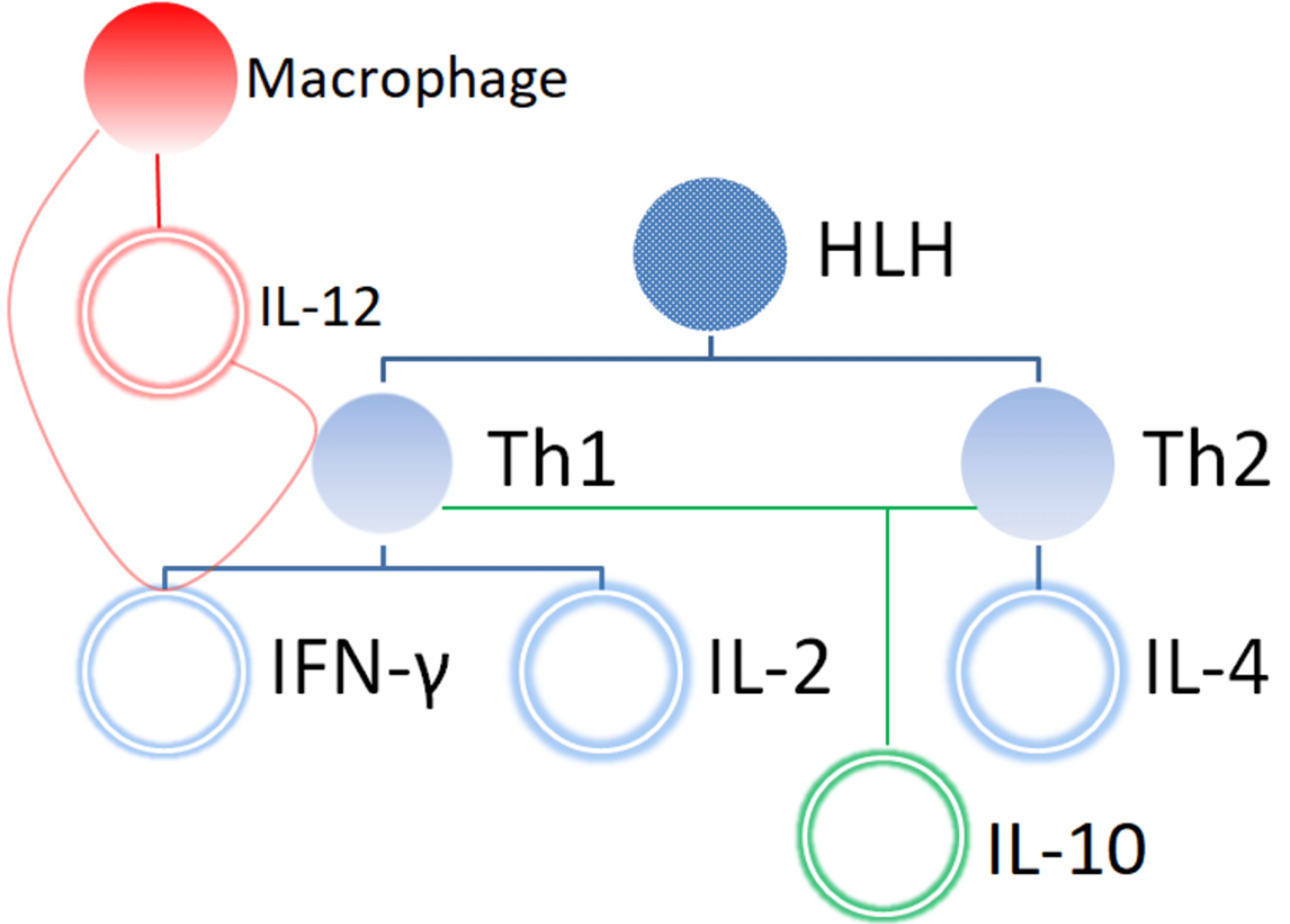
Osugi et al. conducted a study with 11 patients with HLH to analyze the production of IL-12 and IL-4 responsible for activating the Th1 and Th2 response, respectively, and IL-10, which antagonizes the Th1 response. The results indicated that elevated levels of IL-12 and IL-10 were found in all patients with HLH, while IL-4 was not detected in any patients. Therefore, the study concluded that the production of cytokines prefers the development of Th1 cells over Th2 cells, and both cell types demonstrated a significant role in the pathogenesis of HLH. However, the overproduction of IL-10 was a suppressing way for the hyperactive Th1 cells and monocytes/macrophages in patients with this disease [35].

Macrophage activation syndrome

Usually, macrophages act as cells that present foreign antigens to lymphocytes for either direct destruction or the production of antibodies. Macrophages become activated and release cytokines in different types of HLH. In turn, when excreted in excess, cytokines can harm organs [36].

MAS is another fatal underlying mechanism involved in the pathophysiology of secondary HLH [36]. It is due to the overstimulation of macrophages which results in an overwhelming production of cytokines “cytokine storm.” It can be caused by rheumatic diseases such as systemic juvenile idiopathic arthritis and systemic lupus erythematosus. MAS manifests as high fever, lymphadenopathy, hepatosplenomegaly, hepatitis, cytopenias, elevated C-reactive protein, low erythrocyte sedimentation rate, hypofibrinogenemia, hypertriglyceridemia, and hyperferritinemia [37-40].

Macrophages serve as antigen-presenting cells to present foreign antigens to lymphocytes for either direct destruction or antibody development. In HLH, macrophages become activated and secrete excessive amounts of cytokines, ultimately leading to severe tissue damage resulting in multisystem organ failure. Recent studies reveal the role of hypercytokinemia and hyperinflammation as the driving cause of pathology and morbidity/mortality in MAS [41,42] (Figure 3).
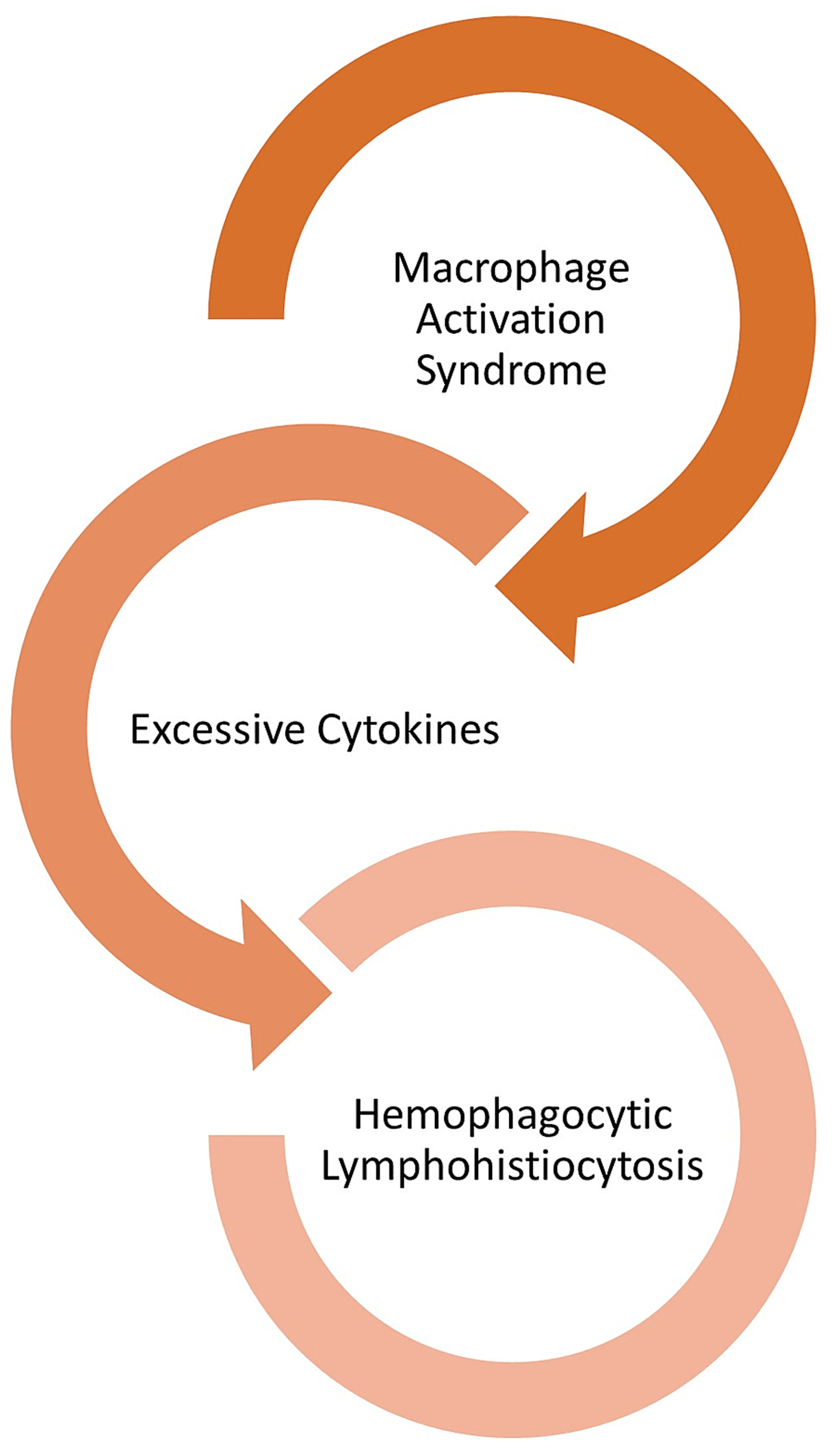
MAS is characterized by uncontrolled inflammation, which may lead to multiorgan failure and death in its severe form [43-48]. These manifestations are regulated by the substantial production of cytokines, which infiltrate all tissues and cause necrosis and organ failure. Because MAS can present in patients with autoinflammatory and autoimmune diseases, it should be carefully observed in HLH patients [49,50].

The types, pathogenesis, and diagnostic criteria of hemophagocytic lymphohistiocytosis

As mentioned earlier, HLH can be classified broadly into FHLH and SHLH based on the cause. The inheritance of defective genes such as PRF1, UNC13D, STX11, and STXBP2 contributes to the former, and the condition typically affects children and young adults, and the latter is associated most commonly with underlying infection or malignancy [3,6].

A multitude of clinical indicators and test results are used to make the diagnosis of FHL or SHLH. However, the clinical signs and symptoms could be more precise, and there is much overlap with other conditions. Thus, diagnosis is frequently delayed. The Histiocyte Society’s official diagnosis of HLH is based on meeting one or both of the following requirements: (1) molecular evidence supporting an HLH diagnosis. (2) Five of the following nine diagnostic standards for HLH: a fever, splenomegaly, cytopenias (affecting two or more of the three lineages in the peripheral blood), hypertriglyceridemia, hypofibrinogenemia, elevated ferritin, hemophagocytosis in the bone marrow, spleen, or lymph nodes, low or absent NK-cell activity, or elevated soluble CD25 (IL-2 receptor) [23].

Different theories have been proposed to explain the mechanisms involved in this rare disease and elaborate the diagnostic approach to this underdiagnosed illness [2]. Table 1 summarizes some of the relevant research studies that investigate these aspects of HLH.

Author name Year Journal Aim of study Main findings
Usmani et al. [1] 2013 British Journal of Hematology To determine the advances in understanding the pathogenesis of HLH This review article includes the factors affecting familial and acquired forms of HLH playing a major role in pathogenesis
Lehmberg et al. [2] 2013 British Journal of Hematology To elaborate the current diagnostic approach to patients with HLH This review article explains how HLH can be diagnosed and which crucial steps should be taken toward early management and treatment options
Zhang et al. [3] 2014 Cancer Control To study the hereditary and acquired forms of HLH This review article explains that the assessment of HLH can be done clinically and immunologically
Grzybowski et al. [4] 2017 Journal of Pediatrics Neurosciences To understand the basic mechanism involved in HLH This review article explains how early diagnosis and treatment can improve the survival of HLH patients
De Schuyter et al. [5] 2017 Acta Clinica Belgica To evaluate the case of unexplained fever and pancytopenia This case report includes how unexplained fever with pancytopenia can be one of the presenting features in HLH patients
Mehta et al. [6] 2013 Medical Oncology The purpose of this review article is to explore the pathogenesis involved in HLH This review article illustrates that HLH carries a high risk of mortality in primary and secondary types; therefore, early treatment is important for management
Rosado et al. [7] 2013 American Journal of Clinical Pathology To understand the factors triggering both genetic and acquired HLH and their contribution to this rare disease This review article focuses on new studies which are required to diagnose this rare disease and improve diagnostic methods and treatment
Filipovich et al. [11] 2015 Hematology/Oncology Clinics of North America To determine the relation between inherited defects in immune cells and HLH In this review article, it is explained that how genetic defects in cytotoxic cells and other immune cells play an important role in the pathogenesis of HLH
Kagi et al. [12] 1996 Annual Review of Immunology To investigate the molecular mechanism of lymphocyte-mediated cytotoxicity Review article focuses on cytotoxicity by CD4+ T cells and natural killer contributing to the immunological mechanism of HLH
Brisse et al. [13] 2015 Cytokines and Growth Factor Reviews-Journal In this review, HLH was studied on animal models to explore findings on cell types, cytokines, and signaling pathways which are involved in disease pathogenesis The aim of this review article is to show how genetic defects in granule-mediated cytotoxicity plays a major role in the immunological pathway of HLH
Weitzman et al. [14] 2011 Hematology. American Society of Hematology. Education program What are the signs and symptoms leading to the diagnosis of HLH This review article explains that HLH is a potentially life-threatening condition which can be missed in children and adults; therefore, early diagnosis and effective therapy is required to treat the disease
Stinchcombe et al. [16] 2007 Annual Review of Cell and Developmental Biology In this article, recent advances on the role of the cytotoxic pathway was discussed which is responsible for lymphocyte hemostasis and immune surveillance Cytotoxic-mediated activity plays a critical role in the immunological pathway involved in HLH
Popko et al. [17] 2015 Central-European Journal of Immunology To determine the role of NK cells in the pathogenesis of HLH There is a role of NK cells in regulation, as well as in cytotoxic abilities in patients with HLH
George et al. [23] 2014 Journal of Blood Medicine To raise awareness about the understanding of HLH which is responsible for high morbidity and mortality HLH can be triggered by genetic defects in cytotoxic T cells and NK cells, as well as infections. Treatment including immunosuppression, immune modulation, and chemotherapy plays a pivotal role in disease management
Sen et al. [40] 2016 Indian Journal of Pediatrics To understand the mechanism of MAS in HLH This review article explains that MAS is considered a type of secondary HLH. It results from the excessive activation of T-lymphocytes and macrophages leading to this rare syndrome
Verma et al. [44] 2017 Indian Journal of Clinical Biochemistry To investigate the association between hyperferritinemia and HLH This case study explains that the measurement of ferritin levels can be used in the diagnosis as well as in disease monitoring of HLH
Cron et al. [45] 2015 Expert Review of Clinical Immunology To diagnose the clinical features of MAS This review article explains that the clinical features of MAS include pancytopenia, hyperferritinemia, hepatobiliary dysfunction, and markers of immune activation playing a major role in the pathogenesis of HLH

HLH is a life-threatening hyperinflammatory condition resulting from the impaired function of CTLs and NK cells, leading to a proliferation of benign hemophagocytic histiocytes. The imbalance between Th1 and Th2 cells is another important mechanism in immune system activation. Because the disease has a high rate of morbidity and mortality, early diagnosis and crucial steps should be taken to improve the overall well-being and survival of HLH patients. In addition, it is one of the most debilitating rare syndromes, which requires comprehensive immunological, clinical, and genetic workups for diagnosis.

HLH poses a diagnostic dilemma for physicians and clinicians because of the nonspecific signs and low incidence. However, the diagnosis can be made by paying imperative attention to the signs and common symptoms of HLH. Still, more research in molecular biology, immunology, and genetics of HLH is needed to explore the effective management and treatment options for all patients who suffer from this rare disorder.

Mobility Aid Medical Devices Global Market Report 2022:

Dublin, Dec. 30, 2022 (World NEWSWIRE) — The “Mobility Support Health care Products Market – Global Marketplace Dimensions, Share, Developments, Opportunity, and Forecast, 2018-2028: Segmented By Kind (Wheelchairs, Walking Aids, Mobility Lifts, Slings, Tricycles, Mobility Scooters), By Close Consumer, By Area, Forecast & Prospects, 2028” report has been included to ResearchAndMarkets.com’s providing.

World-wide mobility aid health-related units industry is envisioned to develop at a steady price in the course of the forecast period, 2024-2028. Mobility support healthcare gadgets assist the elderly and disabled persons in moving about. Quick technological breakthroughs in the growth of mobility support medical devices are the important variable responsible for its current market growth.

The demand for these units is expanding noticeably amongst the aged populace as they require treatment, safety and ease in shift and transfer, both of those in hospitals and homecare setups. Various initiatives are taken by the governments to enhance recognition about the use of mobility assist professional medical gadgets amongst the inhabitants and several health care enterprises. Other than, bettering health care infrastructure is also a big motive for the advancement in demand of these equipment.

In addition, assistive technologies help in decreasing challenges in performing working day-to-day things to do for aged and disabled populace. As a result, technological enhancements and new item launches by the key gamers functioning in the current market are predicted to build worthwhile progress alternatives above the following several many years.

The world wide mobility assist clinical devices sector is segmented into form, finish consumer, firm, and area. Based on style, wheelchair is predicted to hold the most dominant share during forecast period. Provision of wheelchair enhances the mobility and high quality of life and reduces common difficulties this kind of as tension sores as effectively as assists in improving upon digestion and respiration.

Regionally, North America is predicted to dominate the marketplace in the course of forecast period of time. This is attributed to the presence of very well-founded health care infrastructure alongside with the authorities initiatives with regards to the recognition of mobility help medical equipment. Other than, the rising adoption of highly developed technologies and growing investing for the growth of new items in the area, are the factors for the development in sector share of the location.

Big gamers functioning in the world-wide mobility help medical gadgets market include things like GF Overall health Items, Inc., Invacare Corporation, Pleasure Mobility Goods Corporation, Dawn Medical Constrained, OttoBock Health care GmbH, Permobil AB, Push Healthcare Ltd., Levo AG, Karman Healthcare Inc., and Meyra Wihelm Meyer GmbH & Co Ltd.

Report Scope:

World-wide Mobility Support Professional medical Equipment Market place, By Variety:

  • Wheelchairs
  • Handbook
  • Run
  • Going for walks Aids
  • Canes
  • Crutches
  • Walkers
  • Many others
  • Mobility Lifts
  • Ceiling Lifts
  • Hydraulic Lifts
  • Many others
  • Slings
  • Universal Slings
  • Bathing & Toileting Slings
  • Stand Up Slings
  • Tricycles
  • Manual
  • Powered
  • Mobility Scooters
  • 3-wheel
  • 4-wheel
  • Others

Global Mobility Aid Professional medical Gadgets Industry, By Close Person:

World wide Mobility Assist Medical Gadgets Current market, By Location:

  • Asia-Pacific
  • China
  • Japan
  • India
  • South Korea
  • Australia
  • Europe
  • Germany
  • France
  • United Kingdom
  • Italy
  • Spain
  • North America
  • United States
  • Mexico
  • Canada
  • South The usa
  • Brazil
  • Argentina
  • Colombia
  • Middle East & Africa
  • South Africa
  • Saudi Arabia
  • UAE

Crucial Matters Coated:

1. Product or service Overview

2. Analysis Methodology

3. Government Summary

4. Voice of Shopper

5. World wide Mobility Help Professional medical Devices Sector Outlook

6. Asia-Pacific Mobility Aid Professional medical Units Industry Outlook

7. Europe Mobility Support Health care Devices Industry Outlook

8. North America Mobility Assist Healthcare Units Current market Outlook

9. South The us Mobility Support Healthcare Products Market place Outlook

10. Center East and Africa Mobility Assist Health care Units Marketplace Outlook

11. Industry Dynamics

12. Sector Tendencies & Developments

13. Aggressive Landscape

14. Strategic Suggestions

Businesses Mentioned

  • GF Overall health Items, Inc.
  • Invacare Corporation
  • Delight Mobility Solutions Corporation
  • Sunrise Medical Constrained
  • OttoBock Healthcare GmbH
  • Permobil AB
  • Generate Medical Ltd.
  • Levo AG
  • Karman Healthcare Inc.
  • Meyra Wihelm Meyer GmbH & Co Ltd

For far more details about this report check out https://www.researchandmarkets.com/r/q8d1id

About ResearchAndMarkets.com
ResearchAndMarkets.com is the world’s top supply for worldwide current market study reports and market information. We give you with the hottest details on worldwide and regional marketplaces, vital industries, the top organizations, new merchandise and the most current tendencies.


A 7-Day Meal Plan For Weight Loss, Plus Grocery Shopping List

When you’re trying to lose weight, being told to eat healthy is pretty much a guaranteed trigger for an eye roll. Like, yeah, you know healthy eating is one way to lose weight. The problem is figuring out exactly what to eat on any given day. And putting together meal plans for weight loss takes a lot of energy that you don’t have.

After all, you have a life and plenty of things to do. It can be tricky to find time to sit down and plan out a menu that will help you hit the right balance of macros and lose weight. Still, all this prep work is kinda important here.

“For many individuals, planning ahead is key to successful weight loss since it may help decrease the guesswork and negative outside influences at meal time,” says nutritionist Keri Gans, RD, the author of The Small Change Diet. “If not prepared, a person is more likely to make poor choices when confronted with them.”

Basically, forgoing planning what your next meal—or meals—will be dramatically raises the odds that you’ll be ordering less-than-healthy takeout at the last minute when you’re starving. Again, we go back to the whole “what to eat” dilemma… .

Well, we’ve got you covered in that department—for a week, at least, to get you started. Gans has offered up 21 different ideas you can enjoy over the course of a week (and beyond!), with a few leftovers in the mix to help you save on groceries. Every meal is a good mix of protein, fat, and carbs to help you fill up, stay satisfied, and hold your blood sugar steady—all key factors in losing weight. They’re also easy to prepare and we front-load the week’s menu with foods that tend to spoil faster than others, so you can get the most bang for your grocery shopping buck.

For dinners, consider this pro tip from Gans: “Always start your dinner with a large mixed green salad, light on the dressing of your choice. Salad are packed with fiber and help to fill you up.”

Check out the seven-day meal plan for weight loss below, and then scroll down for a handy grocery list you can take with you to the store. Because eating healthy shouldn’t be hard.

Meet the expert: Keri Gans, RD, is a New York City-based nutritionist and the author of The Small Change Diet.

Day 1

Breakfast: A piece of 100 percent whole wheat toast topped with half an avocado, two slices of tomato, and two poached eggs

Lunch: Mixed green salad with carrots, cucumbers, ½ avocado sliced, and 3 to 4 ounces broiled salmon, topped with a dash of olive oil and vinegar

Dinner: One cup of cooked pasta (whatever kind you prefer) tossed with 3 ounces of grilled shrimp, as much asparagus as you want, sautéed garlic, and a dash of olive oil

Day 2

Breakfast: One cup cooked oatmeal mixed with one tablespoon of peanut butter and a medium-sized banana sliced on top

Lunch: Fresh roasted turkey sandwich on 100 percent whole wheat bread with lettuce, sliced tomato, and 1 tablespoon of mayo (or drizzle of olive oil)

Dinner: Three to four ounces of broiled salmon with baked potato (you can add a pat of butter or dollop of sour cream), and as much broccoli as you want

Day 3

Breakfast: A piece of 100 percent whole wheat toast topped with half an avocado, two slices of tomato, and two poached eggs

Lunch: Mixed green salad with carrots, cucumbers, ½ avocado sliced, and 3 to 4 ounces broiled salmon, topped with a dash of olive oil and vinegar

Dinner: Four ounces of grilled chicken breast with one medium-sized sweet potato and sautéed spinach

Day 4

Breakfast: A cup of plain Greek or Icelandic yogurt topped with 1 cup of sliced strawberries and 1 ounce of sliced almonds

Lunch: One individual can of tuna mixed with 1 tablespoon of mayo (or dash of olive oil) on 100{bf0515afdcaddba073662ceb89fbb62b6b1bf123143c0e06b788e1946e8c353f} whole grain bread, topped with lettuce, two slices of tomato, and a few slivers of red onion

Dinner: Four ounces of grilled chicken breast with one medium-sized sweet potato, steamed, and sautéed spinach

Day 5

Breakfast: One cup of cooked oatmeal mixed with one tablespoon of peanut butter and a medium-sized banana sliced on top

Lunch: One individual can of tuna mixed with 1 tablespoon of mayo (or dash of olive oil) on 100{bf0515afdcaddba073662ceb89fbb62b6b1bf123143c0e06b788e1946e8c353f} whole grain bread, topped with lettuce, two slices of tomato, and a few slivers of red onion

Dinner: One cup of cooked pasta (whatever kind you prefer) tossed with 3 ounces of grilled shrimp, as much asparagus as you want, sautéed garlic, and dash of olive oil

Day 6

Breakfast: One piece of 100 percent whole wheat toast topped with half an avocado, two slices of tomato, and two poached eggs

Lunch: Fresh roasted turkey sandwich on 100{bf0515afdcaddba073662ceb89fbb62b6b1bf123143c0e06b788e1946e8c353f} whole wheat bread with lettuce, sliced tomato, and 1 tablespoon of mayo (or drizzle of olive oil)

Dinner: Four ounces of grilled chicken breast with one medium-sized sweet potato, steamed, and sautéed spinach

Day 7

Breakfast: A cup of plain Greek or Icelandic yogurt topped with 1 cup of sliced strawberries and 1 ounce of sliced almonds

Lunch: Fresh roasted turkey sandwich on 100 percent whole wheat bread with lettuce, sliced tomato, and 1 tablespoon of mayo (or drizzle of olive oil)

Dinner: One cup of cooked pasta (whatever kind you prefer) tossed with 3 ounces of grilled shrimp, as much asparagus as you want, sautéed garlic, and dash of olive oil

Your Go-to Healthy Eating Grocery List

Consult this for what to buy (with the exact number of items you need!) for all the above meals when you’re at the store.

healthy eating grocery list

Jewelyn Butron

  • Greek yogurt (2 cups)
  • Pint of strawberries
  • Tomatoes (3)
  • Asparagus
  • Spinach
  • Avocado (2)
  • Sweet potatoes (3)
  • Lettuce
  • Mixed greens
  • Bananas (2)
  • Cucumbers
  • Carrots
  • Garlic clove
  • Baked potato (2)
  • Broccoli
  • Red onion (1)
  • Container of old-fashioned oats
  • Sliced almonds (2 ounces)
  • No sugar-added peanut butter
  • Loaf of whole wheat bread
  • Dried pasta of your choice (3 cups)
  • Salmon (12 ounces)
  • Chicken (12 ounces)
  • Frozen shrimp (9 ounces)
  • Individual can of tuna (2)
  • Eggs (6)
  • Boneless frozen turkey (or 1 pound of turkey lunchmeat)
  • Small container of mayo or olive oil
  • Vinegar

Biden administration partially rescinds Trump ‘conscience’ health care proposal

The Biden administration is proposing to partially roll back again a Trump-period “conscience” rule that was struck down multiple situations in court docket.

The Trump rule would have authorized health treatment employees to refuse to deliver treatment that conflicted with spiritual beliefs.

In a release Thursday, the Office of Wellbeing and Human Companies explained the proposed alterations would maximize entry to care.

“No one particular ought to be discriminated against because of their religious or ethical beliefs, specifically when they are trying to find or providing treatment,” Health and fitness Secretary Xavier Becerra claimed in a assertion. “The proposed rule strengthens protections for individuals with religious or moral objections even though also making sure accessibility to treatment for all in retaining with the regulation.”

PARKINSON’S Condition AFFLICTS Thousands Far more Individuals THAN Former ESTIMATES: NEW Analyze

Biden administration partially rescinds Trump ‘conscience’ health care proposal

Well being and Human Expert services Secretary Xavier Becerra testifies right before the Property Appropriations Committee at the Rayburn Property Business office Creating March 31, 2022, in Washington, D.C.
(Kevin Dietsch/Getty Photographs)

The 39-website page proposal notes that some medical practitioners, nurses and hospitals could item for spiritual or ethical explanations to giving or referring for abortions or assisted suicide and that respecting these kinds of objections “honors liberty and human dignity.”

At the exact same time, it famous “sufferers also have autonomy, legal rights and moral and spiritual convictions. And they have wellness requirements, sometime[s] urgent types. Our overall health care systems have to effectively supply providers to all who will need them in purchase to protect patients’ well being and dignity.”

In 2019, underneath the Trump administration, the department’s Business office for Civil Rights issued a regulation that HHS claimed offered broad definitions, created new compliance regulations and produced a new enforcement mechanism for a selection of statutes similar to the conscience legal rights of specified federally funded wellness care entities and companies. 

The U.S. Department of Health and Human Services building in Washington July 13, 2020.

The U.S. Office of Overall health and Human Expert services making in Washington July 13, 2020.
(Caroline Brehman/CQ-Roll Simply call, Inc via Getty Visuals)

The 2019 “ultimate rule” was held to be illegal by three federal district courts. 

TEXAS FEDERAL Judge Rules Towards HHS Program Letting Teenagers Confidential Delivery Management

“In light of these court conclusions, and reliable with the administration’s motivation to safeguard the legal rights of federal conscience and religious nondiscrimination whilst protecting obtain to treatment, this [notice of proposed rulemaking] proposes to partially rescind the department’s 2019 rule while reinforcing other procedures beforehand in place for the dealing with of conscience and religious liberty problems,” HHS explained. 

Xavier Becerra, secretary of Health and Human Services, speaks during a news conference at the HHS headquarters in Washington, D.C., June 28, 2022.

Xavier Becerra, secretary of Wellness and Human Services, speaks for the duration of a information convention at the HHS headquarters in Washington, D.C., June 28, 2022.
(Amanda Andrade-Rhoades/Bloomberg by using Getty Visuals)

“Protecting conscience legal rights and enforcing the law to beat religious discrimination is significant,” Office environment for Civil Legal rights Director Melanie Fontes Rainer explained. “Today’s proposed rule would fortify these protections and reinforce our extensive-standing approach for dealing with these kinds of conscience and faith-primarily based objections. It also would choose methods to aid make sure that persons are aware of their legal rights.”

Click on Here TO GET THE FOX Information App 

Public remarks are owing 60 times immediately after the publication of the observe in the Federal Register.

Cardiovascular Research Foundation Announces Clinical Trials Center Executive Director

December 30, 2022 — The Cardiovascular Exploration Foundation (CRF) lately declared that Alexandra Popma, MD, has joined the group as Executive Director of the CRF Medical Trials Heart (CTC).  A distinguished researcher with more than 20 a long time of encounter, Popma will come to CRF from The Baim Institute for Clinical Exploration, a whole-support nonprofit educational analysis group in Boston, exactly where she served as Chief Functioning Officer, according to the CRF assertion on the appointment. As Govt Director of the CRF Medical Trials Center (CTC), she assumes accountability for the strategic route, administration, and operational areas of the CTC, doing the job intently with all CTC departments to guarantee that the division carries on to produce excellent study products and services.

Prior to joining CRF, Popma was also the Director of the Cardiovascular Imaging Core Laboratory at Harvard Clinical College Physicians at Beth Israel Deaconess Professional medical Centre in Boston. Below her management, the main laboratory made revolutionary techniques for the analyses of cardiovascular imaging to superior recognize the outcomes of people undergoing new device remedy. She acquired her clinical degree from University del Rosario in Bogotá, Colombia.

“I am quite psyched to sign up for the CRF Clinical Trials Centre,” explained Dr. Popma, adding, “CRF is an organization with an impeccable track record for innovation in cardiovascular drugs and client care…working closely with CRF’s environment-renowned medical professional management, I hope to bolster the CTC’s knowledge in clinical demo design and style and growth.”

CRF management supplied the pursuing on the addition of Popma to the CRF crew:

“We are delighted to welcome Alexandra to CRF,” claimed Juan Granada, MD, CRF’s President and Main Govt Officer. He extra, “Dr. Popma’s unique track record and encounter will strengthen CRF’s investigate group and our abilities to take a look at the scientific overall performance of emerging cardiovascular technologies. She is a widely highly regarded medical professional whose management and experience will develop our latest research abilities and providers to our sponsors.”

“Alexandra Popma is a impressive leader and is uniquely capable to presume the part as Government Director of the CTC,” stated Martin B. Leon, MD, CRF Founder and Chairman Emeritus. “She has the expertise, knowledge, decisiveness, arms-on motivation to detail, and advancement-oriented persona to aid guide the CTC to unparalleled heights in the potential. We are so lucky to have Alexandra be a part of CRF in this very important management place,” included Leon.

The Cardiovascular Investigation Foundation (CRF) is a nonprofit corporation specializing in interventional cardiology innovation, exploration, and education. CRF is committed to assisting medical doctors make improvements to survival and top quality of lifestyle for folks struggling from heart and vascular disease. The corporation notes that it has aided speed up professional medical breakthroughs and educated medical practitioners on the most recent treatments for coronary heart sickness for about 30 a long time. CRF’s centers of excellence include things like the CRF Skirball Center for Innovation, CRF Scientific Trials Heart, CRF Heart for Education, CRF Digital, TCTMD, and Structural Heart: The Journal of the Coronary heart Group.

Transcatheter Cardiovascular Therapeutics (TCT) is the yearly scientific symposium of CRF and the leading educational conference specializing in interventional cardiovascular medicine. TCT attributes main healthcare research breakthroughs and gathers primary scientists and clinicians from about the world to existing and focus on the latest proof-based mostly analysis in the subject.

For far more information: www.crf.org

For linked coverage of TCT: https://www.dicardiology.com/channel/tct

Health care reparations, explained – Vox

In 1972, two social workers set Debra Blackmon’s sterilization in motion.

The primary diagnosis in her medical records read: mental retardation severe. Soon, Blackmon would undergo a total abdominal hysterectomy, a procedure, sanctioned by the local government, to remove her uterus and cervix.

She was 14.

Since 1929, the state of North Carolina had been signing off on forced sterilization for those they deemed unfit to have children. Through its eugenics programs, the state sterilized more than 7,600 people, under the notion that halting reproduction by “mentally defective” people would benefit society.

While white people made up the majority of sterilizations prior to the 1960s, Black women were disproportionately targeted for the state-sanctioned surgeries in the later years of the program.

“It was heart-wrenching,” says Bob Bollinger, the attorney who represented Blackmon and a handful of others with similar stories in separate legal cases against the state.

Although 30 states have had sterilization laws on the books, North Carolina’s program — which ran until 1974 — was one of the largest and most aggressive. Its victims were also the first to receive compensation, in an unprecedented reparations effort.

In 2013, state lawmakers set aside $10 million for one-time payments to the 1,500 to 2,000 victims they estimated were still alive. The compensatory funds covered those who had been sterilized through the state eugenics board’s formal process, but left out many who had been involuntarily sterilized by local welfare departments that had bypassed the state board. Until they came forward seeking reparations, the legislature was likely unaware such individuals existed.

Blackmon was among them. She’d never receive payment under the statute.

“We lost all the cases because of how the law was written,” says Bollinger. North Carolina’s reparations program was successful as far as it went, he said. “It just didn’t go far enough.”

The effort was one of the most well-known examples of reparations paid to Black Americans as an attempt to right an egregious wrongdoing in health care — part of a growing movement calling for direct monetary payments, free health care, and increased accountability for how the medical system treats Black patients. While the larger reparations movement calls for restitution for centuries of unpaid forced labor and post-emancipation exclusion from wealth-building activities, health care reparations would specifically address past and present harms caused to Black people by the medical establishment.

It’s estimated that around 8.8 million Black Americans died prematurely between 1900 and 2015 because of the racial health gap. One recent study found that household wealth was directly correlated to health outcomes. Advocates for a multi-pronged reparations package focused on monetary and political restitution for this harm say that such reparations would boost the health of Black communities.

But academics and public health experts have long disagreed on whether financial reparations alone are an approach that can adequately rectify centuries of ill treatment that has resulted in dismal health outcomes for Black Americans. Will they solve the health inequities ingrained in a system designed to perpetuate harm?

Blackmon’s story illustrates just how complex finding victims and appropriately compensating them can be.

How history propelled racial disparities in health outcomes

Substantial evidence exists that enslavement negatively affected all aspects of Black life and laid the foundation for the health disparities Black Americans experience today. During enslavement, race was biologicalized, bolstering the belief that Black people were inferior. The enslaved were subjected to substandard housing conditions, poor sanitation, and food scarcity because of it. Combined with a lack of access to clean water and clothing, it placed them at a higher risk for respiratory diseases their immune systems had never before encountered and barred them from doing many of the things that make someone healthy, such as accessing adequate medical care. (Though they had their ways.) Much of what we know about modern medicine began on the plantation and set the tone for the poor health currently experienced by Black Americans.

Enslavers went to great lengths to prevent physicians from treating enslaved Africans’ ailments, frequently accusing them of “malingering.” It’s not as if the doctors were helpful, however. Typically, their purpose was to get an enslaved person back to work. And if the required medical “care” was more intensive, it was often incredibly harmful to the enslaved.

“There were scientists and eugenicists who … thought about Black people as an entirely different species,” says Avik Chatterjee, an assistant professor at the Boston University School of Medicine.

The way that doctors and scientists thought and wrote about race was one of the many tools used to justify enslavement’s continuation. “It’s not just that people in medicine and people in science were a part of a system, but they helped create the system that allowed for enslavement and oppression,” says Chatterjee.

Current misbeliefs that Black patients are more difficult, have thicker skin that is less prone to pain, or make up symptoms were cultivated during enslavement. Today, much of modern medicine does not protect Black Americans, who are at least three times as likely as white people to die from pregnancy-related causes, face disproportionate rates of chronic diseases, and often bear the most severe outcomes of infectious disease outbreaks. Black patients are underprescribed pain medication, excluded from experimental drug trials that could help manage an illness and provide fuller data for Black health outcomes, denied lifesaving medical procedures, or encouraged to undergo more harmful ones. Being Black is still a medical categorization via race adjustments, which allow medical providers to make clinical decisions based on a patient’s race. (A well-known instance of this is eGFR measurements, a medical formula that helps determine the health of the kidneys, for which there is a higher bar for Black patients — a practice that frequently prevents them from receiving treatment, such as transplants, that can enhance or save their lives.) Currently, the life expectancy for Black Americans is 71.8 years versus 77.6 years for white Americans.

Poor outcomes among Black Americans are also compounded by inequities that seep into their environment and community, such as a lack of access to affordable housing and healthy foods, exposure to violence or toxic waste, and the unavailability of open-air green spaces. These factors, often referred to as social determinants of health, affect people’s well-being. And they are often tainted by a history of racist social, economic, and housing policies.

These wrongs were never adequately addressed, leaving the playing field inequitable. That truth is the crux of the health care reparations movement.

Behind the call for reparations

Health care reparations became a substantial academic topic in the early 2000s. As Vernellia R. Randall, a law professor at the University of Dayton, wrote, a reparations package capable of eradicating the “Black health deficit” would entail a medley of transformative systemic changes focused on fixing the underlying causes of these disparities. They included, but weren’t limited to, universal health care, repairing environmental racism, providing a living wage, and encouraging cultural competence among physicians.

While other systemic factors would ideally be included in a health care reparations package, the general push for reparations is a separate endeavor, addressing economic, political, and housing discrimination resulting from enslavement.

The effort to redress the harms to sterilization victims in North Carolina is a prime example of health reparations. In the case of that state’s reparations program, however, some of those who were directly affected were able to be located, but the program still missed people whose sterilization wasn’t approved by the state board — people like Blackmon. The same issue could befall any program searching for the descendants of specific harms in medicine, says Chatterjee. Many would exclude Black Americans whose ancestors were used as test subjects for medical experiments without anesthesia and maimed by doctors like James Marion Sims or who died from smallpox in the early 20th century because of the barriers to quality care post-emancipation. It would also leave out Black patients currently dealing with the ramifications of the pseudoscience established during enslavement — such as doctors believing that they have “naturally” lower lung capacity.

Growing evidence like this is bolstering the movement in favor of broader health care reparations. “Medical Reparations build on the longstanding call for slavery reparations by focusing on the specific debts owed to Black people in healthcare settings,” reads a report from the Repair Project, an initiative designed to address anti-Black racism in science and medicine. “It is a response to the health effects of racism writ large as legacies of slavery that persist today and that call for repair.”

But the notion has not come without criticism.

“The US health care system needs a lot of work. It’s broken. It needs fixing,” said Darrell Gaskin, director of the Hopkins Center for Health Disparities Solutions. “Why try to put on a Band-Aid if all your pipes are leaking?”

Gaskin supports compensation for patients who are victims of violence, like those who endured North Carolina’s forced sterilization program and the Tuskegee experiment. “I put that in the same category as if you went to a doctor, they made an egregious error, and you sued them for malpractice,” he says.

But reparations, he argues, are a patch on a system that is inherently broken. On his list of potential solutions for health inequities, “a check is at the very end.”

It’s the health care structure that must be rebuilt, Gaskin says. Paychecks are “not necessarily fixing the system so that it stops injuring people.”

Why some believe payouts aren’t enough

Gaskin isn’t alone in his reasoning. While many experts believe payouts should be included in a reparations package, since they would provide people with the quality of medical access that wealth brings, there is a strong agreement that cash won’t provoke the systemic changes necessary to improve Black Americans’ well-being.

“We see that [wealth] doesn’t necessarily alleviate health inequities because, particularly in maternal outcomes, we see that Black women with graduate-level degrees and astronomical amounts of wealth still have poorer health outcomes than white women who haven’t graduated high school,” says Brittney Francis, a social epidemiologist at Harvard’s FXB Center for Health and Human Rights.

“It’s also a matter of revamping our educational system,” she adds. “It’s no good paying [people] money if you still are going to go see a doctor who’s educated in a system that uses a textbook saying that Black folks feel less pain.”

A solid reparations package, according to Francis, would also be multi-pronged and implement several key institutional changes. An educational component would better educate current and aspiring clinicians on their biases while eradicating anti-Blackness from the material they’re taught. It would also include plans to improve the health literacy of Black Americans. And since “it’s estimated that” only 10 to 20 percent of what determines health occurs in a clinical setting, such a package should include policies that bolster the infrastructure affecting other determinants of health.

Even though cash payments would allow a family that relies on public transit to buy a car, for example, they wouldn’t shorten the drive to the grocery store if that family lived in a community where disinvestment has left residents with no access to fresh foods. It wouldn’t stop local governments from making zoning decisions that allow Black communities to become saturated with environmental pollutants. Money won’t encourage cities to build more walkable communities or improve the air quality in neighborhoods bisected by highways — and it won’t stop that same political devastation from happening again. If history serves as a predictor, should Black Americans use the funds to move into better-resourced, wealthier areas, the white residents would likely flee — taking the resources that prevent underinvestment with them.

“I don’t think that folks would actually be able to reap the benefits that we think they’ll be able to see,” Francis says of reparations payments on their own. “A lot of it will be maneuvering through the same systems, just with more money.”

What health reparations look like in action and what’s next

In the 1970s, as North Carolina was ending its forced sterilization program, the federal government reached a $10 million settlement with the surviving victims of the Tuskegee experiment and the families of those who died. As a part of that nonconsensual medical experimentation, nearly 400 Black men were intentionally denied syphilis treatment beginning in the 1930s.

The settlement, which came a year after the experiment ended, included monetary compensation and lifelong health care for participants and their immediate families.

Despite the government’s reparations effort, the experiment remains among the most infamous in American history, scarring Black patients, who have been left skeptical of the same medical system that abused their grandparents and continues to dismiss them. The trauma passed down generations partially explains why Black communities remain hesitant to engage in clinical research, where they are underrepresented, and why they’re wary of medical care in general.

“You have to heal,” says Monica Ponder, an assistant professor of health communication and culture at Howard University. “You have to restore trust in the population when it comes to people feeling safe in their bodies and in communal spaces.” Although she applauds the efforts to right historic atrocities, she says she continues to see Black Americans hurt by the health care system today.

“Why is it always about Henrietta Lacks or Tuskegee when harm happens almost every day?” Ponder wonders. “Why does it have to get to that point?”

What constitutes harm needs to be redefined, she said. “Violence happens often in the health care system.”

How reparations in health should look, in Ponder’s eye, depends on how they will be defined. She describes the movement as being at a critical point, bursting with new avenues and opportunities to explore. In her mind, reparations should have been paid already as a means to bridge the gap between the bondage of slavery and equitable health outcomes.

Some of those potential solutions include adding layers of accountability for doctors and hospitals by ensuring complaints are reviewed and penalties are enacted in real time, or addressing the racial disparities in incarceration rates for cannabis use, she said. They could also look like free access to physical and mental health care.

But that free care, says Ponder, must be safe.

This series on reparations is made possible by a grant from the Robert Wood Johnson Foundation to Canopy Collective, an independent initiative under fiscal sponsorship of Multiplier. All Vox reporting is editorially independent. Views expressed are not necessarily those of Canopy Collective or Robert Wood Johnson Foundation.

Canopy Collective is dedicated to ending and healing from systemic racialized violence. Multiplier is a nonprofit that accelerates impact for initiatives that protect and foster a healthy, sustainable, resilient, and equitable world. Robert Wood Johnson Foundation is committed to improving health and health equity in the United States.