A Progress Check on Hospital Price Transparency

For decades, U.S. hospitals have generally stonewalled patients who wanted to know ahead of time how much their care would cost. Now that’s changing — but there’s a vigorous debate over what hospitals are disclosing.

Under a federal rule in effect since 2021, hospitals nationwide have been laboring to post a mountain of data online that spells out their prices for every service, drug, and item they provide, including the actual prices they’ve negotiated with insurers and the amounts that cash-paying patients would be charged. They’ve done so begrudgingly and only after losing a lawsuit that challenged the federal rule.

How well they’re doing depends on whom you ask.

The rule aims to pull back the curtain on opaque hospital prices that may vary widely by hospital for the same service or even within the same hospital. The expectation is that price transparency will boost competition, giving consumers and employers a way to compare prices and make informed choices, ultimately driving down the cost of care. Whether that will happen is not yet clear.

Insurers and large employers are also required to post their negotiated prices with all their providers, under separate rules that took effect last summer.

Hospitals have made “substantial progress,” according to an analysis by the federal Centers for Medicare & Medicaid Services of 600 randomly selected hospitals that was published in the journal Health Affairs last month. The agency looked at whether hospitals had met their obligation to post price information online in two key formats: a “shoppable” list of at least 300 services for consumers, and a comprehensive machine-readable file that incorporates all the services for which the hospital has standard charges. This file should be in a format that allows researchers, regulators, and others to analyze the data.

CMS found that 70{bf0515afdcaddba073662ceb89fbb62b6b1bf123143c0e06b788e1946e8c353f} of hospitals published both lists in 2022. An additional 12{bf0515afdcaddba073662ceb89fbb62b6b1bf123143c0e06b788e1946e8c353f} published one or the other. By contrast, the agency’s previous progress assessment in 2021 found that just 27{bf0515afdcaddba073662ceb89fbb62b6b1bf123143c0e06b788e1946e8c353f} of 235 hospitals had both types of lists.

The 2022 analysis “represents a marked improvement,” said Dr. Meena Seshamani, deputy administrator and director of the Center for Medicare at CMS, in a statement. But she also said the advances are still “not sufficient” and CMS will continue to use “technical assistance and enforcement activity” so that all hospitals “fully comply with the law.”

The American Hospital Association said the CMS assessment demonstrated the progress hospitals had made under very challenging circumstances as they grappled with the covid-19 pandemic.

“These are complicated policies that went into effect in the most complicated time in hospitals’ history,” said Molly Smith, group vice president for policy at the trade association. “And we have seen increases in compliance over the past 18 months.”

Some groups that have looked at the hospitals’ posted price data, though, were less upbeat. In an analysis published last month, Patient Rights Advocate examined 2,000 hospitals’ listings and found that only 489 of them, 24.5{bf0515afdcaddba073662ceb89fbb62b6b1bf123143c0e06b788e1946e8c353f} of the total, were compliant with all the requirements of the rule. An earlier analysis in August 2022 found that 16{bf0515afdcaddba073662ceb89fbb62b6b1bf123143c0e06b788e1946e8c353f} met all the requirements.

The advocacy group’s analysis covered not only the two types of lists that CMS looked for but also checked whether the hospitals included required data on specific types of standard charges for every service offered, such as the gross or “chargemaster” charge before any discounts are applied, the discounted cash price, and the negotiated charge by insurer.

Although most hospitals have published files online, too often the data is incomplete, illegible, or not clearly associated with specific health plans or insurers, said Cynthia Fisher, founder and chair of Patient Rights Advocate, which promotes health care price transparency.

“As hospitals continue to post incomplete files with swaths of missing prices, patients are unable to accurately compare prices across hospitals and across plans to make the best health care decisions and protect themselves from overcharges,” Fisher said. Such hospitals were considered noncompliant in the PRA analysis.

The hospital association faulted PRA’s analysis. The contracts that hospitals have with health plans vary substantially from one to the next, and prices are not always based on a simple dollar amount, said Terry Cunningham, AHA’s director of policy. They might be based on a bundle of services or on volume, for example, he said.

“It’s both frustrating and problematic for these other organizations to be weighing in, saying, ‘This cell shouldn’t be blank,’” Cunningham said.

In their 2020 lawsuit, hospitals argued that they should not be required to disclose privately negotiated prices, and maintained that doing so would confuse patients and lead to anti-competitive behavior by insurers.

Last summer, price transparency requirements took effect in the health insurance industry as well, complementing and providing a cross-reference tool for what hospitals have posted. The insurer transparency requirements are even broader than those for hospitals: Insurers and self-funded employers must list every negotiated rate they have with every doctor, hospital, and other health care providers.

Some critics charge that data isn’t user-friendly either. Sens. Maggie Hassan (D-N.H.) and Mike Braun (R-Ind.) sent a letter March 6 to CMS Administrator Chiquita Brooks-LaSure encouraging the agency to take steps to close “technical loopholes” such as large files and a lack of standardization that make it difficult to use the data they’re reporting.

That’s where pricing platforms like Turquoise Health come in. The data becoming available from hospitals and insurers is a vast treasure trove the company is mining to devise user-friendly tools that consumers and businesses can use to discover and compare prices.

In its own analysis of how effective hospital price transparency efforts were in 2022’s third quarter, Turquoise Health found that 55{bf0515afdcaddba073662ceb89fbb62b6b1bf123143c0e06b788e1946e8c353f} of the more than 4,900 acute care hospitals that posted machine-readable files were “complete,” meaning they posted the cash, list, and negotiated rates for a “significant quantity” of items and services. Twenty-four percent of hospitals were judged to be “mostly complete.” (The analysis didn’t evaluate the second type of posting, the list of shoppable services.)

According to Chris Severn, Turquoise Health co-founder and CEO, the company uses a scoring algorithm of 60 variables to assess how complete a hospital’s file is.

“What you end up with is a more nuanced look at these files that hopefully takes into consideration shades of gray,” Severn said, rather than a simple pass-fail rating.

Regardless of the differences in how the hospital disclosures are evaluated, experts generally agree that CMS should require data be reported in a standardized format for ease of comparison and enforcement. CMS has developed a template, but hospitals aren’t required to use it.

For price transparency to work, enforcement also needs consistent attention, experts say. The Biden administration increased the maximum potential penalty to more than $2 million annually per hospital for 2022. Still, last year CMS penalized just two hospitals for noncompliance even though 30{bf0515afdcaddba073662ceb89fbb62b6b1bf123143c0e06b788e1946e8c353f} of hospitals didn’t meet the requirement to post both a machine-readable file of prices as well as a shoppable list.

CMS provided technical assistance to many hospitals to help them come into compliance, said Seshamani, and it also plans stronger enforcement actions.

She said the agency will “continue to expedite” the time frame hospitals have to reach full compliance after submitting a corrective action plan, which indicates they have fallen short on some posting requirements. “CMS also plans to take aggressive additional steps to identify and prioritize action against hospitals that have failed entirely to post files,” she said.

KHN (Kaiser Health News) is a national newsroom that produces in-depth journalism about health issues. Together with Policy Analysis and Polling, KHN is one of the three major operating programs at KFF (Kaiser Family Foundation). KFF is an endowed nonprofit organization providing information on health issues to the nation.

USE OUR CONTENT

This story can be republished for free (details).

‘The People’s Hospital’ doctor treats Houston’s uninsured and undocumented : Shots

‘The People’s Hospital’ doctor treats Houston’s uninsured and undocumented : Shots

Paramedics at Ben Taub General Hospital speed a patient with a gunshot wound to the trauma team for further care. Ben Taub is the largest safety-net hospital in Houston.

Gregory Smith/Corbis via Getty Images


hide caption

toggle caption

Gregory Smith/Corbis via Getty Images


Paramedics at Ben Taub General Hospital speed a patient with a gunshot wound to the trauma team for further care. Ben Taub is the largest safety-net hospital in Houston.

Gregory Smith/Corbis via Getty Images

As a doctor in a so-called “safety-net” hospital, Ricardo Nuila’s daily practice looks quite different from that of his colleagues who work in private or not-for-profit hospitals. That’s because safety-net hospitals treat everyone who walks in the doors — regardless of insurance status.

Many of Nuila’s patients at Houston’s Ben Taub Hospital are dealing with serious illnesses as a result of not being able to get access to basic preventive care. “What we see is that patients’ lack of health care has meant that the disease has been able to grow within their bodies,” he says. “Their cancer is widespread, or we find that they have an infection that has not been treated or discovered.”

In his new book, The People’s Hospital, Nuila writes about his experiences at Ben Taub, which is the largest safety-net hospital in Houston. He says despite the hospital’s budget constraints, the doctors and nurses there still manage to provide quality health care. By limiting the number of patients a practitioner can see in a day, Ben Taub allows physicians to spend more time with their patients than is typical.

“My cap is 15 patients in one day,” Nuila says. “That’s compared to some of my colleagues in the private world, who I’ve heard admit up to 24 patients in one night, or don’t carry a cap.”

Because resources are tight at Ben Taub, there is an emphasis on using them mindfully, Nuila says. Instead of ordering an MRI with the push of a button, for instance, he might talk to the radiologist directly, to find out if extra imaging is really called for. “There are benefits to further discussion between medical professionals about emergencies and how to deal with these emergencies,” he says.

Overall, Nuila says, working at a safety-net hospital allows him to keep his focus on medicine: “I like that I have the time to be able to hear my patients’ stories, that I don’t have to think about billing all the time, that I can sit with them and hear about why they came to the hospital and learn about their lives — and that, no matter what, we are going to be thinking about how best to help them, regardless of whether they have insurance or not.”

Interview highlights

The People's Hospital, by Ricardo Nuila

On treating undocumented people at the hospital

It’s not considered illegal. … The law EMTALA — the Emergency Medical Treatment & Labor Act — that was passed in the 1980s, that states that anybody in the United States, whether you’re a resident or not, whether you have health insurance or not, can go to a hospital and receive an exam and stabilizing treatment. So that’s a right that everybody in the United States has, regardless of citizenship. What’s different about the safety-net hospital is that we have clinics and we have chronic care also — and that was under question by certain politicians, who ultimately found that it didn’t make any sense to question that. Because when you get in the way of preventive care, when you get in the way of primary care, those patients end up coming to the emergency room and they become much more expensive. … So, [the politicians] decided that the financial gains were more important [than limiting care].

On explaining the American health care system to uninsured patients

The patients are all so different — some have had multiple family members in the United States before, so they understand the landscape a little bit better. But yeah, it can feel very, very contradictory when I tell patients that, well, “You need health insurance for that.” And they will say sometimes, “Well, in Mexico or in Guatemala (or whatever), I don’t necessarily.” And it’s hard to explain that in the richest country in the world, there’s little available for people without health care insurance.

Now, I’m happy that in Harris County [in Texas], where I work at Harris Health, we can provide a robust set of services. But somebody who lives outside of the county doesn’t have availability for those services. And that’s one of the things that I’ve argued, is that the line between Mexico and the United States is not as important as the line between Harris County and Fort Bend County, for instance, in some of the treatments that we give to patients.

On speaking Spanish with patients

That’s one of the reasons that I love my job and I love the hospital where I work — I can speak Spanish. … The people are so happy to hear somebody attempt to speak their language, and not just on a translation basis, but the flavor of the language and also thinking about the locations [they come from]. For instance, when I ask somebody where they’re from and they say Mexico or El Salvador, it’s never enough for me to hear just a country. I need to ask a region so I can situate it in my mind, the map, and draw a relationship that I have with that region. And so I think it helps a lot for building trust with patients.

On his reaction when very sick patients put their faith in God

I don’t dismiss it. Because I feel that science and medicine, we don’t know everything. There’s a lot of mystery in this world and I think faith is important. I’m not saying that faith in one particular religion is important, but faithfulness is important. I think that in my experience, when people demonstrate faith, whether it’s in their God or whether it’s in the treatment, they do better. It’s not my job to take away that person’s faith. What I tell people is that I’m just doing my job, which is [that] I’m a human being, and I need to tell you … the recommendation from doctor human beings for this illness and for the treatment, but that I’m just a person and I don’t know. And that’s the truth – we don’t know everything. We have very good ideas. When somebody is close to death, we can prognosticate quite accurately if that person’s going to die or not. But I can not tell exactly when that is going to happen. And I don’t want to rob somebody of their faithfulness.

On struggling with thoughts of suicide after the suicide of a friend and colleague

I think everything was a struggle. And I think that seeing somebody like Dave, who I admired so much, who was a friend, my best friend in the hospital, who I could speak with and who was so knowledgeable and intelligent — just to know that that is a risk for me as I grow older. Dave was also a very good father and it’s something that I’ve struggled with, parenting.

It felt so much like a pressure of trying to be a good father while trying to be a good doctor, while trying to be a good writer. They can work together, but there are moments where they feel like they can just implode on themselves. And I think that knowing that that had happened to my friend weighed on me and made me think, Is this going to be me? Is this the fate that so many of us who care a lot that we face? …

Therapy helped. I found a therapist who was very attuned to people who were creative types. … That listening really helped. My relationships improved. When I was at my lowest, I could look at my relationships with the people who were around me, who I valued the most, and I can see that at that moment they weren’t great relationships. And somehow over time, those relationships started to improve and that helped immensely. I think that writing also helped me too, at the end of the day.

On hospital staff losing their sense of meaning with their job because of burnout

For me that just demonstrates a real fundamental problem with how health care is administered in this country. If something like medicine, where you are helping people on a daily basis, if you can’t see the meaning behind that, that’s a bad omen. Whenever a patient tells me, “I’m thirsty” and I go get them ice water, I feel really good that day. Something as simple as that. With my Spanish-speaking patients, they can say one phrase to me and I will feel satisfied for that day — when they say, “Que amable,” which means you were very kind in the way you said that. And I feel that that gives me a lot of meaning for the day. But I feel that the pressures and the mechanism by which health care operates right now obfuscates that for so many people. And that’s sad to me. Now, I take a little bit of heart in that the medical field is really taking this seriously and is trying to do something about this. There is an added emphasis now on bringing in the arts and humanities into medicine.

Audio interview produced and edited by: Sam Briger and Thea Chaloner. Audio interview adapted for NPR.org by: Bridget Bentz, Molly Seavy-Nesper and Deborah Franklin.

Secrecy shrouds troubled state psychiatric hospital in Montana : Shots

Secrecy shrouds troubled state psychiatric hospital in Montana : Shots

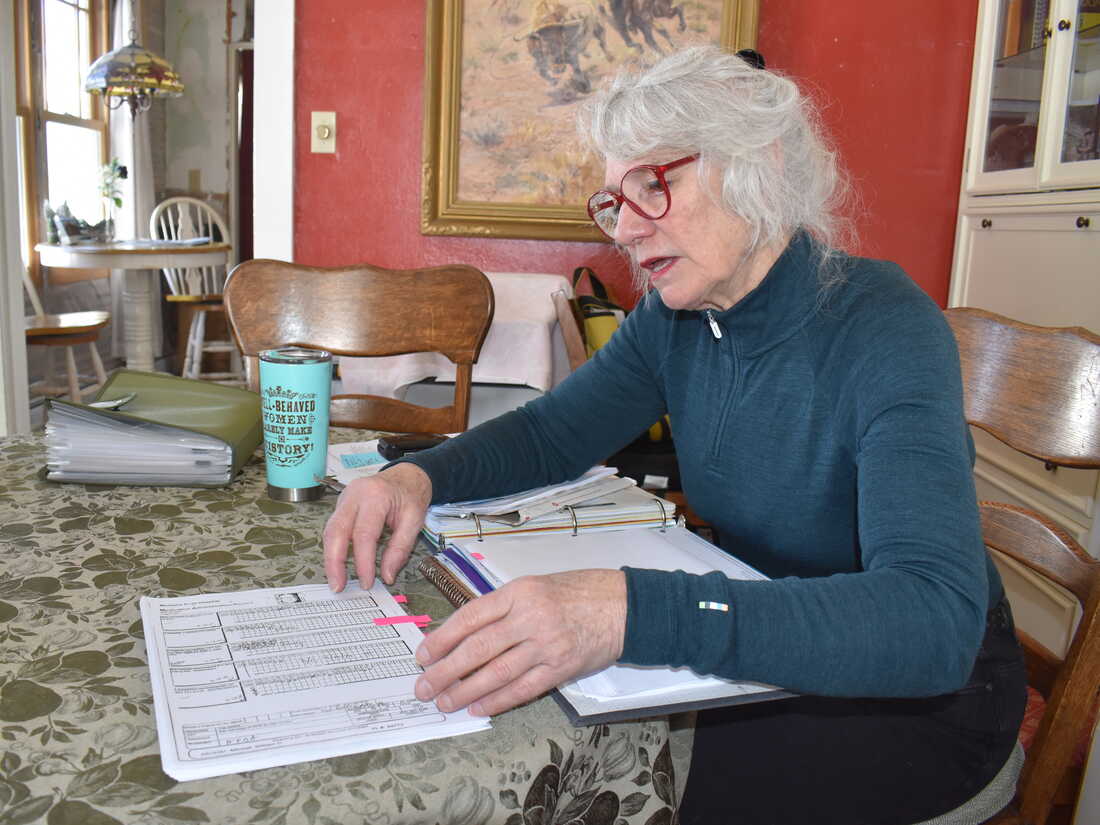
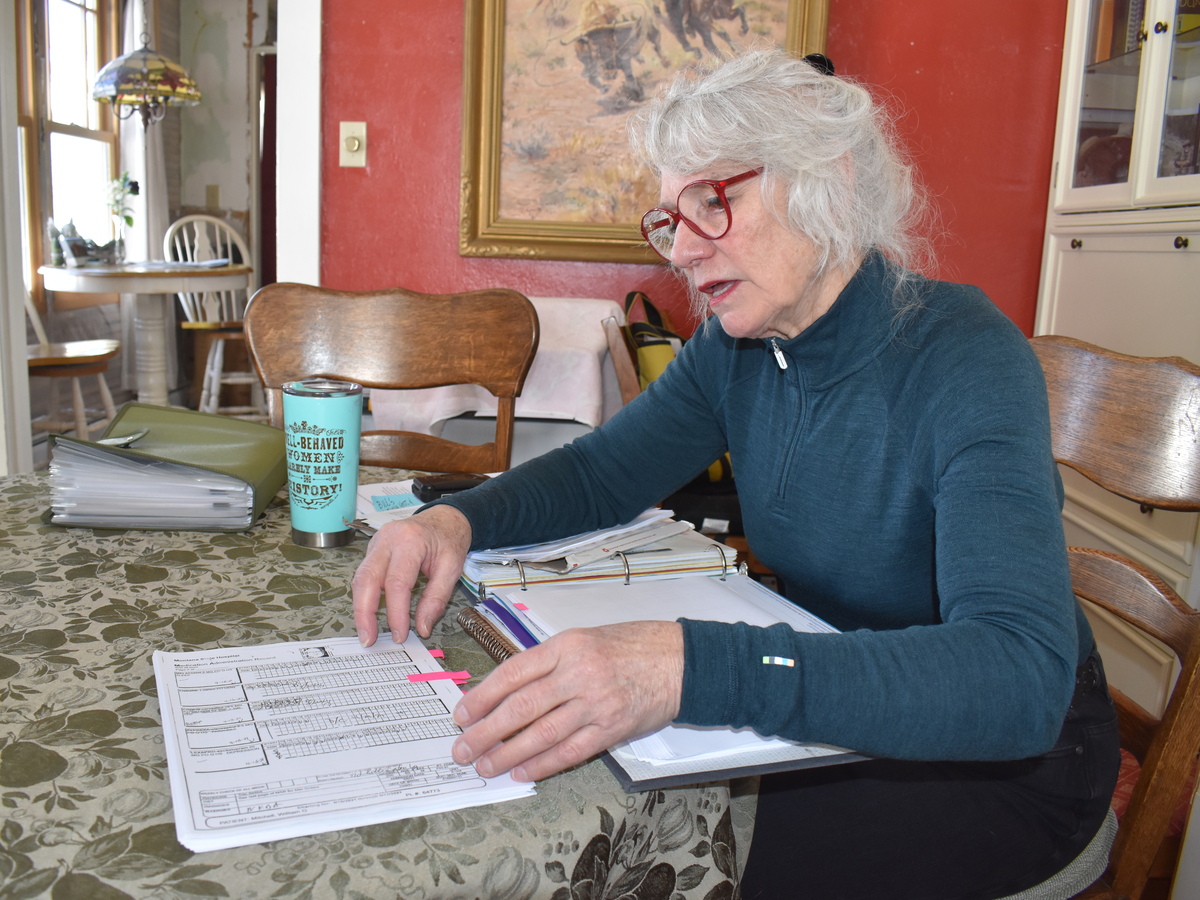
Jennifer Mitchell thumbs through her husband’s medical records from his time at the Montana State Hospital. Records show doctors took Mitchell’s husband off some of his congestive heart failure medications. Mitchell says she was never consulted.

Aaron Bolton/Montana Public Radio


hide caption

toggle caption

Aaron Bolton/Montana Public Radio


Jennifer Mitchell thumbs through her husband’s medical records from his time at the Montana State Hospital. Records show doctors took Mitchell’s husband off some of his congestive heart failure medications. Mitchell says she was never consulted.

Aaron Bolton/Montana Public Radio

BUTTE, Mont. — Jennifer Mitchell remembered getting a call nearly two years ago that her 69-year-old husband, Bill, had crashed his car and had been committed to the Montana State Hospital, the state-run psychiatric hospital for adults about 20 miles from their home in Butte.

Physicians thought Bill Mitchell had dementia and could be a danger to himself or others, according to medical records. But once he was admitted, his wife really began to worry. She couldn’t visit him because of covid-19 restrictions, and she couldn’t get details about the care or the medicine he was receiving.

“I tried to get an idea of what he was taking, not taking. I could not get answers,” Jennifer said.

When Bill was discharged after 60 days, Jennifer discovered he had been taken off some of his congestive heart failure medications. A month later, he went into cardiac arrest and was moved to hospice care. He died on July 30, 2021, a day after his 70th birthday.

The psychiatric hospital in southwestern Montana has been under scrutiny since the federal Centers for Medicare & Medicaid Services decertified it in April 2022 following investigations into patient deaths and assaults. Federal officials found in the investigations that the hospital had failed to meet Medicare’s “basic health and safety requirements.”

Mitchell said that she was infuriated by the lack of transparency around her husband’s care and that she hoped decertification would force a change for the better. But it’s had the opposite effect. When federal oversight and funding of the Montana State Hospital was removed, so too was the ability of the public to learn details surrounding patient deaths and injuries.

Between April’s decertification and the end of December, five Montana State Hospital patients have experienced severe injuries requiring immediate medical care or hospitalization, and there have been eight substantiated abuse and neglect reports, Montana Department of Public Health and Human Services spokesperson Jon Ebelt said.

Six patients died in that period in the 174-bed hospital, though Ebelt declined to say how many deaths were investigated or if any deaths were deemed preventable.

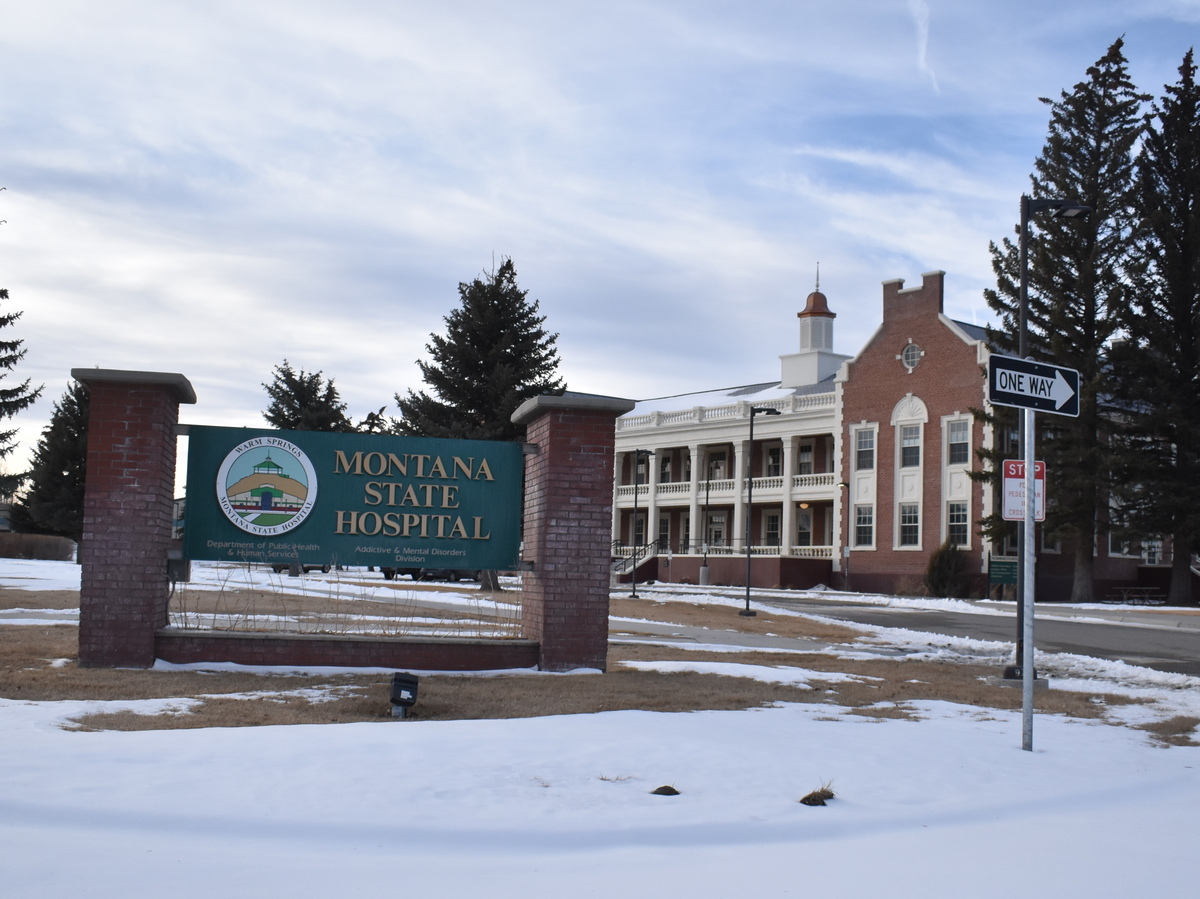
The Montana State Hospital in Warm Springs, Montana, lost federal funding in April 2022 after an investigation into four patient deaths and a violent patient-on-patient assault.

Aaron Bolton/Montana Public Radio


hide caption

toggle caption

Aaron Bolton/Montana Public Radio


The Montana State Hospital in Warm Springs, Montana, lost federal funding in April 2022 after an investigation into four patient deaths and a violent patient-on-patient assault.

Aaron Bolton/Montana Public Radio

The circumstances surrounding all those incidents are not publicly known. That’s because, unlike federal investigations, state-level investigations are not public record.

The state health department denied a public records request for all investigations into Montana State Hospital patient deaths, injuries, and assaults since losing federal certification. Ebelt cited a Montana law that says any records about providing treatment to the seriously mentally ill are confidential and privileged.

States vary widely in what information about abuse and neglect at state-run medical facilities is made public, said David Hutt, deputy executive director for legal services for the National Disability Rights Network.

Hutt noted that the lack of transparency at the Montana State Hospital is unique because it lost federal certification and oversight, which is extremely rare.

State-hired contractors have produced public reports highlighting improvements at the Montana State Hospital, such as a reduction in falls among geriatric patients. But those reports don’t disclose information related to patient deaths, severe injuries, or substantiated abuse and neglect cases, which had led to decertification in the first place.

The lack of information frustrates some lawmakers as they consider state health officials’ and Republican Gov. Greg Gianforte’s request for a $300 million appropriation to overhaul the state’s mental health system and a nearly $20 million request for capital improvements and CMS recertification efforts at the state hospital.

“We’ve stabilized MSH since that decertification with a change in leadership and with no significant increase in deaths, serious injuries, or substantiated abuse or neglect allegations,” state health department Director Charlie Brereton told state senators during his recent confirmation hearing.

State Democratic Rep. Mary Caferro, who serves on committees considering funding requests and other legislation to reform the state hospital, likened the current level of oversight at the state hospital to the fox watching the henhouse.

“The legislature, when we have good information, thorough information, we make better policy that’s in the best interest of the people we represent,” Caferro said.

Mental health experts agree with Caferro.

“We should know the answers to whether people in the hospital are safe,” said Ben Miller, a clinical psychologist and former president of Well Being Trust, a national foundation focused on mental health care.

A bill that passed through the Montana Senate and is before the House would automatically send all abuse and neglect reports at the state hospital to Disability Rights Montana within five days of an incident. The nonprofit is the federally designated advocacy and watchdog organization for people with disabilities in the state. It recently released a report detailing how some patients were discharged to homeless shelters.

Bernie Franks-Ongoy, the organization’s executive director, said that Disability Rights Montana hopes to be able to share general information from the reports with lawmakers and the public, but noted that state law significantly limits what can be made public. Caferro said she’ll seek to amend the bill to make redacted versions of the reports available to lawmakers and the public.

The Montana Mental Disabilities Board of Visitors also has regular access to the facility and patient records, but its last inspection of the state hospital was in 2019 and the next inspection isn’t expected until next year.

Some lawmakers call the oversight adequate.

“I don’t worry so much about the administration at the hospital hiding anything because they really do have the light shown on them constantly with [Disability Rights Montana] and the Board of Visitors,” said Republican Rep. Bob Keenan, who chairs the committee considering funding requests for the state hospital and the state’s mental health system.

Jennifer Mitchell looks through pictures of travels with her husband, Bill. After Bill was discharged from the Montana State Hospital, Jennifer discovered he was taken off some of his congestive heart failure medications. He later suffered a cardiac arrest and died in hospice care.

Aaron Bolton/Montana Public Radio


hide caption

toggle caption

Aaron Bolton/Montana Public Radio


Jennifer Mitchell looks through pictures of travels with her husband, Bill. After Bill was discharged from the Montana State Hospital, Jennifer discovered he was taken off some of his congestive heart failure medications. He later suffered a cardiac arrest and died in hospice care.

Aaron Bolton/Montana Public Radio

Keenan and Gianforte blame the current conditions at the facility and loss of CMS certification at the state hospital on prior Democratic administrations. Federal officials noted serious deficiencies at the Montana State Hospital in 2017, but federal officials later deemed those issues resolved.

If lawmakers approve the mental health funding requests, the administration plans to open two lower-level mental health facilities in the coming years to reduce demand at the state hospital. However, the hospital would remain a key fixture of Montana’s mental health system, according to state health officials. Mental health advocates and many lawmakers agree the state hospital should be saved.

Jennifer Mitchell, the woman whose husband died shortly after his discharge from the state hospital, thinks the hospital is beyond repair and worries more patients will die at the facility. She reflected on how hospital officials frequently changed her husband’s medication in response to his depression and refusal to eat, and said she believes her husband would still be alive today if he hadn’t been committed there.

“There were just so many little mistakes or little things that could have been different, and it would have been a totally different outcome,” she said.

This story is from of NPR’s partnership with Montana Public Radio and KHN. KHN (Kaiser Health News) is a national newsroom that produces in-depth journalism about health issues.

Most young people aren’t getting latest Covid-19 booster, but they’re not filling hospital beds at three large health care systems


CNN
 — 

As the US mulls over its future Covid-19 vaccination plan, data from three large health care systems indicate that even though a small percentage of people under age 65 have gotten the new Covid-19 booster, people this age are not becoming severely ill and overwhelming hospitals.

“Even if they’re not getting boosted, young, healthy people are not getting super sick from this,” said Dr. Mangala Narasimhan, a senior vice president at Northwell Health, the largest health care provider in New York state. “We’re not seeing it. It’s not happening.”

The US Food and Drug Administration has proposed a framework for annual Covid vaccinations for all Americans over the age of 6 months, but at a meeting with its vaccine advisers last month, it did not come up with a concrete plan. Vaccine advisers to the US Centers for Disease Control and Prevention are scheduled to meet February 24 to discuss the future of the US Covid-19 vaccination program.

Uptake of the bivalent booster, which has been available since September, has been low. Nationally, only about 16{bf0515afdcaddba073662ceb89fbb62b6b1bf123143c0e06b788e1946e8c353f} of the population has gotten it, and the rates are especially low for people under 65, according to CDC data.

Narasimhan and doctors at Montefiore Medical Center in New York City and Clalit Health Services, Israel’s largest health care organization, say the relative mildness of current Covid strains, along with a degree of immunity from previous vaccinations and infections, are going a long way toward protecting healthy young people, even if they don’t get the booster.

Dr. Ran Balicer, director of the Clalit Research Institute and chairman of Israel’s Covid-19 National Expert Advisory Panel, noted that at earlier points in the pandemic – for example, when the virulent Delta variant was raging – it was “not responsible” to opt out of the vaccine.

“I don’t think that’s the case anymore,” he said. “I think when you’re under 65 and healthy, it’s a much more complex question, and I think that’s where individual risk assessment and personal preferences come into play.”

Since the new booster became available, about 12{bf0515afdcaddba073662ceb89fbb62b6b1bf123143c0e06b788e1946e8c353f} of all Covid deaths in the US have been among people younger than 65, according to CDC data.

A report released by the CDC on Thursday analyzed death rates and vaccination status from September through December. It showed that people who were vaccinated – either with only the original vaccine or with an updated booster in addition – were better protected than those who were unvaccinated.

The updated booster helps protect against both the original strain of the coronavirus and more recent Omicron strains. It was particularly effective at reducing death rates in older people and less effective for younger people. For adults younger than 65, the bivalent booster offered at least three times better protection from death than just the original vaccine – but the difference in death rates was less than one in a million.

The CDC recommends the updated booster to everyone over age 6 months, but a government advertising campaign focuses on the importance of the shot for people over 50.

“We’re not surprised, and we’re grateful [and] happy to see that hospitals aren’t filling up” with people under age 65, said Dr. Ruth Link-Gelles, a CDC senior epidemiologist and lead author of several studies on the booster’s effectiveness. “But we still see occasionally healthy younger adults end up in the hospital. And to me, it’s a no-brainer if I can take five minutes, pop into my local pharmacy and get a shot.”

“There are people under 65 that are still dying of Covid, (and) any death in an unvaccinated or under-vaccinated person is potentially preventable had that person gotten the booster,” she added.

Link-Gelles said the CDC wants to avoid overly complicated guidelines for the new booster, with different suggestions for different age groups.

“We generally across the board see higher uptake of vaccination with simpler vaccine recommendations,” she said. “That’s one of the things we’re trying to accomplish here.”

In October, as President Joe Biden rolled up his sleeve to get the new booster, he urged other Americans to do the same.

For people who are fully vaccinated, “our nation’s health experts recommend that they get the updated Covid vaccine once a year,” Biden said at a White House briefing. “Nearly every death is preventable [so] get your updated Covid shot.”

By and large, Americans haven’t listened. While 41{bf0515afdcaddba073662ceb89fbb62b6b1bf123143c0e06b788e1946e8c353f} of those over age 65 have received the booster, only 12{bf0515afdcaddba073662ceb89fbb62b6b1bf123143c0e06b788e1946e8c353f} of those ages 5 to 64 have opted to get it, according to CDC data.

Data from the three large health care systems in New York and Israel since September 1 indicate that the low booster uptake for people under 65 has not led to high Covid hospitalization rates for this group.

At Northwell, about 1,224 patients under the age of 65 have been admitted with severe Covid-19 in that time period.

“This is a large hospital system with [21] hospitals, so this is a small number in the big picture of Northwell,” Narasimhan said.

Of the patients under 65 hospitalized with Covid, half had never received a Covid-19 vaccine shot of any kind, 42{bf0515afdcaddba073662ceb89fbb62b6b1bf123143c0e06b788e1946e8c353f} had had one or two shots, and 7{bf0515afdcaddba073662ceb89fbb62b6b1bf123143c0e06b788e1946e8c353f} had had three shots; 72{bf0515afdcaddba073662ceb89fbb62b6b1bf123143c0e06b788e1946e8c353f} also had underlying health conditions such as high blood pressure, diabetes or heart disease, according to an analysis done by Northwell for CNN.

At Montefiore Medical Center, about 300 patients under age 65 were hospitalized for Covid-19. Among those, 32{bf0515afdcaddba073662ceb89fbb62b6b1bf123143c0e06b788e1946e8c353f} were unvaccinated, 10{bf0515afdcaddba073662ceb89fbb62b6b1bf123143c0e06b788e1946e8c353f} were partially vaccinated, and 58{bf0515afdcaddba073662ceb89fbb62b6b1bf123143c0e06b788e1946e8c353f} were fully vaccinated; 82{bf0515afdcaddba073662ceb89fbb62b6b1bf123143c0e06b788e1946e8c353f} also had underlying conditions, according to Dr. Inessa Gendlina, an infectious disease expert and assistant professor at Einstein Montefiore Department of Medicine.

At Clalit, 1.2{bf0515afdcaddba073662ceb89fbb62b6b1bf123143c0e06b788e1946e8c353f} of 4.5 million members under the age of 65 have opted to get the updated booster, according to Balicer. Covid hospitalization rates for that age group have been “low” since September: less than 5 per 100,000 people per month.

In the US, Covid hospitalization rates are trending down, with an average of about 3,800 new admissions each day for people of all ages, less than 1,000 of which have been among people under age 60, as of the last week of January, according to the CDC. That data includes patients who were hospitalized for reasons unrelated to the virus but who tested positive while hospitalized, according to the agency.

The strength of the Northwell, Montefiore and Clalit data is that they’re large systems that make a distinction between patients who were hospitalized specifically because of Covid and those who incidentally tested positive for Covid while in the hospital for a different reason.

When the bivalent booster came out in September, Balicer, the chairman of Israel’s Covid-19 National Expert Advisory Panel, did not get it.

“I am not in any risk group, and I’m below 65, so I did not hurry to take my bivalent,” said Balicer, who is in his late 40s and does not provide direct care to patients.

His reasoning was that if he didn’t get the booster and came down with Covid, he probably would not get very sick given the relative mildness of the prevailing strain, some immunity from his three previous vaccinations and a bout with Covid last year. Also, he figured that if he did get the booster, it probably would not provide long-term protection from infection.

“Because I was vaccinated before, I know my risk of severe morbidity is very low” even without the booster, he said. “And I know that the protection from infection that I will get from the additional booster will be short-term – a few months.”

But in late November, Balicer decided to get the shot because he had to travel abroad to attend “long and important” meetings, which involved several 12-hour flights and sitting with large groups of people in small rooms with little ventilation.

“I did not want to risk becoming ill with Covid during that stay. I made a personal risk assessment” to get the vaccine, even though he knew he might feel a bit sick the day after getting it, he said.

Some experts interviewed by CNN say that although the booster is important for elderly and for immune-compromised people, the decision whether to get it is somewhat murky for younger, healthy people.

Narasimhan, 51 and a pulmonary and critical care specialist at Northwell, said although there’s data showing that the shot protects people over age 65 and those who are immune-compromised from dying or ending up in the hospital, “young, healthy people don’t necessarily need to get boosted.”

She said she and her young adult children got the booster because they live with a frail, elderly relative, and they want to do everything they can to decrease their chances of getting infected and passing it to him. But she said people in different situations might not make the same decision.

Dr. Nadav Davidovitch, 53, head of the School of Public Health at Ben-Gurion University of the Negev in Israel, said he got the booster and urged his family members to get it.

“I told them it’s a good idea. But when I’m talking to someone over 50 or who has chronic conditions, I’m pushing it more,” he said. “For young people, it’s a matter of choice. There are different personalities and risk perceptions. I won’t say it’s a major mistake for a person who’s 20-something not to get the booster.”

For young, healthy people, personal circumstances matter, he said.

“It’s the context of who you’re living with and visiting, so for example, maybe for health workers, it would be more important to get it,” said Davidovitch, who chairs the Covid-19 Task Force at the Association of Public Health Schools in the European Region.

Data shows that the booster provides “a modest degree of protection” against symptomatic Covid compared to those who’d been previously vaccinated, and “it’s likely that increased vaccination among all or most people helps slow the spread of disease and reduce the chances they infect someone at high risk of severe disease,” according to a statement from CDC spokesperson Kristen Nordlund.

However, experts interviewed by CNN questioned whether the protection conferred by the booster is sufficient to prevent transmission of the virus.

Dr. Michael Osterholm, director of the Center for Infectious Disease Research and Policy at the University of Minnesota, said that although it’s “noble” to think that getting the booster will help protect others, the shot is much less effective at preventing transmission compared with the original vaccine at earlier points in the pandemic.

“Your chances of getting infected are altered very little with the [booster], so you can’t say with any scientific integrity that protecting others is why you should get it,” said Osterholm, who in a recent podcast emphasized the importance of getting boosted if you’re at higher risk for serious illness.

“My focus is on people who are 65 and older and those who are immune-compromised. That’s who I think really should get” the booster, Osterholm told CNN, noting that more people in those groups need to go out and get the shot.

On one end of the spectrum of debate over the booster, Dr. Paul Offit, a member of the FDA’s Vaccines and Related Biological Products Advisory Committee, has argued against campaigns to convince healthy young people to get the shot.

“Booster dosing is probably best reserved for the people most likely to need protection against severe disease – specifically, older adults, people with multiple coexisting conditions that put them at high risk for serious illness, and those who are immunocompromised,” Offit, a pediatric infectious disease specialist at the University of Pennsylvania, wrote last month in the New England Journal of Medicine.

“In the meantime, I believe we should stop trying to prevent all symptomatic infections in healthy, young people by boosting them with vaccines containing mRNA from strains that might disappear a few months later,” he added.

Offit, who notes that he’s 71 and has no underlying health issues, did not get the new booster. He has had three doses of the original vaccine and contracted Covid once and he says he would have considered himself protected against severe disease with either three doses of the original vaccine or two doses plus an infection.

On the other end of the spectrum, some experts do think it’s important for young, healthy people to get the new booster.

“I strongly encourage those under 65 to get the booster, especially those in the 40 to 64 range,” said Dr. Peter Hotez, a vaccinologist whose team at Texas Children’s Hospital developed a Covid-19 vaccine used in India and Indonesia. “You can still see a lot of severe Covid, and long Covid can occur with any infection.”

Gendlina, the infectious disease doctor at Montefiore, who is in her mid-40s, said she got the booster as soon as it came out and recommended it to her family, including her teenage son.

“As we’re stepping away from masking, it’s more and more important to get vaccinated,” she said.

Link-Gelles, the CDC epidemiologist, is 38, and she says she got the booster for several reasons, including that her husband is immune-compromised, they have a daughter in day care and they visit elderly relatives.

“Vaccination to me seems like a slam dunk,” she said. “It’s very easy to get, [and] you don’t have to worry again for a while. It’s not going to be perfect, but it is going to provide you some degree of protection and therefore protection against infecting someone else.”

The hospital treating her baby was in-network, but another hospital charged her : Shots

The hospital treating her baby was in-network, but another hospital charged her : Shots

Brenna Kearney plays with her daughter, Joey, at home in Chicago. When Kearney was pregnant, she developed a rare type of preeclampsia and had to undergo an emergency cesarean section. Joey was discharged after a 36-day stay in the NICU.

Taylor Glascock for KHN


hide caption

toggle caption

Taylor Glascock for KHN


Brenna Kearney plays with her daughter, Joey, at home in Chicago. When Kearney was pregnant, she developed a rare type of preeclampsia and had to undergo an emergency cesarean section. Joey was discharged after a 36-day stay in the NICU.

Taylor Glascock for KHN

Brenna Kearney was seven months pregnant in December 2019 when she experienced what she thought were bad flu symptoms.

Her husband, Casey Trumble, drove her from their Chicago home to her OB-GYN’s office at Northwestern Medicine Prentice Women’s Hospital downtown. With suddenly elevated blood pressure and protein in her urine, she was diagnosed with preeclampsia, a potentially fatal but treatable pregnancy complication. Doctors admitted her to the hospital, saying she could expect to stay up to six weeks and have an induced delivery.

Then Kearney developed a bad headache and her blood platelet count plummeted, signs she was experiencing a rare, dangerous type of preeclampsia and required an immediate delivery by cesarean section.

Casey Trumble shows a photo of his daughter, Joey, after her premature birth in 2019. Her parents later learned she was treated in her Chicago hospital’s NICU by out-of-network neonatologists from the children’s hospital next door.

(Taylor Glascock for KHN)


hide caption

toggle caption

(Taylor Glascock for KHN)


Casey Trumble shows a photo of his daughter, Joey, after her premature birth in 2019. Her parents later learned she was treated in her Chicago hospital’s NICU by out-of-network neonatologists from the children’s hospital next door.

(Taylor Glascock for KHN)

Kearney’s daughter, Joey, born at 31 weeks, was placed on a ventilator and moved to the hospital’s neonatal intensive care unit. Small but healthy, she slowly began breathing on her own and eating normally. She was discharged in late January 2020, after 36 days in the NICU.

Then the bill came.

The Patient: Josephine “Joey” Trumble, now 3, was covered by her mother’s health plan through her employer, an advertising agency. For 2019, it was an Aetna plan, and for 2020, it was a plan from Blue Cross and Blue Shield of Illinois. Both policies were fully insured plans governed by Illinois laws.

Medical service: Neonatology physician services provided in January 2020. Joey needed tube feeding and ventilator care to provide oxygen.

Service rovider: Ann & Robert H. Lurie Children’s Hospital of Chicago, whose staff physicians treated Joey at Northwestern Medicine Prentice Women’s Hospital. Ownership-wise, Lurie is independent of Northwestern Medicine, but it is physically connected to Prentice Women’s by an enclosed walkway. Lurie has a collaboration agreement with Northwestern Medicine to provide neonatology and pediatric physician services to Prentice Women’s patients.

Total bill: Aetna paid for nearly all of Joey and her mother’s hospital and physician charges in December, while Blue Cross picked up nearly all of Joey’s hospital charges in January. Physician charges from Lurie in January totaled $14,624.55, of which the family was asked to pay $12,531.58 after payments from Blue Cross.

What gives: It took Kearney months of calls to Blue Cross and the two hospitals to find out why Lurie billed more than $14,000 for physician services: The physicians treating her daughter at Prentice Women’s — an in-network hospital under her health plan — actually worked for a separate, out-of-network hospital.

Illinois law bars insurers from charging patients out-of-network rates for neonatal care at in-network hospitals.

Kearney said no one had told her or her husband that Lurie doctors were treating their daughter. She said the family never signed an agreement consenting to receive care from out-of-network doctors.

Though it did not happen here, many patients unknowingly sign broad financial agreements — saying they’ll pay for almost anything their insurance doesn’t cover — in the piles of paperwork they receive upon admission to a hospital. In many cases, they are simply asked to sign on a screen, without seeing the document.

Blue Cross agreed to pay Lurie the in-network rate for the doctors’ services, reducing the bill to about $12,500 — which Lurie expected the family to pay.

In November 2020, Kearney started receiving letters from ICS Collection Service, a collection agency.

“Talking to Blue Cross was impossible, and Lurie said it’s not their problem and just wanted to put us on a payment plan,” Kearney said.

Details of the out-of-network medical bills totaling about $12,500 that Brenna Kearney and husband Casey Trumble received after their daughter, Joey, was born prematurely in 2019.

Taylor Glascock for KHN


hide caption

toggle caption

Taylor Glascock for KHN


Details of the out-of-network medical bills totaling about $12,500 that Brenna Kearney and husband Casey Trumble received after their daughter, Joey, was born prematurely in 2019.

Taylor Glascock for KHN

Joey’s 36-day stay in the NICU happened before the federal government implemented the No Surprises Act barring surprise out-of-network billing. A state law prohibiting it, though, was in effect.

Since 2011, Illinois law has prohibited insurers from charging out-of-network rates for neonatologists, anesthesiologists, and certain other physicians when patients are treated at in-network hospitals.

Kearney said she repeatedly mentioned the law to Lurie and Blue Cross representatives, who denied knowledge of the provision.

“It definitely appears that under the 2011 law, Brenna can only be billed for in-network cost sharing,” said Kathy Mikos, a registered nurse and patient advocate with the Navocate Group in Woodridge, Illinois, who is not involved with Kearney’s case.

In December 2020, an insurance broker working for Kearney’s employer persuaded Blue Cross to pay the full out-of-network charges for the Lurie doctors, leaving the family owing $289.63 for coinsurance, which they promptly paid.

Having spent nearly the first year of her daughter’s life fighting medical bills from her birth, Kearney thought the ordeal was over.

Then, last month, she got a call from the collection agency, which again demanded payment at the full out-of-network rate for Lurie physician services provided to her daughter three years ago — the bill she believed Blue Cross had paid.

It took five hours on the phone for Kearney to piece together what had happened. Blue Cross had indeed paid the out-of-network charges in December 2020 — but, two days later, had taken back the money, ultimately paying Lurie’s doctors only the in-network rate.

A Lurie representative said Kearney and her husband still owed thousands of dollars. A Blue Cross representative suggested she set up a payment plan.

“I was at wits’ end, and I didn’t know how to fight this anymore,” Kearney said.

Lurie, Blue Cross, and Northwestern Medicine did not respond to numerous requests from KHN for comment. Lurie cited patient privacy, despite receiving a release from Kearney regarding the federal Health Insurance Portability and Accountability Act, or HIPAA, which authorized the hospital to discuss Joey’s case with KHN.

Joey Trumble was born prematurely in 2019 at Northwestern Medicine Prentice Women’s Hospital in Chicago. Unbeknownst to her parents, she was treated in the NICU by doctors from Lurie Children’s Hospital next door — and charged despite a state law protecting patients from such out-of-network billing.

Taylor Glascock for KHN


hide caption

toggle caption

Taylor Glascock for KHN


Joey Trumble was born prematurely in 2019 at Northwestern Medicine Prentice Women’s Hospital in Chicago. Unbeknownst to her parents, she was treated in the NICU by doctors from Lurie Children’s Hospital next door — and charged despite a state law protecting patients from such out-of-network billing.

Taylor Glascock for KHN

The resolution: After KHN contacted Lurie and Blue Cross, a Lurie representative called Kearney offering to accept payment at the in-network rates after all.

Kearney said Tracy A. Spicer, manager of consolidated services at Lurie, told her Lurie has a “long-standing policy” of accepting in-network rates for Lurie physician services provided at Prentice Women’s. Spicer subsequently described it as a “long-standing courtesy,” then explained that acceptance of in-network rates was subject to “case-by-case consideration,” Kearney said.

Spicer said the family owed about $3,000, for their coinsurance share, and offered to set up a payment plan.

A day later — following additional requests by KHN for comment — Spicer called Kearney and said she would remove all physician charges for her daughter’s care. Spicer did not return KHN’s call seeking comment.

“I’m certain I’m not the only person still dealing with this” kind of predicament, Kearney said.

Kearney has filed complaints with the Illinois Department of Insurance and the Illinois Attorney General’s Office. The attorney general’s office told KHN it had never enforced the 2011 law barring certain out-of-network billing.

Presented with the facts of Kearney’s case, state Sen. Ann Gillespie, who sponsored a 2022 state law expanding consumer protections against out-of-network bills, told KHN she plans to contact Lurie, Blue Cross, and Northwestern Medicine to ask about their billing arrangement and whether they are in compliance with state law.

“We’ll see if it was a pattern and whether they need to look back and see if refunds are warranted,” Gillespie said.

The attorney general’s office told KHN it will investigate Kearney’s complaint, including whether Lurie violated the state Consumer Fraud and Deceptive Business Practices Act by telling her it was extending a “courtesy” by charging her only in-network rates, when that is what the 2011 law required. The insurance department also said it would investigate the complaint.

Brenna Kearney and husband Casey Trumble at home with daughter Joey, 3, and their 5-month-old son. Joey was born prematurely in 2019 and, unbeknownst to her parents, treated in the NICU by doctors from a neighboring hospital, Lurie Children’s.

Taylor Glascock for KHN


hide caption

toggle caption

Taylor Glascock for KHN


Brenna Kearney and husband Casey Trumble at home with daughter Joey, 3, and their 5-month-old son. Joey was born prematurely in 2019 and, unbeknownst to her parents, treated in the NICU by doctors from a neighboring hospital, Lurie Children’s.

Taylor Glascock for KHN

The Takeaway: Even resourceful consumers who appear to have the law on their side, like Kearney, may find themselves in a losing, time-consuming battle with medical billing bureaucracies and facing collection actions.

Gillespie, the state senator, said Lurie, Northwestern Medicine, and Blue Cross should have known about the state law. She said patients who believe they have been improperly charged should file complaints with their state’s insurance department, which can trigger a broader investigation.

The federal No Surprises Act, which took effect last year, prohibits medical providers or insurers from billing patients for out-of-network physician charges at an in-network hospital, unless the patient formally consents to an out-of-network doctor. To be safe, patients should ask treating doctors whether they are in or out of network, even at an in-network hospital.

While the federal law offers patients new protections from out-of-network bills, many Americans still face problems from before the law took effect, said Loren Adler, associate director at the USC-Brookings Schaeffer Initiative for Health Policy. Illinois is one of relatively few states that had prior laws to protect consumers.

Also, some out-of-network physicians continue to bill patients, despite the new federal protections. So know your rights. Cite the new law. And don’t write the check.

KHN (Kaiser Health News) is a national newsroom that produces in-depth journalism about health issues. Together with Policy Analysis and Polling, KHN is one of the three major operating programs at KFF (Kaiser Family Foundation). KFF is an endowed nonprofit organization providing information on health issues to the nation.

A health insurance alternative left a pastor with a big hospital bill : Shots

A health insurance alternative left a pastor with a big hospital bill : Shots

Jeff and Kareen King received a hospital bill for $160,000 a few weeks after Jeff had a procedure to restore his heart rhythm.

Bram Sable-Smith/KHN


hide caption

toggle caption

Bram Sable-Smith/KHN


Jeff and Kareen King received a hospital bill for $160,000 a few weeks after Jeff had a procedure to restore his heart rhythm.

Bram Sable-Smith/KHN

Kareen King calls it “the ultimate paradox”: The hospital that saved her husband Jeff’s heart also broke it.

What Happened Jeff King, of Lawrence, Kan., needed his heart rhythm restored to normal with a procedure called an ablation — sooner rather than later, his doctor said. Jeff asked the hospital for a cost estimate, but said he didn’t hear back before his scheduled surgery in January 2021 at Stormont Vail Health in Topeka, Kan.

The real pain came when the bill arrived in the mail a few weeks later. The Kings, who were uninsured at the time, were on the hook for nearly all of the cost.

Jeff King, 63, Lawrence, Kan.

Approximate Medical Debt: $160,000

Medical Issue: Heart ablation

Jeff and Kareen King received the bill for $160,000 a few weeks after Jeff had the procedure to restore his heart rhythm. The Kings were initially on the hook for almost all of it.

Instead of signing up for traditional health insurance, the Kings had joined what’s called a “medical cost-sharing plan” with a company called Sedera, which describes its service as a “refreshing non-insurance approach to managing large and unexpected health care costs.” With this alternative to health insurance, members agree to share one another’s expenses. The plans are often faith-based and have surged in popularity in recent years because they can be cheaper than traditional insurance — the Kings said their plan cost $534 a month, plus an additional $118 a month to join a direct primary care medical practice.

But the sharing plans offer fewer protections than insurance and come with provisos. The Kings said their plan did not fully cover preexisting conditions like Jeff’s heart condition for the first two years of coverage — and he needed the surgery after 16 months.

In a statement a Sedera spokesperson said it’s important that members understand the cost-sharing model and membership guidelines. “Sedera members read and agree to these prior to joining,” the statement read.

The Kings have dabbled in all sorts of health coverage in their 42 years of marriage. Jeff’s work as an evangelical pastor in his hometown of Osage City, Kan., almost never provided insurance for the couple or their five children, all of whom are now grown. The exception came during Jeff’s most recent stint leading a congregation, starting in 2015. Kareen remembered feeling “unworthy” of the $1,800 a month the congregation paid for their insurance.

“We certainly had never come up with those kinds of premiums ourselves,” she recalled.

But Jeff decided he had to leave that job in 2018. He said he felt forced out over differences with some of his congregants on eternal damnation (“As a loving parent, I could never punish my child forever”) and gay marriage (“Maybe God is a whole lot more inclusive than we are”).

After Jeff resigned, the Kings briefly bought insurance through the Affordable Care Act marketplace, but later dropped it because they weren’t eligible for subsidies and felt they couldn’t afford it.

That’s when they joined the Sedera plan. They knew the preexisting condition clause was a gamble, but medication had managed Jeff’s heart condition for years, and they didn’t expect he’d need medical procedures to address it.

What’s Broken: Without employer-sponsored insurance or federal subsidies to help fund their coverage, the Kings felt priced out of traditional insurance. But being uninsured left them exposed to hospital charges that ordinary patients typically never see.

Hospital charges are generally understood by health economists to bear little resemblance to the actual prices that are typically paid. Instead, they are more of an opening salvo in the high-stakes negotiations between hospitals trying to get as much money as they can for providing care and insurance companies trying to pay as little as possible.

But patients lack the bargaining power of large insurers, which may cover hundreds of thousands of patients in any given hospital’s catchment area. For patients like Jeff, the main recourse is to go through a hospital’s financial assistance program, although even with that help many patients can’t afford the bills hospitals send them.

Stormont Vail’s assistance program eventually knocked about $107,000 off Jeff’s original bill a few months later. Sedera provided a negotiator to help him haggle over costs.

Stormont Vail provided $19.5 million in financial assistance in tax year 2020 and wrote off about $13 million in bad debt, according to tax filings. Its net revenue from patient services was $838.7 million.

Bill Lane, a Stormont Vail administrator, said that in addition to providing financial assistance, the hospital works with patients facing high bills and offers payment plans with zero interest. Payments are often in the range of 10{bf0515afdcaddba073662ceb89fbb62b6b1bf123143c0e06b788e1946e8c353f} of a person’s monthly income,” Lane said. For some patients the hospital has a “catastrophic discount” program that caps their balance at 30{bf0515afdcaddba073662ceb89fbb62b6b1bf123143c0e06b788e1946e8c353f} of their gross household income. The hospital also works with a local bank to provide loans to patients to pay their bills. And the hospital sometimes sends patient balances to debt collection agencies.

Lane said he generally recommends that patients carry traditional insurance. He also said the hospital offers a “patient estimates module” and suggests patients wait to schedule surgery, if possible, if they want an estimate “to make an informed decision.”

What’s Left: Despite Sedera’s two-year waiting period to cover preexisting conditions, the plan did give Jeff $15,000 to help with his bills. After Jeff paid that to the hospital and then negotiated for several months, his final balance was reduced to $37,859.34 in November 2021.

For his payment plan, Jeff said he was told the hospital would accept no less than $500 per month — the equivalent of an additional mortgage payment for the Kings. Jeff estimates it will take the family more than six years to pay it off.

“I never expected this to not cost me anything,” Jeff said, “but I wasn’t expecting what it turned out to be either.”

The Kings are piecing together the funds to pay what they owe the hospital. A few months after Jeff’s ablation, they sold their home in Osage City — where they raised five children and where Jeff grew up — and bought a smaller house in Lawrence. They had hoped to use that money to build their retirement account, since Jeff’s decades of pastoral work didn’t include a pension or 401(k).

Instead, the home sale is helping pay Jeff’s medical debt. Kareen has part-time jobs, and the couple leveraged their life insurance policy, as well.

Jeff began work as a hospice chaplain — for the extra income, but especially to qualify the couple for health insurance. That meant less time for his passion project, running a nonprofit called Transmuto through which he provides spiritual guidance.

In February, Kareen checked again on whether the couple could afford Affordable Care Act insurance so Jeff could get back to Transmuto full time. Her Google searches for the federal government’s health insurance marketplace (HealthCare.gov) instead unwittingly landed her on websites that sell consumer information to insurance brokers. Speaking to one of those brokers on the phone, she bought what she said she was told was an Aetna plan. But it turned out to be a membership in a cost-sharing plan with a company called Jericho Share, which has received over 160 complaints on the Better Business Bureau website in the past year.

Jericho Share spokesperson Mark Hubbard said in a statement that the organization is “issuing full refunds when there is consumer confusion” and is continuing to “evaluate and update our marketing efforts to increase transparency and awareness.”

Hubbard also said Jericho Share is cooperating with regulators in California and New Hampshire that have questioned whether the organization meets state requirements of a health care sharing ministry. California is also questioning whether Jericho Share has indeed received 501(c)(3) nonprofit status from the IRS.

After canceling that plan and getting their money back, the Kings eventually did sign up for an ACA marketplace plan. Jeff has reduced his hours as a chaplain, freeing up more time for Transmuto. All in all, the couple feels pretty fortunate.

“It’s just so tragic the way our system is,” Jeff said. “It puts so many people into impossible financial straits.

KHN (Kaiser Health News) is a national, editorially independent program of KFF (Kaiser Family Foundation).