COVID-19 Related Medical Devices: FDA Finalizes Transition Plan Guidance

On March 27, 2023, the U.S. Food & Drug Administration (FDA) released two final guidance documents to assist with transitioning medical devices: (i) that were subject to certain enforcement policies issued during the COVID-19 Public Health Emergency (PHE), and (ii) that were issued emergency use authorizations (EUAs). These guidance documents finalize the corresponding draft guidance documents that were issued on December 23, 2021. In a previous post, we discussed several key takeaways from the draft versions of these transition guidance documents.

“Transition Plan for Medical Devices That Fall Within Enforcement Policies Issued During the Coronavirus Disease 2019 (COVID-19) Public Health Emergency” Final Guidance

In the “Transition Plan for Medical Devices That Fall Within Enforcement Policies Issued During the Coronavirus Disease 2019 (COVID-19) Public Health Emergency” final guidance, the FDA discusses the transition plan for medical devices that were subject to certain enforcement policies issued during the PHE. FDA confirms that the policies listed in the guidance, which are set forth in List 1 thereto, will remain in effect until 180 days after the end of the PHE. The PHE declaration is scheduled to expire on May 11, 2023. Therefore, the enforcement policies identified in List 1 will no longer be in effect after November 7, 2023.

In the guidance, the FDA provides recommendations for a “phased transition process” with respect to devices that fall within the expiring COVID-19 PHE enforcement policies. The FDA summarizes the three phases of the 180-day transition plan as follows:

  • Phase 1 (May 11, 2023): Manufacturers should follow adverse event reporting requirements as described in 21 C.F.R. § 803.
  • Phase 2 (August 9, 2023): If planning to continue to distribute their devices after Phase 2, manufacturers need to adhere to registration and listing requirements (21 C.F.R. § 807 Subparts B-D) and should adhere to requirements associated with reports of corrections and removals (21 C.F.R § 806).
  • Phase 3 (November 7, 2023): In Phase 3 the enforcement policies identified in List 1 will no longer be in effect. FDA states it does not intend to object to continued distribution of devices where a required marketing submission has been submitted and accepted by FDA before the start of Phase 3, and FDA has not taken a final action on the marketing submission. FDA further indicates that it does not intend to object to the devices not complying with certain unique device identification (UDI) systems requirements and other applicable labeling requirements described in 21 C.F.R. § 801.

FDA recommends manufacturers submit a “Transition Implementation Plan” with their marketing submissions (if needed) that addresses the manufacturer’s plans for addressing devices already distributed, which plans need to include actions to be taken in the event either a positive or negative decision by the FDA on the marketing submission. Furthermore, FDA strongly encourages manufacturers to complete and submit these submissions well in advance of the start of Phase 3. This is recommended to avoid potential delays created by a large influx of new submissions.

“Transition Plan for Medical Devices Issued Emergency Use Authorizations (EUAs) Related to Coronavirus Disease 2019 (COVID-19)” Final Guidance

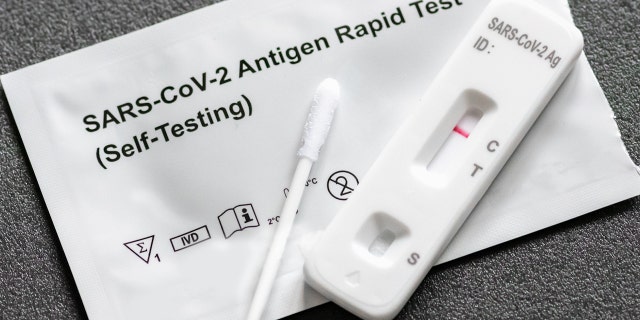
In the “Transition Plan for Medical Devices Issued Emergency Use Authorizations (EUAs) Related to Coronavirus Disease 2019 (COVID-19)” final guidance (“EUA Guidance”), the FDA confirms that the end of the PHE will not automatically terminate EUAs. Instead, these EUAs will remain in effect until the relevant EUA declaration is terminated, or the FDA otherwise revokes a specific EUA. 

The EUA Guidance includes recommendations for certain reusable life-supporting or life-sustaining devices, devices distributed after the EUA termination date, laboratory developed tests, and EUA-authorized in vitro diagnostics subject to Clinical Laboratory Improvement Amendments of 1988 categorization and waivers. With respect to certain reusable life-supporting or life-sustaining devices, FDA requests manufacturers of such devices to submit information regarding whether or not they intend to submit marketing submissions to continue distributing the device(s) after the applicable EUA termination date.

Furthermore, FDA states in the EUA Guidance that it will not object to the continued distribution of devices after the device’s applicable EUA termination date if (1) the manufacturer has submitted a marketing submission that is accepted by FDA prior to the EUA termination date, and (2) FDA has not taken final action on the marketing submission. Therefore, it is recommended that manufacturers of these devices submit marketing submissions well in advance of the EUA termination date.

Foley is here to help you address the short- and long-term impacts in the wake of regulatory changes. We have the resources to help you navigate these and other important legal considerations related to business operations and industry-specific issues. Please reach out to the authors, your Foley relationship partner, or to our Health Care Practice Group with any questions.

COVID-19 pandemic expected to end this year ‘as a public health emergency,’ says World Health Organization

The director of the Entire world Well being Group (WHO) announced on Friday that he is “confident” the COVID-19 pandemic will conclusion in 2023.

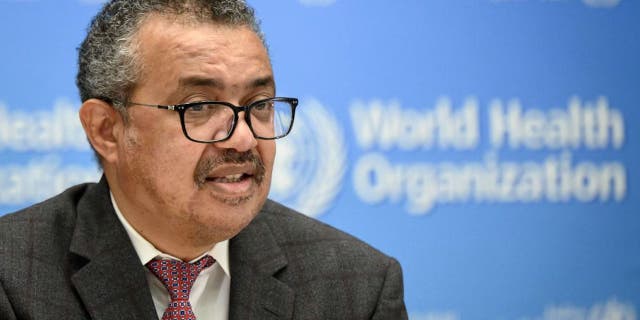
Director-Standard Dr. Tedros Adhanom Ghebreyesus made the reviews to reporters at a media briefing in Geneva.

“We are definitely in a much better place now than we have been at any time in the course of the pandemic,” Dr. Ghebreyesus claimed. 

He mentioned that in the past 4 months, the weekly range of documented fatalities has been reduce than it was just before the pandemic was declared in March 2020.

More mature People in america REJECT Extra VACCINES, Choose As a substitute FOR ‘NATURAL Healing,’ Claims REPORT

“I am assured that this yr, we will be able to say that COVID-19 is around as a community well being unexpected emergency of global issue,” he extra.

COVID-19 instances and fatalities proceed to pattern downward all over the world. 

COVID-19 pandemic expected to end this year ‘as a public health emergency,’ says World Health Organization

Globe Wellness Corporation (WHO) Director-Basic Tedros Adhanom Ghebreyesus announced on Friday he is “assured” the COVID-19 pandemic will conclusion in 2023. (iStock)

As of March 6, weekly fatalities stood at 5,048 globally.

That’s a lower of additional than 26{bf0515afdcaddba073662ceb89fbb62b6b1bf123143c0e06b788e1946e8c353f} from the prior 7 days — and down from a peak of 102,000 deaths in January 2021, for every info from WHO.

Weekly instances of COVID-19 are down to 812,255 globally, a 21.65{bf0515afdcaddba073662ceb89fbb62b6b1bf123143c0e06b788e1946e8c353f} lessen above the prior 7 days. They peaked at 44.3 million in December 2022.

“Very last week, there were even now a lot more than 5,000 noted deaths.”

In the U.S., as of March 15, weekly scenarios were down to 149,955, right after peaking at 5.6 million on Jan. 19, 2022, for every knowledge from the Facilities for Disease Manage and Avoidance (CDC). 

COVID VACCINE UPDATE: Food and drug administration AUTHORIZES PFIZER BOOSTER FOR SOME Young children Underneath AGE 5

Weekly deaths in the region were at 1,706, down from an all-time peak of 23,478 on Jan. 13, 2021 and one more surge of 17,357 on Feb. 2, 2022. 

‘We are not there yet’

Having said that, even with its optimistic prediction, the WHO is not really ready to announce the conclude of the pandemic at this exact minute in time.

“We are not there however. Past week, there were nonetheless additional than 5,000 documented fatalities,” Dr. Ghebreyesus mentioned in the course of the briefing. 

“That is 5,000 too numerous for a ailment that can be prevented and dealt with.”

In the U.S., as of March 15, weekly cases were down to 149,955, after peaking at 5.6 million on Jan. 19, 2022. 

In the U.S., as of March 15, weekly circumstances were down to 149,955, right after peaking at 5.6 million on Jan. 19, 2022.  (iStock)

Dr. Ghebreyesus also pressured the want to decide how the pandemic started.

“Previous Sunday, WHO was designed conscious of knowledge released on the GISAID databases in late January, and taken down yet again recently,” he explained. 

“The information, from the Chinese Center for Illness Management and Prevention, relates to samples taken at the Huanan marketplace in Wuhan in 2020.”

Dr. Ghebreyesus claimed that whilst this distinct knowledge did not offer a “definitive reply” to the pandemic’s origins, all information is crucial in acquiring that intention.

Exceptional TICK-BORN BABESIOSIS Condition ON THE Increase IN NORTHEASTERN US, Claims CDC — Here’s WHY

“These facts could have — and really should have — been shared 3 decades ago,” he ongoing. “We keep on to call on China to be transparent in sharing knowledge, and to carry out the needed investigations and share the final results. Comprehending how the pandemic started remains both of those a moral and scientific crucial.”

“We are surely in a considerably greater situation now than we have been at any time all through the pandemic.”

Dr. Marc Siegel, medical professor of medicine at NYU Langone Medical Centre in New York Metropolis and a Fox Information professional medical contributor, stated this weekend that he inquiries the WHO’s hesitancy to signal the conclusion of the international crisis irrespective of the weekly COVID loss of life depend staying reduced than pre-pandemic.

Weekly COVID-19 cases and deaths have been trending consistently downward both in the U.S. and globally. 

Weekly COVID-19 scenarios and deaths have been trending continually downward both in the U.S. and globally.  (iStock)

“Under the heavy impact of China, WHO leadership actions have been erratic at greatest, delaying contacting it a pandemic for practically two months soon after it was spreading greatly and failing at acquiring China to be open and transparent about origins,” Dr. Siegel told Fox Information Electronic in an interview.

Click on Listed here TO Sign UP FOR OUR Wellbeing Publication

“The pandemic has revealed WHO at the highest ranges to be woefully inadequate.”

In January 2023, President Joe Biden introduced that he would end the COVID crisis on May perhaps 11. 

Click on Listed here TO GET THE FOX Information Application

He had earlier declared the pandemic to be “over” in September 2022.

Childhood obesity and COVID-19: we aren’t doing enough

Childhood obesity and COVID-19: we aren’t doing enough
Picture credit score: Roberta Macedo

This posting was a submission to the 2022 College of Miami Graduate Op-Ed Problem.

COVID-19 has worsened the onset of being overweight in small children — and we aren’t undertaking plenty of about it.

COVID-19, in quite a few approaches, has inextricably impacted the actual physical and psychosocial very well-currently being of tens of millions of households in the United States. While the virus by itself presents numerous critical wellbeing challenges, the spectacular modifications to our existence also have sizeable impacts on our health, in particular for susceptible populations, which include adolescents.

Due to the fact its emergence in 2020, fees of excess weight obtain and being overweight hazard in little ones have radically amplified. The Center for Disorder Regulate and Avoidance (CDC) has noticed a in the vicinity of doubling of system mass index during the pandemic in contrast to a pre-pandemic time period in a cohort of 432,302 little ones ages 2 to 19. Persons who had been presently obese or overweight and younger school-aged little ones skilled the greatest boosts. In addition to excess weight obtain, American small children have experienced harmful improves in worry, irregular having styles, diminished entry to wholesome food items, greater display screen time and lessened actual physical activity.

A spectacular raise in foodstuff insecurity is 1 of the major destructive impacts COVID-19 has experienced on kids. Specialists from the Harvard T.H. Chan College of General public Wellbeing highlighted the alarming damaging wellbeing consequences, finding that U.S. households with little ones who knowledge food items insecurity doubled from 14{bf0515afdcaddba073662ceb89fbb62b6b1bf123143c0e06b788e1946e8c353f} to 28{bf0515afdcaddba073662ceb89fbb62b6b1bf123143c0e06b788e1946e8c353f}, impacting communities of colour the most.

Meals insecure kids are extra probably to have poorer health and fitness outcomes as they grow older. The scientists mentioned that restricted accessibility to high quality nourishment by way of university programs and rising unemployment prices have resulted in what are the greatest rates of little one food items insecurity in many years.

In a 2020 literature evaluate, researchers discovered that both of those food insecurity and pediatric being overweight disproportionately stress minimal-money families. Therefore, it is significant to consider the influence of socioeconomic hardships as it relates to childrens’ health.

Both of those COVID-19 and childhood weight problems are multifaceted difficulties. There aren’t any easy solutions to resolving these overall health crises. Nevertheless, applying plans and procedures to encourage households to make much healthier behavioral selections can undoubtedly support.

At the College of Miami, we have resolved the challenge by making the Translational Overall health in Diet and Kinesiology (Assume) program, that targets adolescents in South Florida with an progressive actual physical conditioning and wellbeing curriculum. It makes use of STEM centered studying, hands-on laboratory things to do, active engagement by way of actual physical activity, diet education and learning and significant dialogue via the lens of social emotional studying.

All through the summer, the adolescents take part in a six-7 days wellness program. We exam numerous bodily measures and carry out health and fitness-similar surveys in advance of and at the close of the 6 weeks.

As a Feel co-investigator, I have witnessed how adolescents see substantial enhancements in human body composition and other measures of wellbeing. The actual physical rewards involve: cardiorespiratory health and fitness, muscular strength, muscular endurance, ability creation, flexibility and agility. We have also noticed improvements in social psychological studying and self-claimed nutritional behaviors.

Right after conducting the Feel plan in 2019, 2021 and 2022, the finest gains to bodily health occured in youngsters who participated in our software prior to COVID-19.

Adolescents who participated in the Assume software right after the pandemic may possibly have experienced fewer well being gains from the software mainly because they usually engaged in much less physical activity and experienced much less school-based actual physical schooling courses, while getting additional sedentary actions and psychological anxiety. Other reports of young individuals have also demonstrated that the pandemic led to fat gain, minimized cardio physical fitness and greater sedentary conduct.

Supplied our recent instances, our investigation has proven that endorsing everyday physical activity can be extremely useful to numerous essential actual physical health markers in as very little as 6 months. Families really should stimulate their little ones to frequently take part in some kind of bodily exercise, specially for the reason that there may well be less chances to do so by faculty and community involvement.

Systems like Feel must be supplied on a broader scale to at-danger faculty districts and communities. Elevated governmental and fiscal aid for these systems could serve as a important source to assist the welfare of our small children. On top of that, increased assist for nutrition and exercise-connected resources for all communities is essential. For occasion, the Heroes Act is a constructive improvement in that it has expanded emergency reduction for faculty meal programs and boy or girl nutrition solutions.

Much more funding for these plans and supplemental funding for bodily action education and learning can superior preserve healthful behaviors in adolescents. Growing benefits from food items guidance programs like the Supplemental Nourishment Support Software and the Women of all ages, Infants and Young children program can also alleviate poverty-related minimal obtain to high quality nutrition.

The world wide pandemic has clearly shown that urgency can travel progress. Why just cannot we do the exact same for the sake of our children’s wellness?

Joseph Bonner has a master’s degree in Nourishment and is a existing 3rd yr doctoral student in Exercising Physiology at the University of Miami.

The U.S. Avoided a Massive Winter COVID-19 Surge. How? | Health News

The predictions ranged, but some of the warnings ended up stark: 100 million People could be infected with COVID-19 in what would be a substantial drop and wintertime surge. In the long run, though, the U.S. ended up with its initial winter of the pandemic with no a large wave of coronavirus.

“This wintertime there was no big surge similar to what we have observed in advance of,” states Ali Mokdad, an epidemiologist with the Institute for Health and fitness Metrics and Analysis at the College of Washington. “No big improve in hospitalization or mortality. And which is genuine throughout the Northern Hemisphere, exactly where winter season is what we hope from now on as we will have a seasonal improve in COVID-19.”

It wasn’t a surge, but there was nevertheless an maximize in COVID-19 about the wintertime. The weekly common of COVID-19 hospitalizations peaked in January at more than 41,000, according to knowledge from the Facilities for Disorder Control and Prevention. It is extra than three times smaller than the surge last wintertime, when the U.S. observed the optimum ever number of weekly COVID-19 hospitalizations at far more than 146,000.

Even though hundreds of People are nevertheless dying from the coronavirus each day, it’s drastically fewer fatalities than the past two winters, which observed hundreds of daily fatalities. Weekly COVID-19 deaths reached almost 4,500 in January. Final winter season, weekly fatalities peaked at over 17,000 in February 2022. The best ever weekly demise rely came the winter season prior to that, with extra than 23,000 described in January 2021.

So what caused the drop-off in figures? The main driver was the significant level of COVID-19 immunity in the population, according to authorities.

The extensive bulk of Americans have some stage of immunity versus COVID-19 through infection or vaccination or both of those. While immunity degrees wane about time, investigate demonstrates that safety from extreme sickness and demise lasts considerably for a longer period than security in opposition to an infection.

Cartoons on the Coronavirus

The U.S. Avoided a Massive Winter COVID-19 Surge. How? | Health News

“The point that the unique omicron surge a 12 months back was so massive and so several persons got contaminated has presented a particular stage of immunity to the populace,” states Shishi Luo, head of infectious ailments for Helix, a enterprise that provides viral sequencing data to the CDC. “How prolonged that protection lasts is unclear, but it unquestionably would have helped with the most current wintertime.”

An additional contributing component: the deficiency of one more Greek letter variant. New omicron subvariants feel to emerge and choose around each individual couple months, but as they say, the devil you know is superior than the devil you really do not.

Since omicron initial emerged and fueled the main coronavirus surge final wintertime, the U.S. has run via various iterations of the variant: BA.2, BA.4, BA.5, BQ.1.1, BQ.1 and most not too long ago XBB.1.5. The subvariants arrived with worries like high immune escape abilities and rendered some COVID-19 treatments useless.

But an completely new Greek letter variant has the possible to be much far more unsafe. In the worst-scenario situation, it could induce far more critical disorder, ensuing in much more hospitalizations and deaths. Or it could make security supplied by the COVID-19 vaccines and prior an infection ineffective, dialing back populace immunity amounts to in close proximity to zero.

“As long as the variants continue on to descend from omicron, this style of wave would be the anticipated sample,” claims Luo. “No one seriously is familiar with what would occur if some thing other than omicron have been to arise.”

Experts underscored that surveillance of COVID-19 and how it is modifying is of the utmost great importance for the reason that it could give a heads-up if a problematic new variant comes down the line.

A single issue that could have played a job in preventing illness on the person level but likely not throughout the overall population was people’s behavior. When quite a few People have moved on from the COVID-19 pandemic, some are still paying out awareness to the headlines.

In accordance to a the latest survey from Kaiser Family members Foundation, 46{bf0515afdcaddba073662ceb89fbb62b6b1bf123143c0e06b788e1946e8c353f} of grown ups mentioned news of the “tripledemic” – the distribute of COVID-19, flu and respiratory syncytial virus, or RSV – produced them extra most likely to choose at the very least a person protecting measure, like donning a mask in community or averting substantial gatherings. Older people aged 65 and older were being substantially extra possible than younger older people to get at the very least just one mitigation measure around the winter season. Underscoring the partisan divide that has described substantially of the pandemic, the survey discovered that Democrats were far more than two times as possible as Republicans to say the tripledemic this winter manufactured them far more probably to just take at the very least a person precautionary measure.

Also, gurus normally agreed that the up-to-date COVID-19 booster photographs ended up likely not a important cause for retaining a large winter surge at bay. Much too number of Us residents – just 16{bf0515afdcaddba073662ceb89fbb62b6b1bf123143c0e06b788e1946e8c353f} of the population – took the shot, they stated. A person purpose for the shot’s minimal uptake is possible how several persons have currently been contaminated with the virus, in accordance to Mokdad.

“Too several people did not get the fourth or fifth dose – dependent on the place they are – only simply because they bought contaminated by omicron,” he states.

But specialists underscored the shot’s efficacy and the security it delivered on the particular person degree this drop and wintertime.

“I do not consider it would have impacted the dynamics, but I think it was vital that it was offered for people who are at high danger of serious sickness to have that as a kind of security,” Luo claims.

Searching forward, it’s unclear what this winter season with no a big COVID-19 wave signifies for foreseeable future winters. Industry experts are hopeful that it could be the very first of many, but there are issues that it could make Us residents complacent and gas an raise after immunity levels have waned.

The Biden administration is eyeing a switch to an annual COVID-19 booster shot that would be supplied in the slide similar to the flu shot. But Mokdad is concerned that because the winter season didn’t see a major surge and the majority of Individuals did not choose the up to date booster shot, their incorrect takeaway concept from this wintertime is that they are safe devoid of one more vaccine.

“The message for numerous persons next yr is to shy away from the vaccine,” Mokdad states. So general public health and fitness officials, he claims, have a big problem forward of them to encourage a lot more Us residents to get a booster shot upcoming time close to.

Most young people aren’t getting latest Covid-19 booster, but they’re not filling hospital beds at three large health care systems


CNN
 — 

As the US mulls over its future Covid-19 vaccination plan, data from three large health care systems indicate that even though a small percentage of people under age 65 have gotten the new Covid-19 booster, people this age are not becoming severely ill and overwhelming hospitals.

“Even if they’re not getting boosted, young, healthy people are not getting super sick from this,” said Dr. Mangala Narasimhan, a senior vice president at Northwell Health, the largest health care provider in New York state. “We’re not seeing it. It’s not happening.”

The US Food and Drug Administration has proposed a framework for annual Covid vaccinations for all Americans over the age of 6 months, but at a meeting with its vaccine advisers last month, it did not come up with a concrete plan. Vaccine advisers to the US Centers for Disease Control and Prevention are scheduled to meet February 24 to discuss the future of the US Covid-19 vaccination program.

Uptake of the bivalent booster, which has been available since September, has been low. Nationally, only about 16{bf0515afdcaddba073662ceb89fbb62b6b1bf123143c0e06b788e1946e8c353f} of the population has gotten it, and the rates are especially low for people under 65, according to CDC data.

Narasimhan and doctors at Montefiore Medical Center in New York City and Clalit Health Services, Israel’s largest health care organization, say the relative mildness of current Covid strains, along with a degree of immunity from previous vaccinations and infections, are going a long way toward protecting healthy young people, even if they don’t get the booster.

Dr. Ran Balicer, director of the Clalit Research Institute and chairman of Israel’s Covid-19 National Expert Advisory Panel, noted that at earlier points in the pandemic – for example, when the virulent Delta variant was raging – it was “not responsible” to opt out of the vaccine.

“I don’t think that’s the case anymore,” he said. “I think when you’re under 65 and healthy, it’s a much more complex question, and I think that’s where individual risk assessment and personal preferences come into play.”

Since the new booster became available, about 12{bf0515afdcaddba073662ceb89fbb62b6b1bf123143c0e06b788e1946e8c353f} of all Covid deaths in the US have been among people younger than 65, according to CDC data.

A report released by the CDC on Thursday analyzed death rates and vaccination status from September through December. It showed that people who were vaccinated – either with only the original vaccine or with an updated booster in addition – were better protected than those who were unvaccinated.

The updated booster helps protect against both the original strain of the coronavirus and more recent Omicron strains. It was particularly effective at reducing death rates in older people and less effective for younger people. For adults younger than 65, the bivalent booster offered at least three times better protection from death than just the original vaccine – but the difference in death rates was less than one in a million.

The CDC recommends the updated booster to everyone over age 6 months, but a government advertising campaign focuses on the importance of the shot for people over 50.

“We’re not surprised, and we’re grateful [and] happy to see that hospitals aren’t filling up” with people under age 65, said Dr. Ruth Link-Gelles, a CDC senior epidemiologist and lead author of several studies on the booster’s effectiveness. “But we still see occasionally healthy younger adults end up in the hospital. And to me, it’s a no-brainer if I can take five minutes, pop into my local pharmacy and get a shot.”

“There are people under 65 that are still dying of Covid, (and) any death in an unvaccinated or under-vaccinated person is potentially preventable had that person gotten the booster,” she added.

Link-Gelles said the CDC wants to avoid overly complicated guidelines for the new booster, with different suggestions for different age groups.

“We generally across the board see higher uptake of vaccination with simpler vaccine recommendations,” she said. “That’s one of the things we’re trying to accomplish here.”

In October, as President Joe Biden rolled up his sleeve to get the new booster, he urged other Americans to do the same.

For people who are fully vaccinated, “our nation’s health experts recommend that they get the updated Covid vaccine once a year,” Biden said at a White House briefing. “Nearly every death is preventable [so] get your updated Covid shot.”

By and large, Americans haven’t listened. While 41{bf0515afdcaddba073662ceb89fbb62b6b1bf123143c0e06b788e1946e8c353f} of those over age 65 have received the booster, only 12{bf0515afdcaddba073662ceb89fbb62b6b1bf123143c0e06b788e1946e8c353f} of those ages 5 to 64 have opted to get it, according to CDC data.

Data from the three large health care systems in New York and Israel since September 1 indicate that the low booster uptake for people under 65 has not led to high Covid hospitalization rates for this group.

At Northwell, about 1,224 patients under the age of 65 have been admitted with severe Covid-19 in that time period.

“This is a large hospital system with [21] hospitals, so this is a small number in the big picture of Northwell,” Narasimhan said.

Of the patients under 65 hospitalized with Covid, half had never received a Covid-19 vaccine shot of any kind, 42{bf0515afdcaddba073662ceb89fbb62b6b1bf123143c0e06b788e1946e8c353f} had had one or two shots, and 7{bf0515afdcaddba073662ceb89fbb62b6b1bf123143c0e06b788e1946e8c353f} had had three shots; 72{bf0515afdcaddba073662ceb89fbb62b6b1bf123143c0e06b788e1946e8c353f} also had underlying health conditions such as high blood pressure, diabetes or heart disease, according to an analysis done by Northwell for CNN.

At Montefiore Medical Center, about 300 patients under age 65 were hospitalized for Covid-19. Among those, 32{bf0515afdcaddba073662ceb89fbb62b6b1bf123143c0e06b788e1946e8c353f} were unvaccinated, 10{bf0515afdcaddba073662ceb89fbb62b6b1bf123143c0e06b788e1946e8c353f} were partially vaccinated, and 58{bf0515afdcaddba073662ceb89fbb62b6b1bf123143c0e06b788e1946e8c353f} were fully vaccinated; 82{bf0515afdcaddba073662ceb89fbb62b6b1bf123143c0e06b788e1946e8c353f} also had underlying conditions, according to Dr. Inessa Gendlina, an infectious disease expert and assistant professor at Einstein Montefiore Department of Medicine.

At Clalit, 1.2{bf0515afdcaddba073662ceb89fbb62b6b1bf123143c0e06b788e1946e8c353f} of 4.5 million members under the age of 65 have opted to get the updated booster, according to Balicer. Covid hospitalization rates for that age group have been “low” since September: less than 5 per 100,000 people per month.

In the US, Covid hospitalization rates are trending down, with an average of about 3,800 new admissions each day for people of all ages, less than 1,000 of which have been among people under age 60, as of the last week of January, according to the CDC. That data includes patients who were hospitalized for reasons unrelated to the virus but who tested positive while hospitalized, according to the agency.

The strength of the Northwell, Montefiore and Clalit data is that they’re large systems that make a distinction between patients who were hospitalized specifically because of Covid and those who incidentally tested positive for Covid while in the hospital for a different reason.

When the bivalent booster came out in September, Balicer, the chairman of Israel’s Covid-19 National Expert Advisory Panel, did not get it.

“I am not in any risk group, and I’m below 65, so I did not hurry to take my bivalent,” said Balicer, who is in his late 40s and does not provide direct care to patients.

His reasoning was that if he didn’t get the booster and came down with Covid, he probably would not get very sick given the relative mildness of the prevailing strain, some immunity from his three previous vaccinations and a bout with Covid last year. Also, he figured that if he did get the booster, it probably would not provide long-term protection from infection.

“Because I was vaccinated before, I know my risk of severe morbidity is very low” even without the booster, he said. “And I know that the protection from infection that I will get from the additional booster will be short-term – a few months.”

But in late November, Balicer decided to get the shot because he had to travel abroad to attend “long and important” meetings, which involved several 12-hour flights and sitting with large groups of people in small rooms with little ventilation.

“I did not want to risk becoming ill with Covid during that stay. I made a personal risk assessment” to get the vaccine, even though he knew he might feel a bit sick the day after getting it, he said.

Some experts interviewed by CNN say that although the booster is important for elderly and for immune-compromised people, the decision whether to get it is somewhat murky for younger, healthy people.

Narasimhan, 51 and a pulmonary and critical care specialist at Northwell, said although there’s data showing that the shot protects people over age 65 and those who are immune-compromised from dying or ending up in the hospital, “young, healthy people don’t necessarily need to get boosted.”

She said she and her young adult children got the booster because they live with a frail, elderly relative, and they want to do everything they can to decrease their chances of getting infected and passing it to him. But she said people in different situations might not make the same decision.

Dr. Nadav Davidovitch, 53, head of the School of Public Health at Ben-Gurion University of the Negev in Israel, said he got the booster and urged his family members to get it.

“I told them it’s a good idea. But when I’m talking to someone over 50 or who has chronic conditions, I’m pushing it more,” he said. “For young people, it’s a matter of choice. There are different personalities and risk perceptions. I won’t say it’s a major mistake for a person who’s 20-something not to get the booster.”

For young, healthy people, personal circumstances matter, he said.

“It’s the context of who you’re living with and visiting, so for example, maybe for health workers, it would be more important to get it,” said Davidovitch, who chairs the Covid-19 Task Force at the Association of Public Health Schools in the European Region.

Data shows that the booster provides “a modest degree of protection” against symptomatic Covid compared to those who’d been previously vaccinated, and “it’s likely that increased vaccination among all or most people helps slow the spread of disease and reduce the chances they infect someone at high risk of severe disease,” according to a statement from CDC spokesperson Kristen Nordlund.

However, experts interviewed by CNN questioned whether the protection conferred by the booster is sufficient to prevent transmission of the virus.

Dr. Michael Osterholm, director of the Center for Infectious Disease Research and Policy at the University of Minnesota, said that although it’s “noble” to think that getting the booster will help protect others, the shot is much less effective at preventing transmission compared with the original vaccine at earlier points in the pandemic.

“Your chances of getting infected are altered very little with the [booster], so you can’t say with any scientific integrity that protecting others is why you should get it,” said Osterholm, who in a recent podcast emphasized the importance of getting boosted if you’re at higher risk for serious illness.

“My focus is on people who are 65 and older and those who are immune-compromised. That’s who I think really should get” the booster, Osterholm told CNN, noting that more people in those groups need to go out and get the shot.

On one end of the spectrum of debate over the booster, Dr. Paul Offit, a member of the FDA’s Vaccines and Related Biological Products Advisory Committee, has argued against campaigns to convince healthy young people to get the shot.

“Booster dosing is probably best reserved for the people most likely to need protection against severe disease – specifically, older adults, people with multiple coexisting conditions that put them at high risk for serious illness, and those who are immunocompromised,” Offit, a pediatric infectious disease specialist at the University of Pennsylvania, wrote last month in the New England Journal of Medicine.

“In the meantime, I believe we should stop trying to prevent all symptomatic infections in healthy, young people by boosting them with vaccines containing mRNA from strains that might disappear a few months later,” he added.

Offit, who notes that he’s 71 and has no underlying health issues, did not get the new booster. He has had three doses of the original vaccine and contracted Covid once and he says he would have considered himself protected against severe disease with either three doses of the original vaccine or two doses plus an infection.

On the other end of the spectrum, some experts do think it’s important for young, healthy people to get the new booster.

“I strongly encourage those under 65 to get the booster, especially those in the 40 to 64 range,” said Dr. Peter Hotez, a vaccinologist whose team at Texas Children’s Hospital developed a Covid-19 vaccine used in India and Indonesia. “You can still see a lot of severe Covid, and long Covid can occur with any infection.”

Gendlina, the infectious disease doctor at Montefiore, who is in her mid-40s, said she got the booster as soon as it came out and recommended it to her family, including her teenage son.

“As we’re stepping away from masking, it’s more and more important to get vaccinated,” she said.

Link-Gelles, the CDC epidemiologist, is 38, and she says she got the booster for several reasons, including that her husband is immune-compromised, they have a daughter in day care and they visit elderly relatives.

“Vaccination to me seems like a slam dunk,” she said. “It’s very easy to get, [and] you don’t have to worry again for a while. It’s not going to be perfect, but it is going to provide you some degree of protection and therefore protection against infecting someone else.”

Factors Influencing COVID-19 Vaccine Hesitancy in Eastern Pennsylvania

Variables Influencing COVID-19 Vaccine Hesitancy in Japanese Pennsylvania

MedicalResearch.com Job interview with:

Factors Influencing COVID-19 Vaccine Hesitancy in Eastern Pennsylvania

Kenya Colvin

Kenya Colvin, MBS
Division of Clinical Instruction
Scranton, PA

MedicalResearch.com:  What is the history for this review? 

Response: Vaccine hesitancy is a major driver of COVID-19 vaccination disparities amongst minority and non-Hispanic White communities. Our target was to have an understanding of what things influenced vaccine hesitancy amid persons in Japanese Pennsylvania to recognize additional effective methods to market vaccine uptake inside minority communities.

MedicalResearch.com:  What are the principal results?

Response: We discovered that the most influential variables on vaccine hesitancy ended up being young than 45 a long time old, figuring out as a minority, staying concerned the COVID-19 vaccine was ineffective, deficiency of information about the vaccine, and believing that an infection with the COVID-19 virus is not major. On the other hand, contrary to similar experiments, our assessment indicated that instruction stage was not a considerable contributor to hesitancy. 

MedicalResearch.com: What should really visitors take away from your report?

Reaction: The COVID-19 vaccines are an successful preventive measure in minimizing danger of difficulties from the constantly evolving COVID-19 virus. Knowledge why African American and Hispanic communities are much more hesitant toward acquiring COVID-19 vaccines and boosters is significant to lowering the COVID-19 relevant health and fitness disparities, such as greater hazard of demise or hospitalization, faced by these communities.

MedicalResearch.com: What recommendations do you have for foreseeable future study as a result of this perform?

Response: Our research contained a big proportion of vaccine acceptant and non-Hispanic White participants. To far better fully grasp the drivers of vaccine hesitancy among the minority communities, a a lot more qualified method ought to be utilised to increase participation from vaccine hesitant, minority group customers.

Citation:

Colvin et al. Profiles of COVID-19 vaccine hesitancy by race and ethnicity in jap Pennsylvania. PLoS Just one 2023 18(2):e0280245. https://pubmed.ncbi.nlm.nih.gov/36745588/

The information on MedicalResearch.com is supplied for educational purposes only, and is in no way meant to diagnose, remedy, or treat any health care or other problem. Usually request the information of your medical professional or other competent well being and inquire your medical professional any queries you may possibly have concerning a professional medical affliction. In addition to all other restrictions and disclaimers in this settlement, assistance service provider and its third celebration providers disclaim any legal responsibility or loss in relationship with the content material offered on this web page.

&#13
288&#13