Just before Christmas, federal health officials confirmed life expectancy in America had dropped for a nearly unprecedented second year in a row – down to 76 years. While countries all over the world saw life expectancy rebound during the second year of the pandemic after the arrival of vaccines, the U.S. did not.
Then, last week, more bad news: Maternal mortality in the U.S. reached a high in 2021. Also, a paper in the Journal of the American Medical Association found rising mortality rates among U.S. children and adolescents.
“This is the first time in my career that I’ve ever seen this happen – it’s always been declining in the United States for as long as I can remember,” says the JAMA paper’s lead author Steven Woolf, director emeritus of the Center on Society and Health at Virginia Commonwealth University. “Now, it’s increasing at a magnitude that has not occurred at least for half a century.”
Across the lifespan, and across every demographic group, Americans die at younger ages than their counterparts in other wealthy nations.
How could this happen? In a country that prides itself on scientific excellence and innovation, and spends an incredible amount of money on health care, the population keeps dying at younger and younger ages.
An unheard alarm
One group of people are not surprised at all: Woolf and the other researchers involved in a landmark, 400-page study ten years ago with a name that says it all: “Shorter Lives, Poorer Health.” The research by a panel convened by the National Academy of Sciences and funded by the National Institutes of Health compared U.S. health and death with other developed countries. The results showed – convincingly – that the U.S. was stalling on health advances in the population while other countries raced ahead.
The authors tried to sound an alarm, but found few in the public or government or private sectors were willing to listen. In the years since, the trends have worsened. American life expectancy is lower than that of Cuba, Lebanon, and Chechnya.
Ten years later, here’s a look back at what that eye-popping study found, and why the researchers involved believe it’s not too late to turn the trends around.
Beyond bad habits
Americans are used to hearing about how their poor diets and sedentary lifestyles make their health bad. It can seem easy to brush that off as another scold about eating more vegetables and getting more exercise. But the picture painted in the “Shorter Lives” report could shock even those who feel like they know the story.
“American children are less likely to live to age 5 than children in other high-income countries,” the authors write on the second page. It goes on: “Even Americans with healthy behaviors, for example, those who are not obese or do not smoke, appear to have higher disease rates than their peers in other countries.”
The researchers catalog what they call the “U.S. health disadvantage” – the fact that living in America is worse for your health and makes you more likely to die younger than if you lived in another rich country like the U.K., Switzerland or Japan.
“We went into this with an open mind as to why it is that the U.S. had a shorter life expectancy than people in other countries,” says Woolf, who chaired the committee that produced the report. After looking across different age and racial and economic and geographic groups, he says, “what we found was that this problem existed in almost every category we looked at.”
That’s why, says Eileen Crimmins, professor of gerontology at the University of Southern California who was also on the panel that produced the report, they made a deliberate choice to focus on the health of the U.S. population as a whole.
“That was a decision – not to emphasize the differences in our population, because there is data that actually shows that even the top proportion of the U.S. population does worse than the top proportion of other populations,” she explains. “We were trying to just say – look, this is an American problem.”
Digging into the ‘why’
The researchers were charged with documenting how Americans have more diseases and die younger and to explore the reasons why.
“We were very systematic and thorough about how we thought about this,” says Woolf. The panel looked at American life and death in terms of the public health and medical care system, individual behaviors like diet and tobacco use, social factors like poverty and inequality, the physical environment, and public policies and values. “In every one of those five buckets, we found problems that distinguish the United States from other countries.”
Yes, Americans eat more calories and lack universal access to health care. But there’s also higher child poverty, racial segregation, social isolation, and more. Even the way cities are designed makes access to good food more difficult.
A fruit seller at Dom Pedro market in Coimbra, central Portugal. A lack of access to fresh fruits and vegetables in the U.S. may contribute to Americans shorter lifespan.
PATRICIA DE MELO MOREIRA/AFP via Getty Images
hide caption
toggle caption
PATRICIA DE MELO MOREIRA/AFP via Getty Images
A fruit seller at Dom Pedro market in Coimbra, central Portugal. A lack of access to fresh fruits and vegetables in the U.S. may contribute to Americans shorter lifespan.
PATRICIA DE MELO MOREIRA/AFP via Getty Images
“Everybody has a pet thing they worry about and say, ‘it’s oral health’ or ‘it’s suicides’ – everyone has something that they’re legitimately interested in and want to see more attention to,” says John Haaga, who was the director of the Division of Behavioral and Social Research at the National Institute on Aging at NIH, before he retired. “The great value of an exercise like this one was to step back and say, ‘OK, all of these things are going on, but which of them best account for these long-term population level trends that we’re seeing?’ “
The answer is varied. A big part of the difference between life and death in the U.S. and its peer countries is people dying or being killed before age 50. The “Shorter Lives” report specifically points to factors like teen pregnancy, drug overdoses, HIV, fatal car crashes, injuries, and violence.
“Two years difference in life expectancy probably comes from the fact that firearms are so available in the United States,” Crimmins says. “There’s the opioid epidemic, which is clearly ours – that was our drug companies and other countries didn’t have that because those drugs were more controlled. Some of the difference comes from the fact that we are more likely to drive more miles. We have more cars,” and ultimately, more fatal crashes.
“When we were doing it, we were joking we should call it ‘Live free and die,’ based on the New Hampshire slogan, [‘Live free or die’],” Crimmins says. “The National Academy of Sciences said, ‘That’s outrageous, that’s too provocative.’ “
There are some things Americans get right, according to the “Shorter Lives” report: “The United States has higher survival after age 75 than do peer countries, and it has higher rates of cancer screening and survival, better control of blood pressure and cholesterol levels, lower stroke mortality, lower rates of current smoking, and higher average household income.” But those achievements, it’s clear, aren’t enough to offset the other problems that befall many Americans at younger ages.
All of this costs the country tremendously. Not only do families lose loved ones too soon, but having a sicker population costs the country as much as $100 billion every year in extra health care costs.
“Behind the statistics detailed in this report are the faces of young people – infants, children, and adolescents – who are unwell and dying early because conditions in this country are not as favorable as those in other countries,” the paper’s authors wrote.
Little action, despite the stakes
“Shorter Lives” is filled with recommended next steps for the government, especially the NIH, which has a budget of more than $40 billion annually to conduct research to improve Americans’ health.
The NIH should undertake a “thorough examination of the policies and approaches that countries with better health outcomes have found useful and that may have application, with adaptations, in the United States,” the authors wrote.
In other words: let’s figure out what they are doing that works in other places, and do it over here.
Dr. Ravi Sawhney, who helped conceive of and launch the “Shorter Lives” study at NIH before he says he was “driven out” of the agency, had high hopes that the report would make a mark. “I really thought that when the results came out, they would be so obvious that people would say: Let’s finally do this,” he says.
Ten years on, how much of the detailed action plan has been done?
“To be brief, very little of that happened,” Woolf says. At the time, he says, NIH officials didn’t seem very interested in raising awareness about the panel’s findings or in following up on its proposed research agenda. “There was some media coverage at the time that the report rolled out, but NIH was not involved in trying to promote awareness about the report.”
Crimmins agrees. “There was a little bit more research, but there wasn’t any policy reaction,” she says. “I thought there might be, because it’s embarrassing, but it just tends to be ignored.” Those who are interested in this issue, she notes, tend to be those invested in “marvelous things they think are going to delay aging,” even though people older than 75 are the only age group in the country that already does comparatively well.
Haaga, the former NIH division director, also thinks the response at the agency was lacking. “Not nearly enough has been done, given the stakes and given what we could learn,” he says.
In response to NPR’s request for comment for this story, NIH pointed to a subsequent panel on midlife mortality, several initiatives the agency has undertaken on disparities between subgroups within the U.S., and a recent paper funded by NIH that looked again at international life expectancy.
Outgoing NIH Director Francis Collins told NPR in 2021 that it bothered him that there hadn’t been more gains to American life expectancy during his tenure. In his view, the success of NIH in achieving scientific breakthroughs hadn’t translated to more gains because of problems in society that the research agency had little power to change.
Woolf calls it a misconception to assume that America’s great scientific minds and medical discoveries translate to progress for the health of the population. “We are actually very innovative in making these kinds of breakthroughs, but we do very poorly in providing them to our population,” he says.
‘We can’t touch everything’
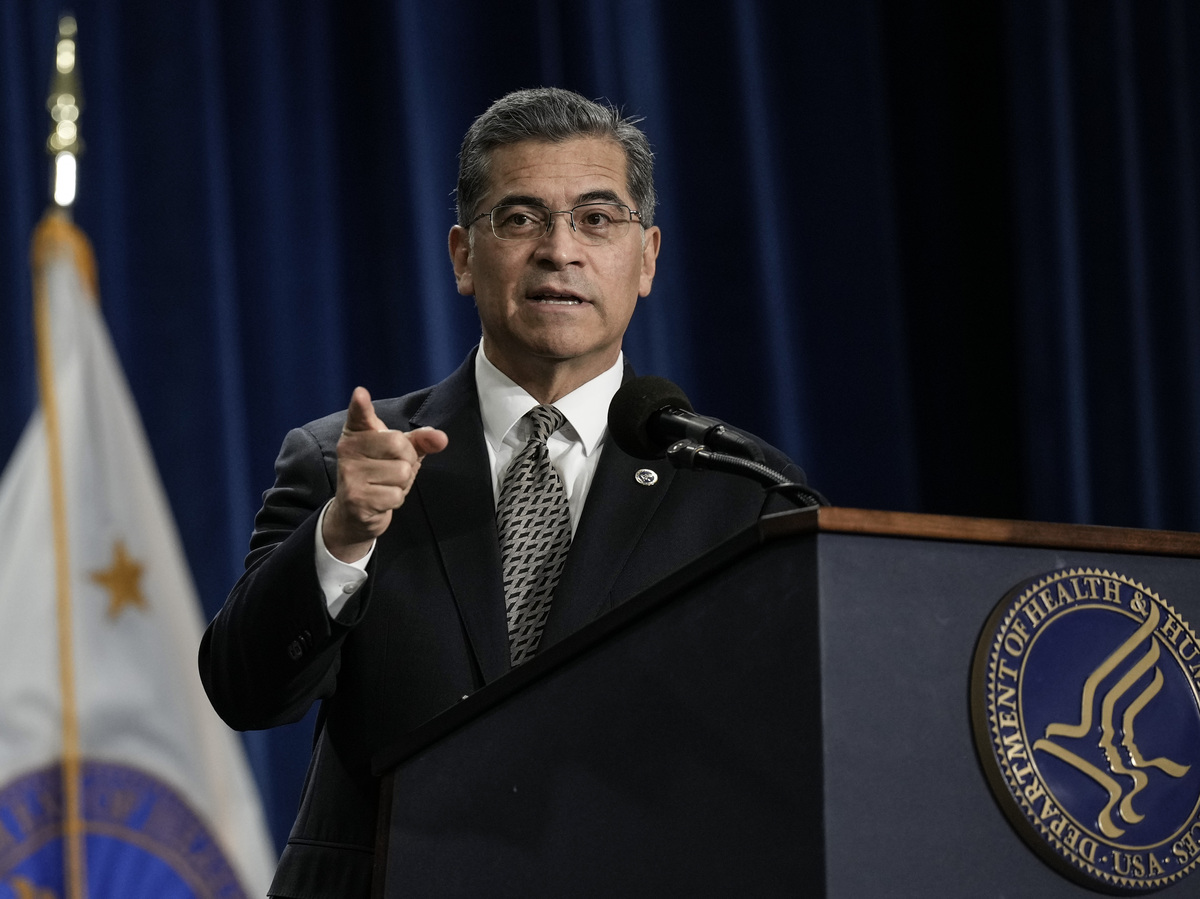
Department of Health and Human Services Secretary Xavier Becerra answered NPR’s question at a press conference earlier this month about work the agency was doing to address lagging life expectancy by mentioning COVID-19 and vaccine hesitancy, along with mental health issues and gun violence.
“There’s so many things that we’re doing,” Becerra said. “We can’t touch everything. We can’t touch state laws that allow an individual to buy an assault weapon and then kill so many people. We can only come in afterwards.”
Secretary of the Department of Health and Human Services Xavier Becerra at a news conference at HHS headquarters in Washington, DC on March 9, 2023. Becerra said gun violence contributes to shorter lifespans in the U.S.
Drew Angerer/Getty Images
hide caption
toggle caption
Drew Angerer/Getty Images
Secretary of the Department of Health and Human Services Xavier Becerra at a news conference at HHS headquarters in Washington, DC on March 9, 2023. Becerra said gun violence contributes to shorter lifespans in the U.S.
Drew Angerer/Getty Images
CDC Director Rochelle Walensky responded by listing some of the agency’s work on mental health and vaccines, and acting NIH director Larry Tabak pointed to research on health disparities.
HHS did not answer a follow up question about whether the agency has considered a national commission or similar effort to address American life expectancy and poor health.
Sawhney thinks the federal government should try harder to fix the problems documented in the “Shorter Lives” report. He doesn’t think lack of public awareness is the problem. “I really think that most Americans know that Americans are more overweight and obese and that we have higher rates of disease and live shorter lives than other countries,” he says, “It’s just the NIH and the CDC that don’t want to take the responsibility for that failure or to do anything about it.”
Crimmins says, in her experience, lawmakers and federal health officials don’t like talking about how the U.S. is lagging behind other countries.
“I convened a meeting in Washington with the National Center for Health Statistics [part of CDC] about increasing healthy life expectancy,” she recalls. “It was a relatively small meeting, but we brought experts from Canada.” An official at the time gave what she calls a “typical” response, saying: “Oh, we can’t have anything but an American solution to these issues – we can’t listen to other countries.”
“International studies are not the flavor of the month – they never will be,” says Haaga. “The problem with foreign countries is that they’re not in someone’s congressional district.”
It’s more than a missed opportunity, says Woolf. It’s a tragedy.
“If you add up the excess deaths that have occurred in the United States because of this unfolding problem, it dwarfs what happened during COVID-19, as horrible as COVID-19 was,” Woolf says. “We’ve lost many more Americans cumulatively because of this longer systemic issue. And if the systemic issue is unaddressed, it will continue to claim lives going forward.”
Small victories are possible
Taking stock of the many ways in which Americans are sicker and die younger can be overwhelming, says Haaga. “It’s such a long list, that might partly be why the issue doesn’t grab people,” he says. “They just go, ‘Oh, my gosh, that’s depressing, what’s on the other channel?’ But there’s a lot of things that could be done, and small victories are victories.”
According to the “Shorter Lives” report, “the important point about the U.S. health disadvantage is not that the United States is losing a competition with other countries, but that Americans are dying and suffering at rates that are demonstrably unnecessary.”
Rather than feel overwhelmed at the immensity of the problems, Sawhney suggests, the focus should instead be on the fact that every other rich country has been able to figure out how to help people live longer, healthier lives. That means that Americans could do it too, he says.
He believes that the changes might not be as hard as some policymakers and health officials seem to think. “You look at these healthier countries, they’re free countries – England, France, Italy – they’re not banning delicious foods. They’re not chaining people to treadmills,” he says. “Americans love to travel to Europe, to Australia, to Canada to enjoy their foods and their lifestyles, and so the idea that we might say, ‘Hey, maybe we could bring some of those lifestyles back’ – I don’t think people are going to go up in arms that we’re taking away their freedoms.”
Getting policy ideas from other countries is just an obvious move, Woolf adds. “If a martian came down to earth and saw this situation, it would be very intuitive that you [would] look at other countries that have been able to solve this problem and apply the lessons learned,” he says.
In historical research he’s been doing, “I found that there are dozens and dozens of countries on almost every continent of the world that have outperformed the United States for 50 years,” he says. “It’s worth taking a look at what they’ve done and Americanizing it – you don’t have to take it right off the shelf.”
Some of the policies he’s identified as helpful include universal, better coordinated health care, strong health and safety protections, broad access to education, and more investments to help kids get off to a healthy start. These policies are “paying off for them,” he says, and could for Americans, too.
Despite the advances in medical technology and the increased availability of mobile app solutions in medicine, there are major misconceptions among clinicians involved in building a mobile app (Fig. 1).
Fig. 1
Common misconceptions of medical mobile app development
Misconception #1—the investigator fully understands the problem they are trying to solve and the users they intend to help
Reality
Before the development process can start, the competitive landscape should be assessed to confirm that there is not already an identical or similar goal solution. Next, the intended users must be interviewed to ensure that the solution solves a relevant problem for them. This user research should be incorporated throughout the development process to assure that the users are continually being considered. An effective team must also be formed with the required expertise to handle every phase of the development lifecycle, from clinical problem identification, user research, design, development, and product release. Finally, a strategy must be developed to market the product so that users discover and adopt the app.
Misconception #2—app development does not require much effort
Reality
Reality
A common phrase we hear among our clinical colleagues when we are approached with an idea for a mobile medical solution is “…and I’d like to build an app.” This statement can be interpreted as, “I would like to hire a contractor to turn my idea into an app.” This line of reasoning underestimates the investigator commitment required to turn an idea into a mobile app. Throughout the development process, the investigator must play an active role in the development team. This process frequently takes months of user research, design, development, and testing in an iterative fashion.
Misconception #3—the app should easily integrate into the electronic health records (EHR) system
Reality
The electronic medical records in the USA and many countries are highly fragmented, with individual hospital systems using their own 3rd party vendors to manage their records [11, 12]. Accessing a single institution’s EHR requires multiple levels of approvals at the principal investigator and administrative levels and then requires significant technical collaboration with the institution’s information technology department to connect. While Fast Healthcare Interoperability Resources (FHIR) standard has been adopted to facilitate a consistent format of healthcare information for simple transmission and sharing of data, the lack of a consistent EHR framework significantly impacts the ability of a 3rd party app to integrate into the EHR’s of a geographically diverse user base [13].
Misconception #4—app development is a single-step “one and done” process
Reality
The development process is not complete when the app is launched. A continuity plan must be in place to maintain and update the app throughout its lifecycle. Technology changes rapidly, operating systems update, and smartphone manufacturers develop and release multiple new phone models annually. An app must be maintained to adapt to these advancements. The request to “build an app” does not accurately convey that app development is a process that does not end with an app launch.
These misconceptions underscore a clear need for a liaison between clinicians and the app development community to facilitate the development of robust, maintainable, mobile apps. To address these misconceptions, we set up an academic sub-unit within the Georgia Clinical and Translational Science Alliance (Georgia CTSA), which we call the AppHatchery, with the goal of supporting clinical investigators in their endeavors to create and clinically translate their mobile medical app ideas. Care was taken to structure the AppHatchery to enable this end goal, with a mix of relevant expertise and experience. This initiative is led by a physician scientist who runs a laboratory that has a proven track record of developing and publishing medical apps as well as conducting clinical research using apps. We hired a product manager from the industry with expertise in managing mobile app development teams for a large organization. We have a designer on the team who specializes in user research and design thinking. Finally, we have multiple full-time developers to carry out mobile development work. We structured the group this way to ensure that we had members of the team with expertise in each phase of medical app development, specifically (1) clinical research expertise, (2) design, and (3) mobile app development. Given these diverse skillsets with every team member having some exposure to both clinical science and app development, we have created the perfect team to bridge the skillset gap between clinicians and software developers and develop mobile medical apps. Furthermore, the existence of team members fully dedicated to this initiative allows us to maintain continuity throughout each stage of the project at hand.
We first rely on internal marketing for project solicitations. When a project is onboarded, we perform a multi-disciplinary research process where we identify and explore the clinical and practical need for the given solution and its place within the current regulatory landscape and market. We use a combination of design thinking (DT) and human-centered design (HCD) framework to tackle app development challenges [14] from ideation through delivery. The design research process begins by conducting a deep dive into the problem as it pertains to end users and key stakeholders. Target users are interviewed to better understand their challenges, and we identify and/or verify the important features and aspects of the proposed app and get feedback on the design requirements that our research has identified. Simultaneously, we begin working with the principal investigator (PI) to craft the research study that will determine the efficacy of the tool we develop. Next, we begin the app development process, beginning with the design of wireframes and culminating with software development, where we conduct user research throughout the process to iteratively improve the app. We finally transition to launch and support, where we work with the principal investigator to release the app and support the clinical validation study. In this manuscript, we will describe the lessons learned from our journey and make recommendations for how other medical app developers should operate to successfully develop and translate clinical app ideas.
App development principles and structure
Design approach
What makes our approach to building digital tools unique in the clinical space is our emphasis on both DT and HCD (Fig. 2). We use DT to focus on understanding who the users are, uncovering their needs, and empathizing with their situation first before kicking off the product design and development process [15]. In addition, we strategically consider user needs in relation to clinical objectives to form design recommendations [16, 17]. We then kick off the development phase which incorporates HCD fundamentals, bringing the end user’s voice and opinions into the development process. Collaborative strategies are noted as vital to sustaining growth in mobile health applications [18]. HCD has been demonstrated to be an effective innovation tool in the digital clinical and health space where a focus on end users (patients, clinicians, or others) during the design process improves adoption rates [19,20,21] as well as patient engagement and satisfaction [22].
Fig. 2
Design thinking framework
A recent narrative review of 82 health innovation papers mentioning HCD found most (70{bf0515afdcaddba073662ceb89fbb62b6b1bf123143c0e06b788e1946e8c353f}) discussed using an HCD approach and all included a focus on users’ needs and the participatory and iterative nature of the design process [14]. More salient limitations to the HCD approach include sampling bias and small sample size as users must opt into the research to participate in the design process and are not necessarily the profile of users who may need the app the most. This may lead to a misalignment of the design with the intended user’s needs. Finally, few apps have been tested in randomized controlled trials, and so limited evidence is available on the long-term benefits of app products arising from HCD approaches [23]. Specifically, in using HCD, there are instances where the approach did not lead to significant improvement in the intervention outcomes. For example, Gallagher et al. conducted a study using a game-based app that was co-designed to improve cardiovascular risk factors and lifestyle behaviors and found no improvement after the intervention [24]. Similarly, Haque et al. evaluated a user-centered mHealth app in promoting physical activity and found very low compliance at the end of the study which limits the generalizability of the results [25]. Furthermore, alternatives to DT and HCD such as user experience (UX) design frequently focus on the way users interact with apps and strive to provide the most convenient use for the people who actually use the app, rather than the ideal users that HCD and DT strive for [26]. In light of these findings, it is important to note that HCD methodology allows for subjectivity in terms of which aspects of user experience to prioritize, which can result in varied outcomes. Additionally, as previously discussed in the literature, HCD is susceptible to sampling bias, which can impact the apparent effectiveness of an intervention. Thus, it is crucial to consider both the strengths, limitations, and alternatives to DT and HCD and to employ a multi-disciplinary approach that considers various perspectives and factors in the design and evaluation process. This design strategy accurately defines the user, their needs, the problem most important to solve for that user, how those needs intersect with research goals, and which design directions are most effective at maintaining engagement and delivering results. It provides the foundation for the team who then focuses on the users and their needs throughout the app project development process.
Building a team
A development team must be created to begin the development process. A software development team has three distinct yet overlapping roles, the product manager, the designer, and the developer. In addition to these key roles, multiple supporting roles may be created for handling regulatory requirements necessary in medical app development.
Product manager
The product manager is responsible for the overall strategy of the mobile app. This includes the macro strategy of why and how to build the app in the first place as well as a more detailed strategy about which features to build, what order to build these features, and how to measure if the features are a success. The product manager is also responsible for creating the requirements in sufficient detail so the remainder of the team can execute their jobs effectively. These might be technical requirements, design requirements, or requirements from the clinical team. The product manager is also responsible for the lifecycle of the mobile app. This includes releasing the app through testing platforms, releasing the app publicly, working through approval processes at the institution, and maintaining the app’s public information on the app stores.
The product manager is responsible for ensuring the app meets guidelines. This is important especially for medical apps that may need to comply with the Health Insurance Portability and Accountability Act of 1996 (HIPAA) [27]. In our experience, projects are hindered at the beginning stages by focusing on these compliance issues instead of focusing on the core value of the mobile app. Compliance needs to be addressed at the beginning of a project when architecture is being designed and before the app is released publicly to ensure it meets all the required standards for privacy and security. The product manager is responsible for analytics and measuring the mobile app experience. These analytics are tied to the goals and objectives of the app (e.g., reducing missed follow-up visits) but also user experience metrics such as app crashes, screen views, and user interactions.
Software developer
The developer is responsible for writing the software code that will control the mobile app. This role is critical as there will be no software created without team members who can code the mobile app.
Designer
The designer is the empathizer in chief; it is their responsibility to always be the voice of the user throughout the app development process. This is a critical role as academic medical apps are often conceived without direct consultation of patients or users.
Other team roles
Developing mobile apps within an academic medical center requires knowledge of how Institutional Review Boards (IRB) review requests to conduct clinical research. It is useful to have an IRB expert on the team to answer nuanced questions about data collection and privacy that may differ from IRB to IRB and can be unique to clinical research involving mobile apps. While not critical in the early clinical research phases, it can be useful to have a regulatory expert on the team who is familiar with the relevant regulation, specifically around HIPAA and managing protected health information (PHI).
Full time vs part-time staff
Many academic medical centers operate on a shared time model where the staff dedicate a portion of their time to projects. While this can work, we have found it is better to have full-time staff dedicated to the development of mobile apps. Likewise, many software development projects are outsourced to other groups. While this can work, we have found it is best to work cohesively as a team throughout the development process to streamline communication and align expectations throughout.
Applying the app development process
Competitive and regulatory landscape survey and literature review
Before accepting any new project, it is important to meet with the PI to understand their clinical and application vision before conducting an extensive search of the major app stores to see what similar apps currently exist, as well as related platforms, tools, books, and/or educational materials in the space. After the search is completed, the list of these competing resources should then be presented to the PI to discuss how or if the value proposition of their idea merits the effort to build a homegrown solution. If the concept meets the acceptance criteria set by the team (i.e., is novel, addresses a real need, and the development team has capacity and knowledge), the project can proceed (Fig. 3).
Fig. 3
App project development process
When researching and deciding the intended use case of the app, research into the regulatory pathway required to market the product must be conducted. In the United States of America (USA), the US Food and Drug Administration (FDA) approves medical devices for sale in the US market. FDA guidance regarding software as a medical device (which includes medical apps) is governed specifically by the 21st Century Cures Act [28]. Section 3060 of this legislation defines what software the FDA considers to be a medical device that requires regulatory approval via the 510(k) premarket notification pathway, versus lifestyle tools that can immediately enter the market [28]. Ultimately, the distinction is determined based on the function and intended use of the software. Software becomes a medical device when the intention and function are to diagnose, cure, treat, prevent, or mitigate a specific disease or condition [28].
Should the app require premarket notification, multiple steps must be taken to satisfy the complex risk management strategies and regulatory requirements set by the FDA to release the app publicly. Rigorous clinical testing must be conducted to ensure that the device performance (1) is in line with the claimed performance and use case and (2) is similar in performance to the most analogous device currently approved and on the market (the claimed predicate device that must be identified for FDA submission). In addition to performance, the app must apply appropriate human factors and usability engineering processes, which must be assessed in standalone usability studies with at least 15 users in the desired user population [29]. Finally, a quality management system (QMS) must be in place to ensure that procedures and processes enable a reliable, safe, and effective software tool [30]. The QMS begins with the leadership and management plan to ensure that relevant stakeholders manage the medical app throughout its lifecycle. The support plans for the system must also be defined, with appropriate documentation of all development and design, disaster recovery plans, and processes for regularly updating the app for performance, usability, cybersecurity, and technology modernization. The implementation must be then considered, with regular validation, cybersecurity monitoring, and maintenance of all key infrastructure, to ensure that end users can interact with a stable version of the medical app throughout the duration of its lifecycle as a medical device.
Design strategy
Once engaged on a project, a development team should schedule a design strategy session with the investigator and project team to gain a full understanding of the desired goal of the app from the perspective of all stakeholders (Fig. 4). While investigators often have a passionate idea about what problem they wish to solve with their app, additional examination can help dial into precisely who will use their tool and what problems their app user(s) seek to solve. To prepare for this session, which is usually 1–2 h, the team conducts secondary research from published academic papers, review articles, and meta-analyses to familiarize themselves with the outcome goals of the project and specific aims of the research. The team generates clarifying questions for the investigator and research team to respond to. Sample questions may include the following:
Who will use this app? Is the patient or a family member the primary user?
What benefit will the user get out of using this app?
What data (if any) do you expect the app to collect?
Fig. 4
Collaborative design strategy discussions set the parameters of the project. Left: a design strategy session in person. Right: results of a design strategy session using an online collaboration tool like Miro
Post-It notes or a collaborative whiteboard digital tool such as Miro (Miro, Inc., San Francisco, CA) may be used to capture ideas that can be sorted and prioritized as seen in the image below. This allows the team to gather insights from the session to form a user research approach to test assumptions, write and vet a discussion guide, and then recruit 5–15 individuals from the intended user group to interview. Insights across all interviews are pooled together and sorted to surface themes and areas of importance for the user. As the themes and key features emerge from the insights, the team can refine the insights into design recommendations.
App design
Once the research team has a clear idea of the needs and wants of the users, designs for the app should be created (Fig. 5). It is very important that these designs come from actual user insights, rather than from pre-conceptions the research team had prior to beginning the work, unless these pre-conceptions had been validated by the user research.
Fig. 5
From sketches to wireframes. Left: pictures of preliminary sketches of the layout of the application. Right: functional (clickable) wireframes of an app
Given the number of apps that exist already, it is worth spending some effort looking to find similar apps that incorporate design patterns that could be implemented in the app. This is a separate step from the competitive analysis where rather than looking at apps that perform a similar function, you are looking for individual features (i.e., how search functions, how do other apps offer content layout).
Taking from the design recommendations generated in the prior phase. The designer can begin creating low-fidelity sketches, which they can turn into generalized flows and wireframes of the app (Fig. 5, left). The key is the use of wireframing and prototyping as an early way to evaluate whether the tool being created meets users’ expectations. To evaluate those wireframes, standard usability testing techniques can be used such as remote or in-person unmoderated observation sessions or task-based evaluations where the user is given tasks within the app to accomplish.
App development
The most common app development methodologies are the waterfall and agile methods [31]. The agile methodology is an iterative approach that leverages frequent releases that provide incremental functionality improvements that can be tested and refined in the production environment. The waterfall methodology completes the holistic build which then moves into a testing phase and then a launch phase, yielding a polished product. We prefer to utilize the agile methodology as the iterative development process enables more testing and feedback, which matches our design philosophy.
When an app development methodology has been selected, there are 2 major mobile app development frameworks: natively on each of the major operating system software tools (iOS or Android), or cross-platform (i.e., using React Native (Meta Platforms Inc., Menlo Park, CA), Flutter (Google LLC, Mountain View, CA), etc.) which supports one code base for both iOS and Android platforms (Table 1). The decision on what to use will largely depend on the expertise of the available developers in the team. This is the fundamental choice an app developer must make before developing an app.
Table 1 Overview of the development styles and platforms available
Native development has the advantages of dedicated functions and features specific to the hardware you are developing for (iOS vs Android), with the downside that effort must be duplicated to support both iOS and Android devices. Also, native development tends to be more well-maintained, as it is linked directly to the mobile devices operating system. This skillset is also much more readily available in the software developer talent pool. While cross-platform development is typically much faster and more efficient with respect to developer resources, it also relies on a much smaller developer community. Furthermore, many 3rd party tools common in app development (e.g., analytics, advertisements) have limited support for cross-platform development. The development framework should be chosen to suit the needs of the specific project.
Throughout the development process, it is generally good practice to beta test the app to ensure that what is being built is meeting the user’s expectations. To do this, it is best to test in a controlled environment to monitor who is using your app. To do this you will use either TestFlight for iOS (Apple In., Cupertino, CA) or Google Play Store Internal Testing for Android (Google LLC, Mountain View, CA).
Launch
Once the app is launched, it must be closely monitored for bugs, unforeseen issues for users, and ever-increasing software versions. Both iOS and Android release beta versions of the updates in advance of a public release so that developers have a chance to test the compatibility of their apps against these updates. Nevertheless, there are many apps that are no longer supported by new OS versions that plague the app stores, a situation that should certainly be avoided by a medical app developer! Some thought should be put towards maintaining support for the users that may not have updated to newer operating system (OS) versions. It is typical to set a supported version that dates back at least a few years to give users time to upgrade their devices.
Updates and maintenance
Finally, app maintenance must be considered. Funds must be allocated to support the continuity of the app development project before it begins. As described by Siegel et al. [10], there are a multitude of unsupported apps on the app stores that are born out of research projects and then abandoned, likely due to the lack of personnel to support them, lack of funds, or poor design and execution leading to a lack of traction to justify a larger time/monetary investment.
Simultaneously with the design thinking process, it is important to work with the PI to help design a research study and secure IRB approval for the study protocol that will be used to clinically validate the app upon release. This validation study typically occurs in 2 phases: Phase 1 is focused on usability and feasibility. In this phase, user feedback of the app is collected and used to iteratively improve the app. This can be done by identifying users to enroll in the clinical study and conducting a rolling enrollment process where a version of the app is developed and given to the users to collect their feedback, adjust the app, and then repeat. Phase 2 is a clinical trial where the app’s performance is analyzed in terms of a clinical endpoint. In this phase, a randomly controlled trial should be planned to assess the app in terms of a clinical endpoint of interest, i.e., a control (no app) and test (has the app). These results can then be published in a medical journal to provide credibility to the app as a medical tool.
Lessons learned: roadblocks, pivots, and best practices
App development costs
Funding for academic biomedical mobile apps can be difficult in our experience. The most common source of funding is through traditional National Institutes of Health (NIH) grants. These grants allow for setting aside resources in the budget to support mobile app development but do have some pitfalls. First, grants typically have a very long application and funding cycle, in the order of 12–18 months, which can delay a project. Second, funding amounts set aside for development tend to be small. In our experience, this has been $10,000–25,000 which is insufficient for the necessary costs associated with designing and developing an application (Tables 2 and 3). Beyond grants, academic medical centers often offer access to other seed or startup funds in the form of innovation awards, local organizations that offer awards or seed funds, and, as a last resort, projects can be funded through department funds if the funds and scope of the project are aligned.
Table 2 Personnel costs for mobile app development
Table 3 App development cost breakdown by stage
Staffing an academic medical center app development project is very different from a commercial software development project. The key differences are (1) the budget of the project is typically far lower (by an order of magnitude, typically), (2) the goal of the app is often non-commercial (e.g., it does not have a business model attached), and (3) the goals of the PI may include education and training for the full team, beyond only executing on the creation of the software. Therefore, staffing for mobile app projects will use a mix of resources available within academic medical centers and their affiliates. These include graduate or undergraduate students who may work on a project for free as part of a classroom learning experience, students who are hired outright or work through graduate research assistant positions, shared staff with other programs (e.g., bioinformatics), and partnership with other campus-based groups who are funded to support clinical research.
Managing investigator expectations
We often encounter requests that are in essence to “just build an app” from clinical PIs. It is important to diagnose this way of thinking early as it could reveal the propensity of a PI to disengage from the project prematurely, as it becomes clear the amount of effort and collaboration it takes to foster a successful partnership. PIs must be engaged often and richly with the team. The cadence of meetings will be project dependent, but we have found a weekly update, whether a meeting or email, maintain project members active and engaged.
Having a disengaged PI can lead to multiple points where the project can fail: (1) the problem is not defined appropriately, (2) the appropriate user research is not conducted (which can lead to the app not addressing all relevant user needs thus impacting adoption and use), and (3) usability/feasibility testing is not conducted in a robust and iterative fashion (which can lead to usability issues that will prevent users from adopting the app, even if the app has a strong value proposition that could significantly improve the life of the user). In addition, it taxes the rest of the team who must make clinical research decisions and navigate an unfamiliar research structure.
Understanding the users
It can be challenging to identify and access users to solicit feedback from. Clinician investigators typically have frequent interactions with the target user population. They have familiarity and a relationship built already (which is how the ideas for projects usually originate). However, they usually lack the time to conduct thorough user research that goes beyond the problem discovery. On the other hand, developers and designers do have the time and knowledge to conduct user research, albeit they lack access to patients. Bridging this gap, often by facilitating access to clinics and hospitals for the design team, can drastically improve a project’s chance of success. In one of our projects with Grady Memorial Hospital, we established a cadence of going to the hospital twice a week to enroll new subjects and check in on existing subjects. Furthermore, fostering a relationship with the clinical care teams of the subjects facilitates subject enrollment, a process that is much slower when only investigators are involved in subject recruitment. Additionally, by fostering that relationship with the clinical care of the subjects, it is possible to conduct user research with stakeholders through observation sessions and contextual inquiry. Which can help mitigate some of the overreliance on user input [32].
Beta testing recruitment
Recruitment can take place in person or virtually. Online recruitment tends to require less apparent overhead (although depending on the clinic setting it may be hard to capture patients online) while in-person recruitment has a higher overhead but tends to yield more numbers and more upfront engagement. Most of the recruitment that we have done has taken place in person at the hospital. Interestingly, we have found that subjects recruited in a clinical setting will remember everything about the app and the study until they leave the hospital/clinic, when study participation significantly wanes. To increase the chances of success, you must find the best method to follow up with your subject/users which could be via email, text, or phone calls so that you can maintain engagement with your study. This will be very study specific and dependent on the app you build. This is one area where sampling bias can impact the project as subjects who are more interested are more likely to respond and be engaged. That was our experience with that project, and we had very low compliance from the users we were trying to target, those who leave the hospital and do not return.
Beta testing process
Testing an app with users frequently is crucial to ensure the best possible version of the app is developed. In an in-patient setting, we have found it necessary to introduce users to the app in one session, and then follow up within a week, to see if the patient interacted with the app after the visit. There are multiple steps that can be taken to foster engagement:
a.
Delay the follow-up: A week might not be enough time for the user to have a need to open the app.
b.
Include push notifications: This system allows researchers to send messages through the app to specific segments of the study group (i.e., users who have not opened the app recently).
The goal of beta testing is to find encounter any bugs and errors and more importantly if the intended user audience finds the app useful. It is very challenging to design a research study surrounding a tool that will fit into a user’s life outside of the study. This is because study coordinators are actively looking for subjects to enroll, creating unnatural motivators to utilize the tool (i.e., participate in research, monetary compensation, curiosity), as opposed to an organic app search where users are looking for something. Thus, it is important to design an app such that the app fills a clearly defined and currently unmet need for a group of people (i.e., a medical reference guide, an appointment booking system, a prescribed training program). Otherwise, you run the risk of aiming to change a given behavior which has been identified as a limitation of traditional HCD and follows a different design process [32].
Furthermore, mobile apps have standardized evaluation frameworks such as the System Usability Scale (SUS) which provide a quantitative evaluation of the usability of a software tool. Note the difference between usability: Can somebody use the app without encountering errors that worsen their experience, and feasibility? Does the app effectively cover an unmet need for a user? Usability is an easier metric to quantify, and mobile apps for research should follow industry standards to validate the tools created are usable. These frameworks can be employed to glean valuable feedback during the beta testing process.
Amanda Simmers, Nutrition Coach, Owner of Inspire Fitness and Nutrition; Tessa Simmers, RD, Nutrition Coach
Amanda Simmers (photo by Sadie Swift) (left) & Tessa Simmers (photo courtesy of Tessa Simmers) (right)
Sister-in-law duo, Amanda and Tessa, share a passion for nutrition and exercise. Amanda graduated from NDSU with an education degree. After working as a preschool director for 14 years, she went back to school for personal training and nutrition coaching. She started the company almost 10 years ago, and Tessa joined her as a nutrition coach in January 2023. Tessa graduated from NDSU with a degree in food & nutrition and is currently a Registered Dietitian living in Fargo
Why is it important? “Muscles are essential! They play a critical role in our bodies by keeping us alive and allowing us to interact with our world. Muscles are important for movement, stability, posture and many other functions. Strong, healthy muscles are critical for our overall health and wellness.”
3 Things You Should Know
1. Building muscle requires sufficient and consistent nutrition.
“It is very important that you fuel your body adequately with enough calories that include [the right amount of] protein, carbs and fat. Protein is the key nutrient to help recover and build those muscles. Carbs are your number one fuel source that will give you lasting energy during your workouts and fats help support hormone levels. Trendy diets can be appealing because they promise quick results, but they are restrictive in caloric intake and do more harm than good on your metabolism and they could cause you to lose lean muscle mass because of inadequate energy (food). How much one should eat depends on each person individually and depends on their goals, daily energy output and dieting history. In my Ditch the Diet program, we help each client individually figure out exactly how much they should be eating each day. It is not a one-size-fits-all plan and takes some deeper digging to get more accurate numbers.”
2. There is a smarter way to build lean muscle without having to spend hours a day lifting weights.
“We understand that most people have jobs, families, school and many other responsibilities and time can be hard to come by some days. Doing more so always better in this situation. As a matter of fact, rest days are a very important part of building lean muscle. You can see significant improvement in your lean muscle mass just by doing a strength training program for 20-30 minute sessions, 2-4x/week. These strength training programs can be done at a gym or at home. No matter where you train, it is best to push yourself mentally and physically with a shorter program than trying to pile on many exercises with a longer program.”
3. It is normal to lose strength as we age but it doesn’t mean we can’t continue trying to preserve and even grow muscle.
“Research shows that keeping your muscles strong as you age can lower your risk of falls, fractures and disability. Loss of strength may also limit mobility and prevent you from living independently. Strong, healthy muscles help you live an active life and work to support your skeletal system. When muscle mass decreases, fat mass increases which could put you at a higher risk of cardiovascular disease, high blood pressure and diabetes.”
Try Local!
“Power Plate Meals of Fargo inspires change by making healthy eating accessible for everyone, one meal at a time. I purchase a lot of my lunches from Power Plate Meals because I know each meal is made with high-quality ingredients and flavor. Plus each meal has a great deal of protein in them to help reach your daily protein goals.”
“Dynasty Performance Training and Owner/Trainer Cole Jirik can help you develop and execute a personalized, effective strength training program in a top-of-the-line facility.”
Dynasty performance Training owner Cole Jirk has developed the gym’s training principles through his own thoughts, his experience playing for NDSU football where he worked with one of the top strength and conditioning coaches in the country, Jim Kramer, and from his time training at ETS Performance in Minneapolis, MN!
“Swanson Health Products Retail Store offers the best selection of vitamins and supplements plus an excellent variety of organic and natural products.”
“Kota Botanics is a premium CBD wellness brand and marketplace in Fargo, ND and Shakopee, MN that focuses on providing the highest quality and the most effective CBD and other wellness products to improve their customers’ well-being such as inflammation, pain, stress and sleep. Kota Botanics owner, Vivian, has a wealth of knowledge and will help you find the best product to suit your needs.”
Who To Follow:
Make sure to follow Amanda & Tessa online for more tips and to try out the program!
Website: a m a n d a s i m m e r s . c o m Facebook: / a m a n d a . l . s i m m e r s Facebook: /tessasimmers.nutrition Instagram: /amandasimmers Instagram: /tessasimmers_nutrition
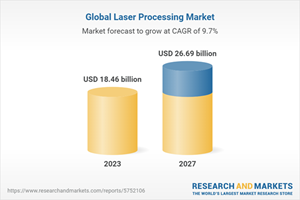
The global laser processing market grew from $16.57 billion in 2022 to $18.46 billion in 2023 at a compound annual growth rate (CAGR) of 11.4{bf0515afdcaddba073662ceb89fbb62b6b1bf123143c0e06b788e1946e8c353f}. The laser processing market is expected to grow to $26.69 billion in 2027 at a CAGR of 9.7{bf0515afdcaddba073662ceb89fbb62b6b1bf123143c0e06b788e1946e8c353f}.
Asia-Pacific was the largest region in the laser processing market in 2022, and it is also expected to be the fastest-growing region in the forecast period. The regions covered in the laser processing market report are Asia-Pacific, Western Europe, Eastern Europe, North America, South America, Middle East and Africa.
The increasing applications of lasers in medical devices and surgeries are significantly contributing to the growth of the laser processing market. Medical lasers are utilized in medical procedures in various specialties, including ophthalmology, dermatology, plastic surgery, and dental surgeries, as well as in intraabdominal, cardiothoracic, neurologic, gynecologic, and urologic procedures. Lasers facilitate a source of focused, coherent light capable of transmitting intense energy to a precise location.
For instance, in 2022, according to a report published by Biospace, a leading online source for biotechnology jobs, cataract statistics in the U.K., 330,000 cataract operations are conducted every year in the country. Moreover, 30{bf0515afdcaddba073662ceb89fbb62b6b1bf123143c0e06b788e1946e8c353f} of people aged 65 years and above are expected to have a cataract in one or both eyes. In 2020, in the U.S., around 718,000 surgeries are projected to be performed. In Europe, around 757,000 laser eye surgeries are likely to be performed by 2020. Therefore, the increasing usage of laser in medical devices and surgeries is expected to boost the demand for laser processing solutions during the forecast period.
Technological advancements are a key trend gaining popularity in the laser processing market. Many companies operating in laser processing are developing new products or new technologies to meet industry demand and strengthen their market position across the globe. For instance, in September 2021, TRUMPF, a German-based industrial machine manufacturing company launched 2D laser cutting machine, TruLaser 1000 which guaranteed up to 70{bf0515afdcaddba073662ceb89fbb62b6b1bf123143c0e06b788e1946e8c353f} feed rate and with its effective cooling, it produces with high processing quality. Due to its ease of use and a wide variety of materials, it is ideal for beginners and companies who want to increase their production capacity.
In 2022, TRUMPF, a German-based industrial machinery manufacturing company acquired an 80{bf0515afdcaddba073662ceb89fbb62b6b1bf123143c0e06b788e1946e8c353f} stake in Active Fiber Systems GmbH (AFS) for an undisclosed amount. With this acquisition, TRUMPF can leverage AFS’s laser systems to generate extremely short-wavelength light with high coherence, as well as for biomedical imaging and materials processing. Active Fiber Systems GmbH German-based manufacturer of ultrashort-pulse laser systems and fiber laser systems for science and research applications.
Reasons to Purchase
Gain a truly global perspective with the most comprehensive report available on this market covering 50+ geographies.
Understand how the market has been affected by the COVID-19 and how it is responding as the impact of the virus abates.
Assess the Russia – Ukraine war’s impact on agriculture, energy and mineral commodity supply and its direct and indirect impact on the market.
Measure the impact of high global inflation on market growth.
Create regional and country strategies on the basis of local data and analysis.
Identify growth segments for investment.
Outperform competitors using forecast data and the drivers and trends shaping the market.
Understand customers based on the latest market shares.
Benchmark performance against key competitors.
Suitable for supporting your internal and external presentations with reliable high quality data and analysis
Scope Markets Covered:
1) By Type: Gas Laser; Liquid Laser; Solid Laser; Other Types 2) By Application: Cutting; Welding; Drilling; Microprocessing; Marking and Engraving; Other Applications 3) By End-Use Industry: Aerospace and Defense; Automotive; Healthcare; Machine Tools; Architecture; Electronics and Microelectronics; Other End User Industries
About ResearchAndMarkets.com ResearchAndMarkets.com is the world’s leading source for international market research reports and market data. We provide you with the latest data on international and regional markets, key industries, the top companies, new products and the latest trends.
Attachment
CONTACT: CONTACT: ResearchAndMarkets.com Laura Wood,Senior Press Manager press@researchandmarkets.com For E.S.T Office Hours Call 1-917-300-0470 For U.S./ CAN Toll Free Call 1-800-526-8630 For GMT Office Hours Call +353-1-416-8900
World Tuberculosis Day, observed on March 24 every year, aims to increase public awareness about the global epidemic of tuberculosis (TB) and the numerous efforts being taken to eliminate the disease. As such, it is pertinent to understand more about TB, its causes, and some simple diet measures that can help one when recuperating.
What are the causes?
TB is caused by an organism called mycobacterium tuberculosis, which mainly affects the lungs, but can also impact other parts of the body. TB spreads through the air when infected individual coughs, sneezes, or speaks.
Once diagnosed, the treatment depends on whether it is drug-resistant or simple tuberculosis. According to experts, when recovering from TB, it is critical to consume a well-balanced and nutritious diet to help strengthen the immune system. “As drug metabolism is mainly through the liver or in the case of injectables, the kidneys as well, adequate nutrition is critical,” said Dr Vaibhav Chachra, senior consultant, pulmonology, Max Super Specialty Hospital, Dehradun.
However, while it is common to experience reduced appetite due to tuberculosis, adequate food intake is necessary for recovery, stressed Anjali Khalane, consultant pulmonologist and sleep disorders specialist, Ruby Hall Clinic, Pune, adding that one’s diet should include carbohydrates, proteins, fats, vitamins, minerals, and water.
Concurred Dr DS Sowjanya, senior pulmonologist, Kamineni Hospitals, Hyderabad and said that cereal porridge can help keep up energy levels during treatment, too. “Other supplements like vitamins and minerals can also be taken to ensure the body gets all the necessary nutrients while fighting TB. It is best to avoid any weight loss diets while undergoing treatment as this might weaken the immune system further,” said Dr Sowjanya.
Going for more plant-based options and filling up your plate with a lot of vegetables, fruits, and whole grains will make your meal nutrient-dense (Source: Getty Images/Thinkstock)
Dr Khalane described the food composition
*Wheat, corn, rice, lentils, and potatoes are examples of high-carbohydrate foods. They will help add calories and reduce energy malnutrition. “Malnourished people are at increased risk of developing tuberculosis and take a prolonged time to recover,” Dr Khalane said.
*Daily consumption of milk, milk products, eggs, meat, and fish is beneficial, said Dr Khalane. “Protein requirements can be met by including groundnuts or dry fruit and nut mixes. As TB patients have a low appetite, they can eat dry fruits and nuts powdered finely and mixed into a milkshake or added to roti,” said Dr Khalane.
*Fats like soyabean oil, mustard oil, coconut oil, and nuts like ground nuts are good sources of energy and protein and can be taken as snacks in either dried or roasted form.
*Fruits and vegetables rich in vitamin A, such as oranges, mangoes, papayas, sweet pumpkins, and carrots, are among the best foods for TB patients. Fresh fruits high in vitamin C include guava, amla, orange, tomato, sweet lime, lemon, and capsicum. Dr Sowjanya also shared, “Orange fruits are an excellent source of vitamin C, which helps fight TB. Carrots are a good source of Vitamin A as well as minerals such as magnesium and potassium that help build strong immunity”.
*Wheat germ, nuts, seeds, and vegetable oils are common sources of vitamin E. Most nuts and seeds, including sunflower seeds, chia seeds, pumpkin seeds, sesame seeds, and flax seeds are also good sources of both selenium and zinc. Oysters, fish, and chicken are non-vegetarian options.
*Maintaining adequate hydration by drinking 2 to 2.5 liters of liquid daily is essential, Dr Khalane added.
What to eat and avoid?
A person suffering from tuberculosis should avoid the following
– Alcohol and smoking as they increase the risk of drug toxicity. – Carbonated drinks – Excessive consumption of tea and coffee, or their consumption with food – An excess of spices and salt
Dr Ambarish Joshi, senior consultant, pulmonary and sleep medicine, Primus Superspeciality Hospital, New Delhi listed some foods to consume, and avoid while recovering from TB
Foods to consume
*Fish, chicken, eggs, beans, and legumes are all good sources of lean protein. *Fruits and vegetables that are in season *Brown rice, quinoa, and whole-wheat bread are examples of whole cereals. *Dairy items with low fat, such as milk, yogurt, and cheese *Nuts, seeds, avocado, and olive oil are examples of healthy lipids.
Avoid these foods
*Chips, candy, and sugary beverages and such processed foods. *Fast meals and processed meats are rich in fat and sodium. *Caffeine and alcohol *Fried foods and snacks
Here’s why drinking water is essential for you (Source: Getty Images/Thinkstock)
“Drinking plenty of water to stay hydrated is also essential, as is avoiding raw or undercooked meats, uncooked seafood, or eggs, which can increase the risk of foodborne illness. Consult a healthcare provider or a registered dietitian for customised dietary recommendations based on your unique requirements and health state,” said Dr Joshi.
Dr Chachra mentioned that one should “ensure to have small frequent meals so that there is no hyperacidity. Soups and fresh juices are also helpful during this period”.
Dr Khalane also underlined that it is important to take TB medications regularly and complete the course of treatment as prescribed by the treating doctor.
📣 For more lifestyle news, follow us onInstagram | Twitter | Facebook and don’t miss out on the latest updates!
Share on PinterestThe Harvard Diet has been linked with lower rates of cancer, respiratory disease, cardiovascular disease, and death. Afriandi/Getty Images
A new study has found that four specific eating plans were all linked to greater longevity.
One plan in particular, the Harvard Diet, is gaining attention.
It was developed for the study and includes aspects of MyPlate as well as the Mediterranean diet.
Nutrition experts say the diet can benefit health in several ways which can lead to a longer life.
When embarking on a healthy eating plan, people may offer up several goals that motivate them, including things like wanting to feel better, losing weight, or living a longer healthier life.
If longevity is among your goals, you may wonder what’s the ideal eating plan that will help you achieve your desire.
Good news, a group of researchers sought to answer this question by studying people who followed one of four different dietary patterns, including the Alternate Mediterranean Diet, the Dietary Guidelines for Americans (MyPlate), the Healthful Plant-Based Diet Index, and the Alternate Healthy Eating Index (also known as the “Harvard Diet”).
The researchers found that people who followed any of these diets were 20{bf0515afdcaddba073662ceb89fbb62b6b1bf123143c0e06b788e1946e8c353f} less likely to die during the 36-year study. They also had lower rates of cancer, respiratory disease, and cardiovascular disease.
However, one of these nutritional plans, which was developed specifically for the study, has particularly garnered attention from the public: the Harvard Diet.
Samantha Coogan — who is program director of the Didactic Program in Nutrition & Dietetics at the University of Nevada, Las Vegas — said the Harvard Diet, or Healthy Eating Plate, is almost identical to MyPlate, which was developed by the USDA in June 2011.
However, there are a few important differences.
“Both concepts recommend 1/2 of your plate/meal serving should consist of fruits/vegetables, 1/4 from whole grains, and 1/4 from proteins. The symbols are nearly identical,” said Coogan.
The difference is that the Harvard Diet advises a larger proportion of vegetables versus fruit than MyPlate does.
Another key difference between the two is in their fat and dairy recommendations. MyPlate recommends a serving of dairy with each meal, but the Harvard Diet suggests replacing that dairy with beverages like water, coffee, or tea.
“Researchers at Harvard came to this conclusion due to a higher prevalence of lactose intolerance in the U.S.,” explained Coogan. “In addition, they promote avoiding sugary beverages in general, and limiting milk/dairy beverages to 1-2 servings per day.”
Coogan notes, however, that MyPlate does include information about non-dairy sources of calcium for those who are lactose intolerant. It’s just promoted in a different way.
Another important difference between the plans, according to Coogan, is that the Harvard Diet advises moderate amounts of healthy fats — in the form of plant oils, such as olive, canola, soy, peanut, corn, and sunflower oils — and avoids trans fats.
Antonette Hardie, a registered dietitian at The Ohio State University Wexner Medical Center, said there are “a ton of benefits” associated with the Harvard Diet.
“Several benefits include lowering the risk of cardiovascular disease, type 2 diabetes, high cholesterol, and hypertension,” said Hardie. “Weight loss could also be an added benefit of this diet.”
Hardie said these benefits occur because this way of eating is low in processed foods and saturated fats, with have both been linked to an increased risk for these conditions.
Additionally, it is using the MyPlate method in combination with the Mediterranean diet in order to create healthy eating habits that people are able to maintain.
Hardie noted, however, that the word “diet” may be a bit of a misnomer.
“The word ‘diet’ has such a bad rap and often leads people to think it’s a fad for quick weight loss,” she said. “This ‘Harvard Diet’ is using the MyPlate method in combination with the Mediterranean diet to create healthy eating habits.”
Sharon Palmer — registered dietitian, author, and blogger at The Plant-Powered Dietitian — noted that this way of eating is also filled with healthful carbohydrates, fiber, vitamins, minerals, healthy fats, and phytochemicals in addition to being lower in cholesterol, saturated fat, and sodium.
“These are the essentials for a healthy eating plan that promotes optimal health,” explained Palmer.
Palmer said, “I am a fan of this diet plan, because it’s common sense, it’s based on the research that has been pouring in over the past couple of decades, and is easy to follow.
“It’s also a diet plan that is better for the planet,” she added.
Hardie is in agreement with Palmer.
“This is an excellent way of eating,” she said. However, she notes that it would be more beneficial to not think of it as a diet, but rather a technique for creating healthy eating habits.
Coogan said she likes it because it falls closely in line with MyPlate and its updated dairy recommendations “make sense.”
“I like that it doesn’t demonize dairy, but offers a lower intake,” she explained.
Another aspect of the Harvard Diet that she likes is that it specifies quality over quantity when it comes to carbohydrates.
Most importantly, added Coogan, these concepts can be adopted regardless of your budget.
“So whether you shop at Walmart, a food pantry, Sprouts or Whole Foods, we can all adopt a healthier lifestyle that is unique to our situations.”










 Here’s why drinking water is essential for you (Source: Getty Images/Thinkstock)
