
World Tuberculosis Day, observed on March 24 every year, aims to increase public awareness about the global epidemic of tuberculosis (TB) and the numerous efforts being taken to eliminate the disease. As such, it is pertinent to understand more about TB, its causes, and some simple diet measures that can help one when recuperating.
What are the causes?
TB is caused by an organism called mycobacterium tuberculosis, which mainly affects the lungs, but can also impact other parts of the body. TB spreads through the air when infected individual coughs, sneezes, or speaks.
Once diagnosed, the treatment depends on whether it is drug-resistant or simple tuberculosis. According to experts, when recovering from TB, it is critical to consume a well-balanced and nutritious diet to help strengthen the immune system. “As drug metabolism is mainly through the liver or in the case of injectables, the kidneys as well, adequate nutrition is critical,” said Dr Vaibhav Chachra, senior consultant, pulmonology, Max Super Specialty Hospital, Dehradun.
However, while it is common to experience reduced appetite due to tuberculosis, adequate food intake is necessary for recovery, stressed Anjali Khalane, consultant pulmonologist and sleep disorders specialist, Ruby Hall Clinic, Pune, adding that one’s diet should include carbohydrates, proteins, fats, vitamins, minerals, and water.
Concurred Dr DS Sowjanya, senior pulmonologist, Kamineni Hospitals, Hyderabad and said that cereal porridge can help keep up energy levels during treatment, too. “Other supplements like vitamins and minerals can also be taken to ensure the body gets all the necessary nutrients while fighting TB. It is best to avoid any weight loss diets while undergoing treatment as this might weaken the immune system further,” said Dr Sowjanya.
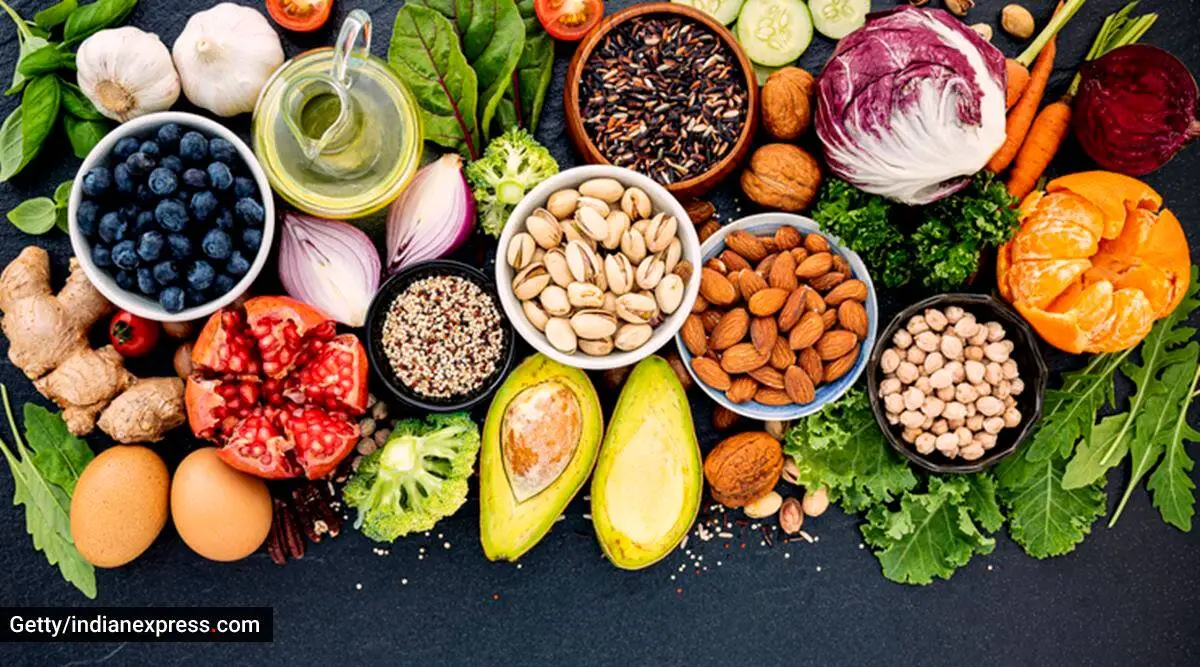 Going for more plant-based options and filling up your plate with a lot of vegetables, fruits, and whole grains will make your meal nutrient-dense (Source: Getty Images/Thinkstock)
Dr Khalane described the food composition
*Wheat, corn, rice, lentils, and potatoes are examples of high-carbohydrate foods. They will help add calories and reduce energy malnutrition. “Malnourished people are at increased risk of developing tuberculosis and take a prolonged time to recover,” Dr Khalane said.
*Daily consumption of milk, milk products, eggs, meat, and fish is beneficial, said Dr Khalane. “Protein requirements can be met by including groundnuts or dry fruit and nut mixes. As TB patients have a low appetite, they can eat dry fruits and nuts powdered finely and mixed into a milkshake or added to roti,” said Dr Khalane.
*Fats like soyabean oil, mustard oil, coconut oil, and nuts like ground nuts are good sources of energy and protein and can be taken as snacks in either dried or roasted form.
*Fruits and vegetables rich in vitamin A, such as oranges, mangoes, papayas, sweet pumpkins, and carrots, are among the best foods for TB patients. Fresh fruits high in vitamin C include guava, amla, orange, tomato, sweet lime, lemon, and capsicum. Dr Sowjanya also shared, “Orange fruits are an excellent source of vitamin C, which helps fight TB. Carrots are a good source of Vitamin A as well as minerals such as magnesium and potassium that help build strong immunity”.
*Wheat germ, nuts, seeds, and vegetable oils are common sources of vitamin E. Most nuts and seeds, including sunflower seeds, chia seeds, pumpkin seeds, sesame seeds, and flax seeds are also good sources of both selenium and zinc. Oysters, fish, and chicken are non-vegetarian options.
*Maintaining adequate hydration by drinking 2 to 2.5 liters of liquid daily is essential, Dr Khalane added.
What to eat and avoid?
A person suffering from tuberculosis should avoid the following
– Alcohol and smoking as they increase the risk of drug toxicity.
– Carbonated drinks
– Excessive consumption of tea and coffee, or their consumption with food
– An excess of spices and salt
Dr Ambarish Joshi, senior consultant, pulmonary and sleep medicine, Primus Superspeciality Hospital, New Delhi listed some foods to consume, and avoid while recovering from TB
Foods to consume
*Fish, chicken, eggs, beans, and legumes are all good sources of lean protein.
*Fruits and vegetables that are in season
*Brown rice, quinoa, and whole-wheat bread are examples of whole cereals.
*Dairy items with low fat, such as milk, yogurt, and cheese
*Nuts, seeds, avocado, and olive oil are examples of healthy lipids.
Avoid these foods
*Chips, candy, and sugary beverages and such processed foods.
*Fast meals and processed meats are rich in fat and sodium.
*Caffeine and alcohol
*Fried foods and snacks
 Here’s why drinking water is essential for you (Source: Getty Images/Thinkstock)
“Drinking plenty of water to stay hydrated is also essential, as is avoiding raw or undercooked meats, uncooked seafood, or eggs, which can increase the risk of foodborne illness. Consult a healthcare provider or a registered dietitian for customised dietary recommendations based on your unique requirements and health state,” said Dr Joshi.
Dr Chachra mentioned that one should “ensure to have small frequent meals so that there is no hyperacidity. Soups and fresh juices are also helpful during this period”.
Dr Khalane also underlined that it is important to take TB medications regularly and complete the course of treatment as prescribed by the treating doctor.
📣 For more lifestyle news, follow us on Instagram | Twitter | Facebook and don’t miss out on the latest updates!

