World Tuberculosis Day: Foods to eat and avoid when recuperating from the infectious bacterial disease

World Tuberculosis Day, observed on March 24 every year, aims to increase public awareness about the global epidemic of tuberculosis (TB) and the numerous efforts being taken to eliminate the disease. As such, it is pertinent to understand more about TB, its causes, and some simple diet measures that can help one when recuperating.

What are the causes?

TB is caused by an organism called mycobacterium tuberculosis, which mainly affects the lungs, but can also impact other parts of the body. TB spreads through the air when infected individual coughs, sneezes, or speaks.

Once diagnosed, the treatment depends on whether it is drug-resistant or simple tuberculosis. According to experts, when recovering from TB, it is critical to consume a well-balanced and nutritious diet to help strengthen the immune system. “As drug metabolism is mainly through the liver or in the case of injectables, the kidneys as well, adequate nutrition is critical,” said Dr Vaibhav Chachra, senior consultant, pulmonology, Max Super Specialty Hospital, Dehradun.

However, while it is common to experience reduced appetite due to tuberculosis, adequate food intake is necessary for recovery, stressed Anjali Khalane, consultant pulmonologist and sleep disorders specialist, Ruby Hall Clinic, Pune, adding that one’s diet should include carbohydrates, proteins, fats, vitamins, minerals, and water.

Concurred Dr DS Sowjanya, senior pulmonologist, Kamineni Hospitals, Hyderabad and said that cereal porridge can help keep up energy levels during treatment, too. “Other supplements like vitamins and minerals can also be taken to ensure the body gets all the necessary nutrients while fighting TB. It is best to avoid any weight loss diets while undergoing treatment as this might weaken the immune system further,” said Dr Sowjanya.
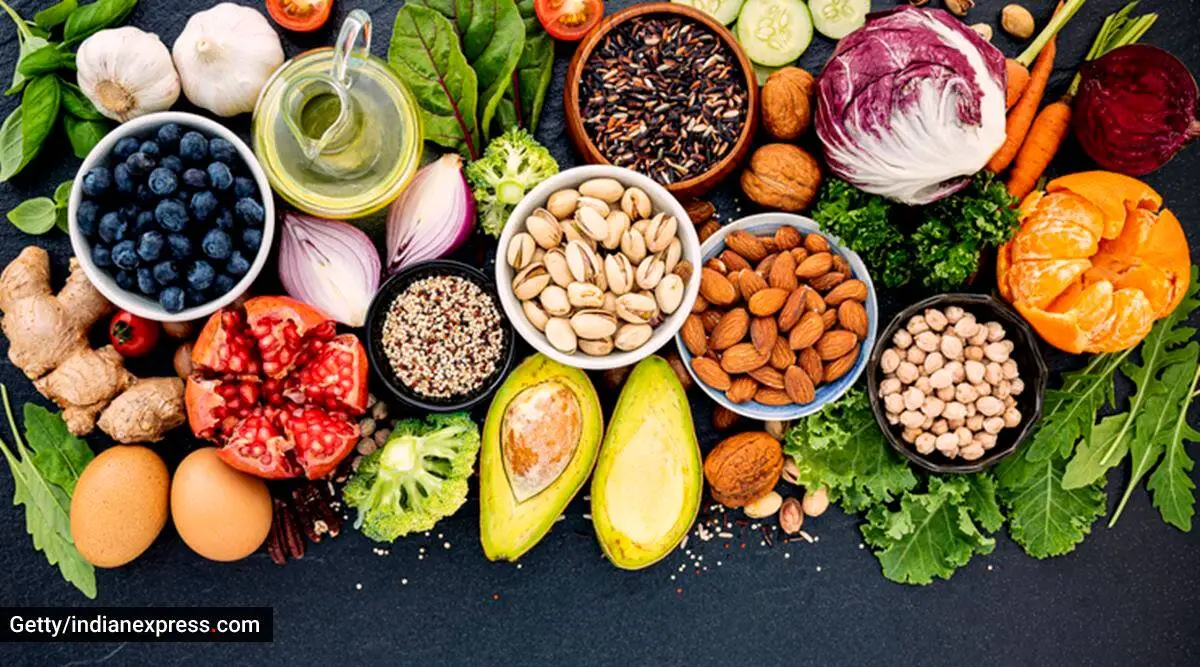
World Tuberculosis Day: Foods to eat and avoid when recuperating from the infectious bacterial disease Going for more plant-based options and filling up your plate with a lot of vegetables, fruits, and whole grains will make your meal nutrient-dense (Source: Getty Images/Thinkstock)

Dr Khalane described the food composition

*Wheat, corn, rice, lentils, and potatoes are examples of high-carbohydrate foods. They will help add calories and reduce energy malnutrition. “Malnourished people are at increased risk of developing tuberculosis and take a prolonged time to recover,” Dr Khalane said.

*Daily consumption of milk, milk products, eggs, meat, and fish is beneficial, said Dr Khalane. “Protein requirements can be met by including groundnuts or dry fruit and nut mixes. As TB patients have a low appetite, they can eat dry fruits and nuts powdered finely and mixed into a milkshake or added to roti,” said Dr Khalane.

*Fats like soyabean oil, mustard oil, coconut oil, and nuts like ground nuts are good sources of energy and protein and can be taken as snacks in either dried or roasted form.

*Fruits and vegetables rich in vitamin A, such as oranges, mangoes, papayas, sweet pumpkins, and carrots, are among the best foods for TB patients. Fresh fruits high in vitamin C include guava, amla, orange, tomato, sweet lime, lemon, and capsicum. Dr Sowjanya also shared, “Orange fruits are an excellent source of vitamin C, which helps fight TB. Carrots are a good source of Vitamin A as well as minerals such as magnesium and potassium that help build strong immunity”.

*Wheat germ, nuts, seeds, and vegetable oils are common sources of vitamin E. Most nuts and seeds, including sunflower seeds, chia seeds, pumpkin seeds, sesame seeds, and flax seeds are also good sources of both selenium and zinc. Oysters, fish, and chicken are non-vegetarian options.

*Maintaining adequate hydration by drinking 2 to 2.5 liters of liquid daily is essential, Dr Khalane added.

What to eat and avoid?

A person suffering from tuberculosis should avoid the following

– Alcohol and smoking as they increase the risk of drug toxicity.
– Carbonated drinks
– Excessive consumption of tea and coffee, or their consumption with food
– An excess of spices and salt

Dr Ambarish Joshi, senior consultant, pulmonary and sleep medicine, Primus Superspeciality Hospital, New Delhi listed some foods to consume, and avoid while recovering from TB

Foods to consume

*Fish, chicken, eggs, beans, and legumes are all good sources of lean protein.
*Fruits and vegetables that are in season
*Brown rice, quinoa, and whole-wheat bread are examples of whole cereals.
*Dairy items with low fat, such as milk, yogurt, and cheese
*Nuts, seeds, avocado, and olive oil are examples of healthy lipids.

Avoid these foods

*Chips, candy, and sugary beverages and such processed foods.
*Fast meals and processed meats are rich in fat and sodium.
*Caffeine and alcohol
*Fried foods and snacks

drinking water Here’s why drinking water is essential for you (Source: Getty Images/Thinkstock)

“Drinking plenty of water to stay hydrated is also essential, as is avoiding raw or undercooked meats, uncooked seafood, or eggs, which can increase the risk of foodborne illness. Consult a healthcare provider or a registered dietitian for customised dietary recommendations based on your unique requirements and health state,” said Dr Joshi.

Dr Chachra mentioned that one should “ensure to have small frequent meals so that there is no hyperacidity. Soups and fresh juices are also helpful during this period”.

Dr Khalane also underlined that it is important to take TB medications regularly and complete the course of treatment as prescribed by the treating doctor.

📣 For more lifestyle news, follow us on Instagram | Twitter | Facebook and don’t miss out on the latest updates!

World Pneumonia Day: Home remedies, foods to eat and avoid for speedy recovery | Health

Pneumonia is an acute respiratory or airway disease that has an effect on lungs and will cause discomforts like respiration, breathlessness, shortness of breath along with other difficulties like cough, fever, a great deal of fatigue etcetera. Pneumonia can be quite severe and if not managed can verify fatal. The lungs are made up of tiny sacs named alveoli, which fill with air when a nutritious individual breathes. When an personal has pneumonia, the alveoli are stuffed with pus and fluid, which can make respiratory agonizing and limitations oxygen consumption, states Planet Well being Organisation (WHO). (Also go through: Environment Pneumonia Working day 2022: What is going for walks pneumonia warning indicators and therapy)

Pneumonia is spread by way of immediate contact with contaminated folks. There are far more than 30 leads to of pneumonia but it is most generally brought about by viruses or microorganisms. When it can be existence-threatening for men and women of all ages, it is the single largest infectious cause of death in kids throughout the world. Cough that generates eco-friendly, yellow or bloody mucus, fever, bluish lips and fingernails, loss of appetite, major perspiring, fast respiratory, shaking chills are all indicators of pneumonia.

Whilst bacterial pneumonia gets treated by medicine, viral pneumonia requires it very own study course and gets better with time. A nutritious eating plan, more fluids, relaxation, oxygen remedy, and drugs for agony, cough, and fever handle can support manage indications.

“Pneumonia is a sort of respiratory or airway condition which will cause irritation and problem in respiration, breathlessness, shortness of breath, together with it specified other troubles like cough, fever, good deal of tiredness in general. Sufferers suffering from it surely have a lessened appetite but simultaneously there is an improved prerequisite (of nutrients). To meet the dietary requirements is rough, complicated, but not extremely hard,” Dr Varsha Gorey, Senior Medical Dietitian, HOD, Dietetics Departments, Apollo Hospitals, Navi Mumbai explained to HT Electronic in a telephonic job interview.

Dietary Guidelines FOR PNEUMONIA Sufferers

Dr Gorey indicates the subsequent nourishment recommendations for men and women working with pneumonia.

– Tender eating plan: Ideally these clients need to be provided gentle diet program which has heat or moist food items not dry meals. These are effective due to the fact they are easy to swallow.

– Sip small portions of incredibly hot liquids regularly: The requirement for meals and h2o may differ from client to patient. Alternatively of getting significant parts of liquids at one go, it is better to sip sizzling liquids frequently. Gulping lots of liquids can lead to distress while sipping warm liquids have a calming effect.

– Home cures: There are many property remedies which can enable broaden the airways so that soreness or distress induced can be diminished. The meals this sort of as garlic, ginger, pepper, tulsi or basil, honey or turmeric can be conveniently taken.

– Steer clear of processed meals, go all-natural: Along with that, we need to have food items which are organic and prevent those that are processed as they include preservatives and they are unsafe. Feeding on meals and then sleeping should be averted or stay away from instantly lying down after taking in as this can cause breathlessness.

Stick to a lot more tales on Fb & Twitter

The Best Foods for Heart Health, and What to Avoid

When it comes to your risk of heart disease, some factors are out of your control — like, say, your blood type. But other factors are more changeable, including your diet. Everyone from the American Heart Association to the US Department of Health and Human Services recommends making specific food choices to support a healthy heart. Because foods for heart health can reduce other potential cardiovascular issues — like high blood pressure and high cholesterol — it’s worth keeping in mind as you plan your weekly meals. 

Keep reading to find out which foods to look for and what a heart-healthy diet looks like overall.


Now playing:
Watch this:

How Healthy is Your Heart, Really? 5 Ways to Tell at…


3:59

What is a heart-healthy diet?

Studies have revealed two things: foods that are riskier for your heart and foods that strengthen it. Fortunately, you’re not about to get hit with a bunch of curveballs. The best foods for heart health are ones you probably already think of as healthy. Similarly, the not-so-heart-healthy foods are probably already on your radar for not doing your body any favors.

Before we dive in here, let’s say: everything in moderation. Unless you already know you have a heart health issue, you don’t need to cut out any foods or make drastic changes. We’re not saying you can never have another piece of bacon or crack open another soda. Instead, being mindful of what a heart-healthy diet looks like can help you incorporate more of those foods into your meals.

Now, let’s talk details. According to the AHA and Department of Health, a heart-healthy diet is rich in:

  • Produce
  • Lean proteins
  • Fiber-rich complex carbs
  • Healthy fats

A diet full of colorful fruits and vegetables, whole grains and healthy proteins and fats will give your body the fiber, vitamins and minerals it needs to support a healthy heart. 

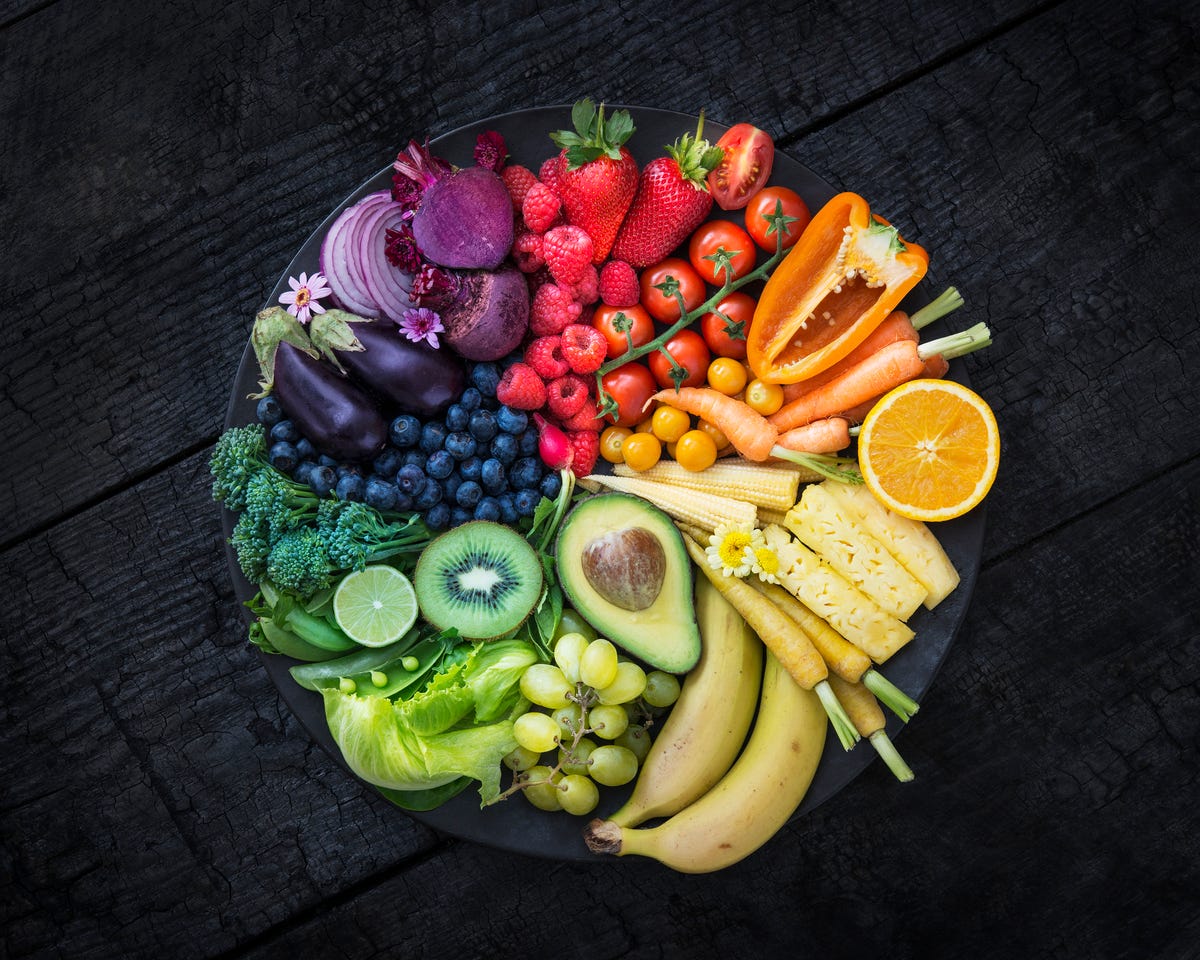
A bright rainbow spectrum of produce on a platter.

David Malan/Getty Images

Conversely, if you’re trying to boost cardiovascular health, you want to limit your intake of:

  • Trans fats
  • Saturated fats
  • Processed meats (for example, lunch meat, salami and hot dogs)
  • Excess salt
  • Excess sugar
  • Refined carbohydrates (for example, white breads and snacks)
  • Red meat
  • Excess alcohol

If a lot of your favorites are on the less heart-healthy list, don’t panic. You can still include them in your diet (unless your doctor says otherwise). Just make sure that these foods aren’t taking over every meal, and try to add as many heart-healthy foods into your day as you can.

Heart-healthy foods

Person in a long brown dress browses a grocery store aisle.

d3sign/Getty Images

If you want to feel good about what your next grocery trip will do for your heart health, you can grab items in these specific categories.

1. Fruits and vegetables

Remember the food pyramid from back in the day? It was on to something. Your body benefits from eating quite a bit of produce.

That’s because veggies and fruit load in a lot of nutritional density per bite. Bananas and sweet potatoes deliver potassium, a key mineral for heart health. Cruciferous veggies may help to prevent clogged arteries. Leafy greens deliver fiber, which can help to lower cholesterol and blood pressure. 

Long story short, the more produce you’re packing in, the better. And if fresh produce doesn’t work for your budget or your lifestyle, don’t worry. You can get plenty of nutritional benefits from frozen, dried and canned options. Just make sure they’re marked low-sodium. 

2. Whole grains

Not all carbs are bad. Refined carbs like the ones in white bread fly through your body, usually doing you more harm than good. But complex carbohydrates, like the ones you’ll find in whole grain products, deliver fiber, which we’ve already mentioned as a heart health booster. 

Plus, they often come packed with vitamins and minerals like iron, selenium, thiamin (Vitamin B1), riboflavin (Vitamin B2), niacin (Vitamin B3), folate (Vitamin B9) and magnesium. If you’re looking for a heart-healthy diet, choose products that have whole grains in their ingredient list. Plus, complex carbs can also be found in beans, potatoes, peas and corn.

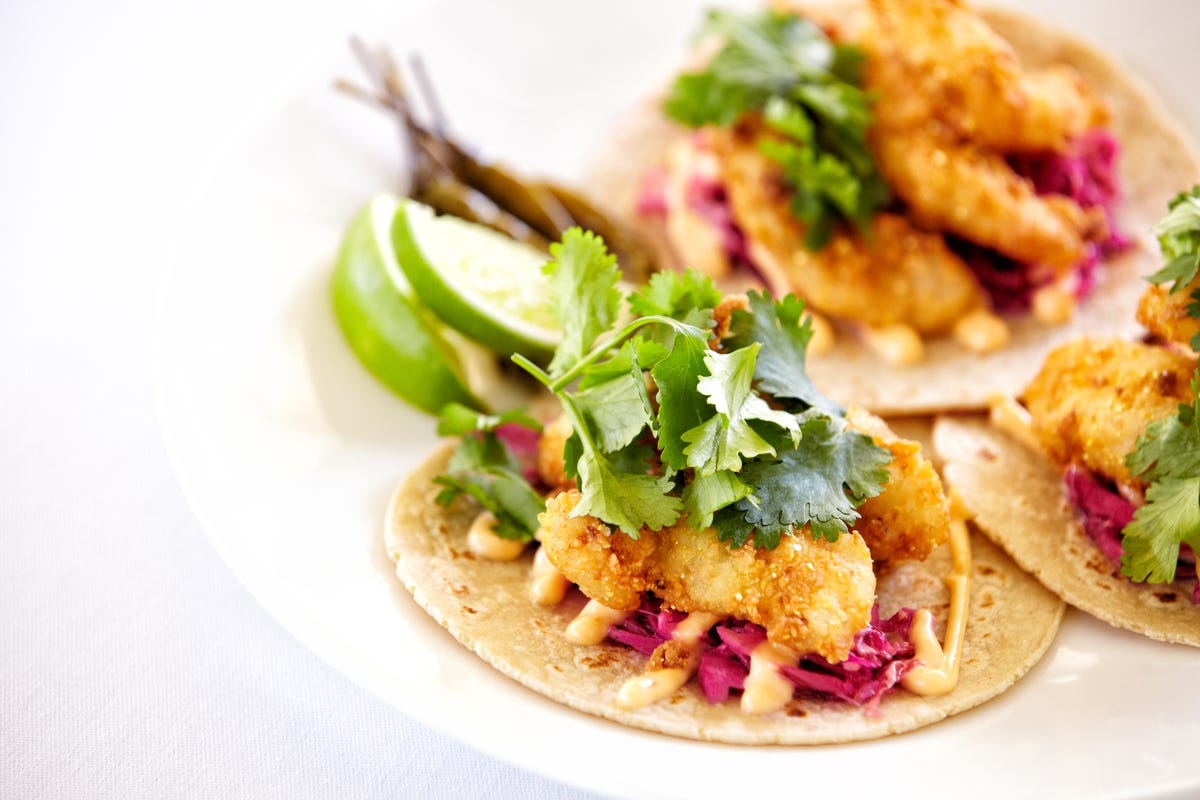
Fish tacos on a plate, with corn tortillas and fresh cilantro.

GSPictures/Getty Images

3. Lean and plant protein

While certain proteins — like red and processed meat — can be hard on your heart, others top the list of foods for heart health. The key here is to look for plant-based protein, lean animal proteins and fish. Experts recommend mixing up your protein sources. So you have plenty of options, stock up on:

  • Lentils
  • Beans
  • Nuts
  • Seeds
  • Tofu
  • Fish, especially ones high in omega-3 fatty acids
  • Eggs
  • Low-fat dairy products
  • Poultry
  • Seeds

Swap some of your red meat and cured pork for the options above and you’ll be doing your heart a favor. 

4. Healthy fats

You might think that fat spells heart trouble, but it’s all about the type of fat. While trans and saturated fats have been linked to cardiovascular issues in numerous studies, your body, including your heart, needs healthy fats. You can get these from fish, nuts and seeds, along with avocados and moderate amounts of plant oils like:

  • Olive oil
  • Sesame oil
  • Sunflower 
  • Soybean oil
  • Canola oil
  • Corn oil
  • Safflower oil

As a general rule of thumb, if the fat would be solid at room temp, it’s probably saturated. If it would be a liquid, it most likely falls under the unsaturated variety. Think butter (controversial for health) versus olive oil (definitely part of a heart-healthy diet). 

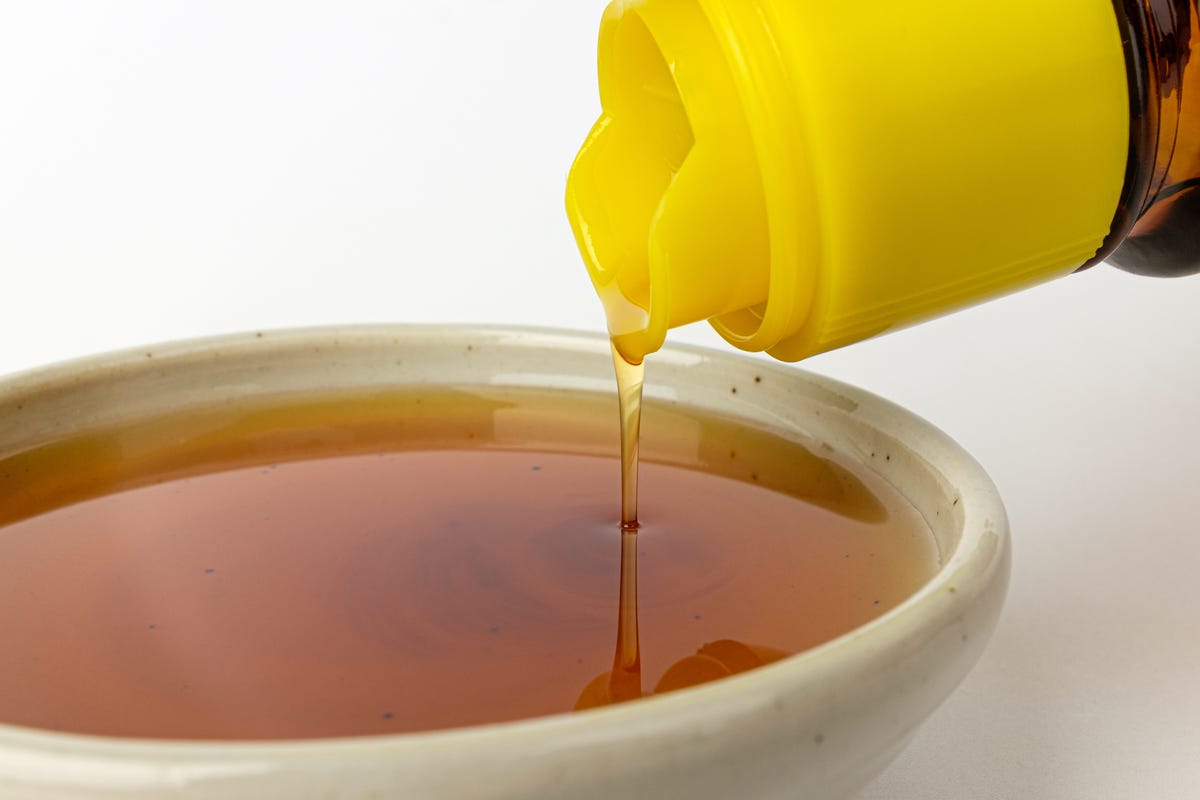
Sesame oil pouring into a small dish.

SUNGMIN/Getty Images

5. Heart-check foods

The American Heart Association has certified certain foods for heart health and given them the Heart-Check seal, which you can find on some food packaging. Once you learn that seal, it can make it easier to stock your cart with foods for heart health. 

For the best results, pair your heart-healthy diet with other heart health boosters like regular exercise, sleep and stress management techniques. It can also be helpful to learn your blood type and what it means for your risk of specific cardiovascular conditions. 

The information contained in this article is for educational and informational purposes only and is not intended as health or medical advice. Always consult a physician or other qualified health provider regarding any questions you may have about a medical condition or health objectives.