‘The People’s Hospital’ doctor treats Houston’s uninsured and undocumented : Shots

‘The People’s Hospital’ doctor treats Houston’s uninsured and undocumented : Shots

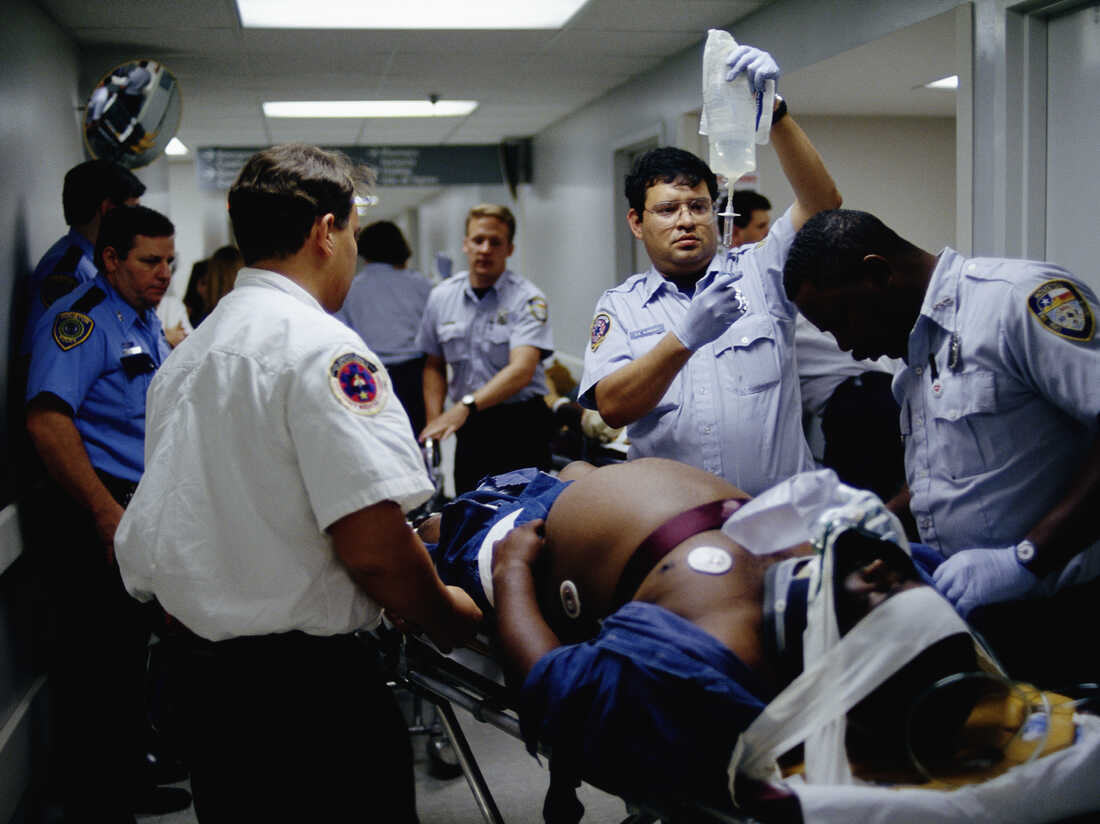
Paramedics at Ben Taub General Hospital speed a patient with a gunshot wound to the trauma team for further care. Ben Taub is the largest safety-net hospital in Houston.

Gregory Smith/Corbis via Getty Images


hide caption

toggle caption

Gregory Smith/Corbis via Getty Images


Paramedics at Ben Taub General Hospital speed a patient with a gunshot wound to the trauma team for further care. Ben Taub is the largest safety-net hospital in Houston.

Gregory Smith/Corbis via Getty Images

As a doctor in a so-called “safety-net” hospital, Ricardo Nuila’s daily practice looks quite different from that of his colleagues who work in private or not-for-profit hospitals. That’s because safety-net hospitals treat everyone who walks in the doors — regardless of insurance status.

Many of Nuila’s patients at Houston’s Ben Taub Hospital are dealing with serious illnesses as a result of not being able to get access to basic preventive care. “What we see is that patients’ lack of health care has meant that the disease has been able to grow within their bodies,” he says. “Their cancer is widespread, or we find that they have an infection that has not been treated or discovered.”

In his new book, The People’s Hospital, Nuila writes about his experiences at Ben Taub, which is the largest safety-net hospital in Houston. He says despite the hospital’s budget constraints, the doctors and nurses there still manage to provide quality health care. By limiting the number of patients a practitioner can see in a day, Ben Taub allows physicians to spend more time with their patients than is typical.

“My cap is 15 patients in one day,” Nuila says. “That’s compared to some of my colleagues in the private world, who I’ve heard admit up to 24 patients in one night, or don’t carry a cap.”

Because resources are tight at Ben Taub, there is an emphasis on using them mindfully, Nuila says. Instead of ordering an MRI with the push of a button, for instance, he might talk to the radiologist directly, to find out if extra imaging is really called for. “There are benefits to further discussion between medical professionals about emergencies and how to deal with these emergencies,” he says.

Overall, Nuila says, working at a safety-net hospital allows him to keep his focus on medicine: “I like that I have the time to be able to hear my patients’ stories, that I don’t have to think about billing all the time, that I can sit with them and hear about why they came to the hospital and learn about their lives — and that, no matter what, we are going to be thinking about how best to help them, regardless of whether they have insurance or not.”

Interview highlights

The People's Hospital, by Ricardo Nuila

On treating undocumented people at the hospital

It’s not considered illegal. … The law EMTALA — the Emergency Medical Treatment & Labor Act — that was passed in the 1980s, that states that anybody in the United States, whether you’re a resident or not, whether you have health insurance or not, can go to a hospital and receive an exam and stabilizing treatment. So that’s a right that everybody in the United States has, regardless of citizenship. What’s different about the safety-net hospital is that we have clinics and we have chronic care also — and that was under question by certain politicians, who ultimately found that it didn’t make any sense to question that. Because when you get in the way of preventive care, when you get in the way of primary care, those patients end up coming to the emergency room and they become much more expensive. … So, [the politicians] decided that the financial gains were more important [than limiting care].

On explaining the American health care system to uninsured patients

The patients are all so different — some have had multiple family members in the United States before, so they understand the landscape a little bit better. But yeah, it can feel very, very contradictory when I tell patients that, well, “You need health insurance for that.” And they will say sometimes, “Well, in Mexico or in Guatemala (or whatever), I don’t necessarily.” And it’s hard to explain that in the richest country in the world, there’s little available for people without health care insurance.

Now, I’m happy that in Harris County [in Texas], where I work at Harris Health, we can provide a robust set of services. But somebody who lives outside of the county doesn’t have availability for those services. And that’s one of the things that I’ve argued, is that the line between Mexico and the United States is not as important as the line between Harris County and Fort Bend County, for instance, in some of the treatments that we give to patients.

On speaking Spanish with patients

That’s one of the reasons that I love my job and I love the hospital where I work — I can speak Spanish. … The people are so happy to hear somebody attempt to speak their language, and not just on a translation basis, but the flavor of the language and also thinking about the locations [they come from]. For instance, when I ask somebody where they’re from and they say Mexico or El Salvador, it’s never enough for me to hear just a country. I need to ask a region so I can situate it in my mind, the map, and draw a relationship that I have with that region. And so I think it helps a lot for building trust with patients.

On his reaction when very sick patients put their faith in God

I don’t dismiss it. Because I feel that science and medicine, we don’t know everything. There’s a lot of mystery in this world and I think faith is important. I’m not saying that faith in one particular religion is important, but faithfulness is important. I think that in my experience, when people demonstrate faith, whether it’s in their God or whether it’s in the treatment, they do better. It’s not my job to take away that person’s faith. What I tell people is that I’m just doing my job, which is [that] I’m a human being, and I need to tell you … the recommendation from doctor human beings for this illness and for the treatment, but that I’m just a person and I don’t know. And that’s the truth – we don’t know everything. We have very good ideas. When somebody is close to death, we can prognosticate quite accurately if that person’s going to die or not. But I can not tell exactly when that is going to happen. And I don’t want to rob somebody of their faithfulness.

On struggling with thoughts of suicide after the suicide of a friend and colleague

I think everything was a struggle. And I think that seeing somebody like Dave, who I admired so much, who was a friend, my best friend in the hospital, who I could speak with and who was so knowledgeable and intelligent — just to know that that is a risk for me as I grow older. Dave was also a very good father and it’s something that I’ve struggled with, parenting.

It felt so much like a pressure of trying to be a good father while trying to be a good doctor, while trying to be a good writer. They can work together, but there are moments where they feel like they can just implode on themselves. And I think that knowing that that had happened to my friend weighed on me and made me think, Is this going to be me? Is this the fate that so many of us who care a lot that we face? …

Therapy helped. I found a therapist who was very attuned to people who were creative types. … That listening really helped. My relationships improved. When I was at my lowest, I could look at my relationships with the people who were around me, who I valued the most, and I can see that at that moment they weren’t great relationships. And somehow over time, those relationships started to improve and that helped immensely. I think that writing also helped me too, at the end of the day.

On hospital staff losing their sense of meaning with their job because of burnout

For me that just demonstrates a real fundamental problem with how health care is administered in this country. If something like medicine, where you are helping people on a daily basis, if you can’t see the meaning behind that, that’s a bad omen. Whenever a patient tells me, “I’m thirsty” and I go get them ice water, I feel really good that day. Something as simple as that. With my Spanish-speaking patients, they can say one phrase to me and I will feel satisfied for that day — when they say, “Que amable,” which means you were very kind in the way you said that. And I feel that that gives me a lot of meaning for the day. But I feel that the pressures and the mechanism by which health care operates right now obfuscates that for so many people. And that’s sad to me. Now, I take a little bit of heart in that the medical field is really taking this seriously and is trying to do something about this. There is an added emphasis now on bringing in the arts and humanities into medicine.

Audio interview produced and edited by: Sam Briger and Thea Chaloner. Audio interview adapted for NPR.org by: Bridget Bentz, Molly Seavy-Nesper and Deborah Franklin.

Ancient DNA as a tool for medical research

The simplest model used to study human susceptibility to infection is genetic predisposition to infectious diseases through inborn errors of immunity — mutations that increase the risk of severe infections6. The most successful approach has been to study people who are extremely susceptible to infections, as they have the highest odds of carrying highly penetrant genetic lesions. The main advantage of this approach is that causality between genotype and phenotype follows naturally from the study of an in vivo (human) model, although its implementation requires the extensive genetic screening of severely ill patients.

An alternative approach is to study the effects of natural selection from pathogenic pressure on human genome variability7. These two frameworks are comparable in that both involve the identification of variants that increase the risk of a given infectious disease in natura. However, they differ in that inborn errors of immunity usually operate at the scale of a single generation, whereas gradual pathogenic pressure operates at the scale of many generations, which makes it possible to identify genetic variants with effect sizes that differ by several orders of magnitude.

Recent studies have highlighted the value of using ancient genomes from different epochs, known as aDNA time series, to reconstruct the evolutionary history of immune disorders and past epidemics (Fig. 1). One recent proof-of-concept study of more than 1,000 genomes dated to within the last 10,000 years of European history showed that a tuberculosis risk variant, TYK2 P1104A, present in around 3{bf0515afdcaddba073662ceb89fbb62b6b1bf123143c0e06b788e1946e8c353f} of people of European ancestry, has evolved under strong negative selection over the past two millennia8. This finding, probably reflective of the pressure imposed by Mycobacterium tuberculosis, would have been very difficult to achieve through studies of modern DNA. Indeed, most methods for detecting natural selection in modern DNA data are underpowered for low-frequency variants.

Fig. 1: Ancient DNA can identify genetic variants associated with disease risk.
figure 1

Schematic representation of the use of aDNA to study the effects of negative selection on genetic variants associated with disease risk in the context of past pathogenic pressure. Here, the aDNA samples date from either before or after an epidemic event. The frequencies of DNA variants between the two groups of samples (pre- and post-epidemic groups) can identify genetic variants that are targeted by negative selection, which are present at a significantly lower frequency than would be expected by chance in the post-epidemic group. Such observations provide clues to the pathogenic nature of the variant, and the corresponding gene, in the context of the infectious disease studied.

The evolutionary history of the pathogen itself can also provide insight into the dynamics of past epidemics, but this was difficult to characterize until samples from ancient pathogens became available. In the context of tuberculosis, studies of ancient mycobacteria have dated the most recent common ancestor of the pathogen to only 6,000 years ago, which contrasts markedly with the estimates of more than 70,000 years ago that were obtained from studies of modern strains of M. tuberculosis9. Medical practitioners may find aDNA studies similarly helpful for pinpointing genetic variants of microorganisms, as their evolutionary history can reveal their deleteriousness to human health.

aDNA time series at the scale of the entire human genome can identify variants under negative selection, which is useful for the detection of new genetic factors associated with immune disorders, as described in a recent study10. Paleogenomics therefore appears to be a powerful approach, complementary to epidemiological and clinical genetics studies, that can be used to confirm and expand on genetic variants associated with disease risk.

Google flexes its health care AI muscle

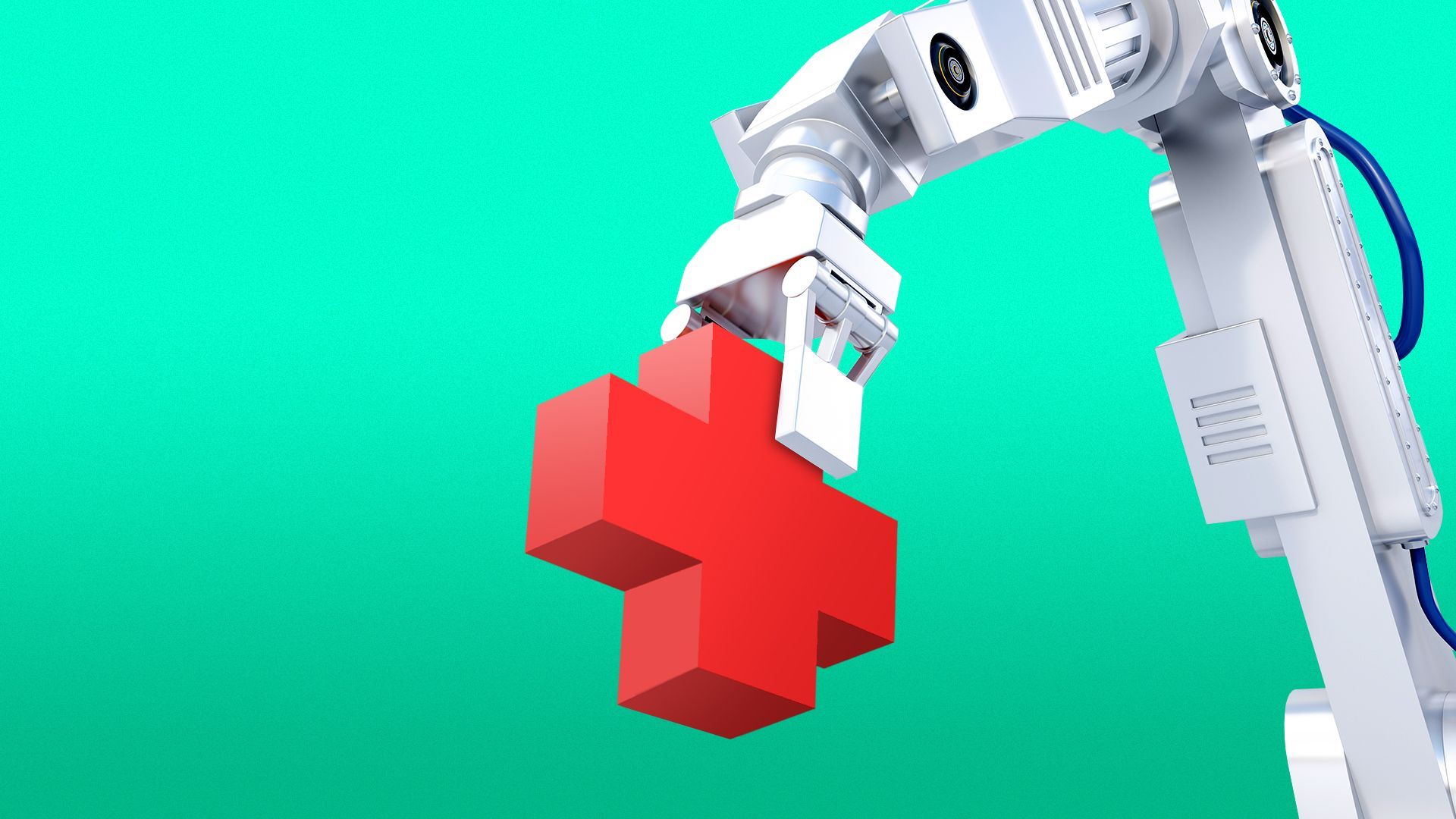
Illustration of a robot arm lifting a medical cross

Illustration: Annelise Capossela/Axios

Google showed off an array of new artificial intelligence (AI)-driven health care tools on Tuesday, from a souped-up chatbot that can shed light on your medical symptoms to enhanced search features that tell you if a doctor takes Medicaid.

Why it matters: There’s an arms race among big tech companies to infuse their products with AI — but the results, particularly in health care, can have unwanted consequences or pitfalls, like racial bias, privacy concerns and ethical problems.

Driving the news: The “large language model” that Google has been building for the medical world — an AI chatbot called Med-PaLM 2 — now consistently passes medical exam questions with a score of 85{bf0515afdcaddba073662ceb89fbb62b6b1bf123143c0e06b788e1946e8c353f}, placing it at “expert” doctor level, the company said.

  • That’s an 18{bf0515afdcaddba073662ceb89fbb62b6b1bf123143c0e06b788e1946e8c353f} improvement from the system’s previous performance, per the company, and “far surpasses similar AI models.”
  • A rival generative AI tool, ChatGPT, also passed the medical exams — but just barely. (ChatGPT’s creator, OpenAI, just released a new, more powerful version of its underlying tech.)
  • Google’s system is being trained to “retrieve medical knowledge, accurately answer medical questions, and provide reasoning,” the company says.

Yes, but: Google acknowledges AI’s shortcomings in the medical realm.

  • “There’s still a lot of work to be done to make sure [Med-PaLM 2] can work in real-world settings,” reads a blog post from Yossi Matias, a Google vice president of engineering and research, and Greg Corrado, its head of health AI.
  • Google found “significant gaps” when the tool was “tested against 14 criteria — including scientific factuality, precision, medical consensus, reasoning, bias and harm,” per the post.
  • “We look forward to working with researchers and the global medical community to close these gaps and understand how this technology can help improve health delivery.”

Meanwhile: Google’s conversational AI technology Duplex has called hundreds of thousands of U.S. health care providers to see if they accept Medicaid. The results are being displayed in Google Search, ahead of a March 31 re-enrollment deadline.

  • Google Search results will also soon highlight “providers that identify as community health centers offering free or low-cost care,” the company said.
  • And an improved version of Fitbit’s health metrics dashboard will soon be available — in some cases without a subscription — to help people map changes and trends in their breathing rate, skin temperature and blood oxygen.

What they’re saying: “The future of health is consumer-driven,” Karen DeSalvo, Google’s chief health officer, told reporters.

  • “People will expect a mobile-first experience with more personalized insights, services and care.”

Zoom out: Google is also deploying AI tools to help offer high-quality, low-cost medical diagnostics globally.

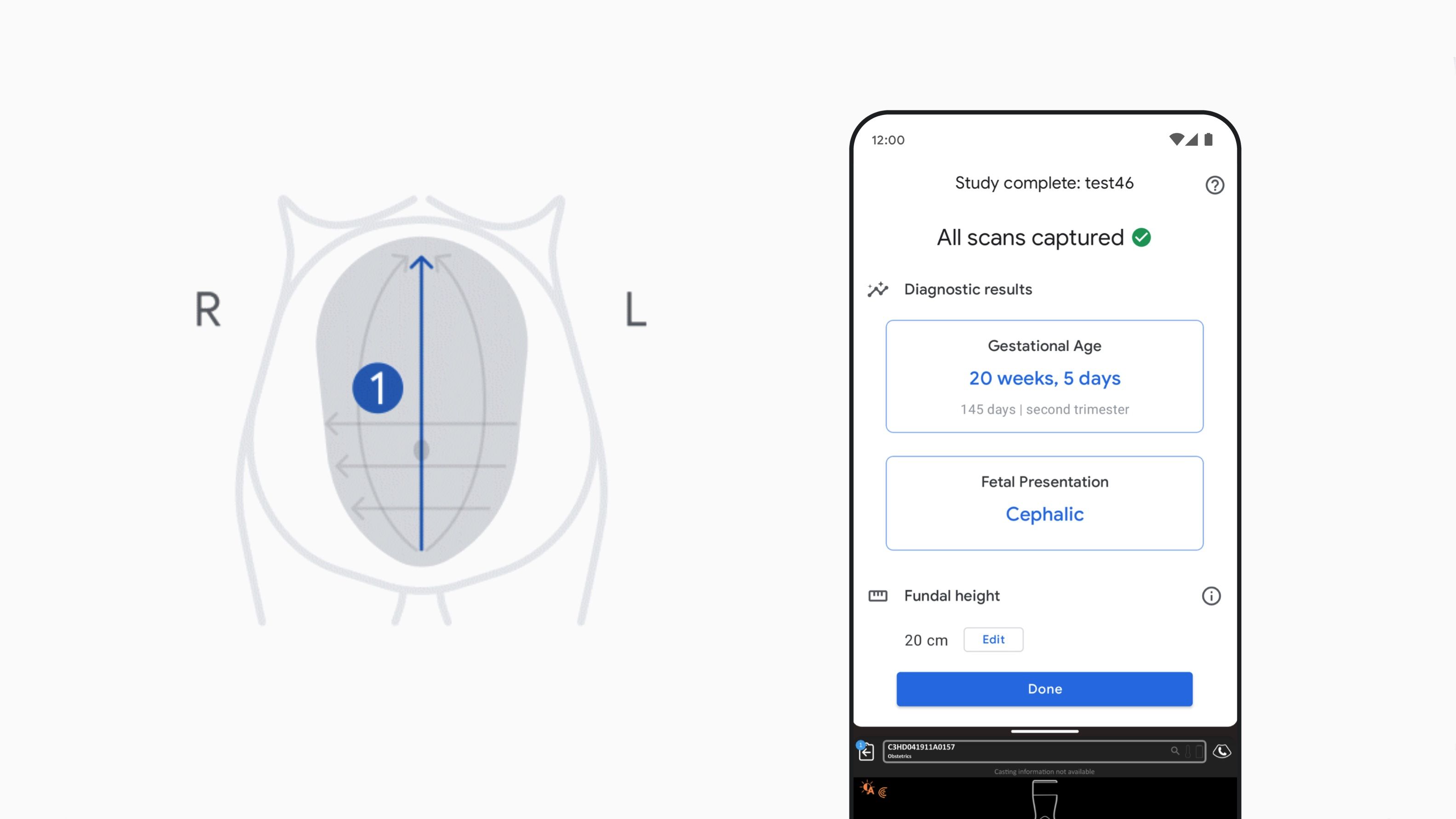
  • Ultrasound devices with Google AI are being used to detect breast cancer in Taiwan and determine gestational age in expectant mothers in Kenya.
  • Another Google AI tool that checks chest X-rays for signs of tuberculosis is being rolled out in Sub-Saharan Africa.
A schematic image of an ultrasound of a pregnant uterus and a screen that shows gestational age.
Google’s AI-powered ultrasound system. Image: Courtesy of Google

Between the lines: The company is acutely aware of criticisms that “Dr. Google” can sometimes lead users to misleading or dangerous health guidance.

  • Another new YouTube feature helps people “find human answers” to their health questions, said Garth Graham, director and head of health care and public health at Google/YouTube.

Google also announced a partnership with ThroughLine, which connects users to free mental health crisis support in more than 100 countries.

  • “This will increase the number of crisis helplines that appear at the top of search results,” reads a blog post from DeSalvo. The feature is aimed at “searches related to suicide, domestic violence and other personal crisis topics.”

The big picture: Even as they take breathtaking strides toward improving health care with AI, tech companies and others have been stumbling with what they’ve unleashed.

  • Older people covered by Medicare Advantage are finding their benefits cut off by AI algorithms no matter how dire their medical needs, a Stat News investigation found.
  • Verily Life Sciences, a unit of Google parent company Alphabet that focuses on treatment personalization, started laying off staff in January, per the Wall Street Journal.

On the plus side, AI is starting to detect breast cancers that radiologists miss, as the New York Times reports.

  • The development is “one of the most tangible signs to date of how AI can improve public health,” per the Times — yet the technology produces too many false positives and still needs to “show it can produce accurate results on women of all ages, ethnicities and body types.”

The bottom line: Medicine will always need to rely on a healthy mix of technology and human know-how.

  • “AI on its own cannot solve all of health care’s problems,” Alan Karthikesalingam, the surgeon-scientist who leads Google Health’s machine learning research group, said Tuesday.
  • “Medicine, after all, is about caring for people.”

Fitness influencer Brittany Dawn accused of scamming clients vows to ‘fight back’

A Texas social media influencer accused of scamming clients who purchased her online fitness and nutrition program is now facing trial in Dallas, and she says she’s ready to “fight back.”

Brittany Dawn Davis, a fitness influencer and owner of Brittany Dawn Fitness LLC who has since adopted a more faith-based approach to her social media presence, is accused of misleading clients who signed up to receive her customized fitness and nutrition packages.

“[M]y time to fight back is here,” Davis, who now goes by Brittany Dawn Nelson on her social media pages, wrote in a Monday Instagram post. “…[J]ust over 4 years. [T]hat’s how long I’ve remained composed, silent, and have patiently waited on the Lord. 35,856 hours of my life that I have wept with reverence for Him as I kept hearing ‘do not speak up yet’ as I sat wayside while strangers on the internet slandered, harassed, defamed, stalked, and destroyed my reputation.”

Davis added that though she has “remained silent” while social media users “invent narratives” about her and “come after” her home, family, and life, “they have no idea who they’re messing with.”


Fitness influencer Brittany Dawn accused of scamming clients vows to ‘fight back’
Texas social media influencer, Brittany Dawn Davis, who is accused of scamming clients through her online fitness and nutrition program is now facing trial in Dallas.
Instagram/ @RealBrittanyDawn

“[T]here is a fire building within my heart – like a lion roaring on the inside of me,” she wrote. “[I]f you think you’ll never be found behind an anonymous account and be held accountable for damages, threats, defamation, and slander… think again. Christians might be gentle, but we are not soft.”

The lawsuit filed against Davis and her fitness company alleges Davis did not deliver on the personalized fitness packages, coaching, and check-ins that she promised those who purchased one of her plans.

“Beginning in 2014, Defendants profited from the sale of online fitness packages to thousands of consumers with the promise of personalized nutritional guidance and individualized fitness coaching. Specifically, Defendants’ online fitness packages offered ‘macro’ nutritional assessments and, depending on the plan purchased, daily or weekly email training and one-on-one coaching. Defendants’ online nutrition and fitness packages ranged from $92.00 for one-time macro consultation to $300.00 for three months of personalized macros, training, and coaching,” the complaint against Davis states.


Brittany Dawn Davis.
The fitness influencer is accused of misleading clients who signed up to receive her customized fitness and nutrition packages.
Instagram/ @RealBrittanyDawn

Court filings in the case further state that "the vast majority" of more than $1.5 million deposits to Brittany Dawn Davis' PayPayl account.
The lawsuit alleges Davis did not deliver on the personalized fitness packages, coaching, and check-ins that she promised.
U.S. District Court

But the packages for clients “were not individualized,” plaintiffs allege, and Dawn “failed to provide the promised coaching and check-ins” to her clients. 

“Defendants largely ignored consumer complaints or, if they did respond, offered only partial refunds. In 2019, consumers’ complaints on social media garnered media attention prompting Defendant Davis to make a video apology posted to YouTube. Defendants promptly took the website down,” the lawsuit says.

Her trial was scheduled to begin on March 6 but was postponed indefinitely. 


Brittany Dawn Davis.
“[M]y time to fight back is here,” the influencer wrote on her social media page.
Instagram/ @RealBrittanyDawn

Meanwhile, Davis has embarked on a new entrepreneurial journey as the founder of She Lives Freed – a team of 14 women who organize women’s faith retreats that cost $600 per person.

“She Lives Freed was founded by Brittany Dawn after the Lord radically changed her life in 2019, from darkness to light. Her mission is to share the gospel of Jesus, cultivate a community of sisters, and walk alongside women into freedom through the love of our Savior,” the She Lives Freed website states.

The first women’s retreat took place in Austin in January 2021. Since then, the organization has hosted five more retreats, with the next taking place in Oklahoma, according to the website.

Pediatric Medical Devices Global Market Report 2023:


Dublin, March 15, 2023 (GLOBE NEWSWIRE) — The “Pediatric Medical Devices Market Size, Share & Trends Analysis Report By Product (Cardiology Devices, In Vitro Diagnostic (IVD) Devices, Diagnostic Imaging Devices), By End-user, By Region, And Segment Forecasts, 2023 – 2030” report has been added to ResearchAndMarkets.com’s offering.

The global pediatric medical devices market size is expected to reach USD 51.9 billion by 2030, expanding at a CAGR of 7.8{bf0515afdcaddba073662ceb89fbb62b6b1bf123143c0e06b788e1946e8c353f} over the forecast period. The rising prevalence of chronic diseases among children such as asthma, cystic fibrosis, diabetes, epilepsy, and technological advancements in pediatric medical devices are the major growth-propelling factors for the market.

Pediatric medical devices diagnose or treat diseases from birth through adolescence. The Federal Food, Drug, and Cosmetic Act consist of pediatric patients aged 21 or younger at the time of the treatment. In the U.S., the commercialization and development of pediatric medical devices lag significantly behind the medical devices for adults. In the last few years, only 24{bf0515afdcaddba073662ceb89fbb62b6b1bf123143c0e06b788e1946e8c353f} of lifesaving medical devices have been approved by the FDA that can be used for childcare, and the majority of its users are 12 years and above.

The COVID-19 pandemic has put the medical device industry at the center with unparalleled demand for personal protective equipment, diagnostic tests, ventilators, and other critical medical supplies. However, the pediatric medical device industry is highly impacted by the substantial decrease in the number of surgeries, many of which are being canceled or postponed so that hospitals and clinics can focus their resources on treating COVID-19 patients. The reopening of manufacturing units and supply-chain is expected to grow the market of pediatric medical devices.

The development and design of pediatric medical devices continue to be an exciting field. There are only a few pediatric devices in the market which is forcing pediatric professionals to suggest alternative ways of treating children using devices mainly made for adults.

Pediatric medical devices cover a wide range of indications and risks associated with child care. It also helps to reduce disease burden and improve the quality of life for many children.

Various innovation competitions took place to support new and advanced pediatric medical devices. For instance, since 2013, the “Make Your Medical Device Pitch for Kids” international competition has focused on supporting and identifying innovations that will make a substantial improvement in pediatric care.

Pediatric Medical Devices Market Highlights

  • The anesthesia and respiratory care devices segment is expected to showcase the fastest CAGR over the forecast period as it is a commonly used product among children
  • In Vitro Diagnostic (IVD) Devices segment held the largest share as of 2022 owing to the accurate and error-free diagnostic through the product
  • The pediatric clinics segment is expected to showcase lucrative CAGR over the forecast period as these clinics are especially focused on children’s care
  • The hospitals held the largest share as of 2022 owing to the high number of patient admission in the hospitals

Key Attributes:

Report Attribute Details
No. of Pages 110
Forecast Period 2022 – 2030
Estimated Market Value (USD) in 2022 $28.4 Billion
Forecasted Market Value (USD) by 2030 $51.9 Billion
Compound Annual Growth Rate 7.8{bf0515afdcaddba073662ceb89fbb62b6b1bf123143c0e06b788e1946e8c353f}
Regions Covered Global

Key Topics Covered:

Chapter 1 Methodology and Scope

Chapter 2 Executive Summary

Chapter 3 Pediatric Medical Devices Market: Variables, Trends, & Scope

Chapter 4 Pediatric Medical Devices Market: Product Segment Analysis
4.1 Pediatric Medical Devices Market: Market Share Analysis, 2022 & 2030
4.1.1 Cardiology Devices
4.1.2 In Vitro Diagnostic (IVD) Devices
4.1.3 Diagnostic Imaging Devices
4.1.4 Anesthesia And Respiratory Care Devices
4.1.5 Neonatal Icu Devices
4.1.6 Others

Chapter 5 Pediatric Medical Devices Market: End-User Segment Analysis
5.1 Pediatric Medical Devices Market: Market Share Analysis, 2022 & 2030
5.1.1 Hospitals
5.1.2 Pediatric Clinics
5.1.3 Ambulatory Surgical Centers
5.1.4 Others

Chapter 6 Pediatric Medical Devices Market: Regional Analysis

Chapter 7 Company Profiles

Companies Mentioned

  • TSE MEDICAL
  • Ningbo David Medical Device Co. Ltd
  • Hamilton Medical
  • GE Healthcare
  • Fritz Stephan GmbH
  • Phoenix Medical Systems Pvt Ltd
  • Novonate Inc.
  • Trimpeks
  • Atom Medical Corporation
  • Abbott
  • Medtronic PLC

For more information about this report visit https://www.researchandmarkets.com/r/jlcphr

About ResearchAndMarkets.com
ResearchAndMarkets.com is the world’s leading source for international market research reports and market data. We provide you with the latest data on international and regional markets, key industries, the top companies, new products and the latest trends.


‘Eating disorders are not lifestyle choices’: Why many people share a complicated relationship with food

Kritika Ghai was first diagnosed with binge-eating disorder when she was merely 12 years. Since birth, she had an enlarged adenoid that blocked her nose pipe, making her gain weight. Her suffering was further exacerbated by her inability to perform any kind of exercise, owing to her irregular breathing patterns. As such, as a child, she was put on various extreme diets to manage her weight. This forced her to eat large amounts of food — rapidly and secretively. “Not knowing what I was going through, eating became a way to validate my emotions,” she said, adding that the pandemic-induced anxiety only led to her eating even more food during stressful and lonely times.

Finally, she consulted a nutritionist who helped her develop healthy eating patterns. Ghai was advised to not curb her cravings and eliminate the difference between ‘good’ and ‘bad’ food in order to stop associating eating with guilt and shame. “I started seeing my body as a structure that supported me and this perspective enabled me to develop a healthy body image,” she said. Finally, after years of battling with this binge-eating disorder, she has developed a healthy relationship with food by eating regular meals, exercising and food-mapping, a technique which involves charting your daily meals in a journal to keep a track of what you’re eating.

Similarly, Pranshu Mishra developed binge-eating disorder due to polycystic ovarian syndrome (PCOS), stress, and an excessive study load in eleventh grade. “You just don’t stop at one single serving; you just mindlessly eat even if you feel discomfort,” Mishra said, calling eating disorders “a tug of war between the stomach and brain”.

While eating her favourite food induced happy hormones in her body, she would feel immense guilt immediately after consumption, leading her to starve herself for hours before repeating the same cycle, she admitted.

Ann, on the other hand, developed bulimia — a serious eating disorder marked by bingeing, followed by methods to avoid weight gain — in 2007. “I have been a chubby kid all my life because of which I faced a lot of bullying. It reached a point where people made snide remarks like ‘do people in your house get to eat food or do you eat it all?’ or ‘go for a walk.’ This massively affected me, and I stopped eating in front of people,” she told indianexpress.com. Owing to her condition, she used to excessively work out which made her lose weight drastically. “I felt very weak and light-headed all the time,” she said.

To understand more about the mental and physical aspects of such eating disorders, we reached out to experts, who emphasised that these disorders are not lifestyle choices. Dr Aparna Ramakrishnan, Psychiatry Consultant, Kokilaben Dhirubhai Ambani Hospital, Mumbai said, “Eating disorders are complex disorders associated with significant disturbances in an individual’s eating behaviours and related thoughts, emotions and attitudes which impair their physical, psychological health and psychosocial functioning. They can often be life-threatening.” She highlighted that the exact causation is elusive, but eating disorders are caused by a complex interaction of genetic, biological, behavioural, psychological and social factors.

Agreeing, Dr Meghana Pasi, Nutrition Consultant, MyThali Program, ArogyaWorld said, “Societal and peer pressure to achieve unrealistic body standards as well as people with low self-esteem and impulsive behaviour are at risk of developing eating disorders.” The expert said that nutritional counselling, psychotherapy and medications are some available treatment options.

Implementing these, Mishra sought nutritional advice from a dietitian who asked her to eat at regular intervals and practise mindful eating, a technique which makes you pay closer attention to your food and how it makes you feel, thereby helping you distinguish between physical and emotional hunger. Alongside, she also included physical activities such as swimming, yoga, and exercise in her routine which made her feel better about her body. “Earlier, people used to body shame me and call me different names, but after developing self-confidence, I am able to ignore their nasty remarks,” she said.

As for Ann, running was what changed her life for the better as it became a mechanism for her to lose weight in a healthy way, helping her achieve mental peace.

Does social media affect eating disorders?

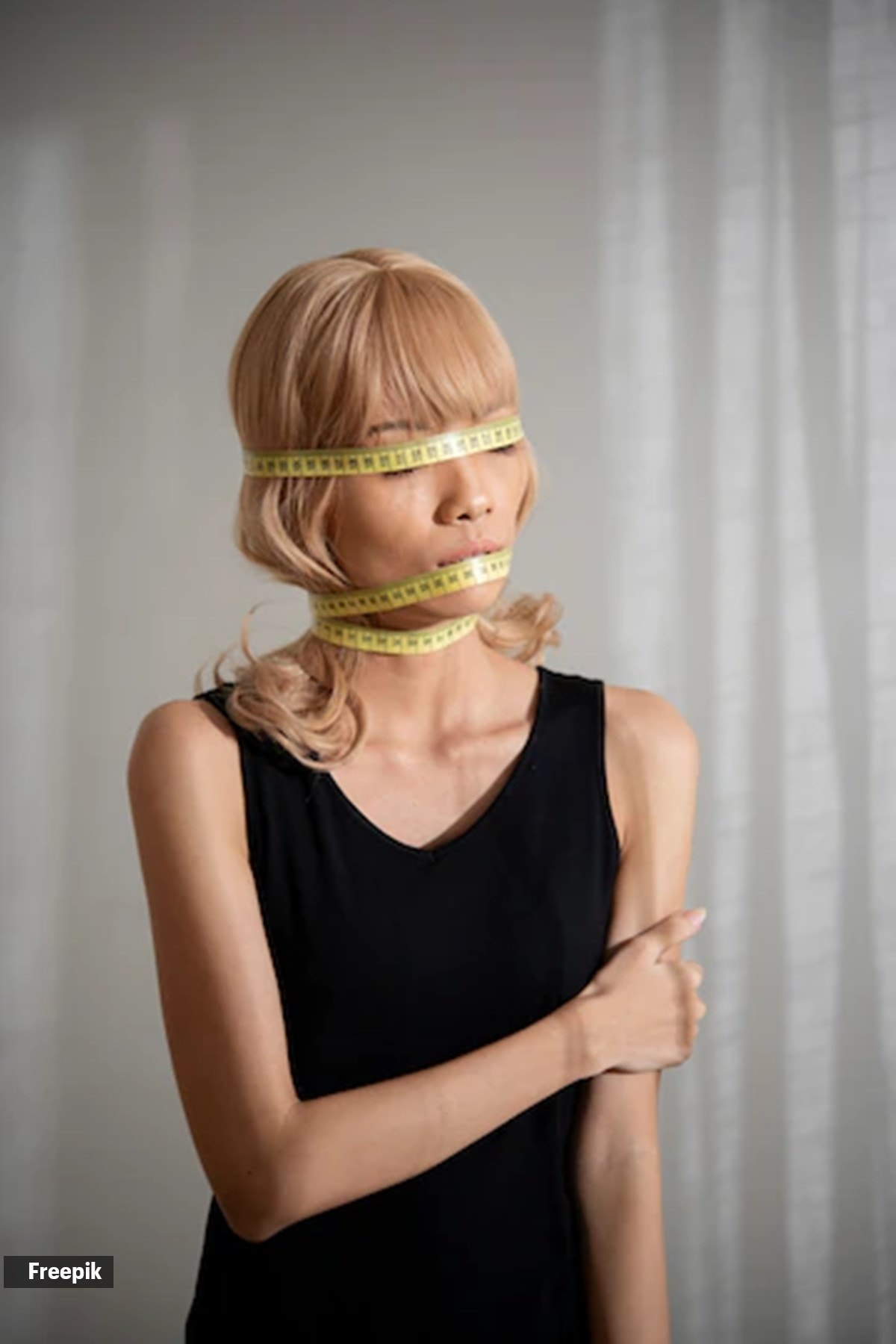
‘Eating disorders are not lifestyle choices’: Why many people share a complicated relationship with food Social media plays a huge role in our relationship with food. (Source: Freepik)

Talking about the same, Dr Ramakrishnan said, “Exposure to media like fashion magazines, television and social media mediate thin-ideal internalisation and can be associated with the development of eating disorders. More time spent or frequent use of social media means more exposure to images, messages and peer interactions which can propagate body stereotypes.” She further explained that inaccurate visual media representation like the use of filters on photos and videos can raise the risk of eating disorders.

Moreover, after analysis of videos and chat groups across social media platforms, there is a worrying presence of ‘pro-ana’ and ‘pro-mia’ content which focus on anorexia and bulimia being lifestyle choices (that are to be respected) rather than being categorised as disorders, Dr Ramakrishnan said. 

Agreeing, Dr Dinika Anand, Clinical Psychologist, BLK-Max Superspeciality Hospital said, “Social media plays a huge role in our relationship with food. On one end, social media projects the ideal body type and size, and on the other end, it glorifies and celebrates food through advertisements and food bloggers.”

The experts stressed that women are more likely to be affected by social pressure and unfavourable evaluations of their physical appearance. Moreover, gender stereotypes, especially the objectification and sexualisation of women, contribute to the emergence of eating disorders among them. Research published in The Journal of Treatment and Prevention in 2012 concurs with this claim as it showed that men are less likely to be diagnosed with an eating disorder even when they exhibit the same symptoms as women because eating disorders are considered generally ‘female’ disorders.

Here are some tips by experts that can help manage eating disorders:

*Keep meals on track
*Eat small portions of meals throughout the day
*Stop starving
*Do not restrict your urges
*Delete or limit the usage of food delivery applications
*Scroll through social media mindfully by engaging with body positivity and relatable content instead of unrealistic and curated feeds

📣 For more lifestyle news, follow us on Instagram | Twitter | Facebook and don’t miss out on the latest updates!