Government pushes to set international standards for medical devices < Policy < Article

&#13
&#13

The Korea Disease Control and Prevention Agency (KDCA) will establish the “National Standard Implementation Plan for Medical Devices in 2023” to lead international standards and help domestic medical equipment makers advance overseas.

&#13
&#13

Government pushes to set international standards for medical devices < Policy < Article&#13
(Credit: Getty Images)
&#13

&#13
&#13

The main content of the implementation plan includes a push to win the final approval from the International Organization for Standardization (ISO) for two existing international standard plans suggested by Korea, three new international standard plans, and Korea’s hosting of international assemblies for electrical medical products, the agency said Wednesday.

&#13
&#13

“We are doing our best to ensure that medical device technology in which Korea has strengths can be enacted as the ISO standards,” the KDCA said.

&#13
&#13

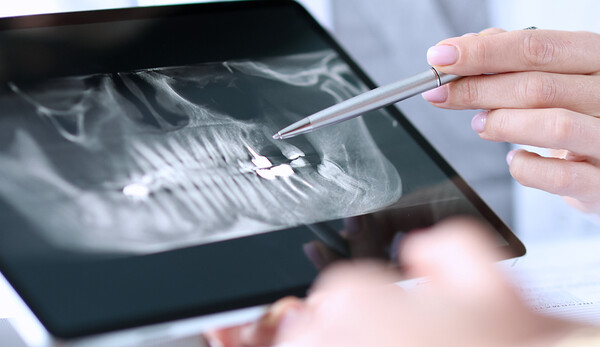
The agency noted that it is continuously participating in ISO’s general assembly and working-group meetings and positively presenting its opinions so that ISO approves the two international standards in dentistry it had submitted this year, adding that it would suggest three new international standard plans this year to lead making international standards in medical devices.

&#13
&#13

More specifically, KDCA is promoting to get the ISO’s final nods for “general requirements for non-hinged dental handhelds” and “frontal apparatus – part 4: auxiliary apparatus” as international standards in dentistry. In addition, it will push to make three new standards — general requirements for hinged hand tools for dentistry,” “focused tube equipment – part 8: precision of electronic root tube length meter,” and the “classification of dental equipment and devices according to reprocessing – as international standards.

&#13
&#13

Besides, the agency is pushing to streamline 144 Korea Standards in various areas — 22 standards related to electric and electronic medical devices, 110 related to dental, surgical, and in vitro diagnostic areas, and 12 related to individual medical devices and those used by the vulnerable class.

&#13
&#13

Meanwhile, the agency plans to hold an international assembly of electric medical devices to be attended by about 150 experts from 20 countries in September to heighten Korea’s status in the international community regarding this field.

&#13
&#13

The international meetings planned by the agency are the general assembly of the International Electro-technical Commission (IEC) and its technological group, TC (Technical Committee) 62, which deals with electric and mechanical safety, risk management, validation, and data security.

&#13
&#13

In these meetings, participants will discuss and decide on making and revising international standards regarding electrical medical products’ safety and essential function, including diagnostic imaging devices and radiation devices, the agency said.

&#13
&#13

“We will communicate with relevant experts based on regulatory expertise and maintain national standards (KS) continuously to ensure that the public can use high-quality medical devices with confirmed safety and high performance,” the KDCA said. “In addition, by reflecting Korea’s strong technical standards in the field of medical devices in international standards, we will actively support to enhance the status of the domestic medical device industry and help K-medical devices advance into overseas markets.

&#13
&#13


Eating handful of nuts daily reduces heart disease risk 25{bf0515afdcaddba073662ceb89fbb62b6b1bf123143c0e06b788e1946e8c353f}

Including some crunch to your menu could save your ticker.

Scandinavian scientists located that ingesting a little amount of money of nuts and seeds every single working day can cut down the danger of a heart assault and strokes, according to a new study posted in the Food stuff Nourishment Investigate journal.

“If you eat a handful of nuts just about every working day — that is close to 30 grams — you will have a 20{bf0515afdcaddba073662ceb89fbb62b6b1bf123143c0e06b788e1946e8c353f} to 25{bf0515afdcaddba073662ceb89fbb62b6b1bf123143c0e06b788e1946e8c353f} reduce threat of suffering from cardiovascular disease,” explained examine co-author Erik Kristoffer Arnesen, of the University of Oslo’s Division of Diet, in a statement.

“In comparison, grownups in the Nordic international locations only try to eat on regular about 4 grams of nuts a day. Quite a few do not consume nuts or seeds at all.”

Scientists claimed they never have a particular nut which is sure to reduce the possibility — but observed that almonds, pistachios and walnuts appeared to be the ideal for decreasing cholesterol.

While the workforce of scientists guiding the research mentioned “the more the better,” taking in just a few nuts is better than none — and can improve your coronary heart overall health noticeably.

“Nuts have a effective result on cholesterol levels in the blood, which is significant to retain lower in order to prevent the buildup of extra fat in the arteries,” Arnesen defined. “This atherosclerosis, as it is referred to as, is one particular of the finest danger factors for coronary heart attacks.”


Eating handful of nuts daily reduces heart disease risk 25{bf0515afdcaddba073662ceb89fbb62b6b1bf123143c0e06b788e1946e8c353f}
The investigate implies ingesting a serving of nuts a working day can lower the risk of coronary heart disease.
Getty Images

The composition of fatty acids in nuts is beneficial for aiding overall health, according to the study's authors.
The composition of fatty acids in nuts is beneficial for aiding over-all well being, according to the study’s authors.
Getty Illustrations or photos/iStockphoto

About 1.8 million individuals had been involved in the review, with researchers searching at the relative possibility to getting coronary heart ailment or strokes in comparison to how quite a few nuts they ate in a day.

Researchers discovered that nuts decreased blood lipids — or excess fat in the blood — really do not feel to affect blood stress, and have been unable to identify if they influence blood sugar.

It was also unclear if having nuts diminished the threat of strokes and Sort 2 diabetic issues, with the review authors expressing far more exploration is needed.

The co-authors prompt the composition of fatty acids in nuts is valuable for aiding total well being.

“Even however nuts can’t be employed to treat significant cholesterol, we believe that that the result is sizeable ample to be utilized as a preventive evaluate amongst the normal populace,” Arnesen reported.

In accordance to the Mayo Clinic, unsalted nuts are a fantastic supply of protein and have at least some of these heart-healthy substances, around four to six servings of unsalted nuts a week as component of a healthy diet plan for grown ups.

The results align with study discovering the popular Mediterranean diet regime — which was named the greatest general diet for 2023 — is identified to decreased the danger of cardiovascular disease and other chronic problems, in accordance to former investigation.

The Mediterranean diet plan consists of having a great deal of refreshing greens, fruits, fish, nuts and olives.

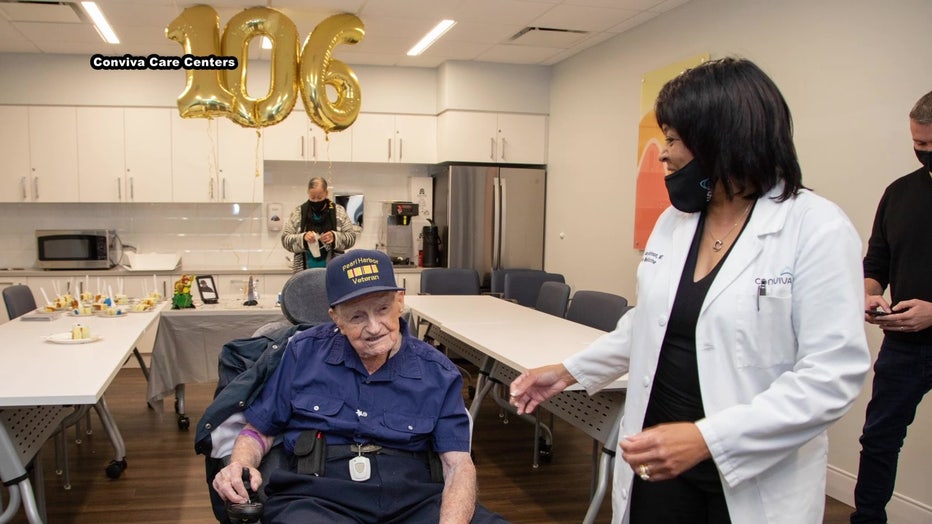
Bay area 106-year-old veteran credits close bonds, healthy diet and sense of humor to long life

Globe War II veteran Invoice Monfort has knowledge to final a long time. In December, he turned 106-a long time-aged. He is absent by means of a great deal in his everyday living from surviving the Kamikaze attacks and a scenario of COVID-19.

Monfort was born in 1916 back when a loaf bread price just 8 cents. About the exact same time, the very first extensive-distance phone was placed and the band-aid was invented. 

Read through: Globe War II airman from Tampa Bay spot recognized virtually 80 many years after his dying

“I grew up on a household farm, and we grew a lot of our have meals,” Monfort claimed.

Bay area 106-year-old veteran credits close bonds, healthy diet and sense of humor to long life

His life spans contain 19 US Presidents, a person of which grew up just down the avenue from him in Ga – the 39th President Jimmy Carter.

“I understood him when he was about 11-many years-aged, and I hardly ever noticed him again until he was jogging for president,” Monfort mentioned.

A lot more: Vietnam veteran’s pet dog tags returned to household 57 a long time later on

“We was talking to him, and you could see the Solution Assistance people having kind of jittery, and he turned to them and reported ‘don’t be concerned about him, I’ve acknowledged him due to the fact he was a kid,” Monfort said.

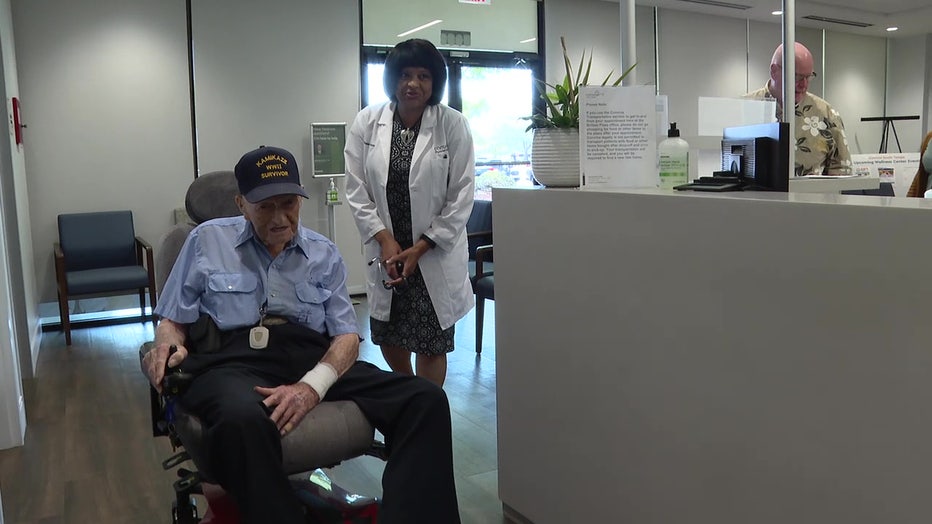
Monfort served in the Navy as a radio operator through WWII. He survived the kamikaze attacks and was the very first on his ship to understand of the attack on Pearl Harbor.

“I experienced just gone on enjoy, and they arrived in excess of the radio and mentioned “Air raid. Pearl Harbor. This is not a drill,” Monfort reported.

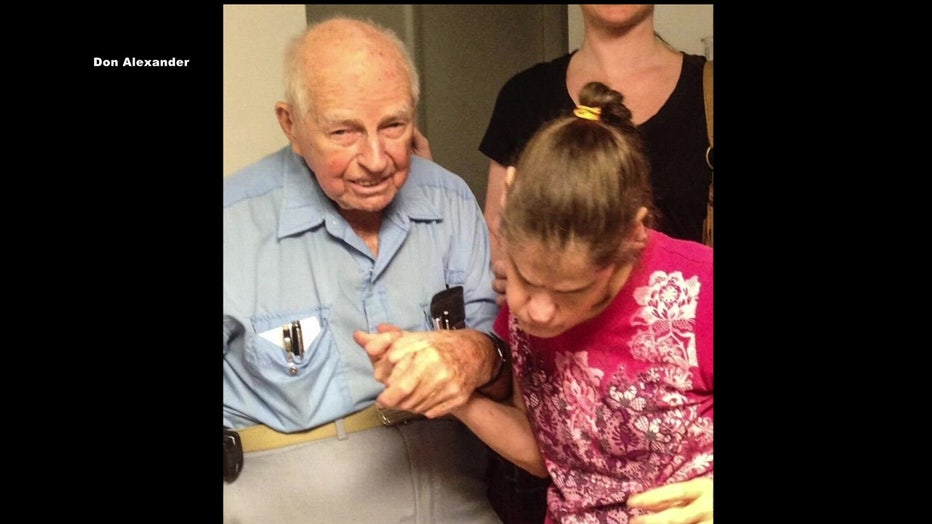
When Monfort returned to the US he and his wife Bessie aided completely transform care for young children with disabilities right after their daughter Rossie was born with developmental disabilities. The closest condition operate establishment was much more than two several hours away in Fort Myers.

Previous: ‘Our finest generation’: Parade held for Dunedin veteran’s 98th birthday

So, they commenced the non-financial gain Angels Unaware, so persons like Rossie could are living in a dwelling-like placing. Nowadays, Angles Unaware has eight campuses and is the longest managing team property in the Tampa Bay space.

“We know it is helping a ton of folks. It is really supporting a great deal of mother and father much too,” Monfort said.

In December, Monfort celebrated his 106th birthday.

“Genetics has a good deal to do with it, for the reason that you happen to be not heading to come across a great deal of 100-year-old people today and in his affliction a very mind. He thinks very properly,” his medical professional Dr. Angela Ross-Johnson stated.

He’s also a COVID-19 survivor who used three months in the clinic. Ross-Johnson with Conviva Treatment Facilities has been his doctor for the past 13 several years.

As Monfort places it, he enjoys men and women and values interactions most. He credits his longevity to these close bonds, a nutritious diet and a sense of humor 

End of Covid Emergency Will Usher in Changes Across the US Health System

The Biden administration’s choice to end the covid-19 general public health unexpected emergency in May well will institute sweeping modifications throughout the wellness treatment procedure that go much past quite a few persons having to pay back a lot more for covid exams.

In response to the pandemic, the federal government in 2020 suspended lots of of its guidelines on how care is shipped. That reworked fundamentally each and every corner of American health and fitness care — from hospitals and nursing residences to public wellness and treatment method for folks recovering from dependancy.

Now, as the authorities prepares to reverse some of these techniques, here’s a glimpse at approaches individuals will be affected:

Instruction Guidelines for Nursing House Staff members Get Stricter

The end of the emergency means nursing households will have to meet better requirements for instruction personnel.

Advocates for nursing property people are eager to see the aged, more durable instruction necessities reinstated, but the field claims that shift could worsen staffing shortages plaguing facilities nationwide.

In the early days of the pandemic, to aid nursing households operate less than the virus’s onslaught, the federal govt relaxed training needs. The Facilities for Medicare & Medicaid Solutions instituted a nationwide plan stating nursing households needn’t stick to regulations necessitating nurse aides to go through at minimum 75 hours of condition-accepted education. Commonly, a nursing household couldn’t make use of aides for a lot more than four months except if they met those people requirements.

Past yr, CMS determined the comfortable coaching rules would no extended implement nationwide, but states and facilities could ask for authorization to be held to the reduce requirements. As of March, 17 states experienced such exemptions, in accordance to CMS — Ga, Indiana, Louisiana, Maryland, Massachusetts, Minnesota, Mississippi, New Jersey, New York, Oklahoma, Pennsylvania, Rhode Island, South Carolina, Tennessee, Texas, Vermont, and Washington — as did 356 person nursing residences in Arizona, California, Delaware, Florida, Illinois, Iowa, Kansas, Kentucky, Michigan, Nebraska, New Hampshire, North Carolina, Ohio, Oregon, Virginia, Wisconsin, and Washington, D.C.

Nurse aides generally provide the most direct and labor-intense care for inhabitants, which includes bathing and other cleanliness-linked jobs, feeding, monitoring very important indications, and trying to keep rooms clear. Research has demonstrated that nursing properties with staffing instability manage a lessen high quality of care.

Advocates for nursing dwelling residents are happy the education exceptions will close but panic that the high-quality of treatment could nevertheless deteriorate. That’s for the reason that CMS has signaled that, soon after the looser criteria expire, some of the hrs that nurse aides logged through the pandemic could rely towards their 75 several hours of demanded instruction. On-the-work working experience, however, is not always a seem substitute for the instruction employees skipped, advocates argue.

Satisfactory training of aides is critical so “they know what they’re carrying out before they supply care, for their own superior as nicely as for the inhabitants,” explained Toby Edelman, a senior coverage legal professional for the Center for Medicare Advocacy.

The American Well being Care Affiliation, the largest nursing household lobbying group, launched a December survey finding that approximately 4 in 5 services ended up dealing with average to significant ranges of employees shortages.

Therapy Threatened for Individuals Recovering From Addiction

A looming rollback of broader entry to buprenorphine, an crucial medicine for persons in restoration from opioid addiction, is alarming people and medical practitioners.

Through the general public wellbeing emergency, the Drug Enforcement Administration stated vendors could prescribe specific managed substances just about or around the cellphone without first conducting an in-man or woman medical evaluation. One of individuals medication, buprenorphine, is an opioid that can avert debilitating withdrawal indicators for persons trying to get better from habit to other opioids. Investigate has shown utilizing it a lot more than halves the threat of overdose.

Amid a nationwide epidemic of opioid dependancy, if the expanded policy for buprenorphine ends, “thousands of folks are going to die,” explained Ryan Hampton, an activist who is in recovery.

The DEA in late February proposed restrictions that would partly roll again the prescribing of managed substances by way of telemedicine. A clinician could use telemedicine to purchase an first 30-day provide of medicines this kind of as buprenorphine, Ambien, Valium, and Xanax, but individuals would require an in-human being evaluation to get a refill.

For another team of medicines, such as Adderall, Ritalin, and oxycodone, the DEA proposal would institute tighter controls. Clients looking for individuals prescription drugs would have to have to see a medical professional in person for an preliminary prescription.

David Herzberg, a historian of medication at the University at Buffalo, mentioned the DEA’s strategy reflects a fundamental problem in creating drug policy: assembly the desires of individuals who count on a drug that can be abused without the need of creating that drug far too easily readily available to other individuals.

The DEA, he additional, is “clearly critically wrestling with this issue.”

Hospitals Return to Typical, Fairly

During the pandemic, CMS has tried out to limit troubles that could arise if there weren’t plenty of well being care employees to handle sufferers — especially prior to there ended up covid vaccines when staff ended up at better chance of obtaining sick.

For case in point, CMS permitted hospitals to make broader use of nurse practitioners and health practitioner assistants when caring for Medicare sufferers. And new medical professionals not however credentialed to operate at a certain medical center — for case in point, for the reason that governing bodies lacked time to perform their assessments — could even so practice there.

Other changes all through the community well being crisis were intended to shore up clinic capability. Critical obtain hospitals, little hospitals located in rural spots, did not have to comply with federal regulations for Medicare stating they have been minimal to 25 inpatient beds and patients’ stays could not exceed 96 hours, on normal.

The moment the unexpected emergency ends, those exceptions will disappear.

Hospitals are striving to persuade federal officials to preserve numerous covid-period guidelines over and above the emergency or get the job done with Congress to adjust the legislation.

Surveillance of Infectious Health conditions Splinters

The way point out and local community health and fitness departments keep an eye on the distribute of disorder will adjust after the crisis finishes, for the reason that the Department of Wellbeing and Human Providers won’t be able to need labs to report covid screening facts.

With out a uniform, federal prerequisite, how states and counties observe the unfold of the coronavirus will vary. In addition, even though hospitals will still supply covid info to the federal government, they may do so less commonly.

Public well being departments are however obtaining their arms around the scope of the improvements, mentioned Janet Hamilton, government director of the Council of Condition and Territorial Epidemiologists.

In some strategies, the close of the unexpected emergency provides public health officers an possibility to rethink covid surveillance. In comparison with the pandemic’s early times, when at-home checks ended up unavailable and men and women relied closely on labs to figure out irrespective of whether they ended up infected, testing facts from labs now reveals considerably less about how the virus is spreading.

General public health officers never assume “getting all test outcomes from all lab exams is potentially the appropriate system any longer,” Hamilton reported. Flu surveillance offers a possible option model: For influenza, community health and fitness departments find exam success from a sampling of labs.

“We’re nonetheless striving to get the job done out what is the very best, steady approach. And I never think we have that nonetheless,” Hamilton explained.

Similar Matters

Get in touch with Us

Submit a Tale Suggestion
Cleveland Clinic Gets Its Own IBM Quantum Processor For Advanced Biomedical Research

This appears to be the year that IBM’s Quantum Computing program reaches the tipping point. IBM and the Cleveland Clinic Foundation just announced the first deployment of an onsite, private sector, IBM-managed quantum computer in the United States. However, beyond the placement of a 127-qubit IBM Eagle quantum processor in a cafeteria at Cleveland Clinic’s main campus, this announcement signals a major leap forward for quantum computing applications.

Of course, the most immediate question is, why install a quantum computer in a cafeteria? Although this may seem like a frivolous question, it gets to a major point of this article. The IBM Eagle class quantum processor has been installed in a highly visible location in the Cleveland Clinic so that biomedical researchers and physicians can start thinking about the most productive ways to use this resource. These are very early days for the development of quantum computing applications, so installing the IBM Eagle quantum processor in the cafeteria, visited daily by nearly everyone working at the Cleveland Clinic, seems like an extremely creative way of keeping the machine ever present in the minds of people working at the facility.

Dr Lara Jehi, who became Cleveland Clinic’s first Chief Research Information Officer in 2020, said that there are many areas of interest in medical research with computational ceilings that block further advances. Quantum processing may help break through those ceilings. Researchers at Cleveland Clinic, working with IBM data scientists, combed through the possible avenues for research, discipline by discipline, to identify the projects most likely to bear fruit when matched to quantum processing’s current capabilities. “Quantum is still a nascent technology,” said Jehi.

Jehi divides the current quantum-based biomedical research into two broad groups: quantum chemistry (drug discovery) and quantum machine learning (ML). The quantum chemistry projects focus on finding new drugs or new purposes for existing drugs. These projects are staggeringly complex due to the sheer size of the data sets that need processing. The core tasks in these projects are simulating cell site binding by the candidate drug molecules. These problems have a very large number of dimensions, and quantum processing is known to be extremely well suited to these sorts of problems.

Current quantum chemistry research projects at Cleveland Clinic include:

  • Identifying protein targets by mapping the complex interplay of proteins and solving the foundational challenge of form-changing protein surfaces in structural biology.
  • Accelerating the prediction of molecular docking between drug candidates and proteins.
  • Exploring protein-drug interactions and protein ligand binding through quantum chemistry algorithms to accelerate drug discovery.

Quantum-assisted ML, an extension of classical artificial intelligence (AI) techniques, seeks to find ways to simplify massive data sets, which consist of patient data from cohorts as large as 150,000 patients, by winnowing the features or dimensions of the data sets that are important to a specific research problem from the features or dimensions that are not important. Current quantum ML research projects at Cleveland Clinic include:

  • Developing a quantum-based physician scheduling algorithm that efficiently and most effectively takes advantage of a physician’s time, expertise, and resources.
  • Exploring the assembly of large genomes through preliminary benchmarking studies to develop a foundational technology for discovery and translation of natural products.
  • Creating optimized radiation therapy treatment plans for individual patients based on patient data.
  • Developing a deeper understanding of cardiovascular risk for non-cardiac surgery patients using perioperative morbidity and mortality data to improve clinical and patient outcomes.
  • Developing optimized clinical trials with accelerated timelines while reducing the number of trial participants and associated costs.

Cleveland Clinic has additional quantum chemistry and quantum ML research projects in the planning stage. “It’s not just about quantum processing being faster; it’s about doing what has been impossible” said Jehi.

IBM currently has six quantum computing centers located around the globe. The quantum processor installation at Cleveland Clinic is the first to be exclusively devoted to biomedical and healthcare research, which is the focus of one of four IBM quantum processing working groups. The other three quantum processing working groups are focused on high-energy physics, high-performance computing (HPC), and finance. IBM is partnering with different companies and institutions for each of these quantum processing working groups.

Aparna Prabhakar, Vice President, IBM Quantum Partner & Alliances, says that IBM has been partnering with Cleveland Clinic for a while now. According to Prabhakar, the goal of the 10-year Cleveland Clinic-IBM Discovery Accelerator partnership, which was announced in 2021, is two-fold. One goal is to identify real-world problems that may benefit from quantum processing. The second goal is to find ways to make the unique abilities of quantum processing available to researchers working in various disciplines without requiring them to understand the underlying quantum technology.

These working groups and partnerships help IBM develop the quantum-based programming tools that data scientists and researchers need to attack many challenges in their respective disciplines. These quantum programming tools abstract away the complexities of quantum processing in the same way that high-level programming languages abstract away the machine instructions, registers, and memory spaces of conventional von Neumann processor architectures.

IBM announced the 127-qubit Eagle quantum processor a year and a half ago. This is the quantum processor that’s been installed at the Cleveland Clinic. At its Quantum Summit late last year, IBM unveiled its 433-qubit Osprey quantum processor and plans to have the first of these processors online by the end of this year. (See “IBM Prepares For Quantum Computing Inflection Point.”) While the company is developing these bigger and faster quantum processors, IBM’s quantum processing working groups are helping to make quantum processing a practical computing tool for multiple disciplines.

End of COVID public health emergency will bring changes to U.S. hospitals, nursing homes, addiction treatment and more

The Biden administration’s decision to end the COVID-19 public health emergency in May will institute sweeping changes across the health care system that go far beyond many people having to pay more for COVID tests.

In response to the pandemic, the federal government in 2020 suspended many of its rules on how care is delivered. That transformed essentially every corner of American health care — from hospitals and nursing homes to public health and treatment for people recovering from addiction.

Now, as the government prepares to reverse some of those steps, here’s a glimpse at ways patients will be affected:

Training rules for nursing home staff get stricter

The end of the emergency means nursing homes will have to meet higher standards for training workers.

Advocates for nursing home residents are eager to see the old, tougher training requirements reinstated, but the industry says that move could worsen staffing shortages plaguing facilities nationwide.

In the early days of the pandemic, to help nursing homes function under the virus’s onslaught, the federal government relaxed training requirements. The Centers for Medicare & Medicaid Services instituted a national policy saying nursing homes needn’t follow regulations requiring nurse aides to undergo at least 75 hours of state-approved training. Normally, a nursing home couldn’t employ aides for more than four months unless they met those requirements.

Last year, CMS decided the relaxed training rules would no longer apply nationwide, but states and facilities could ask for permission to be held to the lower standards. As of March, 17 states had such exemptions, according to CMS — Georgia, Indiana, Louisiana, Maryland, Massachusetts, Minnesota, Mississippi, New Jersey, New York, Oklahoma, Pennsylvania, Rhode Island, South Carolina, Tennessee, Texas, Vermont, and Washington — as did 356 individual nursing homes in Arizona, California, Delaware, Florida, Illinois, Iowa, Kansas, Kentucky, Michigan, Nebraska, New Hampshire, North Carolina, Ohio, Oregon, Virginia, Wisconsin, and Washington, D.C.

Nurse aides often provide the most direct and labor-intensive care for residents, including bathing and other hygiene-related tasks, feeding, monitoring vital signs, and keeping rooms clean. Research has shown that nursing homes with staffing instability maintain a lower quality of care.

Advocates for nursing home residents are pleased the training exceptions will end but fear that the quality of care could nevertheless deteriorate. That’s because CMS has signaled that, after the looser standards expire, some of the hours that nurse aides logged during the pandemic could count toward their 75 hours of required training. On-the-job experience, however, is not necessarily a sound substitute for the training workers missed, advocates argue.

Adequate training of aides is crucial so “they know what they’re doing before they provide care, for their own good as well as for the residents,” said Toby Edelman, a senior policy attorney for the Center for Medicare Advocacy.

The American Health Care Association, the largest nursing home lobbying group, released a December survey finding that roughly 4 in 5 facilities were dealing with moderate to high levels of staff shortages.

Treatment threatened for people recovering from addiction

A looming rollback of broader access to buprenorphine, an important medication for people in recovery from opioid addiction, is alarming patients and doctors.

During the public health emergency, the Drug Enforcement Administration said providers could prescribe certain controlled substances virtually or over the phone without first conducting an in-person medical evaluation. One of those drugs, buprenorphine, is an opioid that can prevent debilitating withdrawal symptoms for people trying to recover from addiction to other opioids. Research has shown using it more than halves the risk of overdose.

Amid a national epidemic of opioid addiction, if the expanded policy for buprenorphine ends, “thousands of people are going to die,” said Ryan Hampton, an activist who is in recovery.

The DEA in late February proposed regulations that would partly roll back the prescribing of controlled substances through telemedicine. A clinician could use telemedicine to order an initial 30-day supply of medications such as buprenorphine, Ambien, Valium, and Xanax, but patients would need an in-person evaluation to get a refill.

For another group of drugs, including Adderall, Ritalin, and oxycodone, the DEA proposal would institute tighter controls. Patients seeking those medications would need to see a doctor in person for an initial prescription.

David Herzberg, a historian of drugs at the University at Buffalo, said the DEA’s approach reflects a fundamental challenge in developing drug policy: meeting the needs of people who rely on a drug that can be abused without making that drug too readily available to others.

The DEA, he added, is “clearly seriously wrestling with this problem.”

Hospitals return to normal, somewhat

During the pandemic, CMS has tried to limit problems that could arise if there weren’t enough health care workers to treat patients — especially before there were COVID vaccines when workers were at greater risk of getting sick.

For example, CMS allowed hospitals to make broader use of nurse practitioners and physician assistants when caring for Medicare patients. And new physicians not yet credentialed to work at a particular hospital — for example, because governing bodies lacked time to conduct their reviews — could nonetheless practice there.

Other changes during the public health emergency were meant to shore up hospital capacity. Critical access hospitals, small hospitals located in rural areas, didn’t have to comply with federal rules for Medicare stating they were limited to 25 inpatient beds and patients’ stays could not exceed 96 hours, on average.

Once the emergency ends, those exceptions will disappear.

Hospitals are trying to persuade federal officials to maintain multiple COVID-era policies beyond the emergency or work with Congress to change the law.

Surveillance of infectious diseases splinters

The way state and local public health departments monitor the spread of disease will change after the emergency ends, because the Department of Health and Human Services won’t be able to require labs to report COVID testing data.

Without a uniform, federal requirement, how states and counties track the spread of the coronavirus will vary. In addition, though hospitals will still provide COVID data to the federal government, they may do so less frequently. 

Public health departments are still getting their arms around the scope of the changes, said Janet Hamilton, executive director of the Council of State and Territorial Epidemiologists.

In some ways, the end of the emergency provides public health officials an opportunity to rethink COVID surveillance. Compared with the pandemic’s early days, when at-home tests were unavailable and people relied heavily on labs to determine whether they were infected, testing data from labs now reveals less about how the virus is spreading.

Public health officials don’t think “getting all test results from all lab tests is potentially the right strategy anymore,” Hamilton said. Flu surveillance provides a potential alternative model: For influenza, public health departments seek test results from a sampling of labs.

“We’re still trying to work out what’s the best, consistent strategy. And I don’t think we have that yet,” Hamilton said.


KHN (Kaiser Health News) is a national newsroom that produces in-depth journalism about health issues. Together with Policy Analysis and Polling, KHN is one of the three major operating programs at KFF (Kaiser Family Foundation). KFF is an endowed nonprofit organization providing information on health issues to the nation.