Former CEO Of Medical Device Company Indicted For Creating And Selling A Fake Medical Component That Was Implanted Into Patients | USAO-SDNY

Damian Williams, the United States Attorney for the Southern District of New York, Michael J. Driscoll, the Assistant Director in Charge of the New York Field Office of the Federal Bureau of Investigation (“FBI”), and Fernando P. McMillan, the Special Agent in Charge of the New York Field Office of the U.S. Food and Drug Administration – Office of Criminal Investigations (“FDA-OIC”), announced today the filing of a two-count Indictment (the “Indictment”) charging Laura PERRYMAN, the former Chief Executive Officer (“CEO”) of STIMWAVE LLC, a Florida-based medical device company, in connection with a scheme to create and sell a non-functioning dummy medical device for implantation into patients suffering from chronic pain, resulting in millions of dollars in losses to federal healthcare programs.  PERRYMAN was arrested this morning in Delray Beach, Florida, and will be presented later today in the United States District Court for the Southern District of Florida.  

In addition, Mr. Williams announced the unsealing of a non-prosecution agreement (the “Agreement”) with STIMWAVE LLC (“STIMWAVE”), which filed for bankruptcy on June 15, 2022.  The Agreement was entered into on October 29, 2022, and was sealed by the United States Bankruptcy Court for the District of Delaware, pending the Government’s ongoing investigation.  Under the terms of the Agreement, STIMWAVE has accepted responsibility for its conduct by, among other things: (i) making admissions and stipulating to the accuracy of an extensive Statement of Facts; (ii) paying a $10,000,000 monetary penalty; and (iii) maintaining an adequate compliance program, to include employing a Chief Compliance Officer and holding regular compliance committee meetings.  STIMWAVE is also required to cooperate fully with the Government.  STIMWAVE’s obligations under the Agreement will continue for a period of three years from the date of execution of the Agreement.   

The U.S. Attorney’s Office also unsealed a civil fraud lawsuit filed against STIMWAVE under the False Claims Act (“FCA”), and the parties’ settlement of that suit (the “FCA Settlement”).  The settlement has been submitted to United States District Judge George B. Daniels for approval.  In connection with the FCA Settlement, STIMWAVE admitted and accepted responsibility for conduct alleged in the Government’s civil complaint and agreed to pay $8,600,000 to the United States.  This payment will be credited towards the $10,000,000 monetary penalty discussed above.  The civil complaint also brings claims against PERRYMAN under the FCA, which are pending.

U.S. Attorney Damian Williams said: “As alleged, at the direction of its founder and CEO Laura Perryman, Stimwave created a dummy medical device component — made entirely of plastic — designed to be implanted in patients for the sole purpose of causing doctors to unwittingly bill Medicare and private insurance companies more than $16,000 for each implantation of the piece of plastic.  The defendant and Stimwave did this so that they could charge medical providers many thousands of dollars for purchasing their medical device.  Our Office will continue to do everything in its power to bring to justice anyone responsible for perpetuating health care fraud, which in this case led to patients being used as nothing more than tools for financial enrichment.”

FBI Assistant Director Michael J. Driscoll said: “Ms. Perryman, as the Chief Executive Officer of Stimwave, allegedly led a scheme to sell medical devices that contained a non-functioning component that doctors unwittingly implanted into patients suffering from chronic pain.  As a result of her illegal actions, not only did patients undergo unnecessary implanting procedures, but Medicare was defrauded of millions of dollars.  Today’s action demonstrates the FBI’s continuing commitment to protect Medicare and other government programs from financial fraud and abuse.”

FDA-OIC Special Agent in Charge Fernando P. McMillan said: “Individuals and companies that manufacture and distribute medical devices with non-functional components put the health of patients at significant risk.  We will continue to pursue and bring to justice those who jeopardize the health of their patients and of the public.”

According to the documents unsealed today in Manhattan federal court and the United States Bankruptcy Court for the District of Delaware:[1]

STIMWAVE was a medical device company that manufactured and distributed implantable neurostimulation devices designed to treat intractable, chronic pain.  Founded in 2010 by PERRYMAN and others, STIMWAVE was headquartered in Pompano Beach, Florida.

STIMWAVE was founded on the premise that its products would provide non-opioid alternatives to chronic pain management.  As the founder and CEO of STIMWAVE, PERRYMAN oversaw the design of the StimQ PNS System (the “Device”), a neurostimulator medical device that treated chronic pain by producing electrical currents to target peripheral nerves outside the spinal cord.  From at least in or about 2017 up to and including her termination in or about 2019, PERRYMAN, as STIMWAVE’s CEO, engaged in a multi-year scheme (the “Scheme”) to design, create, manufacture, and market an inert, non-functioning component of the Device — called the “White Stylet” — that served no medical purpose but was included with the Device through in or about 2020 in order to make the product financially viable for doctors to purchase. 

When STIMWAVE originally brought the Device to market in or about 2017, it contained three primary components: (i) an implantable electrode array (the “Lead”) that stimulated the nerve; (ii) an externally worn battery that sat outside the body and wirelessly provided power to the Lead through the patient’s skin (the “Battery”); and (iii) a separate implantable receiver measuring approximately 23 centimeters in length with a distinctive pink handle — called the “Pink Stylet.”  The Pink Stylet contained copper and, unlike the White Stylet, functioned as a receiver to transmit energy from the Battery to the Lead.

STIMWAVE sold the Device to doctors and medical providers for over approximately $16,000.  Medical insurance providers, including Medicare, would reimburse medical practitioners for implanting the Device into patients through two separate reimbursement codes, one for implantation of the Lead and a second for implantation of the Pink Stylet.  The billing code for implanting the Lead provided for reimbursement at a rate of between approximately $4,000 and $6,000, while the billing code for implanting a receiver, like the Pink Stylet, provided for reimbursement at a rate of between approximately $16,000 and $18,000.

Soon after the Device was released, physicians informed STIMWAVE that they were having trouble implanting the Pink Stylet in certain patients because the Pink Stylet was too long.  STIMWAVE and PERRYMAN knew that the Pink Stylet could not be cut or trimmed to shorten it without interfering with the functionality of the Pink Stylet as a receiver, and without a receiver component for doctors to implant and seek reimbursement for, doctors would incur a substantial financial loss with every purchase of the Device, thereby making it more difficult for STIMWAVE to sell the Device to doctors and medical providers at the approximately $16,000 price.

However, STIMWAVE — at the direction of PERRYMAN — did not lower the price of the Device so that its cost to doctors and medical providers could be covered by reimbursement for the implantation of only the Lead, nor did PERRYMAN recommend that doctors not implant the Device or its receiver component in cases where the Pink Stylet could not fit comfortably.  Instead, PERRYMAN directed that STIMWAVE create the White Stylet — a dummy component made entirely of plastic that served no medical purpose but which STIMWAVE misrepresented to doctors as a customizable receiver alternative to the Pink Stylet.  The White Stylet could be cut to size by the doctor for use in smaller anatomical spaces and was created solely so that doctors and medical providers would continue to purchase the Device for use in those scenarios and continue to bill for the implantation of a receiver component.  To perpetuate the lie that the White Stylet was functional, PERRYMAN oversaw training that suggested to doctors that the White Stylet was a “receiver,” when, in fact, it was made entirely of plastic, contained no copper, and therefore had no conductivity.  In addition, PERRYMAN directed other STIMWAVE employees to vouch for the efficacy of the White Stylet, when she knew that the White Stylet was actually non-functional.

As a result of these misrepresentations regarding the functionality of the White Stylet, PERRYMAN caused doctors and medical providers to unwittingly implant the non-functional White Stylet into patients and submit fraudulent reimbursement claims for implantation of the White Stylet to Medicare, resulting in millions of dollars in losses to the federal government.

On June 15, 2022, STIMWAVE filed for bankruptcy in Delaware under Chapter 11 of the Bankruptcy Code, through which it sold substantially all of its assets to a third-party through an auction.

*                *                *

PERRYMAN, 54, of Delray Beach, Florida, has been charged with one count of conspiracy to commit wire fraud and health care fraud, which carries a maximum potential sentence of 20 years in prison, and one count of health care fraud, which carries a maximum potential sentence of 10 years in prison. 

The maximum potential sentences are prescribed by Congress and are provided here for informational purposes only, as any sentencing of the defendant will be determined by the judge. 

Mr. Williams praised the investigative work of the FBI and thanked the FDA for its assistance.

The criminal case is being handled by the Complex Frauds and Cybercrime Unit of the Office’s Criminal Division.  Assistant U.S. Attorneys Louis A. Pellegrino, Jacob M. Bergman, and Mónica P. Folch are in charge of the prosecution.  The civil case against STIMWAVE and PERRYMAN is being handled by the Civil Frauds Unit of the Office’s Civil Division.  Assistant U.S. Attorneys Jacob M. Bergman and Mónica P. Folch are in charge of the civil case.

The charges contained in the Indictment are merely accusations, and the defendant is presumed innocent unless and until proven guilty.


[1] As the introductory phrase signifies, the entirety of the text of the Indictment constitutes only allegations, and every fact described herein should be treated as an allegation.

Don’t forget to floss: the science behind dementia and the four things you should do to prevent it | Science

The idea was simple. Recruit hundreds of people in their 80s and 90s, equip them with fitness trackers, and monitor their physical activity. Then, when the participants died, collect their brains and examine the tissue. Is there evidence, lurking in the tissue, that exercise benefits the brain?

The results, from a 2022 collaboration between the University of California in San Francisco and the University of British Columbia, were striking. Physical exercise, late in life, seemed to protect the ageing connections between brain cells – the synapses where memories are made. The work, if backed up by further studies, could see exercise, and potentially drugs that mimic biochemical aspects of activity – prescribed to help slow the onset of dementia.

“We know there is a 30{bf0515afdcaddba073662ceb89fbb62b6b1bf123143c0e06b788e1946e8c353f}-80{bf0515afdcaddba073662ceb89fbb62b6b1bf123143c0e06b788e1946e8c353f} reduced risk of dementia in people who exercise,” says Kaitlin Casaletto, the lead author on the study and an assistant professor in neurology at UCSF. “My question was, wouldn’t it be cool if we could figure out exactly how this is happening? If we could identify some of the mechanisms of exercise for brain health? These are potential therapeutic targets we can bottle.”

A small mountain of work has linked physical exercise to better brain health and lower risk of dementia in older age. One recent study of nearly 80,000 people in the UK found that the risk of dementia was halved in people who reached the goal of 10,000 steps a day. But much is still unclear. Part of the observed benefit could be down to people with healthier brains simply exercising more. While there are definite benefits to be had from exercise – greater blood flow to the brain, better cardiovascular health, lower blood pressure, less obesity and diabetes – there is still plenty to nail down.

Dementia is the number one killer in the UK, with the disorder affecting about 900,000 people. Most cases, about two-thirds, are driven by Alzheimer’s disease, but it is far from the only cause. Other forms, namely vascular dementia, dementia with Lewy bodies, and frontotemporal dementia, arise from other processes. Whatever the cause, the steady destruction of brain cells erodes memory, thinking, movement and personality. In old age, dementia can be several of these conditions at once.

Some of the highest rates of dementia are found in developed countries with older populations. In Germany, Italy and Japan, more than 20 in every 1,000 people have dementia compared with fewer than nine per 1,000 in proportionally younger countries including Mexico, Turkey and South Africa. The UK sits in the middle. Indigenous groups in the Amazon have some of the lowest rates. In one recent study, researchers confirmed only six cases among 604 Bolivian Tsimane and Moseten people aged 60 and over, suggesting that lifelong physical activity and healthier preindustrial diets substantially reduce the risk. Over the next three decades, global dementia is due to rise substantially, particularly in north Africa, the Middle East and eastern sub-Saharan Africa, where population growth and ageing will be among the driving forces.

But dementia is not inevitable, nor is it the reward for dodging other fatal conditions. Take all of the risk factors that we as individuals, or nations through their policies, might improve, and potentially 40{bf0515afdcaddba073662ceb89fbb62b6b1bf123143c0e06b788e1946e8c353f} of cases could be prevented or delayed. We would not eradicate dementia, and many people who did everything to keep their brains healthy would still succumb to the disease. We could, however, dramatically reduce the risk, meaning more years of sound thinking, intact memories and independent living. “That figure, 40{bf0515afdcaddba073662ceb89fbb62b6b1bf123143c0e06b788e1946e8c353f}, is an enormous percentage,” says James Rowe, professor of cognitive neurology at the University of Cambridge. “If we had a drug that could cut dementia by 40{bf0515afdcaddba073662ceb89fbb62b6b1bf123143c0e06b788e1946e8c353f}, it would be a phenomenal success.”

Our brains change even with healthy ageing. People vary tremendously, but vocabulary often improves past retirement age, while processing speed, the ease of learning new information, cognitive flexibility, and working memory – for example, how many digits of a phone number you can remember – weaken. Learning more slowly in older age is often framed as a negative, but it has its advantages. Young people know so little that learning everything fast makes sense. But older people weigh new information against a lifetime’s learning. Does it fit with what I know to be true? Is it reliable? Does it deserve to be learned? “When you are born, you are fast but know little. When you are old, you are slower but knowledgeable. Which is better? It depends on the situation,” says Rowe.

Dementia is very different to healthy ageing. It is what happens when brain cells are destroyed by disease. A healthy older person can expect a gradual decline in memory and thinking skills, but people with dementia can develop profound problems with memory, judgment, language, concentration and personality. The sharp decline in performance is mirrored by a pronounced shrinkage of the brain.

Last year, researchers at the universities of Cambridge and Pennsylvania stitched together 125,000 brain scans to reveal how the human brain changes from a 15-week-old foetus to a 100-year-old adult. The work was a tour de force. Ultimately, it should allow doctors to assess how a person’s brain is ageing over their lifetime, much as paediatric growth charts allow them to check whether children are developing normally. For example, a person’s brain might be in the 50th centile at age 45, but if it falls significantly on subsequent scans there may be a problem. The researchers already see stark shifts in scans from people diagnosed with Alzheimer’s. “We see those individuals crashing through the centiles,” says Richard Bethlehem, an assistant professor in neuroinformatics at Cambridge.

Because dementia is seen as a problem of old age, this might seem like the time to act. But ageing is a lifelong process: the better the brain ages, the better it can stave off or withstand dementia. “A lot of the seeds of poor brain health, including dementia, are sown well and truly in childhood and then built on through early adult life and middle age,” says Rowe. “The state of our brain health in late life, when we are conventionally worried about dementia, depends on a whole lifespan of lifestyle and activities.”

In 2020, 28 world leading experts published a major report called the Lancet Commission on dementia. It identifies a dozen “potentially modifiable” factors that affect our risk of developing dementia. Which matters most depends on age. In youth, a good education makes an enormous difference, and benefits brain health for the rest of life. In midlife, not boozing too heavily and controlling blood pressure all come into play. In later life, not smoking, exercising regularly and keeping socially engaged stand out.

How these help to prevent dementia is not always straightforward. A good education doesn’t happen in a vacuum. It can reflect a child’s circumstances: their home environment, household income and expectations all play a part in sculpting the brain. Armed with a good education, people are better equipped to look after themselves. But education seems to act directly on the brain too, creating what researchers call cognitive reserve and resilience. Build up brain capacity early in life and that reserve becomes a shield against future damage. Likewise, education boosts resilience, the brain’s ability to compensate when diseases like Alzheimer’s arise. The impact can be striking. “For people with a very high education, when you look at the brain postmortem, they can have a lot of neuropathology without having had any symptoms,” says Gill Livingston, professor of psychiatry of older people at University College London and lead author of the Lancet report. In short, the disease is there, but the brain can withstand it, at least to the point that obvious symptoms never manifest.

According to the Lancet Commission, poor education accounts for 7{bf0515afdcaddba073662ceb89fbb62b6b1bf123143c0e06b788e1946e8c353f} of dementia worldwide. But the benefits of stretching one’s brain don’t end in youth. People who do cognitively challenging jobs have a lower risk of dementia, too, regardless of their education. As the Lancet report puts it: “The use it or lose it hypothesis suggests that mental activity, in general, might improve cognitive function.” The impact of other brain-stretching activities is far from clear, however. Despite a flurry of brain training programmes being developed to boost cognitive skills, there is no good evidence that people improve at anything apart from the particular task they practise.

One message that runs through all the research on dementia prevention is that a healthy lifestyle helps. Diet is important: you cannot grow a good brain without good nutrition, and a healthy diet helps to maintain it. A recent meta-analysis of studies, involving nearly 35,000 people, found that strict adherence to the Mediterranean diet was associated with a 21{bf0515afdcaddba073662ceb89fbb62b6b1bf123143c0e06b788e1946e8c353f} lower risk of cognitive disorders and a 40{bf0515afdcaddba073662ceb89fbb62b6b1bf123143c0e06b788e1946e8c353f} lower risk of Alzheimer’s. Whether specific nutrients and compounds are directly beneficial to the brain is the focus of intensive research, but healthy diets are encouraged regardless, because they reduce risks caused by other disorders, such as high blood pressure, poor vascular health, obesity and diabetes.

Which single intervention could reduce dementia risk the most? The answer is one that even some researchers find surprising: preventing hearing loss. Globally, hearing impairment is believed to account for about 8{bf0515afdcaddba073662ceb89fbb62b6b1bf123143c0e06b788e1946e8c353f} of dementia. Hearing loss means less stimulation for the brain, but also more social isolation for the individual. The brain appears to shrink more rapidly, or at least the temporal lobes, which focus on sound processing, emotions and memories. What’s striking is that the link between hearing loss and dementia is all but absent if people wear hearing aids. Livingston believes this is a huge opportunity. While people with poor eyesight tend to have it corrected, a large proportion of those who cannot hear well either think other people mumble, or are reluctant to wear a hearing aid. Correcting hearing loss as well as we correct poor sight could be a gamechanger, if enacted globally. “I think wearing a hearing aid is still stigmatised,” Livingston says, but she wonders, with more and more people now wearing earbuds, whether that barrier will soon fall too.

The picture emerging from decades of research is that the best protection against dementia comes from building a good brain, keeping it healthy and active, and avoiding too much damage. The latter can happen in seconds or years. Brain injuries, from traffic accidents, military service, falls, or impacts during sports such as boxing, rugby and horse riding, all increase the risk of dementia. So does the sustained damage that comes with smoking, air pollution and excessive alcohol intake – over 21 units a week. Brain injuries are thought to account for about 3{bf0515afdcaddba073662ceb89fbb62b6b1bf123143c0e06b788e1946e8c353f} of dementia, with heavy drinking and smoking making up 1{bf0515afdcaddba073662ceb89fbb62b6b1bf123143c0e06b788e1946e8c353f} and 5{bf0515afdcaddba073662ceb89fbb62b6b1bf123143c0e06b788e1946e8c353f} respectively. Air pollution accounts for around 1{bf0515afdcaddba073662ceb89fbb62b6b1bf123143c0e06b788e1946e8c353f} of dementia.

As might be expected, some experts in the field already take steps to reduce their risk. Because it is unclear which exercises are most protective, Dr Casaletto does weekly yoga, but she also jogs and includes high-intensity sprints in her routine. She eats healthily, maximising the vegetables, whole grains, olive oil, fish and legumes of the Mediterranean diet. Then there is the cognitive component. She tries to stay socially and mentally curious – pushing herself at work, broadening her collaborations, and hanging out with people she wouldn’t normally socialise with. “I think novelty is really important,” she says. “If we are doing the same thing over and over, we are not going to be pushing our brains into forming new connections.”

As part of her own risk-reducing lifestyle, Prof Livingston lifts weights and tries to reach 10,000 steps a day, even though she acknowledges it is “not a magic number”. She reads and writes. And she is wary of the impact of giving up work. “I can see that not being retired keeps you so much more active in lots of ways,” she says. “It might make me less likely to retire. Though I do hope that if I get to the stage when I ought to because I can’t function, that my colleagues will tactfully let me know.”

Four changes to make now

Dementia research, like all research, comes with caveats. Most studies cannot prove that doing X instead of Y helps fend off dementia. More commonly, scientists find associations, such as older people who exercise develop less dementia. But there is always the risk of reverse causation. What if people prone to dementia simply exercise less? Whether, and to what extent, exercise protects people’s brains can take some unpicking. The bottom line on whether this or that action keeps dementia at bay is rarely clear cut. Often the picture emerges with time, as evidence builds from different directions. But these are some things that you can do to help reduce the risk.

Get sweaty

Exerciser with a brain
Illustration: Fran Pulido/The Guardian

Keeping physically active matters. By combining the results from multiple studies, scientists find have found time and again that dementia and Alzheimer’s are less common in people who exercise. Sustained exercise in midlife, and possibly later life, appears to protect against dementia. A mix of aerobic exercise and strength training seems most effective. For aerobic exercise, breaking into a sweat at least once a week or doing more than 150 minutes of moderate to vigorous exercise each week have both been shown to be protective. How exercise helps is a focus of ongoing research, but at the least, it can reduce the risk of obesity and diabetes while boosting cardiovascular fitness, all of which lower dementia risk. Other gains can be had from quitting smoking and not drinking too much alcohol.

Use a hearing aid (if you need one)

Woman wearing hearing aid with friend
Illustration: Fran Pulido/The Guardian

Less intuitive than mental and physical fitness is the impact of hearing loss. Poor hearing in middle age is thought to be one of the most significant drivers of dementia that people can act on. The mechanisms are still being teased out, but brain scans have linked poor hearing to faster brain shrinkage, itself a driver of dementia. Hearing loss also drives up social isolation, which compounds the problem, as people withdraw from social gatherings and the conversations they entail. But there is good news emerging: the marked declines seen in people with hearing impairments are not as dramatic in people who wear hearing aids, suggesting that correcting the problem can help keep dementia at bay.

Keep on learning

stimulated brain
Illustration: Fran Pulido/The Guardian

A good chunk of people’s resilience to dementia comes from early life education. But even after school or university, keeping the brain mentally engaged matters. It is important for the brain to be making new connections. This means challenging yourself mentally, setting your brain to work on varied, unfamiliar and cognitively complex issues. A mentally challenging job may help, but so should lifelong learning, engaging hobbies and keeping socially active, especially if you mixing with people you wouldn’t normally hang out with. Being more sociable in your 50s and 60s is linked to better cognitive performance and a lower risk of dementia later in life, perhaps because it gets people using their memory and language skills. Keeping the brain active builds “cognitive reserve”, researchers say, meaning the brain is better able to cope as the pathologies that drive dementia take hold.

Prioritise dental hygiene

Toothbrush
Illustration: Fran Pulido/The Guardian

One of the more speculative ideas on how to reduce dementia risk comes from research into bugs in the mouth. A recent study in the US found that people with gum disease and mouth infections were more likely to develop Alzheimer’s, the most common cause of dementia. Work is now under way to check whether bacteria such as Porphyromonas gingivalis help drive the condition, or simply proliferate in people in the early stages of dementia. If bacteria raise the risk, there will be even more reason to properly brush and floss twice a day.

7 Day Healthy Meal Plan (March 13-19)

This post may contain affiliate links. Read my disclosure policy.

A free 7-day, flexible weight loss meal plan including breakfast, lunch and dinner ideas and a shopping list. All recipes include macros and WW points.

I hope you all have seen my exciting news this week!!! I am so proud to present my newest cookbook- Skinnytaste Simple: Easy, Healthy recipes with 7 Ingredients or Fewer, which you can preorder here on Amazon. I hope you love it! Have a Happy St. Patrick’s Day Friday, celebrate safely!

With grocery prices soaring, many of us are having to adjust, scale back and/or get more creative with our meals. One of the absolute BEST ways to stay within a budget and maintain healthy eating habits is to MEAL PLAN. You can get more 5-day Budget Friendly Meal Plans by signing up for Relish+ (get a 14-day free trial here!)

Ultimate Skinnytaste Meal Planner

Skinnytaste Ultimate Meal Planner

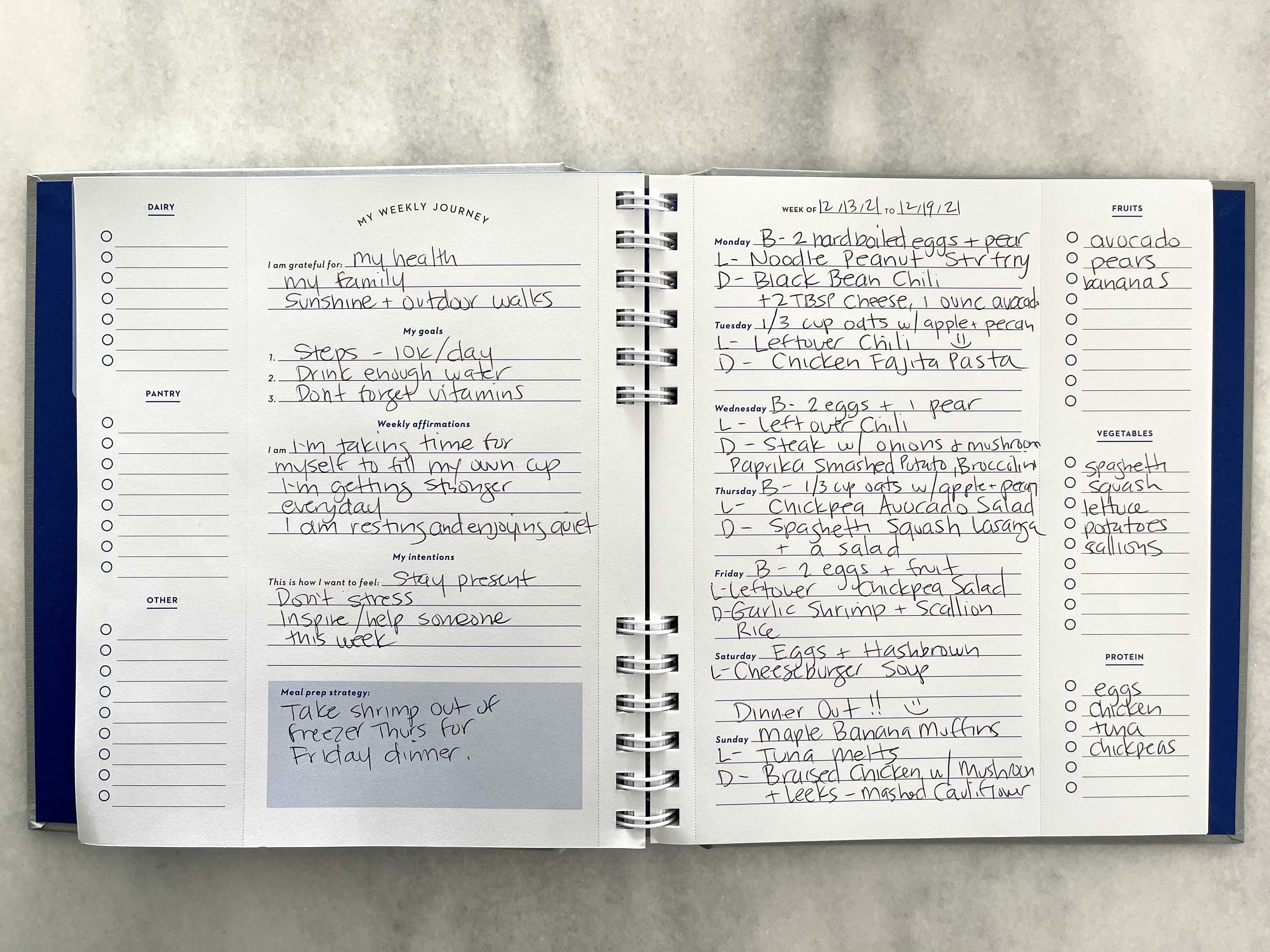
Get the Skinnytaste Ultimate Meal Planner! The 52 week spiral bound meal planner has weekly meal planning grids you can tear out and put on your fridge if you wish, a 12-week meal plan, 30 (15 new) recipes, and tear-out grocery lists. I love starting my week with gratitude, affirmations and intentions, so I included a space for that as well. I hope you will love this as much as I do!

Skinnytaste Ultimate Meal Planner

Buy the Skinnytaste meal planner here:

A note about WW Points

All recipe points have been updated to reflect the new WW program, points will display under the recipe title. I will keep the ww button in the recipe card, click on that and it takes you to the Weight Watchers website where you can see the recipe builder used to determine those points and add it to your day (US only, you must be logged into your account). All cookbook recipes in the cookbook index are also updated!

About The Meal Plan

If you’re new to my meal plans, I’ve been sharing these free, 7-day flexible healthy meal plans (you can see my previous meal plans here) that are meant as a guide, with plenty of wiggle room for you to add more food, coffee, beverages, fruits, snacks, dessert, wine, etc. or swap recipes out for meals you prefer, you can search for recipes by course in the index. Depending on your goals, you should aim for at least 1500 calories* per day. There’s no one size fits all, this will range by your goals, your age, weight, etc.

There’s also a precise, organized grocery list that will make grocery shopping so much easier and much less stressful. Save you money and time. You’ll dine out less often, waste less food and you’ll have everything you need on hand to help keep you on track.

Lastly, if you’re on Facebook join my Skinnytaste Facebook Community where everyone’s sharing photos of recipes they are making, you can join here. I’m loving all the ideas everyone’s sharing! If you wish to get on the email list, you can subscribe here so you never miss a meal plan!

Meal Plan:

Breakfast and lunch Monday-Friday, are designed to serve 1 while dinners and all meals on Saturday and Sunday are designed to serve a family of 4. Some recipes make enough leftovers for two nights or lunch the next day. The grocery list is comprehensive and includes everything you need to make all meals on the plan.

MONDAY (3/13)
B: Tropical Chia Pudding Breakfast Bowl
L: Asparagus Salad with Egg, Bacon and Dijon Vinaigrette (recipe x 2) with a whole grain roll
D: Tofu Tacos with Potatoes and Jalapenos with Best Guacamole Recipe
Total Calories: 1,151*

TUESDAY (3/14)
B: Tropical Chia Pudding Breakfast Bowl
L: Asparagus Salad with Egg, Bacon and Dijon Vinaigrette with a whole grain roll
D: Skillet Chicken in Tomato-Chipotle with Instant Pot Cilantro Lime Rice and Quick Black Beans

Total Calories: 1,142*

WEDNESDAY (3/15)
B: Air Fryer Breakfast Banana Split
L: Spicy Canned Salmon Rice Bowl
D: Tuna Noodle Casserole with 1 cup sliced cucumbers

Total Calories: 1,009*

THURSDAY (3/16)
B: Egg Tomato and Scallion Sandwich and an orange
L: LEFTOVER Tuna Noodle Casserole with 1 cup sliced cucumbers
D: Salmon Fried Rice (recipe x 4) with Shrimp Egg Rolls

Total Calories: 1,154*

FRIDAY (3/17)
B: 2 servings Bell Pepper and Potato Frittata
L: LEFTOVER Tuna Noodle Casserole with 1 cup sliced cucumbers
D: Crock Pot Corned Beef and Cabbage with Whole Wheat Irish Soda Bread Muffins

Total Calories: 1,064*

SATURDAY (3/18)
B: Easy Bagel Recipe** with 2 tablespoons whipped cream cheese, 3 ounces lox and 1 slice red onion
L: Warm Salad with Artichoke Hearts, Roasted Peppers and Mozzarella (recipe x 4)
D: DINNER OUT

Total Calories: 665*

SUNDAY (3/19)
B: Instant Pot Baked Oatmeal Bars
L: Chicken Parmesan Rolls with 8 carrot sticks
D: Honey-Mustard Air Fryer Pork Chops with Lemon-Parsley Potato Foil Packets and Sauteed Collard Greens with Bacon

Total Calories: 973*

*This is just a guide, women should aim for around 1500 calories per day. Here’s a helpful calculator to estimate your calorie needs. I’ve left plenty of wiggle room for you to add more food such as coffee, beverages, fruits, snacks, dessert, wine, etc.
**Double dough recipe for Chicken Parmesan Rolls Sunday.

*Google doc

Long Covid treatment can lead to debt after insurance denies claims

In June 2021, 32-year-old Alyssa Maness was diagnosed with POTS, a nervous system disorder that her doctors believe was triggered by Covid.

POTS, or postural orthostatic tachycardia syndrome, caused numbness throughout her arms and legs, a pins-and-needles sensation and sudden drops in her heart rate.

Because her heart problems didn’t go away, in early 2022 her doctors began conducting a series of lab tests in an attempt to better understand her long Covid symptoms.

Long Covid treatment can lead to debt after insurance denies claims

When Maness submitted the testing to her insurance — Anthem Blue Cross — the provider deemed the testing medically unnecessary and declined to cover the cost. She’s now on the hook for the medical bills, which have already cost her more than $10,000 out of pocket.

“I’m kind of at the point sadly where I’ve just given up,” said Maness, a Ph.D. student in Sacramento, California. Many of her insurance appeals have been denied. “I don’t have the mental bandwidth to even battle this anymore, because it’s become clear that it is most likely going to be unsuccessful.”

Maness is among several long Covid patients in the United States interviewed by NBC News who say their insurance providers are declining to provide coverage related to their illness.

Alyssa Maness.
Alyssa Maness.Courtesy Alyssa Maness

But there are likely many more. Up to 4 million full-time workers are out of the labor force due to long Covid, according to research from the Brookings Institution, a Washington-based think tank.

NBC News has asked insurance providers for comment.

For some, the care they need to manage their chronic illness has left them in medical debt, which can easily balloon into the thousands or even tens of thousands of dollars, experts say. It’s unclear how many are being denied coverage, but a paper published in May in JAMA Health Forum estimated that the individual medical costs of long Covid could come to roughly $9,000 a year.

Part of the problem, experts say, is the ambiguity of long Covid symptoms, which can range from extreme fatigue to loss of taste and smell to debilitating heart palpitations. There’s no official test to diagnose the condition, nor is there any specific recommended treatment. That makes it more difficult for doctors to come up with a proper treatment.

Before they pay, insurance companies often want to know if the treatment is proven to work.

Long Covid patients can fight the denied claims through appeals or going to court — a time-consuming and draining approach for any patient, let alone those who may suffer from fatigue and brain fog, said Michele Johnson, the executive director of the Tennessee Justice Center, a legal aid group that has helped long Covid patients get health coverage.

“They’re trying to keep their job or keep caring for their family,” she said, “and there’s so much bureaucracy and red tape that they’re just drowning in it.”

‘Medical necessity’

Experts say insurance companies will often deny claims for care related to long Covid because they don’t see it as a “medical necessity.”

The term is what insurance companies use to assess whether they should approve or deny a claim, said Linda Bergthold, a former health policy researcher at Stanford University’s Center for Health Policy.

The term has been thrown around by insurance companies for decades, but it wasn’t given a formal framework until the late 1990s, which Bergthold helped develop.

In order for the care a patient receives to be deemed medically necessary by an insurance provider, there has to be substantial research or evidence that shows that it works, she said.

That’s “a key issue for long Covid,” she said, because the illness is so new and still poorly understood.

“Research, just like everything with Covid, is all new,” she said. “Nobody really quite knows what works and nobody really understands why some people have it longer than others.”

To be sure, as of 2021, there are diagnostic codes for long Covid — key tools used by doctors to characterize medical diagnoses for insurance coverage, said Dr. Alan Kwan, a cardiologist at Cedars-Sinai Medical Center in Los Angeles. Those codes, however, don’t always cover the myriad health problems linked to long Covid, he said.

POTS, for example, does not have a standardized diagnostic code and has only recently been linked to Covid.

Doctors may work hard to get a patient a formal diagnosis for long Covid to help with insurance, though there isn’t an official test for long Covid and the testing that is done may not be covered by insurance.

Some patients may eventually get coverage after submitting an appeal to their insurance, but usually not before shelling out hundreds of dollars, Kwan said.

Others may not be so lucky and may be forced to pay for most of their care out of pocket.

That’s what happened to Amy Cook, 51, of Orange County, California.

Amy Cook.
Amy Cook.Courtesy Amy Cook

In May, she got Covid, which caused her multiple long-term health problems including chest congestion, erratic heart rate, headaches and visual impairment.

Cook, who works a full-time job as a chief operating officer for a consulting agency, said she was bedbound for four months because of her long Covid symptoms.

Around October, her doctor recommended that she try naltrexone, a drug used for opioid addiction that has shown promise in lifting long Covid symptoms, as well as hyperbaric oxygen. Both therapies are being tested in clinical trials as potential treatments for the condition, though neither is approved by the Food and Drug Administration for the illness.

Aetna, her insurance provider, declined to cover most of the cost of the treatments.

“I’m at $28,000 to date and I have more treatments coming up,” Cook said of her out-of-pocket expenses.

Cook said she’s currently in a financial position to be able to self-fund the treatments, although she still hasn’t recovered from her illness and the expenses could easily grow.

“I don’t know when I’ll be able to stop,” she said.

In a statement, Alex Kepnes, a spokesperson for Aetna, said there is no single definition for long Covid and that coverage decisions “are based on medical necessity and evidence-based guidelines.”

“We are focused and committed to providing our members with access to care and treatments for medically necessary services to help them address their conditions and improve their health,” he said.

What can be done?

Johnson, of the Tennessee Justice Center, said a patient can improve their chances of insurance approving their claim by making sure they have a plan before they even enter the doctor’s office.

Her guidance:

  • Ask how much the care will cost.
  • Ask the doctor to explain clearly on insurance paperwork exactly why the care was needed.

Working with a doctor can be “very effective,” Johnson said, as they are usually trained to know what meets insurance providers’ standards for coverage.

If that doesn’t work, and insurance denies the patient’s claim, the patient can appeal the decision, she said. Under the Affordable Care Act, all health insurance must have an external appeal process that allows a patient to challenge the provider’s verdict.

“The idea that you could deny services without an opportunity for appeal is no longer true,” she said.

If still unsuccessful at this point, patients may begin to panic, Johnson said, because the outstanding bill can be taken to collections and patients can take a hit on their credit score. Providers often provide a very short time window for payment, and appeals often take months.

Maness, of California, said she’s panicked at least once when her insurance provider took too long to get back to her on an appeal and ended up shelling out hundreds of dollars toward her bill.

What a patient does after that will depend on their health insurance, Johnson said.

People with Medicaid, for example, can take the claim to court if they feel the denial was unjustified. For people on private insurance, it’s less clear what they can do, but one option is to contact the state’s Department of Commerce and Insurance, which regulates insurance companies.

Johnson suggested patients frame their complaint saying, “You’ve licensed this insurance to do this in our state and they’re denying essential benefits consistently.”

Follow NBC HEALTH on Twitter & Facebook.

Inflation and money woes are forcing Americans to delay medical care : Shots

Inflation and money woes are forcing Americans to delay medical care : Shots

Substitute teacher Crystal Clyburn, 51, doesn’t have health insurance. She got her blood pressure checked at a health fair in Sarasota, Fla.

Stephanie Colombini/WUSF


hide caption

toggle caption

Stephanie Colombini/WUSF


Substitute teacher Crystal Clyburn, 51, doesn’t have health insurance. She got her blood pressure checked at a health fair in Sarasota, Fla.

Stephanie Colombini/WUSF

At a health-screening event in Sarasota, Florida, people milled around a parking lot waiting their turn for blood pressure or diabetes checks. The event was held in Sarasota’s Newtown neighborhood, a historically Black community.

Local resident Tracy Green, 54, joined the line outside a pink and white bus offering free mammograms.

“It’s a blessing, because some people, like me, are not fortunate and so this is what I needed,” she said.

Green said she wanted the exam because cancer runs in her family. And there’s another health concern: her breasts are large and cause her severe back pain. A doctor once recommended she get reduction surgery, she said, but she’s uninsured and can’t afford it.

In a recent Gallup poll, 38{bf0515afdcaddba073662ceb89fbb62b6b1bf123143c0e06b788e1946e8c353f} of Americans surveyed said they had put off medical treatment last year due to cost, up from 26{bf0515afdcaddba073662ceb89fbb62b6b1bf123143c0e06b788e1946e8c353f} in 2021. The new figure is the highest since Gallup started tracking the issue in 2001.

A survey by The Kaiser Family Foundation last summer showed similar results. It found people were most likely to delay dental care, followed by vision services and doctor’s office visits. Many didn’t take medications as prescribed.

The health screening event is part of an ongoing effort provide health services to low-income Floridians who are uninsured. Attendees could have their blood pressure checked or receive screenings for diabetes. A bus also delivered mammogram services.

Stephanie Colombini/WUSF


hide caption

toggle caption

Stephanie Colombini/WUSF


The health screening event is part of an ongoing effort provide health services to low-income Floridians who are uninsured. Attendees could have their blood pressure checked or receive screenings for diabetes. A bus also delivered mammogram services.

Stephanie Colombini/WUSF

The neighborhood screening event in Newtown — organized by the non-profit Multicultural Health Institute in partnership with a local hospital and other health groups — is part of an effort to fill in the coverage gap for low-income people.

Tracy Green explained that her teeth are in bad shape too, but dental care will also have to wait. She doesn’t have health insurance or a stable job. When she can, she finds occasional work as a day laborer through a local temp office.

“I only make like $60 or $70-something a day. You know that ain’t making no money,” said Green. “And some days you go in and they don’t have work.”

If she lived in another state, Green might have been able to enroll in Medicaid. But Florida is one of eleven remaining states that haven’t expanded the program to cover more working-age adults. With rent and other bills to pay, Green says her health is taking a backseat.

“I don’t have money to go to the dentist, nothing, it’s so expensive,” she said. “Now, to get one extraction, one tooth pulled, it’s like $200-300 that you don’t have. So I don’t know what to do. It’s like fighting a losing battle right now.”

Tracy Green, 54, joined the line outside a pink and white bus that offered free mammograms. Green said she wanted the exam because cancer runs in her family.

Stephanie Colombini/WUSF


hide caption

toggle caption

Stephanie Colombini/WUSF


Tracy Green, 54, joined the line outside a pink and white bus that offered free mammograms. Green said she wanted the exam because cancer runs in her family.

Stephanie Colombini/WUSF

In the Kaiser poll, 85 percent of uninsured adults said they found it difficult to pay for health care. Nearly half of insured respondents said they struggled with affordability as well.

The U.S. experienced record high inflation rates last year, and parts of Florida, including the nearby Tampa metro area, often fared even worse.

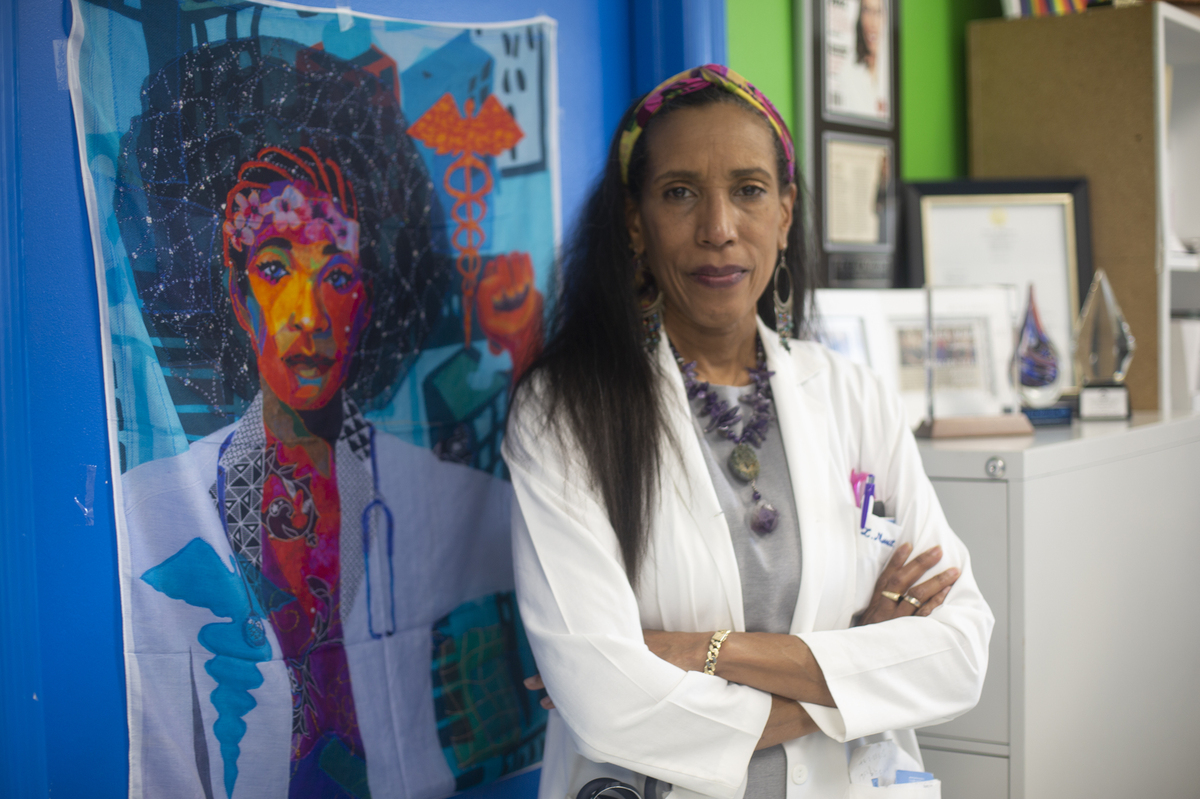
“We see an increasing desperation,” said Dr. Lisa Merritt, executive director of the Multicultural Health Institute.

The Institute, which helps people access low-cost care, is based in Newtown. The neighborhood, inland from Sarasota’s lavish beach communities, has many residents who live below the poverty line, lack insurance and face other barriers to consistent and affordable care.

“It’s very difficult for people to be concerned about abstract things like getting screenings, getting regular health maintenance, when they’re contending with the challenges of basic survival: food, shelter, transportation often,” Merritt said.

‘Horrible’ housing costs put squeeze on health needs

Merritt and her team of volunteers work to build trust with community residents who may not be aware that support is available. They help people apply for low-cost insurance coverage, free medication programs and other resources that can reduce treatment costs.

Volunteer Bonnie Hardy said the people she serves have many financial worries, but one thing tops the list.

“Right now? A place to stay,” said Hardy. “Housing is horrible.”

High housing costs have started to ease in recent months, but data shows rent in Sarasota has gone up nearly 50 percent since the pandemic began in 2020.

Hardy helps people find housing and connects them with programs that cover costs like utilities and security deposits. The goal is to help people stabilize their day-to-day lives, and that in itself can improve health, she said.

“Because they’re more comfortable now,” she said. “They feel like, hey the rent is paid, I can let my guard down, maybe I can go get the medical attention I need.”

Dr. Lisa Merritt and her team of volunteers work to build trust with community residents who are uninsured but may not be aware that support is available.

Daylina Miller/WUSF


hide caption

toggle caption

Daylina Miller/WUSF


Dr. Lisa Merritt and her team of volunteers work to build trust with community residents who are uninsured but may not be aware that support is available.

Daylina Miller/WUSF

Research shows putting off health care can lead to bigger problems.

The Gallup poll found 27{bf0515afdcaddba073662ceb89fbb62b6b1bf123143c0e06b788e1946e8c353f} of respondents delayed treatment due to costs even for “very or somewhat serious” conditions.

Another reason people may be holding off on treating medical issues is that they already have health care debt. An investigation from NPR and Kaiser Health News found about 100 million people in America had medical debt. About 1 in 8 owe more than $10,000, according to a KFF poll.

Treating cancers or chronic conditions like diabetes early can not only save lives, it can also be less expensive than treating advanced-stage illnesses, according to the Centers for Disease Control and Prevention.

Doctors at the health screening event in Newtown said it’s critical to help residents access preventive care.

At the health fair, substitute teacher Crystal Clyburn, 51, got a mammogram on the pink-and-white mobile bus and had her blood pressure checked. Clyburn doesn’t have health insurance and she relies on events like this to stay on top of her health.

“I just try to take advantage of whatever that’s out there, whatever that’s free,” she said. “You have to take care of yourself because you can look healthy and not even know you’re sick.”

After the cuff came off, a doctor told Clyburn her blood pressure was a little high. But then the doctor kept talking, and she smiled.

Although her pressure was high, it wasn’t high enough that she needed to take medication. She thanked him and left, relieved to know that was one expense she wouldn’t have to worry about. Not yet, anyway.

Aging Strong: Fitness and nutrition program coming to Warrior House | Lifestyles

OAKFIELD – A Health Equity Award form Univera Healthcare will allow Warrior House of WNY to bring an Aging Strong Program to its community center at 33 South Main St.

As an Amazon Associate I earn from qualifying purchases.