Huntington Medical Research Institutes to Host Holiday Open House Commemorating 70th Anniversary

Milestone anniversary celebrates Pasadena-based organization’s huge contribution to transforming medicine and saving millions of lives

PASADENA, Calif., December 02, 2022–(BUSINESS WIRE)–Huntington Medical Research Institutes (HMRI), a leading biomedical research organization in Southern California, is celebrating its 70th anniversary by opening its doors to the public this Saturday, December 3, 2022, from 11 a.m. to 3 p.m. for its Holiday Open House.

This press release features multimedia. View the full release here: https://www.businesswire.com/news/home/20221202005288/en/
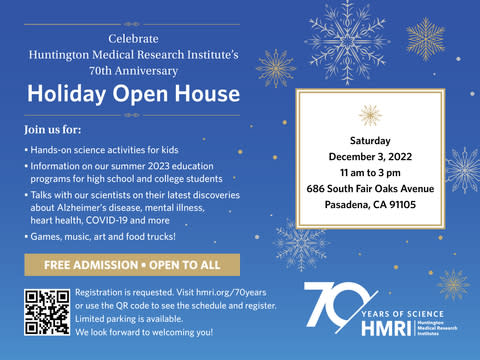
Huntington Medical Research Institutes to Host Holiday Open House Commemorating 70th Anniversary

HMRI 70th Anniversary Holiday Open House (Graphic: Business Wire)

The event is free to attend (registration requested) and offers:

  • Hands-on science activities for kids

  • Information on HMRI’s summer 2023 education programs for high school and college students

  • Talks with HMRI scientists on their latest discoveries about Alzheimer’s disease, mental illness, heart health, Covid-19 and more

  • Games, music, art and food trucks

“We’re celebrating 70 years of groundbreaking science and we are not done yet,” reflected Julia E. Bradsher, PhD, MBA, president and CEO of HMRI. “We have many more important discoveries in our future as we grow and continue to develop as a leading research institution. We look forward to celebrating many more innovative discoveries in our focus areas of cardiovascular, neurovascular and neuroscience research.”

HMRI began as an outgrowth of two separate institutes: Pasadena Foundation for Medical Research, established in 1952, and the Institute of Medical Research of Huntington Memorial Hospital, founded in 1953. The establishment of a third in 1961, the Neurovascular Research Foundation, formed a triumvirate in Pasadena. After a series of mergers over the course of three decades, in 1982, HMRI as we know it today was born.

For 70 years, the research facilities have generated a multitude of leading-edge innovations that have transformed the way people around the world protect their well-being and improve their health. Some of the noteworthy innovations from HMRI include:

  • Cerebrospinal fluid shunt valve system developed for hydrocephalus, “water on the brain.” The Pudenz valve system is still commonly used today.

  • Retractable seatbelts invented through study of preventing head traumas in car accidents in the 1950s.

  • Early research into prostate cancer cells, resulting in an immortalized cell line which is now widely used to test new prostate cancer drugs.

  • Demonstrating the diagnostic value of magnetic resonance imagining (MRI) in medical practice.

  • Perfecting magnetic resonance spectroscopy for diagnosing brain and heart conditions.

Currently, HMRI’s researchers are exploring new therapies and diagnostic methods that may transform the way we care for our hearts and brains.

HMRI’s mission is to advance scientific discovery through innovative biomedical research to improve health outcomes and inspire the next generation of scientists. “Within 10 years, we aim to become one of the leading biomedical research organizations in the United States,” stated Bradsher.

In addition to scientific discovery, HMRI has a long history of providing research opportunities for postdoctoral scientists and training undergraduate students in laboratory techniques.

“HMRI has welcomed postdoc and student researchers for years now,” explains Nicole Purcell, PhD, scientific director of education programs for HMRI. “We’re teaching research methods to students who are learning in a science lab for the very first time. We want HMRI to be recognized as a destination of choice for the next generation of scientists.”

Members of the media are invited to attend the holiday open house and speak with HMRI’s leading scientists about current research projects and how they see the world of medicine evolving as we approach 2023. Media may register here: https://bit.ly/HMRI70-Media.

Members of the public can register to attend the event here: https://hmri.org/70years/.

About HMRI

Huntington Medical Research Institutes (HMRI) is an independent, nonprofit organization located in Pasadena, California. Since its beginnings in 1952, HMRI research has led to the development of diagnostics, medical devices and therapies that improve the lives of millions of patients worldwide. HMRI conducts life-changing studies of the heart, the brain and the vascular intersection between the two. The institute’s scientists seek solutions to daunting cardiovascular and neurological challenges, like heart disease, Alzheimer’s disease, migraine and mental illness. For more information, visit HMRI.org.

View source version on businesswire.com: https://www.businesswire.com/news/home/20221202005288/en/

Contacts

Media Contact
Audrey Chittick
mPR on behalf of HMRI
audrey@mpublicrelations.com

A Guide to Becoming a Clinical Research Nurse

A Guide to Becoming a Clinical Research Nurse

Courtesy of Getty Images

Maybe you’re a nurse who would also like to be more involved in the clinical research process. Or maybe you’re a nurse who also wants to ensure the highest standard of care for patients in research trials. 

If either of these things are true for you, then you might have what it takes to become a clinical research nurse. 

Clinical research nurses are an integral part of the research process. They are essentially the managers of the most important part of any medical research: the trial patients themselves. 

The role can be very rewarding, both mentally and financially. It’s not without its challenges, however, and that is something everyone who wants to be a  clinical research nurse should take into account.

To help with this decision, BioSpace has outlined the role of a clinical research nurse, its ups and downs, and what it takes to become part of this crucial role.

What is a Clinical Research Nurse?

A clinical research nurse is responsible for the direct care of patients who are participants in clinical trials. These trials could involve anything from testing new treatments to researching novel approaches to human health.

The clinical research nurse is responsible for administering treatment, collecting data from test results and ensuring that the care, best interests and confidentiality of their patients are maintained at all times. 

In this way, the role seems similar to that of a traditional nurse. There are a few key differences, however. The role of the clinical research nurse also involves: 

  1. Greater involvement in the research process. A clinical research nurse may be involved in designing the actual clinical trial. He or she may also be asked to help design patient protocols for future trials as well. The clinical research nurse may also be involved in the initial screening process for selecting patients for trials. 

  2. An understanding of how clinical research works. A clinical research nurse requires in-depth knowledge of the clinical research process itself. This means he or she must understand how trials are designed, how treatments are administered and how conclusions are drawn from the results. 

  3. Maintaining confidentiality of both the patient and the project. In addition to maintaining the confidentiality of their patients, the clinical research nurse must also maintain the confidentiality of the entire research project as well. 

Clinical research nurses may work out of typical nursing settings, such as hospitals and long-term care facilities. However, they are just as likely to work out of biotech laboratories or university research centers. Depending on the type of study, their patients may be day patients or inpatients at various care centers. 

Pros of Becoming a Clinical Research Nurse

  1. It’s an integral role in developing better patient care. Clinical research nurses are involved with more than the care of their patients. They’re also helping to develop new treatments and better research that could one day help future patients. For this reason, clinical research nurses usually find their work very rewarding.  

  1. Compensation is competitive. Clinical research nurses often receive higher salaries than traditional nurses. While the median annual salary of a registered nurse in the US is $ 93,089, the median annual salary of a clinical research nurse is $116,2992.  

  1. The need for clinical research nurses will continue to grow. As the US population ages, the need for more medical research will increase.  This means the need for more clinical research nurses will increase as well.  Anyone with the qualifications to become a clinical research nurse should have no trouble finding work. 

Cons of Becoming a Clinical Research Nurse

  1. Patient advocacy may be a source of stress. In clinical research situations, the pressure may be on to ensure the research can be completed on time. In these cases, the clinical research nurse may need to step up and speak on behalf of their patients. 

  2. Drugs administered are not always FDA-approved. Because clinical research nurses work in clinical trials, many of the drugs they administer to patients may be experimental. Someone who is not comfortable with this may want to consider a different career. 

Regardless of the impact on the study itself, the clinical research nurse’s patients must be their top priority. If patient advocacy is not a source of stress for you, then this should be of little to no issue. 

Necessary Skills and Experience

The basic requirements of a clinical research nurse are similar to traditional nurses. A bachelor’s degree in nursing, biology or a similar discipline is required. Most job postings require a current state license as a registered nurse as well. 

Many clinical research centers require at least some experience in a research setting. This can be gained by applying for roles as a clinical research assistant first. Once enough experience is gained in this type of role, nurses can apply for clinical research nursing positions. 

Nurses may also want to consider earning a master’s of science in nursing in order to qualify for top-paying clinical research nursing positions. 

Clinical research companies also look for several crucial soft skills. Good communication skills, the ability to be well-organized at all times and an innate sense of ethics are all important in a clinical nursing role. 

Taking the Next Step

If you’re a caring and compassionate nurse who also has a strong desire to improve medical care for the future, then a role as a clinical research nurse may be the perfect fit for you. 

If you’re ready to start applying, be sure to check out BioSpace’s current job postings for clinical research nurses.

Circuit Clinical and Middletown Medical Partner to Expand Access to Clinical Research for 100K+ Patients in the Hudson Valley

BUFFALO, N.Y., Nov. 29, 2022 /PRNewswire/ — Circuit Clinical—one of the nation’s fastest growing integrated research organizations—has expanded their presence in the Hudson Valley region through a partnership with Middletown Medical, a top tier, multi-specialty physician group, increasing access to clinical research as a care option to an additional 100,000 patients that Middletown Medical serves. This partnership will bring trials to a more diverse patient population—comprised of approximately 50{bf0515afdcaddba073662ceb89fbb62b6b1bf123143c0e06b788e1946e8c353f} non-white individuals.

The breadth of Middletown Medical’s primary and specialty care, combined with Circuit’s commitment to improving patient access and inclusion in clinical trials, will bring new care opportunities to Middletown’s patients through the provider relationships they already trust – further positioning the region as a destination for medical research and advancements. This partnership will initially include 11 Principal Investigators, participating in specialties such as, but not limited to, cardiology, rheumatology, neurology, gastroenterology, and family medicine.

“Patient care is a top priority for Middletown Medical and we are committed to providing any and all opportunities to our physicians and the communities they serve,” said Dr Rajan Gulati, President of Middletown Medical.

Middletown Medical and Circuit Clinical are committed to reducing the burden on patients who opt in for research participation. Along with localizing patient care within the Middletown Medical physicians’ offices, Circuit’s approach to transforming the patient journey includes hybrid care options through telemedicine, fully decentralized trial solutions, as well as trialjourney.com—an award-winning patient experience platform for finding trials and leaving site ratings and reviews to improve the experience of participating in clinical trials. This variety of care options can help eliminate traditional care obstacles that have created a burden for patients to participate in clinical research. Furthermore, patient participation in research will serve to benefit both individuals and communities, including offering extra care visits without co-pays, strengthening the patient-provider relationship, and often leading to improved health outcomes through a better and more personal care experience.

This collaboration was made possible through strategic partnerships with Labcorp—a leading global life sciences company that provides vital information to help doctors, hospitals, pharmaceutical companies, researchers, and patients make clear and confident decisions—as well as Medidata—a Dassault Systems company that is powering smarter treatments and healthier people with the world’s most trusted platform for clinical development, commercial, and real-world data.

“We are beyond excited to expand our national research network through amazing partnerships like this one with Middletown Medical,” said Irfan Khan, MD, CEO of Circuit Clinical. “Together we can empower patients to engage with clinical trials as a care option. The combined efforts of Circuit Clinical and our strategic partners, Labcorp and Medidata, allow us to make partnerships like this with Middletown Medical not only a reality, but as optimal and innovative as possible.”

About Middletown Medical

Middletown Medical is a multi-specialty physicians’ group dedicated to providing patients with top quality, comprehensive care in a warm and caring environment which delivers care to over 100,000 patients throughout Orange, Sullivan, and Ulster counties in New York state. Please access Middletownmedical.com to learn more about their doctors and the expansive scope of services provided.

About Circuit Clinical

Circuit Clinical®, one of the fastest-growing integrated research organizations in the USA, is dedicated to empowering patients to choose clinical research as a care option. Circuit is committed to transforming the experience for physicians and their patients of finding, choosing, and participating in clinical research. The company delivers clinical research services and an award-winning patient engagement platform, trialjourney.com. Learn more at circuitclinical.com and follow along for updates and announcements on LinkedIn.

For additional questions or inquiries, please contact the following:

Circuit Clinical

Candice Kent
VP of Marketing and Communications
[email protected]

Middletown Medical

Darcy Shepard
CEO, Middletown Medical
[email protected] 

SOURCE Circuit Clinical

Lennox-Gastaut Syndrome (LGS) Research Roundtable at AES Annual Meeting Focused on Advancing Clinical Research to Find Better Treatments and Cures

SAN DIEGO, Nov. 28, 2022 /PRNewswire/ — On December 2, the Lennox-Gastaut Syndrome (LGS) Foundation will host its LGS Research Roundtable at the American Epilepsy Society’s (AES) annual meeting in Nashville, TN. The event will bring together over a hundred researchers, clinicians, and family members to discuss the state of medical research in LGS. Click here to learn more about how YOU can attend the Roundtable and join the discussion.

Lennox-Gastaut Syndrome (LGS) Research Roundtable at AES Annual Meeting Focused on Advancing Clinical Research to Find Better Treatments and Cures

LGS Foundation Logo (PRNewsfoto/LGS Foundation)

“How we treat LGS has remained roughly the same for the last 30 years,” said Dr. Tracy Dixon-Salazar, the LGS Foundation’s Executive Director and mother of an adult living with LGS. “We try treatment after treatment, alone and in combination, and hope one of them might work. Families often refer to this as the “dartboard approach” to treating LGS. Patients with this rare disease are in desperate need of better treatment approaches.”

The LGS Research Roundtable is an initiative of the LGS Foundation that brings together LGS patient families and research experts to discuss the barriers to better research and care and to facilitate the development and implementation of solutions. Discussions from the Roundtable guide the LGS Foundation’s Cure LGS 365 Research Grants Program. Since 2013, the LGS Foundation has awarded more than a million dollars in research funding to scientists around the world.

“We are excited to gather the brightest minds tackling LGS across the globe,” said Dixon-Salazar. “And, we believe that now more than ever, that patient families and doctors working together can help find better treatment options for those with LGS.”

Talks at the LGS Research Roundtable will set the stage for a larger LGS Meeting of the Minds Conference on the same topic that will take place in September 2023.

The LGS Foundation is a nonprofit organization dedicated to improving the lives of individuals impacted by LGS through advancing research, awareness, education, and family support.

To learn more about LGS or to support the LGS Foundation’s efforts, visit www.lgsfoundation.org.

Cision

Cision

View original content to download multimedia:https://www.prnewswire.com/news-releases/lennox-gastaut-syndrome-lgs-research-roundtable-at-aes-annual-meeting-focused-on-advancing-clinical-research-to-find-better-treatments-and-cures-301654043.html

SOURCE LGS Foundation

The troubling legacy of a Black woman’s cells

Ethical concerns over her cells, the most widely used in research, are in the spotlight as family seeks reparation

The troubling legacy of a Black woman’s cellsIn the opaque world of scientific research, HeLa cells are legendary. These cells mark one of the most significant milestones in the history of modern medical research, because it was the first time in decades that scientists were able to keep human cells alive in culture.

While other cells died eventually, HeLa cells were amazing: they reproduced every 24 hours and never stopped doing so, thus becoming the first immortal cells grown in a laboratory.

They have been used in research over a wide spectrum and were instrumental in developing drugs for an astonishing range of diseases, from influenza and herpes to leukaemia and Parkinson’s.

Jonas Salk’s life-saving polio vaccine would not have been possible without HeLa cells. And they also became a multimillion-dollar industry for some companies.

Yet, for decades, the racial origin of the most famous human cell was kept hidden from the world—and from her family.

The remarkably prolific and resilient cells were taken from the cervical tumour of a young Black woman, Henrietta Lacks—hence the name HeLa—who was being treated at Johns Hopkins Hospital in Baltimore, US, for a virulent form of cervical cancer.

Lacks was a young mother of five when she died in 1951 at the age of 31. Her cells were collected by George Gey, a prominent cancer and virus researcher, who ran a nearby tissue laboratory.

Lacks did not know that her cells were being taken for culture, nor was her’s or her family’s permission sought before or after her death.

It was not until 1981 that the origin of HeLa was credited to her, and her family learned of this by accident. This and the subsequent story of how her family was used for further research, again without their knowledge or consent, has sparked a debate on an individual’s right over their genetic material and also the ethics over its use by researchers and commercial organisations.

There is also a lawsuit by Lacks’ heirs, who are seeking compensation from laboratories that made millions from the sale of HeLa cells. For a start, they have filed a case against Thermo Fisher Scientific, accusing it of selling Lacks’ cellular material, developing and manufacturing cellular products incorporating HeLa cells, and seeking intellectual property (IP) rights on them.

This implies they are staking IP rights on her genetic material. The nub of the case is that the company appropriated Lacks’ genetic material for its own gain without payment, permission or approval from the Lacks Estate or family.

The family had previously sought payment from Johns Hopkins and the suit against Thermo Fisher mentions “the unlawful conduct” of its doctors. Johns Hopkins is categorical that it has “never sold or profited from the discovery or distribution of HeLa cells” and does not own the rights to the cell line.

“Rather, Johns Hopkins offered HeLa cells freely and widely for scientific research.” The controversial point here is whether the hospital and Gey acted unethically or illegally in taking tissue from Lacks’ cervical tumour.


Read


The hospital says that at the time, tissue samples were drawn from all patients regardless of race and socio-economic status, and no formal consent was required. The institution points out that it was one of only a handful to have treated poor African-Americans in the early decades of the last century.

Johns Hopkins has made some amends by naming a building on its campus after Lacks, because it acknowledges “the HeLa cell line has been critical to numerous advances in medicine.”

Other institutions have made monetary reparation. A high-profile six-figure donation (exact amount was not disclosed) was made by Howard Hughes Medical Institute to the Henrietta Lacks Foundation in 2020.

The institution said it was done to “acknowledge Henrietta for the use of HeLa cells and to acknowledge that the cells were gained inappropriately”. Observers are hoping the gesture by the institution, which is a major funder of basic biomedical research, will set an example for other research outfits.

The HeLa case came into public focus only after Rebecca Skloot published The Immortal Life of Henrietta Lacks, a personalised memoir and scientific account of the life and afterlife of the Black woman who made the most significant contribution to the fight against a host of diseases.

The book, which highlighted racial discrimination and exploitation of African-Americans, was made into a film starring Oprah Winfrey. Skloot also set up the foundation, which gives grants to people who have unknowingly been part of historic medical research studies and to their families who did not benefit from the work.

It supports families of Black men who, from 1932 to 1972, were part of a callous US government experiment to observe the effects of untreated syphilis. The men were given placebos and sham treatment but were told they were receiving free healthcare.

World Health Organization (WHO) chief Tedros Adhanom Ghebreyesus has done much to make reparation and to highlight the inherent racial and other inequalities in medical care.

Over the past year, he has bestowed the WHO Director-General’s Award on Lacks in recognition of the “world-changing legacy of this Black American woman” and more recently on October 16, he appointed the Lacks family as WHO Goodwill Ambassadors for Cervical Cancer Elimination. The appointment is a recognition of their efforts to champion cervical cancer prevention and to preserve the memory of their ancestor.

In a stark reminder of persistent inequities, Ghebreyesus noted that Lacks’ cells were foundational in the development of human papillomavirus (HPV) vaccines that can eliminate the same cancer that took her life, and yet in countries with the highest burden of cervical cancer, these vaccines were not adequately available.

So, too, with COVID-19 therapies and many other life-saving innovations developed with the miraculous HeLa cells. Although the cells were used in COVID-19 research, tools to stop the disease are not being shared with low- and middle-income countries.

He would, or should, have made scientists and research organisations uncomfortable when he pointed out how much some people benefited from the cells.

“Fortunes have been made, science has advanced, Nobel Prizes have been won and most importantly, many lives have been saved. No doubt, Henrietta would have been pleased that her suffering has saved others.”

Tedros said by honouring Lacks, WHO acknowledges the importance of reckoning with past injustices and advancing racial equity in health and science. In this, he was endorsing the call of many that science must right historical wrongs of the past. Nothing must be taken from a person without consent.

This was first published in the November 16-30, 2022 edition of Down To Earth 


Tackle systemic racism to diversify health care and clinical research

Tackle systemic racism to diversify health care and clinical research

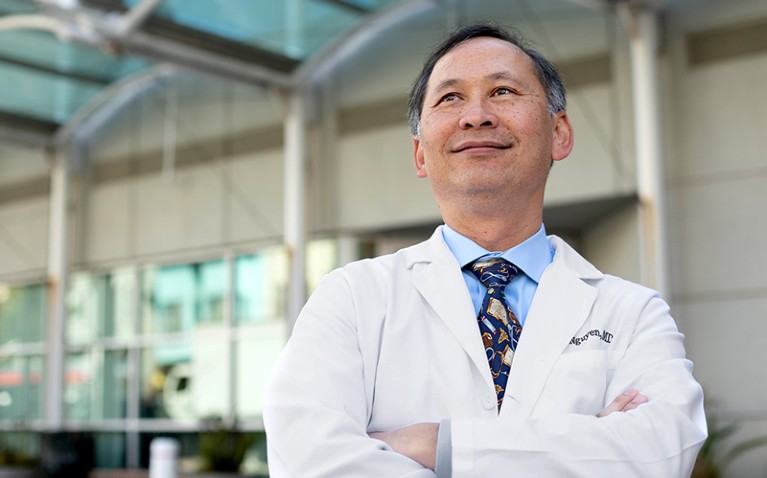
Health-equity researcher Tung Nguyen guides several anti-racism efforts at the University of California, San Francisco.Credit: Susan Merrell

Decolonizing science

Science is steeped in injustice and exploitation. Scientific insights from marginalized people have been erased, natural-history specimens have been taken without consent and genetics data have been manipulated to back eugenics movements. Without acknowledgement and redress of this legacy, many people from minority ethnic groups have little trust in science and certainly don’t feel welcome in academia — an ongoing barrier to the levels of diversity that many universities claim to pursue.

In the next of a short series of articles about decolonizing the biosciences, Tung Nguyen, who was appointed associate vice-chancellor for research inclusion, diversity, equity and anti-racism at University of California, San Francisco (UCSF) in September, offers advice for reforms in health research. Nguyen, a health-equity researcher who is also the director of the UCSF Asian American Research Center on Health, says anti-racism efforts start with engaging underserved communities and nurturing diverse trainees in health research and health care.

I studied medicine because I didn’t see health care and health research addressing the needs of the Asian community in the San Francisco Bay area — the part of California where I moved, as an 11-year-old non-English speaker, when my family emigrated from Vietnam. For the past 20 years, I’ve been doing health-equity research, focusing on cancer interventions.

In this country, the health-research world has many aspects that are anti-Asian. A lack of data on one racial identity is always a sign of racism because it essentially means that a portion of the population is invisible. For example, we know that about one-third to one-half of Asian Americans don’t speak English well enough to take a medical survey conducted in English. The ‘Asian’ responses to such a survey will include only English speakers; in addition, all of the ‘Asian’ respondents will be lumped together, despite the diversity of Asian cultures.

Lack of urgency

Although some institutions are trying to hire diverse candidates, there is a fundamental lack of urgency when it comes to addressing systemic racism. The issues I’ve mentioned are all structural problems. I think that there can be no systematic change without engaging everyone involved — from medical-department heads to members of the communities that institutions purportedly serve.

In 2020, my colleagues and I created an anti-racism task force at the University of California, San Francisco. Using a community-engagement approach, we convened a committee of 25 members, including institutional and community leaders, staff, faculty members and trainees. Over the course of a year, we solicited information throughout the university and produced a report with 160 recommendations — ranging from funding for research that investigates the structures that sustain racism, to conducting more community engagement in scholarship.

Most institutions are too top-down. I’ve learnt that the academic hierarchy is a basic challenge to doing equity work on campuses. White men tend to be over-represented among faculty members, whereas non-faculty staff members tend to include more women and under-represented minority groups. We make sure the staff and faculty members meet and are mindful of — and acknowledge — the power dynamics that exist. Otherwise, our efforts wouldn’t be inclusive.

To better diversify recruitment of study participants, in 2021, my colleagues and I created the Research Action Group for Equity, or RAGE — an acronym we deliberately chose because we are angry about the lack of minority-health data and participation, and we want to make things uncomfortable for the powers that be. RAGE works with the UCSF Clinical & Translational Science Institute to make sure that recruitment is an inclusive process. We engage community leaders who are bicultural or bilingual to provide translation support or address cultural concerns.

If my colleagues and I can diversify the health-care workforce at UCSF, we can definitely improve the economic status of diverse communities as well as the reach of biomedical research into those communities. We have a US National Institutes of Health BUILD award to address the lack of diversity among biomedical researchers. If you want minority students and trainees, you have got to go to where they are. In our case, we recruited trainees from San Francisco State University, a Hispanic-focused, minority-serving institution. We trained these junior research and health professionals to become, for example, clinical research coordinators to manage studies and conduct experiments.

This expands the job opportunities available to these trainees and diversifies participation in research. But when people talk about efforts to increase the numbers of early-career scholars from diverse backgrounds, I hate the term ‘pipeline programme’. ‘Pipeline’ implies that you have to fit into a pipeline to begin with and you come out the other end, where the system wants you to come out. Furthermore, if the pipeline is producing a steady stream of talented PhDs from under-represented communities but the system does not increase the number of senior roles these people hold, it’s not a pipeline problem. Instead, it’s a dam problem — pun intended; there are structural barriers to workplace diversity that need to be removed.

UCSF has its own continuing challenges in terms of anti-racism efforts, but the institution has been transparent. It has a dashboard that highlights racial, ethnic and gender diversity among faculty members, staff and trainees. The situation fluctuates, and the numbers have never been great for typically under-represented groups in medicine, such as Black and Hispanic people. But it’s important that the problem be visible so that we can actually improve.

It’s frustrating that successful diversity, equity and inclusivity programmes often don’t get sustained. Under-represented groups are used to people coming in with money and then leaving. I have helped to develop the AEIOU principles, which will be the foundation of my work as the newly appointed associate vice-chancellor for research inclusion, diversity, equity and anti-racism. A is for accountability and anti-racism, E is for engagement, I is for individual-centred institutional change, O is opportunity, and U is unity. These principles are key to making progress against racism. The system has to change for under-represented groups to be successful, and that requires an increase in opportunities. Oppressive structures maintain oppression by making people perceive a zero-sum game — if someone wins, someone else has to lose. To increase diversity, equity and justice, we need to quit pitting one group against another.

This interview has been edited for length and clarity.