Much of the CDC Is Working Remotely. That Could Make Changing the Agency Difficult.

ATLANTA — Earlier this year, top leadership at the Centers for Disease Control and Prevention began a monumental task: turning the sprawling, labyrinthine organization known for its highly specialized, academically focused scientific research into a sleek, flexible public health response agency primed to serve the American public. It’s an attempt to keep the CDC from repeating the mistakes it made while responding to covid-19.

But agency veterans, outside public health officials, and workplace organization experts said the current workplace structure could be a major barrier to that goal. Like directors before her, agency head Dr. Rochelle Walensky spends a considerable amount of time away from the CDC’s headquarters in Atlanta. The agency has also embraced a workplace flexibility program that has allowed most of its scientists to stay remote.

As of October, 10,020 of the CDC’s 12,892 full-time employees — 78{bf0515afdcaddba073662ceb89fbb62b6b1bf123143c0e06b788e1946e8c353f} of the full-time workforce — were allowed to work remotely all or part of the time, according to data that KHN obtained via a Freedom of Information Act request.

Experts said the lack of face-to-face work will likely be a substantial obstacle to the top leadership’s effort to overhaul the agency after its failures during the pandemic — a botched testing rollout, confusing safety guidance, the slow release of scientific research, and a loss of public trust.

They also wondered whether Walensky, who frequently works remotely while traveling, can bring about that change from afar and whether a virtual workforce might experience more challenges battling infectious diseases than one working together in person.

“One of the things that a really strong new leader would do is they’d be visible, they’d be walking the halls, they’d have the open door,” said Pamela Hinds, a professor of management science and engineering at Stanford University. “That’s much harder to accomplish when nobody’s there.”

Key to the effort to reform the CDC is changing its institutional culture, which the agency says is at the core of all its work — from how it interacts with other agencies to how it shares its research. Walensky has said the CDC needs to be faster and nimbler in the face of emergencies and more communicative, both internally and with the public.

A flexible, responsive, and collaborative culture thrived not too long ago — during the Obama administration, when the agency handled crises such as the H1N1 flu pandemic and the Zika virus outbreak, said Dr. Stephen Cochi, who worked at the CDC for four decades before retiring this year. “I would like to see every effort made to try to restore that culture to the extent possible, because CDC will potentially lose some of its excellence if it can’t,” he said.

Changes, such as the transition to a largely remote workforce and a ballooning bureaucracy, he said, made it “almost impossible to get anything done” in his later years at the agency.

Chris Collins, a professor at Cornell University’s School of Industrial and Labor Relations, said that institutional culture includes “the unwritten rules of how work gets done” and that those are hard to learn in a remote work environment.

A largely remote workplace, Collins said, can lead to weaker social connections among staffers, which can ultimately result in less understanding of and investment in the institution’s values. A loss of personal interaction can also suppress innovation. “If you believe great new ideas come from people bumping ideas up against each other, you want to try and create an environment where that happens as often as possible,” he said.

A document that outlines the CDC’s policy and that was last updated in April says remote work can help recruit and retain staffers, keep workers happy, and reduce the cost of leased office space. It followed updated guidance from the U.S. Office of Personnel Management encouraging agencies across the federal government to consider remote work options for staff, considering their utility during the covid-19 pandemic.

As of early 2020, much of the workforce of the FDA and the National Institutes of Health was working remotely. Today, the NIH is mostly back in the office, but the FDA said many of its employees continue to work remotely when possible. And while the White House COVID-19 Task Force huddled in the early days of the pandemic and held in-person news conferences, its briefings became largely remote events.

Still, Walensky has recently faced pointed skepticism about the workforce flexibility policy from lawmakers, who questioned her ability to remake the CDC with a dispersed staff.

During a congressional hearing in September, U.S. Sen. Bill Cassidy (R-La.) quoted remarks that a former acting CDC director had made to The New York Times: “‘I don’t know how you motivate and inspire culture change when people aren’t together.’”

“People at the CDC are working well, they’re working hard, and they don’t necessarily need to be on-site in Atlanta,” Walensky responded. “In fact, oftentimes, they’re more productive off-site.”

Walensky added that agency staff deployments are common and that many lab staffers, who can’t work from home, are reporting to CDC offices.

Leading the agency also isn’t a traditional office job.

“The role of CDC director has historically involved a significant amount of official travel around the globe; requiring the director to be mobile and able to work from anywhere,” Jason McDonald, a CDC spokesperson, said in a statement. “Dr. Walensky splits her time between CDC domestic sites around the country, Washington, D.C., state health departments, and internationally where CDC has a presence in 60 countries.”

KHN spoke with multiple CDC employees working remotely. They declined to speak on the record because of concerns about job security.

They said the remote work policy had no impact on their work but acknowledged that reduced opportunities for in-person interaction could make some CDC staff members feel less connected to their managers and peers — and to the agency’s mission.

That lack of personal connection can lead to a lack of trust, which can keep important conversations from happening, said Hinds, the Stanford professor. “We’re much more willing to be open, ask difficult questions, bring up problems when we have actually sat down with somebody face-to-face and gotten to know them a little bit better,” she said.

A remote work environment also makes it harder for an incoming leader who has no experience inside an organization to truly understand its quirks, Hinds said. Walensky was an external hire and worked at Massachusetts General Hospital before her appointment as CDC director. And booking time for a video or phone call with a new boss to help them learn about an institution is “a big hurdle,” Hinds said, compared with bumping into them in the hallway or at the coffee cart.

In her early days working at the CDC, Dr. Anne Schuchat said, she relished informal interactions with co-workers and called such unscheduled time creative and productive. “I think you lose some things when you don’t have the informal mentoring and the visibility, perhaps the greater sensitivity to who’s struggling, who needs help,” Schuchat said.

She spent more than three decades at the agency, including two stints as acting director, before retiring in summer 2021. Her departure came on the heels of that of another high-level CDC official, Dr. Nancy Messonnier.

Schuchat said that working remotely part time was encouraged at the CDC before the pandemic because of a lack of office space. She said she imagined that many staffers were indeed more productive while working remotely, despite the possible costs to the agency’s culture.

Many people have fled the U.S. public health workforce in recent years, burned out from the covid-19 response. Public health experts said that keeping talent requires offering benefits such as remote work — especially when it’s hard to offer competitive salaries — and getting staffers to believe in an agency’s mission.

But, the experts said, in-person interactions can lead to strong allegiances and investment in an organization, which can translate to better retention.

“They generally want to feel like their work is important and that they’re valued,” said Dr. Manisha Juthani, who has led the Connecticut Department of Public Health since July 2021. “And the workplace allows for that a little bit more so than just sitting in front of the computer.”

Walensky has said that transforming the CDC’s culture from one that’s methodical and academic to one that’s focused on quick action won’t be easy. Other experts agree on the need for the pivot.

“They tend to be an agency that studies things and then, in their own sweet time, responds, versus being an emergency response agency,” said Dr. Georges Benjamin, executive director of the American Public Health Association.

Overhauling that culture will be a big challenge, with high stakes, for the agency tasked with protecting the public health of all Americans. Benjamin said the CDC would likely have made its pandemic stumbles even if staffers hadn’t been working remotely. But coming to terms with those mistakes — and rebuilding the agency to keep them from happening in the future — could be easier and more sustainable if more people were working together in person, he said.

“How do you become part of a culture, how do you become part of a holistic organization, if you’re not together?” he said. “While I’m not disturbed that they’re not back, my advice is to get there as quickly as they can.”

Related Topics

Contact Us

Submit a Story Tip

Medical terms used by doctors often baffling to patients

The words some doctors use are often misunderstood by patients and their families, leaving them feeling confused and vulnerable, according to researchers.

In a study published Wednesday in the journal JAMA Network Open, University of Minnesota researchers found that the language doctors often use tends not to translate easily into everyday English.

A positive test result, for example, generally suggests something negative: A disease like Covid, for example, has been detected.

The disconnect in terms has long bothered Dr. Michael Pitt, associate residency program director in the department of pediatrics at the University of Minnesota. He teaches medical students how to communicate effectively with their patients and their families.

“You could be the smartest doctor in the world, yet you’re useless if your patients don’t understand what you are saying,” Pitt said. “It’s always driven me nuts.”

Pitt and his research team tested how well people understood medical jargon by going to one of the largest gatherings in Middle America: the 2021 Minnesota State Fair.

They surveyed 215 fairgoers on their knowledge of potentially confusing health terms. None of the participants had medical training, but all spoke and read English.

While nearly all, 96{bf0515afdcaddba073662ceb89fbb62b6b1bf123143c0e06b788e1946e8c353f}, of the respondents understood that a negative result on a cancer screening was actually a good thing, the medical meaning of other common words and phrases was often misinterpreted.

An ‘impressive’ chest X-ray

Take the word “impressive.” To most of us, getting straight-A’s in school, making a half-court shot in basketball or running a marathon are all “impressive” accomplishments.

But when doctors say a patient’s chest X-ray is “impressive,” they really mean, “This worries me.”

That translation was lost on 79{bf0515afdcaddba073662ceb89fbb62b6b1bf123143c0e06b788e1946e8c353f} of survey respondents.

The word “impressive” is a particular pet peeve for Dr. Giridhar Mallya, a former family physician and current senior policy director for the Robert Wood Johnson Foundation.

“It borders on disrespectful because we’re describing something as impressive that is causing real harm for patients,” Mallya said.

What’s more, 21{bf0515afdcaddba073662ceb89fbb62b6b1bf123143c0e06b788e1946e8c353f} of survey respondents did not understand that the phrase, “Your tumor is progressing,” meant that cancer was getting worse.

“If our patients don’t understand what we think is going on, what our treatment plan is, what we’re asking them to do to get cured, better, healthy,” Pitt said, “we actually could be causing physical harm.”

“They might be less inclined to actually follow up on the actual steps necessary, which could delay care,” he said.

“It is so clearly obvious why people can misunderstand” such language when “our typical terminology is the direct opposite meaning of the medical terminology,” said Dr. Holly Andersen, director of education and outreach at the Ronald O. Perelman Heart Institute at New York-Presbyterian Hospital/Weill Cornell Medical Center in New York City. Neither Andersen nor Mallya were involved in the new research.

“We as a profession have jargon oblivion,” Pitt said. “We forget that there was a time when we learned these words, and didn’t know them.”

Is it a hidden infection or witchcraft?

Dr. William Schaffner, an infectious disease expert at Vanderbilt University Medical Center in Nashville, Tennessee, is frequently called upon in the media for his ability to help translate complicated science in terms that anyone can understand. He said the new research is “very important.”

“It’s a message to medical professionals that they need to speak very clearly with their patients, rather than to them,” Schaffner said.

By far, the most misunderstood medical term in the study was the word “occult,” a word that conjures up an idea of witchcraft in most people.

“People thought it meant demonic or that we thought you were possessed,” Pitt said. In medicine, “occult” simply means that a problem was hidden, or not immediately apparent to health care providers.

‘We’re gonna put you to sleep’

Pitt, a pediatrician, takes the lessons in effective communication to heart when treating children.

“A phrase that could be heard very differently by a kid would be ‘we’re gonna put you to sleep’ before a procedure,” Pitt said. “Think about ways that they may have heard that before. It probably means their dog was killed.”

Patients should feel empowered to ask doctors, nurses and any other health care personnel to explain themselves clearly, even if it feels uncomfortable, Schaffner said.

“Don’t hesitate,” he said. “If somebody is using medical jargon, a phrase that you don’t understand, feel free to say, ‘Excuse me, I don’t understand what you’re trying to say. Could you be a little more clear about that?'”

Follow NBC HEALTH on Twitter & Facebook.

Why long Covid could be ‘the next public health disaster’

Sam Norpel and her family. Norpel, 48, second from the right, got Covid-19 in December 2021 and hasn’t recovered. This chronic illness, known as long Covid, impacts up to 23 million Americans.

Kirstie Donohue

Sam Norpel used to present regular financial updates to C-suite executives.

Now, unpredictable bouts of broken, staccato speech make that impossible for the former e-commerce executive.

Despite being up to date with vaccines and boosters, Norpel, 48, got Covid-19 in December 2021, when the highly transmissible omicron variant was fueling record U.S. caseloads.

She never got better — and in fact, feels worse, with a range of debilitating symptoms that make it impossible to work.

More from Your Health, Your Money

Here’s a look at more stories on the complexities and implications of long Covid:

Her halting speech can be triggered by something as innocuous as cold water or cool air on the skin. Extreme noise sensitivity requires her to wear noise-canceling headphones all day. She’s also endured a low-grade migraine for nearly a year, which can flare up after prolonged screen time.

Why long Covid could be ‘the next public health disaster’

When it comes to her body and mind, “the computer is just slow,” said Norpel, who lives with her family outside Philadelphia. “Right now, for me, 48 [years old] feels like 78.”

Norpel is one of millions of Americans with long Covid, also known as long-haul Covid, post-Covid or post-acute Covid syndrome. While definitions vary, long Covid is, at its core, a chronic illness with symptoms that persist for months or years after a Covid infection.

Up to 30{bf0515afdcaddba073662ceb89fbb62b6b1bf123143c0e06b788e1946e8c353f} of Americans who get Covid-19 have developed long-haul symptoms, affecting as many as 23 million Americans, according to the U.S. Department of Health and Human Services.

Long Covid could be ‘the next public health disaster’…

The country is about to enter its fourth calendar year of the coronavirus outbreak, and new variants are expected to make for a tough winter.

Researchers think most Americans have had Covid-19 at this point.

Studies suggest subsequent infections raise the chances of an “adverse” outcome, including hospitalization and death. The virus has killed more than 1 million Americans to date, and some 2,000 more die each week, according to the Centers for Disease Control and Prevention.

Long Covid demonstrates that the virus is taking a lingering, pervasive and perhaps even more insidious toll. Medical experts have called it “the next public health disaster in the making.”

“There are just large numbers of people affected by this,” said Dr. Peter Hotez, co-director of the Center for Vaccine Development at Texas Children’s Hospital and a dean at Baylor College of Medicine.

That number will “only continue to grow” as Covid-19 continues to circulate, HHS said in a recent report.

“This could be game-changing in terms of how we do medical practice, in the same way HIV/AIDs was a game-changer,” Hotez said.

… one with a significant financial toll

But the tentacles of long Covid reach far beyond its medical impact: from the labor gap to disability benefits, life insurance, household debt, forfeit retirement savings and financial ruin.

This article is the first of a CNBC special report examining long Covid’s destructive impact on individuals, families and the U.S. economy at large.

All told, long Covid is a $3.7 trillion drag on the U.S. economy — about 17{bf0515afdcaddba073662ceb89fbb62b6b1bf123143c0e06b788e1946e8c353f} of our nation’s pre-pandemic economic output, said David Cutler, an economist at Harvard University. The aggregate cost rivals that of the Great Recession, Cutler wrote in a July report.

Cutler revised the $3.7 trillion total upward by $1.1 trillion from an initial report in October 2020, due to the “greater prevalence of long Covid than we had guessed at the time.” Even that revised estimate is conservative: It is based on the 80.5 million confirmed U.S. Covid cases at the time of the analysis, and doesn’t account for future caseloads.

Higher medical spending accounts for $528 billion of the total. But lost earnings and reduced quality of life are other sinister trickle-down effects, which respectively cost Americans $997 billion and $2.2 trillion.

“Long Covid will be around long after the pandemic subsides, impacting our communities, our health care system, our economy and the well-being of future generations,” the HHS report said.

Norpel was the household breadwinner, which allowed her husband to care for their kids. The family has been living on income from a long-term disability policy, a vestige of her old job; the funds replace just a third of her prior pay. Norpel’s husband must now juggle caretaking duties and the necessity of finding work, both for income and health insurance.

The money worries are multitude: the ability to continue funding her daughter’s college education, the odds of raiding retirement accounts or selling their home to subsist. Norpel’s 16-year old son recently wondered if he should get a job to support the family; but he doesn’t even have a driver’s license.

“All of it is just very heartbreaking,” said Norpel, adding that “long Covid changed everything.”

What is long Covid? It ‘depends on who you ask’

While there are still many unknowns about long Covid — shorthand for its scientific name “post-acute sequelae of Covid,” or PASC — what we do know so far is startling, experts say.

Anyone who’s had Covid-19 can develop the condition. People can get it regardless of the severity of their initial infection or the virus variant, according to the World Health Organization. It affects all age groups, even those who were previously fit and healthy.

Studies suggest women are at higher risk than men; one study found adult females to be twice as likely to have long-haul symptoms. People of color are also more likely to get sick due to the increased likelihood of a Covid-19 infection and less access to high-quality health care; it’s also more common in bisexual and trans people due to reduced care access and the stigma regarding their gender or sexuality, the HHS said in an October report.

New study raises serious concerns over long Covid impact

However, the medical community hasn’t arrived at an exact definition of long Covid, which complicates diagnosis and treatment.

The definition “depends on who you ask right now,” said Dr. Greg Vanichkachorn, medical director of the Mayo Clinic’s Covid Activity Rehabilitation Program.

Here are some of the points on which opinions diverge:

  • Cause: Doctors don’t yet know what causes long Covid. They have theories: Perhaps it’s an autoimmune disorder, like lupus or rheumatoid arthritis, whereby the virus is gone but the immune system remains active, attacking healthy cells by mistake; or maybe small blood clots develop in the brain, too small to cause a stroke but big enough to trigger neurologic issues.
  • Key symptoms: Long Covid has been linked to more than 200 symptoms, according to The Rockefeller Foundation. Shortness of breath, fatigue, and sleep disorders or insomnia are the most common symptoms, according to a recent global meta-analysis published in the Journal of the American Medical Association, a peer-reviewed journal. Others include anxiety, depression, body aches, headache, heart palpitations and “brain fog” — which describes challenges associated with cognition, like thinking, concentration, communication, comprehension, memory and motor function. Some sufferers have organ damage, to the heart, lungs, kidneys, skin and brain.
  • Duration: There’s no consistent definition of how long symptoms must persist for someone to be considered a long Covid patient. For example, the CDC says a person has long-haul symptoms if they persist beyond (or start after) one month from an initial Covid-19 infection. The WHO generally uses a three-month barometer. Different health clinics may use others still.

What experts do know is that for some, long Covid symptoms can last months or even years. About 15{bf0515afdcaddba073662ceb89fbb62b6b1bf123143c0e06b788e1946e8c353f} of people whose ailments persist three months after infection continued to experience symptoms at least 12 months after infection, according to the meta-analysis.

Meredith Hurst, a paralegal, is one of those people. Hurst caught Covid in November 2020. She was diagnosed with long Covid in December 2021; now, two years after the initial infection, she still hasn’t recovered.

The 42-year-old, who lives in Wilmington, Delaware, is unable to work and is in the process of filing for Social Security Disability Insurance — for which qualification is famously stringent. Brain fog, migraines and fatigue require her to complete the application in pieces; all of her progress, which had been saved in a draft, was recently deleted because too many days had elapsed.  

Meanwhile, Hurst is struggling to make ends meet. In addition to Medicaid health benefits, she receives public assistance via food stamps. Her credit cards are “getting maxed out.”

“I don’t know if it’s for the rest of my life or not,” Hurst said of feeling long Covid symptoms.

“It will probably continue this way for me until there is a test, a medication, more research, more education for the public, for doctors,” she added. “This is going to be my experience for a while”

“It doesn’t mean forever,” Hurst said. “But for right now, this is my reality.”

‘All sorts of testing’ to try for a diagnosis

The formal diagnosis code for long Covid used by researchers and physicians is only a year old.

The CDC authorized the code (U09.9) in October 2021. An official diagnosis allows patients to more easily access long Covid-related treatments, file for disability insurance and request accommodations at work, according to the HHS report.

Yet its nebulous nature means there isn’t yet a definitive, yes-or-no lab test for it.

“There’s no diagnostic test,” said Dr. Jeff Parsonnet, an infectious disease physician who started the Post-Acute COVID Syndrome clinic at Dartmouth Hitchcock Medical Center. “It’s really a clinical diagnosis.”

Sometimes that process is straightforward: a confirmed, positive Covid-19 test result, with enough time passing after initial infection and persistent symptoms consistent with hundreds of other long Covid patients may be adequate, Vanichkachorn of the Mayo Clinic said.

But often, by the time Parsonnet sees patients at the Post-Acute COVID Syndrome clinic, they’ve had “all sorts of testing” from a primary care doctor or specialists. That might include pulmonary function tests or chest X-rays to look for heart or lung conditions, for example, magnetic resonance imaging (MRI) to identify brain inflammation or a “tilt table” test to evaluate a possible autonomic disorder.

Frustratingly for patients, such testing often comes back negative, according to medical experts, even as it adds to their financial burden.   

“In many cases, the diagnosis is [long Covid] because there’s nothing else to explain the condition,” said Alice Burns, associate director of the Program on Medicaid and the Uninsured at health care nonprofit The Henry J. Kaiser Family Foundation. “It’s the diagnosis when all other diagnoses have been ruled out.”

There are a lot of physicians or care providers who are reluctant to apply a label they see as defined as everything but the kitchen sink.

Diana Güthe

founder of Survivor Corps

That can make some physicians unwilling to entertain long Covid as a reason for health complications.

“There are a lot of physicians or care providers who are reluctant to apply a label they see as defined as everything but the kitchen sink,” said Diana Güthe, founder of Survivor Corps, referring to the litany of symptoms. Survivor Corps is a grassroots Covid advocacy group with about 250,000 members; Güthe herself had and recovered from long Covid.

Donna Pohl, 56, met with a neuromuscular specialist in mid-November to help treat nerve damage that resulted from long Covid. The visit didn’t go well.

“[The specialist] said, ‘Everyone wants to blame Covid,'” said Pohl, who lives in Bettendorf, Iowa, and was diagnosed with long Covid last December. “We are sick, not stupid or crazy.”

People — including family and friends — often write off symptoms as “byproducts of anxiety and depression, or even worse, laziness and an excuse not to work,” the HHS report said.

Neurologists would see Norpel twitch and instead focus just on her migraines, she recalled. One told her to stop reading literature on long Covid when she mentioned the disease during an appointment. “It was like Dr. ‘Mansplaining,'” she said.

She eventually had a consultation in August at the Mayo Clinic, where she was told: “We believe you — you have long Covid.”

“I started crying when the doctors spoke to me,” Norpel said.

Forever chemicals, or PFAS, pose troubling health risks

For decades, chemicals that make life easier — your eggs slide out of the frying pan, stains don’t stick to your sofa, rain bounces off your jackets and boots — have been touted as game changers for our busy modern lives. “Better things for better living … through chemistry,” was the optimistic slogan coined by DuPont, the company that invented the widely used chemical coating Teflon.

But this better living has come at a cost that is getting new attention. These chemicals — dubbed forever chemicals for their ability to last in the environment — are proving to have a lasting impact on human health. A growing body of research links the group of chemicals broadly known as PFAS, short for per- and polyfluoroalkyl substances, to conditions from unhealthy blood lipid levels to pregnancy complications to cancer.

Alarm about the health impacts of these chemicals has sparked a recent flurry of action from U.S. public health and regulatory officials. Warning that PFAS pose a greater health risk than previously thought, the U.S. Environmental Protection Agency in June dramatically lowered its recommended safe levels of the chemicals in drinking water.

“The updated advisory levels are based on new science, including more than 400 recent studies which indicate that negative health effects may occur at extremely low levels, much lower than previously understood,” Radhika Fox, assistant administrator of the EPA’s Office of Water, said in June at the Third National PFAS Conference, held in Wilmington, N.C.

Soon after, the National Academies of Sciences, Engineering and Medicine released the first clinical guidelines quantifying blood concentration levels of PFAS that could put someone’s health at risk. The 300-page report urges clinicians to recommend regular blood tests for anyone exposed to high levels of the chemicals and to provide information on how to limit exposure, such as installing special filters known to reduce PFAS in drinking water.

In the United States alone, by one measure, the tally in medical care costs and lost productivity from PFAS exposure linked to five medical conditions adds up to at least $5.5 billion annually, researchers at New York University reported July 26 in Exposure and Health. Those conditions include low birth weight, childhood obesity, hypothyroidism in women, and kidney and testicular cancers.

“We only looked at two of the more than 9,000 chemicals in the PFAS family, so we’re just seeing the tip of an iceberg,” says Leonardo Trasande, a pediatrician and environmental health expert at NYU Langone Health.

Ubiquitous chemicals

Among those most at risk of exposure are firefighters: PFAS make protective gear more water resistant, and the chemicals are found in a widely used fire suppressant foam. But most people have some measurable level of PFAS in their bodies, according to the U.S. Centers for Disease Control and Prevention. Exposure typically comes from ingesting PFAS-contaminated drinking water or food grown in soil treated with fertilizers made from sewage contaminated with the chemicals (SN: 11/24/18, p. 18). An estimated 2,854 locations across the United States have PFAS contamination.

“People and communities have had significant exposure to these chemicals. If they can ID that they are in an area of significant exposure, they should seek testing through their usual source of care,” says Ned Calonge, an epidemiologist at the Colorado School of Public Health in Aurora who chaired the committee that wrote the National Academies report. The committee linked PFAS exposure to a slightly different list of conditions than the NYU team, finding “sufficient evidence” linking PFAS to four conditions: poor antibody response to vaccination, abnormally high cholesterol levels, decreased infant and fetal growth, and kidney cancer. Evidence was “suggestive” for breast and testicular cancers, as well as thyroid problems and ulcerative colitis, an inflammatory bowel disease.

The report calls for more research into the health effects of PFAS, noting gaps in evidence on everything from neurological issues to bone density. These chemicals have a wide range of impacts on multiple systems in the body, Calonge says. And they’re “ubiquitous in the environment.”

Newer, not safer

PFAS have been produced in the United States since the 1940s. Because they are good at repelling oil and water, holding up at high temperatures and reducing friction, the chemicals became useful for a vast array of products, including carpeting, upholstery, food packaging and even dental floss. Yet, relatively few of the 9,000 or so versions of these synthetic chemicals have been studied for their toxicologic effects.

Many PFAS are now recognized as endocrine disruptors, chemical compounds that interfere with the normal functioning of the endocrine, or hormonal, system. But PFAS have other effects that can boost cancer risk, such as weakened immunity, excessive cell growth and altered gene activity. One study found a greater than twofold increase in kidney cancer risk between people with the highest versus lowest blood levels of one common PFAS called perfluorooctanoic acid, or PFOA, researchers reported in 2021 in the Journal of the National Cancer Institute.

A newer generation of PFAS was assumed to be safer because the chemicals are less likely to accumulate in the body. But these newer compounds are structurally similar to the older ones and can be just as harmful to health as their cousins, Trasande says. These newer molecules “are increasingly being associated with diseases like gestational diabetes. We’re just starting to see the bigger problem that might be at play.”

The EPA’s new drinking water advisory aims to tackle both old and new PFAS. It targets two of the earlier and most commonly found kinds of PFAS in the environment: PFOA and perfluorooctane sulfonic acid, or PFOS. The advisory reduces the level of drinking water contamination below which adverse health effects are not expected from 70 parts per trillion to 0.004 and 0.02 ppt, respectively. Those levels are based on routine exposure to them over a lifetime.

The EPA’s health advisory also provided the first-ever recommendations on two of the newer kinds of PFAS: hexa­fluoropropylene oxide dimer acid and HFPO ammonium salt, collectively known as GenX chemicals, and perfluorobutane sulfonic acid, or PFBS. The agency set the drinking water safety threshold at 10 ppt for GenX chemicals and 2,000 ppt for PFBS. These newer chemicals have similar persistence in the environment, the agency states.

Consumers can ask their municipal water provider for data on PFAS testing in their area. Testing is becoming more common, and providers should be able to list which PFAS they test for. Private wells can be contaminated with PFAS if they are near manufacturers that produce or use the chemicals, as well as airfields where PFAS are used for firefighting, firefighting training areas and some waste disposal sites. People with private wells near one of these facilities can get their water tested. The EPA is giving grants to help underserved small and disadvantaged communities provide household water quality testing and comply with drinking water regulations.

PFAS price tag

Because there are limited available data on the health effects of the newer generation of chemicals, the NYU and National Academies reports focused on the impacts of older PFAS.

First, the NYU team examined PFAS chemicals in blood samples obtained from roughly 5,000 adults and children who participated in the U.S. National Health and Nutrition Examination Survey. Then, based on earlier studies linking PFAS to certain diseases and models that estimate medical costs and lost worker productivity for these illnesses, the team came up with its PFAS price tag.

Childhood obesity, the largest contributor to the overall economic toll of PFAS exposure, costs about $2.7 billion a year, the team estimates, followed by hypothyroidism in women at $1.26 billion. When the researchers considered other PFAS-linked diseases beyond the top five, such as endometriosis, obesity in adults and pneumonia in children, the estimated economic burden rose to as much as $63 billion annually.

Assessing risk

The National Academies report focused in part on how to curb that toll by providing testing guidelines to clinicians to detect high levels of PFAS in the body and try to reduce exposure.

The report provides the first clinical guidelines on how to assess a person’s disease risk. A person with a PFAS blood concentration of less than 2 nanograms per milliliter doesn’t have to worry. But for patients with blood concentrations between 2 and 20 ng/mL, clinicians should screen for conditions like unhealthy levels of fat in the blood, which can lead to heart problems. Such screening is especially important for people more vulnerable to the effects of PFAS exposure, like children, pregnant people and those who are immunocompromised. For anyone who tests above 20 ng/mL, the report encourages routine screenings for some cancers, thyroid problems and ulcerative colitis.

“For almost 20 years, we’ve been able to measure PFAS in people’s blood, but there was no guidance to say what [those measurements] mean,” says National Academies report coauthor Jane Hoppin, who heads the Center for Human Health and the Environment at North Carolina State University in Raleigh. “For the first time, this actually sets some ranges, some guidance for what could be levels of concern, and what kinds of health follow-up might be appropriate.”

She hopes that the recommendations will increase testing availability and make both doctors and patients more aware of these chemicals and their health risks. The report also encourages doctors to work with their patients to figure out where they are being exposed to PFAS and how to mitigate those risks, by cutting down on PFAS-containing products and filtering water.

Activated carbon filters, found in some countertop or pitcher filters, don’t remove PFAS as completely as reverse osmosis filters, researchers at Duke University and North Carolina State reported in 2020. The National Academies report offers a link to NSF, a testing organization that offers technical details on which filters actually filter out PFAS.

Efforts like reducing PFAS in drinking water could help. While EPA’s health advisories are recommendations and not enforceable, Trasande is pleased that the agency acted quickly, particularly on newer chemicals like GenX. But he argues that in light of what we already know and are continuing to learn about the disease burden caused by these chemicals, PFAS should undergo more testing before they are approved. Better yet, they should be regulated by class instead of taking what he calls a whack-a-mole approach.

“Our environmental policy still takes a wait-and-see approach that we should wait 20 to 30 years, which is the time that people take to develop diseases due to chemical exposures,” he says.

When Malpractice Occurs at Community Health Centers, Taxpayers Pay

Silvia Garcia’s 14-year-old son was left permanently disabled and in a wheelchair after a community health center doctor in New Mexico failed to diagnose his appendicitis despite his complaint of severe stomach pain. The teenager’s appendix ruptured before he could get to a hospital, and complications led to septic shock.

Akimbee Burns had a Pap smear at a community health center in Georgia that showed abnormal cells. But she was not told of the results. About eight months later, she was diagnosed with cervical cancer that had spread to her lymph nodes. She died within two years, at age 38.

Rhonda Jones’ baby was left brain damaged after her Chicago-area medical team, which included community health center doctors, failed to perform an emergency cesarean section quickly enough even though Jones was at high risk for labor complications.

These three incidents — alleged in court documents as part of malpractice lawsuits that were settled without admission of wrongdoing — are among 485 payouts made nationwide involving community health centers from 2018 through 2021. The settlements and judgments totaled $410 million paid to the patients or their families, according to federal data released to KHN through a public records request.

But none of those health centers, and none of the doctors, paid anything. U.S. taxpayers picked up the tab.

The nation’s 1,375 federally qualified health centers, which treat 30 million low-income Americans, are mostly private organizations. Yet they receive $6 billion annually in federal grants, and under federal law their legal liabilities are covered by the government, just as those of the U.S. Department of Veterans Affairs and the Indian Health Service are. That means the centers and their employees can receive immunity from medical malpractice lawsuits and the federal government pays any settlements or court judgments.

As a result, the public is often unaware of malpractice allegations against those centers. The health centers and their employees are not named as defendants in the lawsuits, and the government does not announce when it pays to settle cases or court judgments.

When Malpractice Occurs at Community Health Centers, Taxpayers Pay
In December 2016, Rhonda Jones gave birth to daughter Alayna via an emergency cesarean section.(Taylor Glascock for KHN)

“People should know if these doctors or centers are harming their patients,” said Deirdre Gilbert, national director of the nonprofit National Medical Malpractice Advocacy Association, a consumer advocacy group.

In addition, attorneys who have represented plaintiffs in lawsuits against health centers say federal rules handcuff patients with a short statute of limitations — two years — and do not allow punitive damages.

“The deck is stacked in the government’s favor,” said Regan Safier, a Philadelphia attorney who won a $41.6 million court judgment in 2018 in a case of a birth injury involving a community health center doctor.

Tragedies Hidden From View

From 2018 through 2021, the median payment for malpractice settlements or judgments involving health centers was $225,000, according to the data from the Health Resources and Services Administration, which oversees the community health centers. In 68 of the 485 payouts, the total was at least $1 million.

Many of the lawsuits against health centers involved allegations of misdiagnosis or dental errors. Most large awards were for birth injuries or cases involving children.

Silvia Garcia brought one of those cases. In December 2015, she took her 14-year-old son to First Choice Community Healthcare in Albuquerque, New Mexico, to be treated for severe stomach pain and fever, according to a lawsuit she filed against the government.

The doctor felt the boy’s abdomen but ordered no diagnostic tests, the family alleged. The physician advised Garcia to take the boy to the hospital if his pain worsened.

Two days later, she took him to a hospital emergency room. There, doctors found that his appendix had ruptured. He had developed septic shock that led to brain damage and acute injury to his kidneys.

The teenager was hospitalized for eight months.

Garcia settled the case for $6.8 million, most of which went into a special fund that can be paid out for future medical expenses.

First Choice and Garcia declined to comment. The government said the settlement was not an admission of fault.

Community health centers pushed for — and won — government malpractice protection in the 1990s. They argued their revenues were limited and malpractice insurance would divert money that could better be used for patient care.

The centers differ from other health clinics because they get a federal grant each year. They also receive higher reimbursements from Medicaid and Medicare than do private doctors. In return, the centers are not allowed to turn anyone away, and the fees charged to low-income patients are on a sliding scale. Nearly half of the centers’ patients are covered by Medicaid, and 20{bf0515afdcaddba073662ceb89fbb62b6b1bf123143c0e06b788e1946e8c353f} are uninsured.

Malpractice lawsuits are a risk for all health care providers and are just one barometer of quality of care. The settlements and court judgments against the health centers don’t measure the clinics’ overall performance.

Even lawyers who have sued on behalf of health center patients acknowledge the importance of the facilities. Rhode Island plaintiff attorney Amato DeLuca said that the health centers serve a vital role in the health industry and that he had found “a lot of really wonderful, extraordinarily capable people that do a really good job” at the centers. 

Yet everyone must be held accountable for mistakes, DeLuca said.  

Akimbee Burns’ case is an example of a missed diagnosis, according to the lawsuit she filed against the U.S. government. Burns, who made $11 an hour at a utility company, had a Pap smear in 2016 at South Central Primary Care Center, a community health center in Ocilla, Georgia. The test results showed abnormal cells, but she was not informed of the results, according to the complaint. She inquired about the test several times in the following months but still was not informed about the results, she alleged.

About eight months later, the staff at a different health care facility diagnosed advanced cervical cancer. She filed a lawsuit alleging the community health center had been negligent. She underwent radiation and chemotherapy. But she died in April 2019, leaving behind two children, including one minor.

After her death, the government and her estate settled for $2.1 million.

South Central Primary Care Center did not respond to requests for comment, and the government denied any wrongdoing.

Roadblocks for Patients

A patient alleging medical malpractice by a health center must first submit claims to the U.S. Department of Health and Human Services for review. The government can make a settlement offer or deny the claim. If the claim is denied or not settled, or a six-month review period expires, the patient may sue in federal court under the Federal Tort Claims Act, or FTCA.

To get that federal protection, health centers must have quality improvement and risk management programs and must show regulators that they’ve reviewed the professional credentials, malpractice claims, and license status of their physicians and other clinicians.

Ben Money, a senior vice president for the National Association of Community Health Centers, said the process improves care and directs scarce operating dollars toward the needs of patients, versus costly malpractice coverage.

“There are rigorous safeguards in place to ensure that health center grantees are in compliance and that patients are getting the very best care,” he said. “FTCA makes health centers more vigilant on quality and not less.”

About 86{bf0515afdcaddba073662ceb89fbb62b6b1bf123143c0e06b788e1946e8c353f} of community health centers were covered under the FTCA for medical malpractice coverage as of September, said Christy Choi, a spokesperson for the Health Resources and Services Administration.

She said the government has implemented “robust quality improvement and patient safety efforts” as part of the program.

The system makes collecting damages more difficult for patients than if they went to state courts for malpractice suits, said attorneys involved in cases against health centers. In addition to the prohibition against punitive damages, such cases are decided by federal judges instead of juries. The lack of a jury is important, they added, because judges are less likely to be swayed by emotion and that can mean lower dollar amounts in the awards.

Plaintiffs are also at a disadvantage because the federal government has unlimited resources to defend cases, unlike the patients and their attorneys, said Christopher Russomanno, a Miami attorney.

“These cases cost hundreds of thousands of dollars for us to get ready for trial,” said Jack Beam, the Illinois attorney who represented Rhonda Jones. “Our record was $900,000 in case costs.”

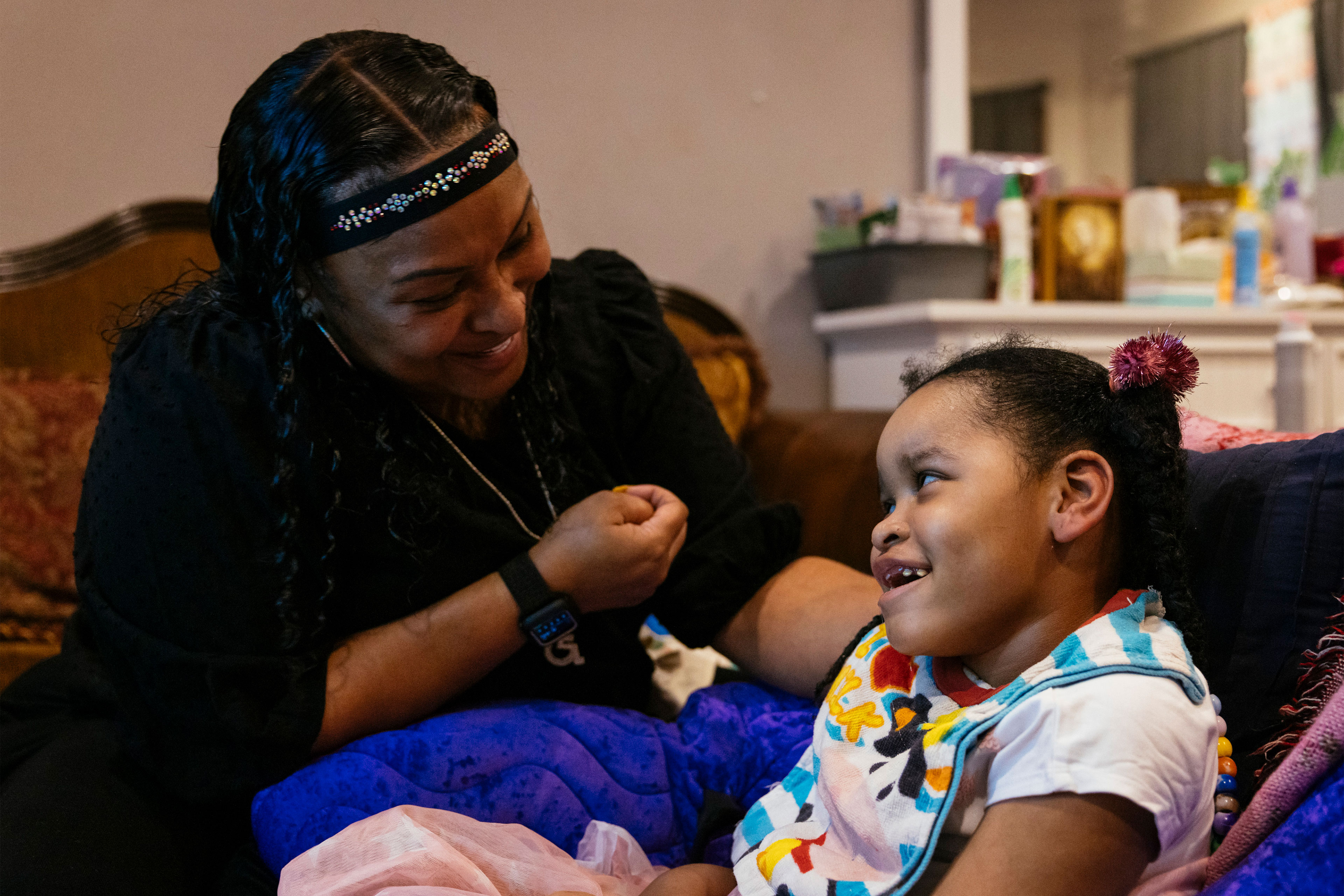
Rhonda Jones smiles at daughter Alayna. (Taylor Glascock for KHN)

All these factors can make finding a lawyer an obstacle for patients.

Deborah Dodge, a Missouri lawyer, said some attorneys are reluctant to take the cases because the government caps their fees at 25{bf0515afdcaddba073662ceb89fbb62b6b1bf123143c0e06b788e1946e8c353f} of the settlement amount. In contrast, plaintiff attorneys often take about 40{bf0515afdcaddba073662ceb89fbb62b6b1bf123143c0e06b788e1946e8c353f} in successful state court malpractice cases.

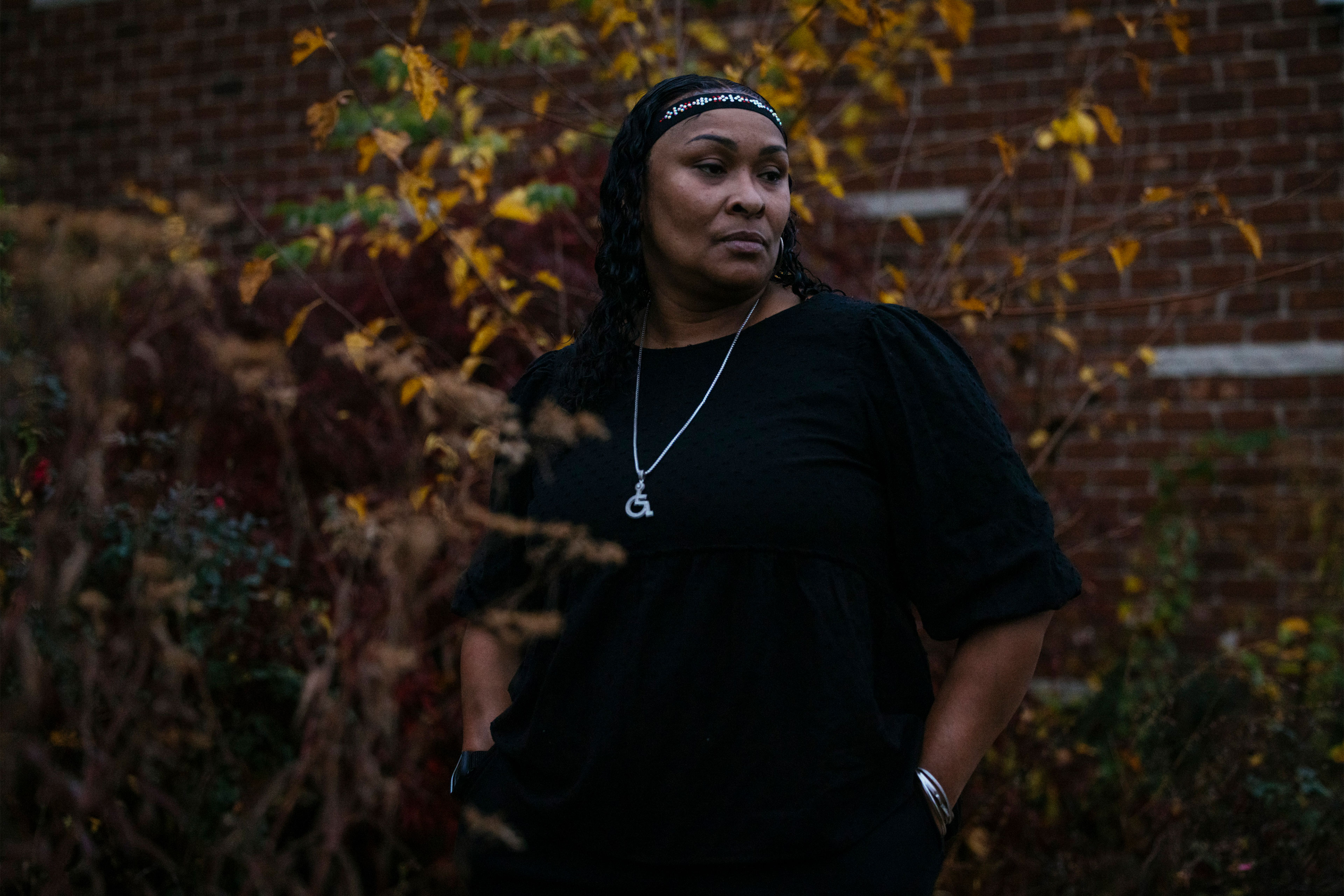
Rhonda Jones was one of those who received a settlement. Her baby was transported to a children’s hospital soon after being born by emergency cesarean section at West Suburban Medical Center in the Chicago area in December 2016, according to her lawsuit. The baby, Alayna, was treated for brain damage from a lack of oxygen, and she now has cerebral palsy.

Jones showed signs of a high-risk delivery when she arrived at the hospital nearly 39 weeks pregnant: She was 40 years old, this was her 11th child, and she had severe preeclampsia and possibly gestational diabetes.

Her lawsuit alleged that she was not adequately monitored at the hospital and that surgery was not performed in time to prevent injury to Alayna.

Jones agreed to a $21 million settlement, $15 million of which was paid by the federal government because some of the doctors involved were employed by PCC Community Wellness Center. The health center and the hospital declined to comment. In court filings, the government and hospital denied wrongdoing.

The money — most of which is in a trust overseen by the court — provides for Alayna, who will require care throughout her life.

“Before what happened to Alayna, I loved them,” Jones said of the health center where she had gone for several of her previous pregnancies. “They were great for me because they would be open late at night when I was working.”

“I still would tell someone to go to PCC because maybe they will get the right doctors when they go to have their baby,” Jones added.

Alander Rocha and KHN reporter Colleen DeGuzman contributed to this article.

Related Topics

Contact Us

Submit a Story Tip

How therapists are trying to heal intergenerational trauma : Shots

How therapists are trying to heal intergenerational trauma : Shots
Culturally responsive therapy is a growing trend, as therapists of color try to make counseling more inclusive.

Cambodian American Eden Teng was was born in a refugee camp on the border of Thailand and Cambodia just a few years after the Cambodian genocide. She moved to the U.S. with her mom and aunt when she was 6.

Teng attributes much of her own resilience in transitioning to the U.S. to her exuberant mom, who wore whatever she wanted and wasn’t afraid to defy social norms — even when it was embarrassing for a teenage Teng.

But when she was growing up, Teng also witnessed the negative impacts of historical, racial and intergenerational trauma on her mom’s wellbeing. Teng often felt confused by the way her mom’s emotions could spiral out of control for seemingly no reason, or why why she had so many health problems.

When Teng first encountered psychology in college, she realized that her mother’s past was directly connected to her emotional and physical health. (Scientists are learning that stress and trauma are sometimes linked to chronic illnesses, like hypertension, diabetes and kidney disease.)

It was this realization that compelled Teng to become a therapist; in 2018 she began her graduate studies in Seattle.

But when COVID-19 hit and the Black Lives Matter movement came into full force, with communities of color having a more public conversation about their struggles in the U.S., Teng says she started feeling differently about her training and the profession she’d be entering. She began to notice how dealing with certain issues, including race and immigration, were not given priority in her clinical training — even though she knew how important they are in shaping a life.

“I didn’t feel represented, and I felt that so much of my family’s history just didn’t feel like it was considered,” she says, adding that she was studying under teachers who were predominantly white. “I just felt silenced in my own history [and] my own experience in the work that I was doing.”

Teng’s graduate program isn’t the only one like this. Therapy is a predominantly white field in the U.S. — 80{bf0515afdcaddba073662ceb89fbb62b6b1bf123143c0e06b788e1946e8c353f} of psychologists, 63{bf0515afdcaddba073662ceb89fbb62b6b1bf123143c0e06b788e1946e8c353f} of counselors and 59{bf0515afdcaddba073662ceb89fbb62b6b1bf123143c0e06b788e1946e8c353f} of social workers are white, according to Data USA, a website that constructs visualizations of public federal data.

Many of the founding ideas, techniques and schools of practice of therapy were developed by white scholars or practitioners. As a result, the field has marginalized the experiences of people of color, therapists and patients say. Microaggressions are also pervasive in psychological practice, researchers note, and many immigrants report not attending therapy because of language barriers, a lack of insurance and high costs.

That’s why Teng wanted to take a new approach. For her, that meant joining a growing movement of other counselors hoping to transform the practice of therapy, to make it more accessible and relevant to people of color and — ultimately — to help them find healing.

Embracing a practice of ‘decolonizing therapy’

Teng was initially inspired by people like Dr. Jennifer Mullan, who refer to this work as “decolonizing therapy,” a process of addressing the structural racism and other forms of oppression that keep therapy from serving many marginalized communities.

“I think the best way to describe decolonized therapy is that it is really making space to examine the external pressures, stressors, and layers of oppression that my clients have endured and survived,” Teng says.

She gives the example of microaggressions in the workplace, or job interviews. “There are opportunities that are not given to you because of your identities,” she says, “But if we look at it through the lens of self-esteem, it’s like ‘Something is wrong with you. You just need to think better about yourself,’ right? Like you need to be more positive.”

But for people of color, that framework of just being “more positive” doesn’t always work. It doesn’t account for racism, xenophobia and other forms of discrimination directed toward them. “The challenge,” Teng explains, “is to recognize that how you’re feeling about yourself can also be internalized oppression.”

Teng’s practice in decolonizing therapy digs into family history, helping her clients of color better understand how the historical oppression of their ancestors affects them. She says this is true for people from her own community, who experienced the genocide when the Khmer Rouge regime killed about 2.2 million people. “When we’re talking about Cambodian refugees and immigrants, there’s a history here that is so horrific, rich, and devastating.”

Teng finds children of Cambodian refugees who have been through the genocide can struggle with guilt. “In first-generation or second-generation Cambodian Americans, there’s this experience that your parents have sacrificed or have gone through so much,” she says. “They’ve experienced tremendous loss. And having that sense of their sacrifices, we feel we need to hold that harm and that grief and that pain.”

Holding onto a parent’s pain leads into tricky territory, says Teng. “We also feel that we have to transcend it by being perfect or striving to be so successful that we are becoming millionaires … versus really being with the gentleness of the grief, and the emotions that are being held and passed down.”

Using culturally responsive techniques

To respond to these issues, Teng has developed a few approaches that are different from the way she was trained. First, Teng often brings in the family to her practice.

“This may mean that we involve parents in sessions so that we can hear from their point of view,” she says. “When we’re in that space, there are a lot of opportunities to shed light on the impacts of being a child of immigrants. And through that lens — of being someone like a first generation immigrant — we can discuss the harm that is very much connected to the harm that parents have navigated.”

Teng supports the children and parents in openly discussing experiences like racism and genocide in a secure and validating environment. She says many who survived the genocide, had to suppress their feelings. “And so, when you have the experience of suppressing those [painful] emotions, you’re also suppressing joy and connection, belonging.”

Allowing her clients and their parents to experience the full spectrum of emotions can be healing, she says. “[They] can allow for positive attachments and relationships that feel meaningful.”

Teng also works against the stereotype of the detached therapist-as-expert. She makes clear to her clients that she may not have all of the answers, and prefers to be transparent with her clients about her own intergenerational trauma. “When we can really be with what’s hurting, we know we’re together in this,” she says. “I’m a part of this collective healing journey with my clients.”

Growing acceptance of the role of historical trauma

Like Teng, Ramona Beltran became interested in decolonizing therapy because of the issues she was seeing in her community of origin. She identifies as Xicana of Yaqui and Mexica descent and is a professor of social work at the University of Denver.

When she was at the start of her career, several of her family members passed away before they reached 60 years old and she found herself asking what the links are between her community’s history of trauma and their health.

When Beltran entered a doctorate program to study historical trauma 20 years ago, she wasn’t taken seriously at first, she says — such as when she gave some presentations on the theoretical framework of historical trauma and healing. “I remember this one [presentation] where they forwarded me the feedback, and several people were like, ‘This is political. It’s ideological. It doesn’t count as research. There’s nothing empirical about this. This isn’t like real academic work.'”

Now, Beltran says things have changed, “I teach a whole class on historical trauma and healing, and it’s always one of the classes that gets filled up right away,” she says. “And that, to me, is progress.”

When she was working on her master’s degree in social work, she says, she noticed that all of the evidence-based styles of practice she had learned in grad school weren’t enough.

“They were just like these kind of mainstream approaches to therapy that were generated from, primarily white, primarily middle class families,” Beltran remembers. “And so maybe they would be translated into Spanish, but to me, what I was seeing was that those practices weren’t really generating a lot of healing.”

Now when she teaches, Beltran emphasizes that decolonizing can take different forms, depending on the experience of the therapist and the shared experiences of the community the therapist is trying to reach.

She highlights three key aspects of culturally responsive therapy: building authentic relationships, ensuring community representation, and re-connecting with one’s cultural background. Like Teng, Beltran is especially interested in working with clients to help them see their culture as a form of intergenerational strength, rather than suffering.

A growing need for culturally responsive therapy

While therapists like Beltran and Teng are committed to making therapy more inclusive, communities of color continue to struggle with getting access to therapists. Teng gets a lot of people contacting her who she simply cannot help. “I’m only licensed to see folks in my area, and there are so many that are interested. And it breaks my heart every time, where I’m not able to provide support.”

She notes that this is especially common for clients living in areas with few clinicians available. “I had one from Kansas most recently, who was like, ‘We don’t have any Khmer therapists anywhere in the state.’ But, unfortunately, I’m not able to provide that service.”

Teng knows what it’s like to lack access to therapy. “I myself haven’t had a therapist of my own who practiced the way that I do until most recently,” she says.

But there have been some recent moves in the right direction, Teng says. Organizations like Inclusive Therapists created the BIPOC Therapy Fund to provide financial help for at least four initial sessions for people of color seeking therapy. The Asian Mental Health Collective also created the Lotus Therapy Fund to provide financial support to Asian therapy seekers for eight sessions.

And the largest professional organization of psychologists in the U.S. is also promising to make changes. Last year, the American Psychological Association issued a formal apology for its role in what it called “promoting, perpetuating and failing to challenge racism, racial discrimination and human hierarchy in the U.S.“

The APA promised to support more research centered on non-Western perspectives, provide more access to culturally competent training, and create more opportunities for people of color to enter the field of psychology. This August, the organization committed $1.1 million to a new Racial Equity Fund to carry out these three goals.

Teng says she hopes to see more funds dedicated to helping people of color get access to therapy that recognizes their history and experiences.

“There’s no way that we can just say that we’re going to look at this from a cultural lens without actually looking through the historical, intergenerational lens,” she says. “And so, it has to be comprehensive and interconnected for it to truly honor the human being that is in front of you.”