Mediterranean Diet for Beginners: Health Benefits, Foods to Eat and How It Works

Imagine living along the beautiful Mediterranean Sea. That might sound like a dream to you. While you may not be able to pack your bags and move to Greece, you can eat Mediterranean cuisine from the comfort of your own home. Named the best diet of 2023 by U.S. News and World Report, the Mediterranean diet brings the Mediterranean vacation to you with added health benefits for your heart. Here is everything you need to know about this nutrient-rich and nonrestrictive diet. 

What is the Mediterranean diet?

The Mediterranean diet is inspired by the traditional diets of people who live along the Mediterranean coast. While each country’s diet may vary from the next, the Mediterranean diet consists mainly of plant-based foods, seafood, lean poultry, whole grains, nuts, beans, olive oil, herbs and spices. The key is to eat as much fresh food as possible since highly processed foods are limited in the diet.  

Green Mediterranean diet

A recent popular variation of the Mediterranean diet is referred to as the Green Mediterranean diet. Instead of having red and processed meats on occasion with the regular Mediterranean diet, the Green Mediterranean diet cuts out meats altogether and places more focus on plant-based foods. There is a set amount of calories and protein to hit each day, in addition to three recommendations. Each day, an individual must obtain 100 grams of duckweed (an aquatic plant, usually put in a shake), 3 to 4 cups of green tea and 1 ounce of walnuts. A 2021 study found that the Green Mediterranean diet variation may be healthier for one’s heart than the original diet. It may even be more effective in preventing and managing chronic diseases. A 2022 study found that the diet may aid in age-related brain health.  

Mediterranean diet benefits

In addition to being a great diet for those who are kosher, vegetarian or budget-conscious, the Mediterranean diet has many health benefits.

Heart health

The most well-known benefit of this diet is its potential to boost heart health. A 2019 study concluded that the Mediterranean diet could lower your risk of stroke and heart disease. Also, due to the lower saturated fat content in the diet, another study found that it can slow the process of plaque building up in the arteries.   

Brain health 

The Mediterranean diet can promote brain health as we age. A recent study on Alzheimer’s disease found that a Mediterranean diet can lower the risk of dementia and other risk factors for Alzheimer’s disease. It may also improve memory and cognitive function.   

Possible weight loss

This diet may help you lose weight and maintain long-term weight loss. A 2020 study found that participants who lost at least 10{bf0515afdcaddba073662ceb89fbb62b6b1bf123143c0e06b788e1946e8c353f} of their body weight on the Mediterranean diet were two times more likely to keep the weight off.  

Note that any diet is not complete without added exercise. If you are serious about weight loss, add daily exercise to your routine in addition to a new diet. 

How does the Mediterranean diet work?
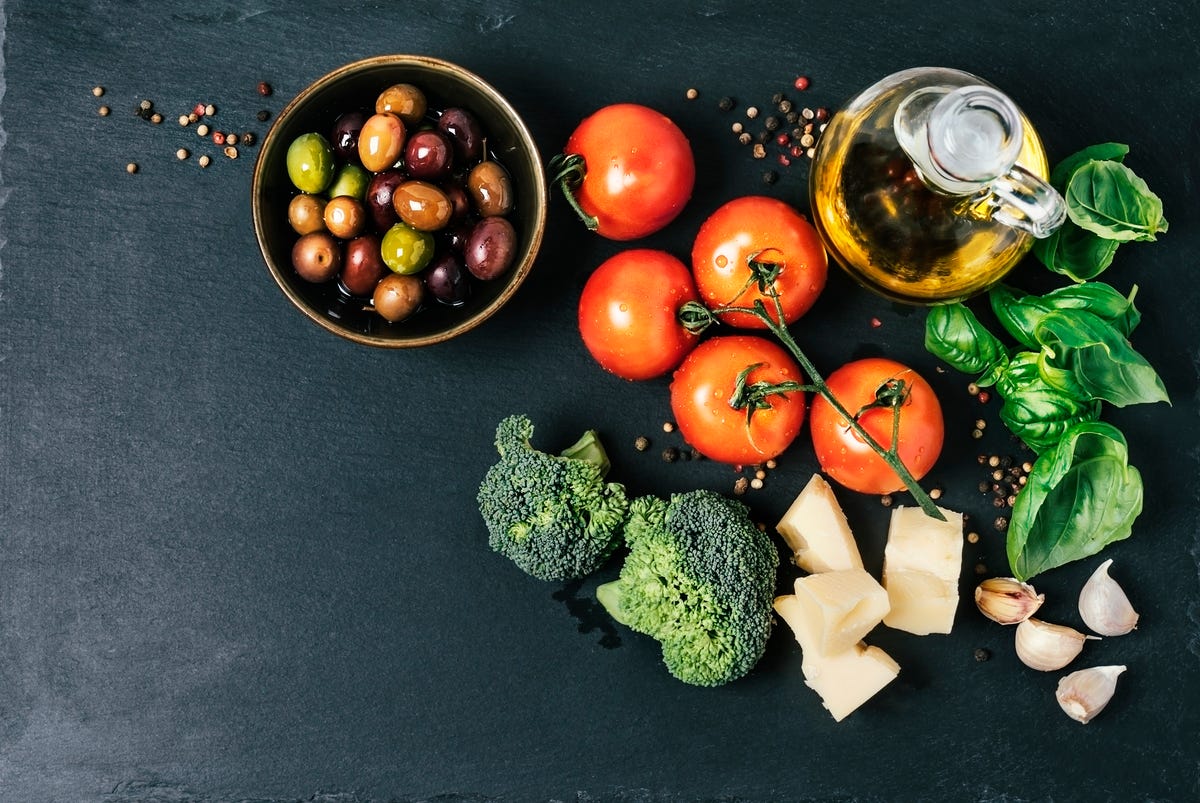
Olives, tomatoes, broccoli, olive oil

Getty Images/Claudia Totir/Moment

The Mediterranean diet is one of the easiest to follow, and counting calories is not required. While there are no strict rules, there are a few recommendations. These include eating fish or seafood at least twice a week, drinking lots of water, eating a wide range of foods and filling your plate with fruits, vegetables, whole grains, beans, nuts and olive oil, daily. On top of these recommendations, your meals and snacks are up to you. Here is what you are encouraged to eat.    

Foods to eat on the Mediterranean diet

On the Mediterranean diet, try to eat plant-based and whole foods. These may include:

  • Fish (salmon, tuna, herring, etc.)
  • Seafood
  • Poultry, in moderation
  • Vegetables
  • Fruits
  • Dairy products
  • Eggs, in moderation
  • Olive oil
  • Chickpeas
  • Lentils
  • Quinoa
  • Pasta
  • Yogurt, in moderation
  • Nuts
  • 100{bf0515afdcaddba073662ceb89fbb62b6b1bf123143c0e06b788e1946e8c353f} whole-wheat bread
  • Herbs
  • Spices
  • A glass of red wine with meals (no more than one glass for women, two glasses for men)
  • A bit of dark chocolate

Foods to limit on the Mediterranean diet

While no foods are “off-limits,” try to rarely eat the following:

  • Red meats 
  • Sugary foods and drinks
  • Processed foods
  • Butter

Meal ideas

Fill your grocery list with these meal ideas for the week. 

Breakfast

  • Greek yogurt with fresh fruit and a cup of tea 
  • Whole-wheat toast with natural peanut butter and a cup of coffee (added cream and sugar in moderation)

Lunch

  • Chicken orzo soup with vegetables 
  • Greek salad with olives, avocado and feta cheese

Dinner

  • Salmon cooked in olive oil, brown rice and roasted vegetables
  • Tuna over quinoa and arugula with olive oil vinaigrette dressing 

Snacks

  • Assorted nuts and seeds with natural cheese
  • Pita bread and vegetables with hummus 

Is the Mediterranean diet for you?

Bowl of spaghetti with shrimp, asparagus, tomatoes and pesto

Getty Images/Westend61/Westend61

Although named the best diet of 2023, the Mediterranean diet is not for everyone. Talk to your doctor before making any major dietary changes. If you are considering trying this diet for yourself, here are some points to keep in mind.  

You should try the Mediterranean diet if:

  • You do well with nonrestrictive diets
  • You already eat lots of seafood, plant-based foods and whole grains
  • You are looking for a budget-friendly and diet low in unhealthy fats and high in healthy fats

Try another diet or seek a dietitian if:

  • You need more structure or require some foods to be completely off-limits
  • You have major food restrictions or allergies 
  • You need tailored diet, weight loss and exercise plans

Mediterranean diet FAQs

What is not allowed on the Mediterranean diet?

Technically, no foods are strictly “off-limits” on the Mediterranean diet. However, you should try to either cut back or avoid processed foods (especially processed meats), red meats, white breads and pastas, butter, processed oils and excessive alcohol (besides red wine). 

Can you eat eggs on the Mediterranean diet?

Yes, you can eat eggs in moderation on the Mediterranean diet. However, if you have high cholesterol, try not to have more than four egg yolks in one week.  

Can you eat bananas on the Mediterranean diet?

Yes, you can eat bananas on the Mediterranean diet. It is recommended to eat lots of fruits and vegetables on this diet. 

Which cheese is OK to eat on the Mediterranean diet?

Natural cheeses are the best to eat on the Mediterranean diet. While there are no restrictions, the diet recommends limiting processed cheese. Stay away from heavily processed cheeses like American cheese or cheese-in-a-can. Instead, lean toward natural cheeses like mozzarella, feta, cheddar, swiss, parmesan or muenster. 

The information contained in this article is for educational and informational purposes only and is not intended as health or medical advice. Always consult a physician or other qualified health provider regarding any questions you may have about a medical condition or health objectives.

Apps are helping make medical diagnoses, but they’re still works in progress

Comment

The identical gadgets employed to just take selfies are becoming repurposed and commercialized for quick access to facts essential for monitoring client health. A fingertip pressed versus a phone’s camera lens can evaluate a coronary heart price. The microphone, saved by the bedside, can screen for rest apnea.

In the greatest of this new environment, the knowledge is conveyed remotely to a clinical experienced for the usefulness and ease and comfort of the individual — all without the need to have for highly-priced hardware.

But making use of smartphones as diagnostic tools remains a work in progress. Whilst health professionals and their sufferers have located some true-entire world achievements, gurus mentioned their all round likely remains unfulfilled and unsure.

Smartphones arrive packed with sensors capable of monitoring a patient’s critical indications. They can support evaluate people for concussions, watch for atrial fibrillation and perform psychological well being wellness checks, to title the utilizes of a couple of nascent apps.

Eager firms and scientists are tapping into phones’ designed-in cameras and mild sensors microphones accelerometers, which detect overall body movements gyroscopes and even speakers. The applications then use synthetic intelligence software program to assess the gathered sights and seems to generate an straightforward relationship concerning sufferers and doctors. In 2021, a lot more than 350,000 electronic wellbeing items have been out there in application outlets, in accordance to a Grand Check out Research report.

“It’s quite really hard to place gadgets into the patient property or in the hospital, but everybody is just walking close to with a cellphone that has a community connection,” claimed Andrew Gostine, a medical professional and CEO of the sensor network corporation Artisight. Most People in america individual a smartphone, together with additional than 60 p.c of men and women 65 and over, according to the Pew Investigate Centre. The pandemic has also manufactured folks far more at ease with virtual treatment.

The makers of some of these solutions have sought clearance from the Food items and Drug Administration to industry them as health-related devices. Other people have been specified as exempt from the regulatory process, put in the identical medical classification as a Band-Support. But how the agency handles AI and equipment understanding-primarily based health care equipment is even now being adjusted to reflect software’s adaptive mother nature.

Ensuring precision and medical validation is essential to securing acquire-in from well being-care providers. And a lot of tools however have to have fantastic-tuning, mentioned Eugene Yang, a medical professor of drugs at the University of Washington.

Judging these new systems is complicated because they count on algorithms constructed by equipment studying and synthetic intelligence to gather data, alternatively than the bodily tools usually utilised in hospitals. So researchers simply cannot “compare apples to apples” with healthcare business requirements, Yang said. Failure to make in these types of assurances can undermine the technology’s targets of easing expenses and access since a health care provider nonetheless will have to confirm effects, he additional.

Massive tech firms this kind of as Google have greatly invested in the spot, catering to clinicians and in-home caregivers, as properly as consumers. At the moment, Google Healthy application customers can verify their coronary heart rate by inserting their finger on the rear-dealing with digital camera lens or observe their respiratory rate utilizing the entrance-struggling with digital camera.

Google’s exploration employs device studying and laptop or computer eyesight, a discipline inside of AI primarily based on info from visual inputs these types of as videos or images. So as a substitute of making use of a blood tension cuff, for instance, the algorithm can interpret slight visible alterations to the physique that provide as proxies and biosignals for blood stress, claimed Shwetak Patel, director of health systems at Google and a professor of electrical and laptop or computer engineering at the College of Washington.

Google is also investigating the usefulness of its smartphone’s crafted-in microphone for detecting heartbeats and murmurs and using the digital camera to maintain eyesight by screening for diabetic eye disorder, according to info the organization posted in 2022.

The tech giant not long ago purchased Sound Life Sciences, a Seattle start-up organization with an Fda-cleared sonar technological innovation app. It works by using a clever device’s speaker to bounce inaudible pulses off a patient’s human body to determine movement and keep track of respiratory.

Binah.ai, based mostly in Israel, is also utilizing the smartphone digicam to estimate important indicators. Its software package studies the location all over the eyes and analyzes the light-weight reflecting off blood vessels again to the lens, business spokesperson Mona Popilian-Yona stated.

Purposes even attain into disciplines these kinds of as optometry and mental overall health:

  • With the microphone, Canary Speech utilizes the exact same fundamental technological know-how as Amazon’s Alexa to analyze patients’ voices for psychological wellbeing situations. The computer software can combine with telemedicine appointments and allow clinicians to display for stress and anxiety and depression employing a library of vocal biomarkers and predictive analytics, explained Henry O’Connell, the company’s CEO.
  • Australia-based mostly ResApp Wellbeing obtained Fda clearance in 2022 for an Apple iphone app that screens for average to critical obstructive slumber apnea by listening to respiratory and loud night breathing. SleepCheckRx, which will involve a prescription, is minimally invasive in contrast with snooze scientific studies now made use of to diagnose snooze apnea.
  • Brightlamp’s Reflex app is a scientific determination assist resource for assisting control concussions and eyesight rehabilitation, between other things. Applying an iPad’s or iPhone’s digicam, the mobile app actions how a person’s pupils respond to alterations in gentle. As a result of equipment understanding evaluation, the imagery gives practitioners data points for analyzing patients. Brightlamp sells immediately to overall health-treatment suppliers and is currently being employed in additional than 230 clinics. Clinicians pay a $400 typical yearly cost per account, which is not included by insurance policy. The Protection Section has an ongoing clinical demo working with Reflex.

In some circumstances, this sort of as with the Reflex app, information is processed immediately on the phone — fairly than in the cloud, Brightlamp CEO Kurtis Sluss mentioned. By processing almost everything on the gadget, the app avoids running into privacy problems, as streaming data somewhere else calls for patient consent.

But algorithms need to have to be qualified and examined by accumulating reams of info, and that is an ongoing system.

Researchers, for instance, have located that some personal computer vision purposes, together with some for coronary heart amount and blood stress checking, can be a lot less precise for darker skin. Scientific studies are underway to find better alternatives.

“We’re not there however,” Yang mentioned. “That’s the base line.”

This short article was manufactured by Kaiser Health and fitness Information, a program of the Kaiser Spouse and children Foundation, an endowed nonprofit group that provides details on health and fitness problems to the country.

Five questions: FSU exercise physiologist works to help individuals achieve optimal performance

Five questions: FSU exercise physiologist works to help individuals achieve optimal performance
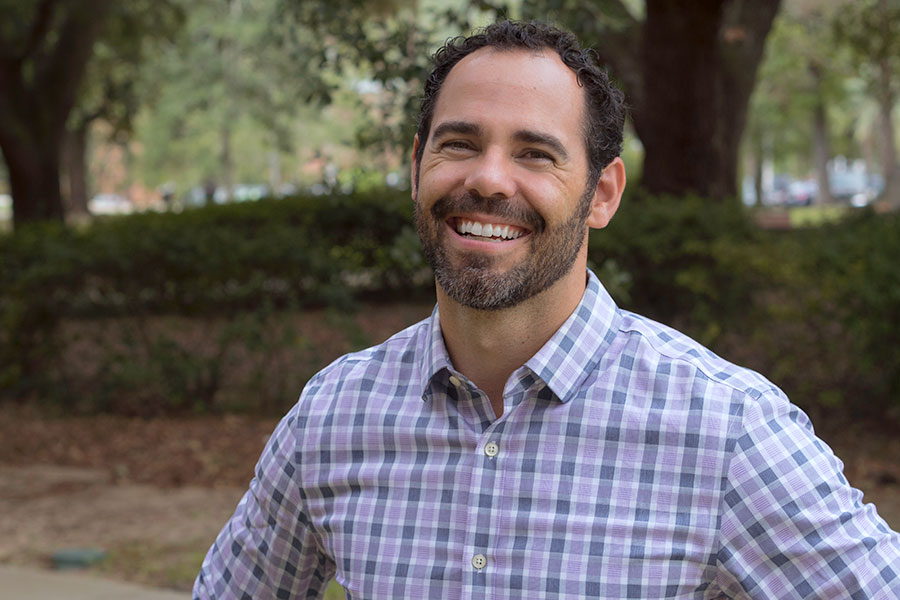
Michael Ormsbee, a professor in the College of Health and Human Sciences

Professor of Nutrition and Integrative Physiology Michael Ormsbee first became interested in how the body performs as a high school athlete, an interest that blossomed into a full-time career.

As a professor and director of Florida State University’s Institute of Sports Sciences and Medicine, or ISSM, he has worked with both individuals who are competing at the highest levels of athletic competition and those who are trying to improve their overall health.

He answered five questions about how he came to work in this field and his latest projects.

What first drew you to the field of exercise physiology and nutrition?

I grew up in an active household and played sports my entire life. I began training as a young teen and was always competing at the President’s Physical Fitness Tests that were held annually in middle and high school. My older brother was the same way and began to read some of the old school muscle and fitness magazines for fun. I was fortunate to then go on to college and play ice hockey. Around that time, I took an introduction to exercise physiology class as a freshman and had a professor that made me love the material and want to learn more. I was hooked.

How have your perspectives changed since you started working in the field? Or are there areas you are more interested in now as opposed to when you started?

My view has changed from a “me focused” approach to a more altruistic approach to asking research questions. I was at first, of course, interested in learning more about exercise and nutrition to improve my own personal performance on the ice or in the weight room. Later that morphed into a focus on how to help others achieve a high level of performance, be it for athletes to be bigger, faster and stronger or for the general population to be healthier, fit and happy. I suppose some of my interests shifted also to older populations as I got older too. In recent years, we have also become more focused on wearable technologies for sport, female physiology and sleep science. However, the underlying focus has always been to use nutrition and exercise to improve health, body composition and performance of any of the populations that we study.

You recently took over as director of the Institute of Sports Sciences and Medicine. What do you see as the role or mission of that institute going forward?

The vision I have for the institute is to make it the top authority in sport science, performance nutrition and sports medicine globally. We have some great momentum nationally and some collaborations internationally, but there is a need to expand our reach. In this new role, I hope to more fully incorporate interested researchers and research programs from both athletics and from medicine. We have traction in both areas, but I will be looking to expand our collaborations and reach. Simultaneously, I hope to provide improved experiences for students to not only learn about the theory of exercise and nutrition science, but to put it into practice. We are now re-opening our successful community outreach program to allow pay-for-service testing so that the community can have an “athlete experience” and get data to improve their own health such as fitness level, lactate threshold, aerobic capacity, body fat and muscle mass, or simply run on our anti-gravity treadmill.

This growth mindset will help to, first, gain visibility on campus and in our community and also open up research collaboration opportunities that did not exist before.

In addition to your work looking at how elite athletes can achieve optimal performance, you also are working on a project about how some of these principles can be applied to individuals struggling with health issues such as obesity and potentially Type 2 diabetes. Can you talk a little bit about how these different types of projects intersect or how one might help inform the other?

Yes, I have been fortunate to work with athletes, the general population and clinical populations. While these may sound like completely different research areas, they all fit under our primary umbrella of human performance nutrition research. For me, I think improving performance is equally impressive whether it is to simply take a few more steps, to be able to climb a flight of stairs, to improve body composition or translate it into actual on-field performance changes. Performance should not be limited to athletes; we all need to perform in life and at work. So, while our populations vary, our end goal is usually quite similar.

Currently we are working on projects with FSU athletes, firefighters, obese and diabetic individuals, and active older adults. What fascinates me constantly is the cross-talk between traditional medicine and sports nutrition. For example, there are a number of instances where a sports nutrition product is now used in clinical populations and vice versa. To give one example, creatine supplementation began in athletes but is now used in a plethora of clinical conditions with success. Likewise, there are modified starches that were developed for a clinical condition called glycogen storage disease that are now used by athletes.

The beauty of our work is that it is highly engaging for the scientist and is translatable for the physician, athlete or coach.

Where do you see your research going forward? Do you have any specific plans for ISSM or your personal research agenda that you’d like to share?

I am beginning to meet with other top research facilities and directors of other institutes that are similar to ours to understand what works and what does not. That will ultimately translate into an updated mission, increased collaboration with highly funded institutes or centers and improved recognition worldwide. I’m excited to bring in new faculty to the institute (we are currently hiring an assistant professor of sports nutrition) and creating more internal and external affiliates to focus on areas such as female physiology, warfighter/first responder resilience, sleep medicine, elite athletics and sports medicine.

/Public Release. This material from the originating organization/author(s) may be of a point-in-time nature, edited for clarity, style and length. The views and opinions expressed are those of the author(s).View in full here.