
13 Foods You Should Eat for Optimal Kidney Health

Think of your kidneys like filters that rid your body of all the things you don’t want. These two fist-sized, bean-shaped organs filter your blood. In doing so, they remove toxins and excess fluids while keeping your levels of potassium, sodium and more in check. At the same time, they produce hormones that help to regulate everything from your blood pressure to your bone strength. Long story short: Your kidneys do a lot. 

So much, in fact, that they can get overtaxed. Roughly one in seven Americans has chronic kidney disease, which can cause waste and fluid buildup in your body. Worse yet, most people with CKD don’t know they have it. 

Poor eating habits heighten your risk for CKD. But when you eat the best foods for your kidneys, the reverse can be true. Since certain foods are good for kidneys, what you eat can help to protect your kidney health. 

Best foods for healthy kidneys

These are our top picks for foods to add to your diet for optimal kidney health.

1. Fatty fish 

Fish delivers protein, and when you choose a fatty fish like tuna, salmon or trout, you’re also getting omega-3 fatty acids. According to the National Kidney Foundation, omega-3 fats may help reduce fat levels (triglycerides) in the blood and may also lower blood pressure.

If you have CKD, you may need to keep an eye on the phosphorus and potassium levels of the fish you choose. The National Kidney Foundation has a chart you can use to determine levels in specific types of fish. Although, it’s best to consult with your doctor.

2. Cabbage 

This nutrient-dense vegetable is low in both potassium and sodium while packing in fiber, vitamins C and K and more. 

Plus, cabbage is versatile. You can use it in salads and slaws, but you can also use it as a wrap for tacos, sandwiches and more. 

3. Bell peppers 

Like cabbage, bell peppers pack in lots of good nutrients with low levels of potassium. With them, you get vitamins B6, B9, C and K, plus fiber. And they deliver antioxidants, too. 

You can slice them and eat them with dips or roast them up and add them to dinner. 

Red bed pepper on cutting board with hands and knife slicing it

Jacobs Stock Photography/Getty Images

4. Cranberries 

Cranberries help to prevent urinary tract infections. While these usually stay in your bladder, they can travel up to your kidney, making kidney problems worse. Fortunately, regularly consuming cranberries can help you avoid this unwelcome situation. 

Plus, cranberries have antioxidants that can help to fight inflammation, and they can boost your heart and digestive health. It turns out, these tart berries aren’t just for the Thanksgiving table. 

5. Blueberries 

We’ve talked about some of the best foods for kidneys, but you can take it a step further. The question is: what foods help repair kidneys? Blueberries deliver here. 

With high levels of antioxidants and loads of vitamin C and fiber, blueberries are all-around healthy. They can also help to reduce inflammation and support bone health, reversing some of the issues that can come with CKD. 

6. Dark, leafy greens 

Still wondering what foods help repair kidneys? You can turn to dark, leafy greens like spinach or kale. They deliver so many nutrients that they can help you get key vitamins and minerals, plus immunity-boosting benefits. 

Be advised, though, that greens can come with a decent amount of potassium. If you have CKD, talk to your doctor before adding more of these to your diet. 

7. Olive oil

Rich in antioxidants and healthy fatty acids, olive oil can boost your overall wellness. A study from the University of Harvard, found that olive oil may lower cholesterol levels and the risk of cardiovascular disease, dementia and some types of cancer.

Beyond all this, it can help you add flavor to dishes without turning to salt or butter. 

To get more antioxidants, choose unrefined or cold-pressed olive oil that’s virgin or extra virgin. 

8. Garlic 

Another antioxidant-rich, inflammation-fighting food, garlic also contains a specific compound called allicin. For people with CKD, allicin — an active compound found in garlic — worked just as effectively to help protect kidney health as a prescription drug. If you’re looking for the best foods for kidneys, garlic has to make the list. 

Plus, it’s an excellent way to add flavor even when you’re skimping on salt. 

9. Onions 

From the same family as garlic, onions give you another excellent and salt-free way to add flavor (bonus points if you saute them in olive oil). Onions also deliver important nutrients like vitamins B6 and C, manganese and copper. 

They also contain quercetin, a chemical that can help your body fight cancer, and organic sulfur compounds that can reduce your risk of high blood pressure, stroke and heart disease. 

10. Cauliflower 

Cauliflower brings the crunch, paired with plenty of vitamins C, B6, B9 and K, along with fiber. It also contains compounds your body can use to neutralize certain toxins — a big help when your kidneys aren’t doing their best filtration work. 

Cauliflower does contain some potassium and phosphorus, though, so while it makes the list of foods good for kidneys, people with CKD may want to moderate their intake. 
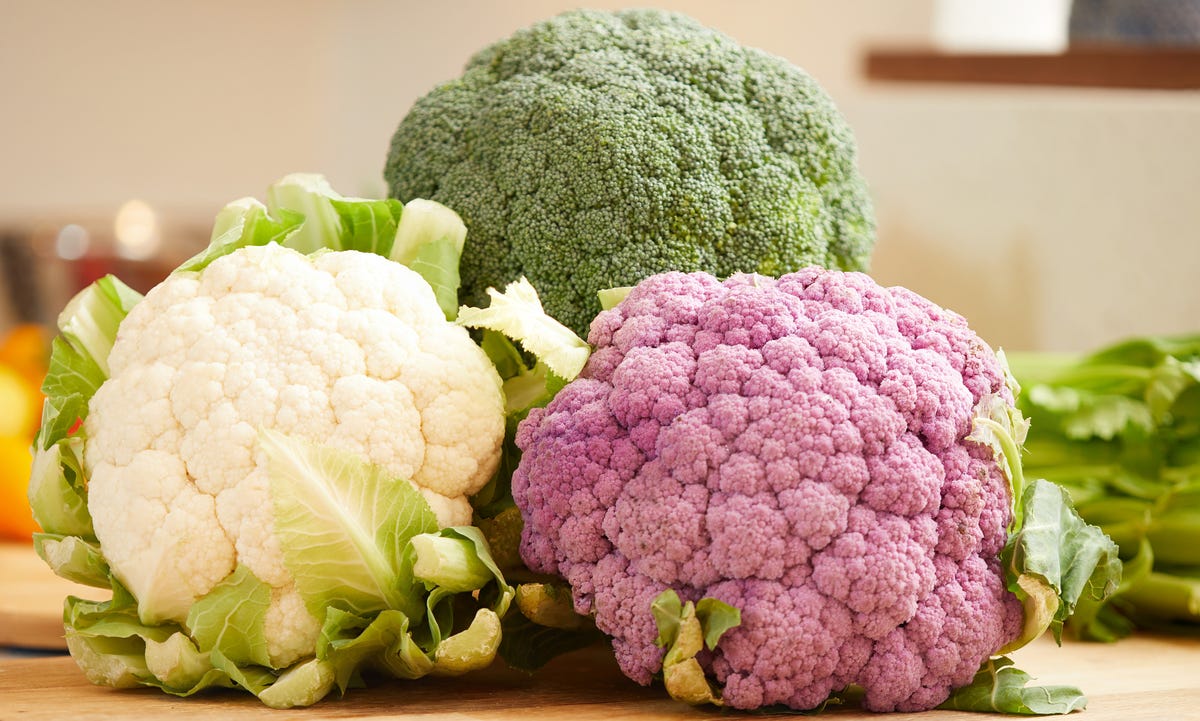
Green, white and purple cauliflowers on cutting board

Thanasis/Getty Images

11. Egg whites 

Egg whites are specifically recommended for people with kidney problems. They give you a way to increase your protein levels — which can be especially important with later-stage CKD, and especially if you’re on dialysis. 

12. Arugula 

Arugula is packed with nutrients your body needs like magnesium, iron, calcium and vitamins A, B9, C and K. Plus, it’s antioxidant-rich and has glucosinolates, which can help your body protect itself against a range of cancer types. 

You can eat arugula raw (it’s a great salad base), but you can also sprinkle it over whatever you’re whipping up. It’s great on pizzas, in omelets and in pastas, for example. 

13. Apples 

Apples deliver the cancer-fighting quercetin and fiber that can help to keep your cholesterol and blood sugar at healthy levels. And they’ve got plenty of antioxidants. 

Better yet, they’re easy to work into your diet. Leave a bowl of apples on your counter and you’ll have a kidney-healthy grab-and-go snack whenever you need one. 

The information contained in this article is for educational and informational purposes only and is not intended as health or medical advice. Always consult a physician or other qualified health provider regarding any questions you may have about a medical condition or health objectives.
Five questions: FSU exercise physiologist works to help individuals achieve optimal performance

Five questions: FSU exercise physiologist works to help individuals achieve optimal performance
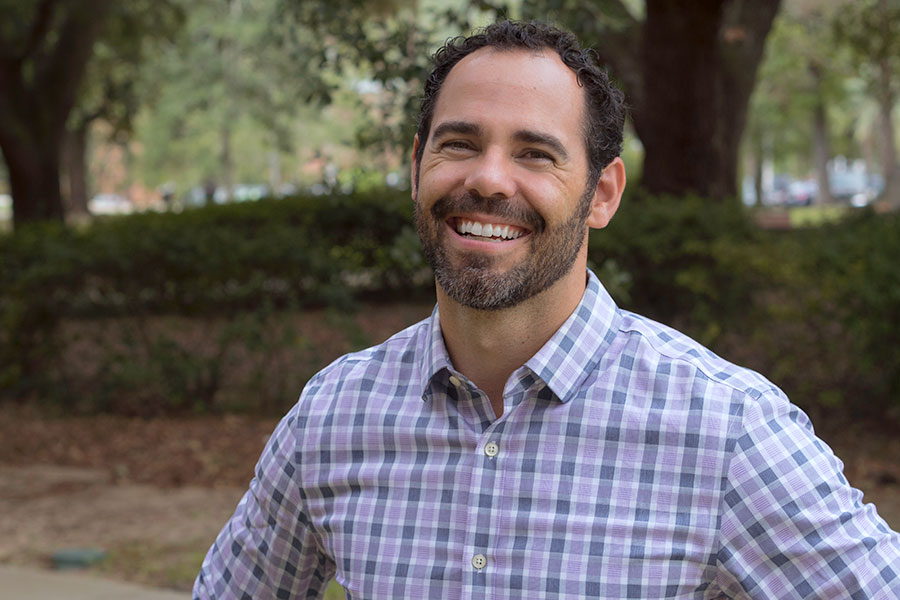
Michael Ormsbee, a professor in the College of Health and Human Sciences

Professor of Nutrition and Integrative Physiology Michael Ormsbee first became interested in how the body performs as a high school athlete, an interest that blossomed into a full-time career.

As a professor and director of Florida State University’s Institute of Sports Sciences and Medicine, or ISSM, he has worked with both individuals who are competing at the highest levels of athletic competition and those who are trying to improve their overall health.

He answered five questions about how he came to work in this field and his latest projects.

What first drew you to the field of exercise physiology and nutrition?

I grew up in an active household and played sports my entire life. I began training as a young teen and was always competing at the President’s Physical Fitness Tests that were held annually in middle and high school. My older brother was the same way and began to read some of the old school muscle and fitness magazines for fun. I was fortunate to then go on to college and play ice hockey. Around that time, I took an introduction to exercise physiology class as a freshman and had a professor that made me love the material and want to learn more. I was hooked.

How have your perspectives changed since you started working in the field? Or are there areas you are more interested in now as opposed to when you started?

My view has changed from a “me focused” approach to a more altruistic approach to asking research questions. I was at first, of course, interested in learning more about exercise and nutrition to improve my own personal performance on the ice or in the weight room. Later that morphed into a focus on how to help others achieve a high level of performance, be it for athletes to be bigger, faster and stronger or for the general population to be healthier, fit and happy. I suppose some of my interests shifted also to older populations as I got older too. In recent years, we have also become more focused on wearable technologies for sport, female physiology and sleep science. However, the underlying focus has always been to use nutrition and exercise to improve health, body composition and performance of any of the populations that we study.

You recently took over as director of the Institute of Sports Sciences and Medicine. What do you see as the role or mission of that institute going forward?

The vision I have for the institute is to make it the top authority in sport science, performance nutrition and sports medicine globally. We have some great momentum nationally and some collaborations internationally, but there is a need to expand our reach. In this new role, I hope to more fully incorporate interested researchers and research programs from both athletics and from medicine. We have traction in both areas, but I will be looking to expand our collaborations and reach. Simultaneously, I hope to provide improved experiences for students to not only learn about the theory of exercise and nutrition science, but to put it into practice. We are now re-opening our successful community outreach program to allow pay-for-service testing so that the community can have an “athlete experience” and get data to improve their own health such as fitness level, lactate threshold, aerobic capacity, body fat and muscle mass, or simply run on our anti-gravity treadmill.

This growth mindset will help to, first, gain visibility on campus and in our community and also open up research collaboration opportunities that did not exist before.

In addition to your work looking at how elite athletes can achieve optimal performance, you also are working on a project about how some of these principles can be applied to individuals struggling with health issues such as obesity and potentially Type 2 diabetes. Can you talk a little bit about how these different types of projects intersect or how one might help inform the other?

Yes, I have been fortunate to work with athletes, the general population and clinical populations. While these may sound like completely different research areas, they all fit under our primary umbrella of human performance nutrition research. For me, I think improving performance is equally impressive whether it is to simply take a few more steps, to be able to climb a flight of stairs, to improve body composition or translate it into actual on-field performance changes. Performance should not be limited to athletes; we all need to perform in life and at work. So, while our populations vary, our end goal is usually quite similar.

Currently we are working on projects with FSU athletes, firefighters, obese and diabetic individuals, and active older adults. What fascinates me constantly is the cross-talk between traditional medicine and sports nutrition. For example, there are a number of instances where a sports nutrition product is now used in clinical populations and vice versa. To give one example, creatine supplementation began in athletes but is now used in a plethora of clinical conditions with success. Likewise, there are modified starches that were developed for a clinical condition called glycogen storage disease that are now used by athletes.

The beauty of our work is that it is highly engaging for the scientist and is translatable for the physician, athlete or coach.

Where do you see your research going forward? Do you have any specific plans for ISSM or your personal research agenda that you’d like to share?

I am beginning to meet with other top research facilities and directors of other institutes that are similar to ours to understand what works and what does not. That will ultimately translate into an updated mission, increased collaboration with highly funded institutes or centers and improved recognition worldwide. I’m excited to bring in new faculty to the institute (we are currently hiring an assistant professor of sports nutrition) and creating more internal and external affiliates to focus on areas such as female physiology, warfighter/first responder resilience, sleep medicine, elite athletics and sports medicine.

/Public Release. This material from the originating organization/author(s) may be of a point-in-time nature, edited for clarity, style and length. The views and opinions expressed are those of the author(s).View in full here.