In a recent article published in BMJ, researchers proposed the tools and frameworks of mechanistic evidence, sometimes known as evidence-based medicine (EBM)+ combined with traditional EBM, might help overcome the highly protracted coronavirus disease 2019 (COVID-19) pandemic.
EBM+ encompasses conceptual tools and quality frameworks from various fields, including complexity science, engineering, and the social sciences, and a more pluralist approach to fetch ‘high-quality’ mechanistic evidence.
Background
Traditional methods, such as randomized controlled trials (RCTs) and meta-analyses, contributed significantly to the science of COVID-19. However, these methods have historically answered simple, focused questions in a stable context, such as those about biomedicine. They have significant limitations when extended to complex situations. In this case, severe acute respiratory syndrome coronavirus 2 (SARS-CoV-2), a novel pathogen, led to chaos across multiple sectors, medical, social, economic, and political dimensions in a fast-changing global context.
SARS-CoV-2 has proved tenacious and shifting. While RCTs and meta-analyses of RCTs remarkably estimated the efficacy of COVID-19 drugs and vaccines, some scholars argue that tackling some of its aspects critically required mechanistic evidence. COVID-19 led to complex situations where multiple variables interacted dynamically with high uncertainty.
Decisions had to be taken in days (urgently), not years, and the consequences of not acting would have been catastrophic (threatening). In such situations, dismissing mechanistic evidence and overvaluing poorly designed or irrelevant RCT findings cost thousands of lives. Overall, the COVID-19 pandemic presented an epistemic opportunity to understand, debate, and embrace EBM+.
About the study
In the present study, researchers argued that while the hierarchy of evidence that places mechanistic evidence at the bottom and meta-analyses of RCTs at the top is a useful heuristic, but inapplicable to all circumstances. There should be enough guidance to apply hierarchy flexibly depending on the nature of the research question and the extent of complexity involved.
Indeed, RCTs are not a panacea; thus, systemic reviews are crucial to interpret primary evidence along with modifications of the hierarchy of evidence to answer contemporary policy questions pertaining to SARS-CoV-2.
Further, the researchers suggested modifications to the hierarchy of evidence for mechanistic evidence. They emphasized combining evidence of mechanisms with probabilistic evidence from clinical trials and non-randomized studies, both comparative and observational, to make a strong case for causality. It’s because a plausible mechanism confirms or denies the stability of the causal relationship across settings.
This exercise could ensure that public health interventions would work as they involve both the upstream causes and the ’causes’ through which interventions might act. For instance, COVID-19 causes included family structures and their interactions, economic and cultural variations, etc., and attitudes, beliefs, capabilities, and personal resources determined whether public health measures worked. Furthermore, the researchers argued that mechanistic evidence is inherently explanatory.
Early in the pandemic, COVID-19 scientific research was prematurely fixed and constrained to a population-intervention (or exposure)-comparison-outcome (PICO) format that narrowed predefined outcomes and suppressed scientific imagination. Such studies estimated infections in the mask wearer(s) in statistical terms. Still, they failed to account for unique patterns of SARS-CoV-2 spread (e.g., overdispersion, indoor predominance), all of which could have pointed at its predominantly airborne transmission.
An RCT randomized 6,024 people advised wearing masks outside the home. Its results showed infection with SARS-CoV-2 in 42 and 53 people (1.8{bf0515afdcaddba073662ceb89fbb62b6b1bf123143c0e06b788e1946e8c353f} and 2.1{bf0515afdcaddba073662ceb89fbb62b6b1bf123143c0e06b788e1946e8c353f}) of the intervention and control arms, respectively, i.e., statistically insignificant. However, EMB supporters argue and evidenced that wearing masks in public does not substantially reduce infection.
The Cochrane Database of Systematic Reviews encouraged policy-makers to adopt the precautionary principle based on the findings of this flawed study because of the urgency of the situation. However, an EBM approach would have accounted for studies elucidating the mechanism(s) by which masking might work. For instance, evidence from:
i) real-world case studies and mathematical modeling studies supporting airborne route of transmission of SARS-CoV-2
ii) Engineering studies showing the filtration properties of different masks
iii) Psychological and socio-cultural evidence of whether people wear masks
Delivering public health interventions and ensuring they are implemented, for instance, face masking, is a complex phenomenon. It has multiple components acting interdependently and individually at multiple levels. Masks could be homemade or produced to formal technical standards. People may mask as socially expected, organisationally required, or legally mandated.
Overall, its adequate implementation is complex in real-world settings for multiple social and behavioral reasons. Thus, complex systems require a new paradigm with designs that could capture dynamic change(s), simultaneously accommodating non-linearity and embracing uncertainty. In support of structural evidence, the researchers discussed how engineering designs account for physical and technical properties and capabilities, social needs, and assessment of impact with the example of personal protective equipment (PPEs).
The use and impact of PPEs are influenced by the quality of indoor air. Yet, an RCT comparing these products with less effective protection to ‘prove’ their value in protecting against chemical contamination in a lead smelter makes no sense. All required is robust certification systems, standards, and workplace usage protocols for PPEs. Currently used PPEs have already proven a boon against occupational hazards for millions of healthcare workers worldwide.
Professor Susan Michie, an adviser to UK’s Scientific Advisory Group on Emergencies, proposed the capability-opportunity-motivation-behavior model. This model helped explain why people prefer or do not prefer wearing a mask. In some cases, they may lack key knowledge (e.g., they may not know whether cloth masks are as effective as surgical masks) or may physically not want to because they are not a good fit. Likewise, they might lack motivation (e.g., conscious beliefs) or opportunity (e.g., employer bans masks). Nevertheless, not exploring these wider influences might produce misleading findings by experimental studies.
Conclusions
In the present study, the authors emphasized more on other sources of evidence, especially mechanistic evidence, to manage the complex and fast-changing COVID-19 pandemic. As the debate regarding EBM+ continues, they hope to contribute further articles on how an EBM+ approach could enhance contribution to pandemic science.
Share on PinterestWhat makes us feel alert — or less so — in the morning? Image credit: Grant Faint/Getty Images.
Individuals tend to experience different levels of alertness from one day to another, while also differing from other individuals in their average daily alertness levels.
A recent longitudinal study suggests that the prior night’s sleep profile, physical activity during the previous day, and the nutritional composition of breakfast were linked to the daily variation in a person’s morning alertness levels.
The study also found that non-genetic factors, including mood, sleep quality, age, and daily food intake frequency, predicted differences in morning alertness among individuals.
The study reported a modest effect of genetic factors on daily alertness, suggesting that interventions to modify non-genetic factors could help improve daily alertness levels.
Impaired alertness immediately after waking and over the course of the day can adversely impact cognitive and motor performance and increase safety risks.
A recent study published in Nature Communications suggests that various modifiable lifestyle factors, such as sleep quality and duration, may have a larger impact on morning alertness levels than genetic factors.
These results suggest that interventions undertaken at the individual and societal level targeting these non-genetic factors could help alleviate the negative consequences associated with impaired alertness.
Sleep inertia refers to the phase of impaired alertness and performance that occurs between sleep and wakefulness, and it can last between a few minutes to several hours after waking up.
Although it is a common phenomenon, it can have a profound impact on the productivity and safety of individuals.
Specifically, sleep inertia can impact the safety of workers in hazardous occupations or impair decision-making by emergency service personnel, including healthcare workers and firefighters, which can influence the safety of others.
Likewise, reduced alertness over the course of the day due to inadequate sleep is associated with lower productivity and an increased risk of traffic accidents.
However, there is limited scientific evidence on the factors that influence the levels of alertness after waking up.
In the present study, the researchers assessed the factors associated with daily variation in morning alertness in the same individual.
They also examined the role of genetic versus non-genetic factors in influencing differences in average morning alertness levels among individuals.
The researchers first examined the impact of four prespecifiedfactors on the day-to-day variation in alertness observed within the same individual.
They assessed the impact of the previous night’s sleep profile, physical activity on the previous day, the nutritional composition of breakfast, and post-breakfast blood sugar levels on morning alertness. Participants recorded their dietary intake and alertness on the ZOE study app, through the study. The study was funded by ZOE Ltd.
To examine the impact of these factors, the researchers used data collected over a 2-week period from 833 individuals aged 18–65 years. The participants had to wear a wristwatch accelerometer throughout the entire study period to facilitate the collection of data on their sleep profile and physical activity levels.
For the evaluation of morning alertness levels, the participants recorded the levels of their alertness on an app on a scale of 0–100. They reported their first alertness rating at the start of breakfast and then intermittently over the subsequent 3 hours.
Based on each participant’s baseline sleeping profile, the researchers found an association between sleep duration and sleep timing with morning alertness levels.
Specifically, when a participant slept longer than usual or woke up later than their usual time, they were more likely to show higher levels of alertness the next morning.
Higher levels of physical activity during the previous day were also associated with increased morning alertness.
Only physical activity levels during the 10 most active hours of the previous day were positively correlated with morning alertness levels.
Conversely, physical activity during the nighttime was associated with lower morning alertness.
The researchers then examined the impact of the macronutrient composition of breakfast on morning alertness. They provided calorie-matched standardized breakfasts of varying nutritional compositions, including high carbohydrate, high protein, and high fiber meals to each participant, which were consumed on different days.
The researchers compared the participants’ alertness levels after the consumption of each of these meals with that after a reference meal that provided moderate levels of carbohydrates and proteins.
Among the different standardized meals provided to the participants, consumption of a high carbohydrate breakfast was associated with higher levels of morning alertness than the reference meal.
In contrast, the high protein breakfast was linked to lower alertness levels than the reference meal.
The researchers also examined how the changes in blood glucose (sugar) levels after the consumption of breakfast influenced morning alertness levels.
Independent of breakfast composition, a lower blood glycemic load, a measure of the impact of food intake on blood glucose levels, after breakfast was associated with greater morning alertness.
Notably, these four factors influenced morning alertness levels independently of each other.
Jeff Kahn, CEO and co-founder of energy and sleep tracker subscription app Rise Science, who was not involved in this study, commented on the findings, telling Medical News Today that:
“The study helps to show that positive health and wellbeing outcomes, in this case, greater alertness, can be achieved through a variety of levers. The four independently impactful inputs they cite — longer than normal sleep duration, prior daytime exercise, carb-rich but still macronutrient-diverse breakfast composition, and a lower glycemic response in the hours following breakfast consumption are discrete tools in our performance toolbox that we can use and benefit from, even if we’re unable to achieve all four at all times.”
While these factors explained the day-to-day differences in morning alertness within the same individual, the authors were also interested in factors that could explain why certain participants had higher average alertness levels than others.
To put it differently, the researchers were interested in genetic and/ or lifestyle factors that could influence an individual’s characteristic or average daytime alertness levels.
The researchers found that positive mood, older age, lower frequency of eating during the day, and better sleep quality were predictors of an individual’s average daily alertness levels.
The present study consisted of both twins and genetically unrelated adults. This allowed the researchers to examine the extent to which genetic factors could influence daily alertness levels in twins.
The researchers found that genetic factors had a small impact on an individual’s alertness levels, suggesting a more significant impact of lifestyle factors that are amenable to modification.
Dr. Andrew McHill, a sleep researcher at Oregon Health & Science University, not involved in this study, commented that “[u]nique to this current study is the wide-ranging predictors that were collected — sleep, diet, and activity — and the ability to tease apart these behaviors versus genetic influences by use of the twin study.”
“Using this type of analysis allows for a more accurate assessment of potentially modifiable behaviors to improve next-day alertness. This is not only exciting for potential individual and society targets to improve safety and health, but also for the research community as it provides further testable hypotheses for future examinations to identify what exact mechanisms are causing these observed changes in alertness,” he added.
The researchers acknowledged that their study had a few limitations. For instance, the morning alertness levels in the study were based on self-reports and could be susceptible to bias.
The study also did not account for differences in light exposure during the morning, a factor known to significantly enhance alertness.
The researchers further noted that all standardized breakfasts consisted of carbohydrates, protein, and fat and only varied in the levels of these macronutrients.
They cautioned that these results should not be taken at face value and lead to the adoption of meals composed only of carbohydrates for breakfast.
Summary: A modified version of the Mediterranean diet called the green Mediterranean diet, which consists of enriched dietary polyphenols such as green tea, walnuts, and duckweed, and decreased red meats, reduced more visceral fat than the traditional Mediterranean diet or a traditional diet plan.
Source: Ben-Gurion University of the Negev
The green Mediterranean diet (MED) significantly reduces visceral adipose tissue, a type of fat around internal organs that is much more dangerous than the extra “tire” around your waist.
The green Mediterranean diet was pitted against the Mediterranean diet and a healthy diet in a large-scale clinical interventional trial- the DIRECT PLUS. Subsequent analysis found that the green Med diet reduced visceral fat by 14{bf0515afdcaddba073662ceb89fbb62b6b1bf123143c0e06b788e1946e8c353f}, the Med diet by 7{bf0515afdcaddba073662ceb89fbb62b6b1bf123143c0e06b788e1946e8c353f} and the healthy diet by 4.5{bf0515afdcaddba073662ceb89fbb62b6b1bf123143c0e06b788e1946e8c353f}.
The study was published in BMC Medicine.
Reducing visceral fat is considered the true goal of weight loss as it is a more important indicator than a person’s weight or the circumference of their waist. Visceral fat aggregates over time between organs and produces hormones and poisons linked to heart disease, diabetes, dementia and premature death.
The research was led by Prof. Iris Shaiof Ben-Gurion University of the Negev, Israel, an adjunct Professor from the Harvard School of Public Health, and an Honorary Professor, University of Leipzig, Germany, together with her doctoral student Dr. Hila Zelicha and Italian, German, and American colleagues.
The DIRECT-PLUS trial research team was the first to introduce the concept of the green-Mediterranean diet. This modified MED diet is further enriched with dietary polyphenols and lower in red/processed meat than the traditional healthy MED diet. On top of a daily intake of walnuts (28 grams), the participants consumed 3-4 cups of green tea/day and 100 grams (frozen cubes) of duckweed green shake/day. The aquatic green plant duckweed is high in bioavailable protein, iron, B12, vitamins, minerals, and polyphenols and substituted meat intake.
On top of a daily intake of walnuts (28 grams), the participants consumed 3-4 cups of green tea/day and 100 grams (frozen cubes) of duckweed green shake/day. Image is in the public domain
The team has shown in previous studies that the green MED diet has a variety of salutary effects ranging from the microbiome to age-related degenerative diseases.
Two hundred and ninety four participants took part in the 18-month long trial.
“A healthy lifestyle is a strong basis for any weight loss program. We learned from the results of our experiment that the quality of food is no less important than the number of calories consumed and the goal today is to understand the mechanisms of various nutrients, for example, positive ones such as the polyphenols, and negative ones such as empty carbohydrates and processed red meat, on the pace of fat cell differentiation and their aggregation in the viscera,” says Prof. Shai.
“A 14{bf0515afdcaddba073662ceb89fbb62b6b1bf123143c0e06b788e1946e8c353f} reduction in visceral fat is a dramatic achievement for making simple changes to your diet and lifestyle. Weight loss is an important goal only if it is accompanied by impressive results in reducing adipose tissue,” notes Dr. Hila Zelicha.
Funding: This work was funded by grants from the Deutsche Forschungsgemeinschaft (DFG, German Research Foundation) – Project number 209933838- SFB 1052; the Rosetrees trust (grant A2623); Israel Ministry of Health grant 87472511; Israel Ministry of Science and Technology grant 3-13604; and the California Walnuts Commission.
None of the funding providers was involved in any stage of the design, conduct, or analysis of the study and they had no access to the study results before publication.
About this diet and fat reduction research news
Author: Ehud Zion Waldoks Source: Ben-Gurion University of the Negev Contact: Ehud Zion Waldoks – Ben-Gurion University of the Negev Image: The image is in the public domain
The effect of high-polyphenol Mediterranean diet on visceral adiposity: the DIRECT PLUS randomized controlled trial
Background
Mediterranean (MED) diet is a rich source of polyphenols, which benefit adiposity by several mechanisms. We explored the effect of the green-MED diet, twice fortified in dietary polyphenols and lower in red/processed meat, on visceral adipose tissue (VAT).
Methods
In the 18-month Dietary Intervention Randomized Controlled Trial PoLyphenols UnproceSsed (DIRECT-PLUS) weight-loss trial, 294 participants were randomized to (A) healthy dietary guidelines (HDG), (B) MED, or (C) green-MED diets, all combined with physical activity. Both isocaloric MED groups consumed 28 g/day of walnuts (+ 440 mg/day polyphenols). The green-MED group further consumed green tea (3–4 cups/day) and Wolffia globosa (duckweed strain) plant green shake (100 g frozen cubes/day) (+ 800mg/day polyphenols) and reduced red meat intake. We used magnetic resonance imaging (MRI) to quantify the abdominal adipose tissues.
Results
Participants (age = 51 years; 88{bf0515afdcaddba073662ceb89fbb62b6b1bf123143c0e06b788e1946e8c353f} men; body mass index = 31.2 kg/m2; 29{bf0515afdcaddba073662ceb89fbb62b6b1bf123143c0e06b788e1946e8c353f} VAT) had an 89.8{bf0515afdcaddba073662ceb89fbb62b6b1bf123143c0e06b788e1946e8c353f} retention rate and 79.3{bf0515afdcaddba073662ceb89fbb62b6b1bf123143c0e06b788e1946e8c353f} completed eligible MRIs. While both MED diets reached similar moderate weight (MED: − 2.7{bf0515afdcaddba073662ceb89fbb62b6b1bf123143c0e06b788e1946e8c353f}, green-MED: − 3.9{bf0515afdcaddba073662ceb89fbb62b6b1bf123143c0e06b788e1946e8c353f}) and waist circumference (MED: − 4.7{bf0515afdcaddba073662ceb89fbb62b6b1bf123143c0e06b788e1946e8c353f}, green-MED: − 5.7{bf0515afdcaddba073662ceb89fbb62b6b1bf123143c0e06b788e1946e8c353f}) loss, the green-MED dieters doubled the VAT loss (HDG: − 4.2{bf0515afdcaddba073662ceb89fbb62b6b1bf123143c0e06b788e1946e8c353f}, MED: − 6.0{bf0515afdcaddba073662ceb89fbb62b6b1bf123143c0e06b788e1946e8c353f}, green-MED: − 14.1{bf0515afdcaddba073662ceb89fbb62b6b1bf123143c0e06b788e1946e8c353f}; p < 0.05, independent of age, sex, waist circumference, or weight loss). Higher dietary consumption of green tea, walnuts, and Wolffia globosa; lower red meat intake; higher total plasma polyphenols (mainly hippuric acid), and elevated urine urolithin A polyphenol were significantly related to greater VAT loss (p < 0.05, multivariate models).
Conclusions
A green-MED diet, enriched with plant-based polyphenols and lower in red/processed meat, may be a potent intervention to promote visceral adiposity regression.
Silvia Garcia’s 14-year-old son was left permanently disabled and in a wheelchair after a community health center doctor in New Mexico failed to diagnose his appendicitis despite his complaint of severe stomach pain. The teenager’s appendix ruptured before he could get to a hospital, and complications led to septic shock.
Akimbee Burns had a Pap smear at a community health center in Georgia that showed abnormal cells. But she was not told of the results. About eight months later, she was diagnosed with cervical cancer that had spread to her lymph nodes. She died within two years, at age 38.
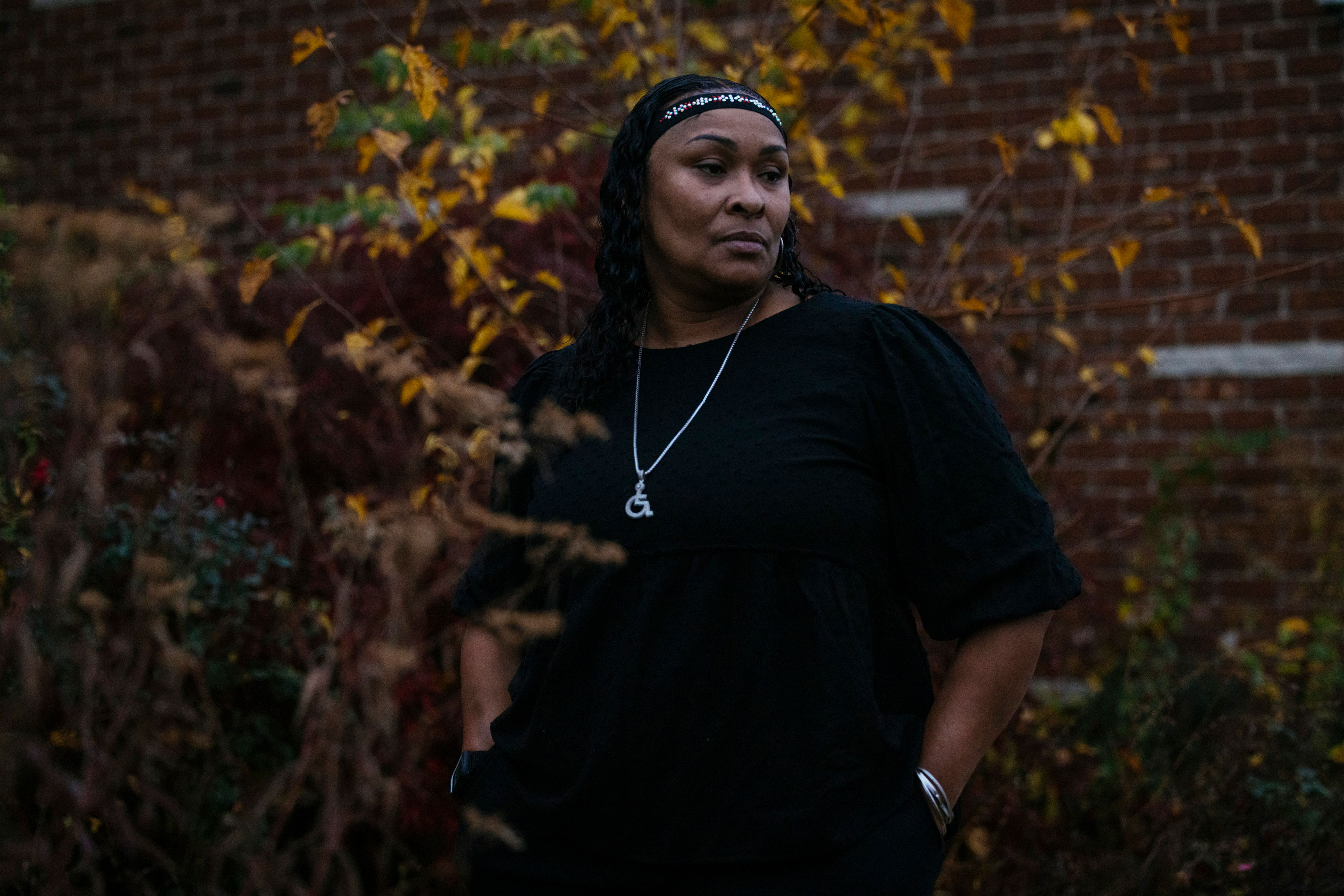
Rhonda Jones’ baby was left brain damaged after her Chicago-area medical team, which included community health center doctors, failed to perform an emergency cesarean section quickly enough even though Jones was at high risk for labor complications.
These three incidents — alleged in court documents as part of malpractice lawsuits that were settled without admission of wrongdoing — are among 485 payouts made nationwide involving community health centers from 2018 through 2021. The settlements and judgments totaled $410 million paid to the patients or their families, according to federal data released to KHN through a public records request.
But none of those health centers, and none of the doctors, paid anything. U.S. taxpayers picked up the tab.
The nation’s 1,375 federally qualified health centers, which treat 30 million low-income Americans, are mostly private organizations. Yet they receive $6 billion annually in federal grants, and under federal law their legal liabilities are covered by the government, just as those of the U.S. Department of Veterans Affairs and the Indian Health Service are. That means the centers and their employees can receive immunity from medical malpractice lawsuits and the federal government pays any settlements or court judgments.
As a result, the public is often unaware of malpractice allegations against those centers. The health centers and their employees are not named as defendants in the lawsuits, and the government does not announce when it pays to settle cases or court judgments.
In December 2016, Rhonda Jones gave birth to daughter Alayna via an emergency cesarean section.(Taylor Glascock for KHN)
“People should know if these doctors or centers are harming their patients,” said Deirdre Gilbert, national director of the nonprofit National Medical Malpractice Advocacy Association, a consumer advocacy group.
In addition, attorneys who have represented plaintiffs in lawsuits against health centers say federal rules handcuff patients with a short statute of limitations — two years — and do not allow punitive damages.
“The deck is stacked in the government’s favor,” said Regan Safier, a Philadelphia attorney who won a $41.6 million court judgment in 2018 in a case of a birth injury involving a community health center doctor.
Tragedies Hidden From View
From 2018 through 2021, the median payment for malpractice settlements or judgments involving health centers was $225,000, according to the data from the Health Resources and Services Administration, which oversees the community health centers. In 68 of the 485 payouts, the total was at least $1 million.
Many of the lawsuits against health centers involved allegations of misdiagnosis or dental errors. Most large awards were for birth injuries or cases involving children.
Silvia Garcia brought one of those cases. In December 2015, she took her 14-year-old son to First Choice Community Healthcare in Albuquerque, New Mexico, to be treated for severe stomach pain and fever, according to a lawsuit she filed against the government.
The doctor felt the boy’s abdomen but ordered no diagnostic tests, the family alleged. The physician advised Garcia to take the boy to the hospital if his pain worsened.
Two days later, she took him to a hospital emergency room. There, doctors found that his appendix had ruptured. He had developed septic shock that led to brain damage and acute injury to his kidneys.
The teenager was hospitalized for eight months.
Garcia settled the case for $6.8 million, most of which went into a special fund that can be paid out for future medical expenses.
First Choice and Garcia declined to comment. The government said the settlement was not an admission of fault.
Community health centers pushed for — and won — government malpractice protection in the 1990s. They argued their revenues were limited and malpractice insurance would divert money that could better be used for patient care.
The centers differ from other health clinics because they get a federal grant each year. They also receive higher reimbursements from Medicaid and Medicare than do private doctors. In return, the centers are not allowed to turn anyone away, and the fees charged to low-income patients are on a sliding scale. Nearly half of the centers’ patients are covered by Medicaid, and 20{bf0515afdcaddba073662ceb89fbb62b6b1bf123143c0e06b788e1946e8c353f} are uninsured.
Malpractice lawsuits are a risk for all health care providers and are just one barometer of quality of care. The settlements and court judgments against the health centers don’t measure the clinics’ overall performance.
Even lawyers who have sued on behalf of health center patients acknowledge the importance of the facilities. Rhode Island plaintiff attorney Amato DeLuca said that the health centers serve a vital role in the health industry and that he had found “a lot of really wonderful, extraordinarily capable people that do a really good job” at the centers.
Yet everyone must be held accountable for mistakes, DeLuca said.
Akimbee Burns’ case is an example of a missed diagnosis, according to the lawsuit she filed against the U.S. government. Burns, who made $11 an hour at a utility company, had a Pap smear in 2016 at South Central Primary Care Center, a community health center in Ocilla, Georgia. The test results showed abnormal cells, but she was not informed of the results, according to the complaint. She inquired about the test several times in the following months but still was not informed about the results, she alleged.
About eight months later, the staff at a different health care facility diagnosed advanced cervical cancer. She filed a lawsuit alleging the community health center had been negligent. She underwent radiation and chemotherapy. But she died in April 2019, leaving behind two children, including one minor.
South Central Primary Care Center did not respond to requests for comment, and the government denied any wrongdoing.
Roadblocks for Patients
A patient alleging medical malpractice by a health center must first submit claims to the U.S. Department of Health and Human Services for review. The government can make a settlement offer or deny the claim. If the claim is denied or not settled, or a six-month review period expires, the patient may sue in federal court under the Federal Tort Claims Act, or FTCA.
To get that federal protection, health centers must have quality improvement and risk management programs and must show regulators that they’ve reviewed the professional credentials, malpractice claims, and license status of their physicians and other clinicians.
“There are rigorous safeguards in place to ensure that health center grantees are in compliance and that patients are getting the very best care,” he said. “FTCA makes health centers more vigilant on quality and not less.”
About 86{bf0515afdcaddba073662ceb89fbb62b6b1bf123143c0e06b788e1946e8c353f} of community health centers were covered under the FTCA for medical malpractice coverage as of September, said Christy Choi, a spokesperson for the Health Resources and Services Administration.
She said the government has implemented “robust quality improvement and patient safety efforts” as part of the program.
The system makes collecting damages more difficult for patients than if they went to state courts for malpractice suits, said attorneys involved in cases against health centers. In addition to the prohibition against punitive damages, such cases are decided by federal judges instead of juries. The lack of a jury is important, they added, because judges are less likely to be swayed by emotion and that can mean lower dollar amounts in the awards.
Plaintiffs are also at a disadvantage because the federal government has unlimited resources to defend cases, unlike the patients and their attorneys, said Christopher Russomanno, a Miami attorney.
“These cases cost hundreds of thousands of dollars for us to get ready for trial,” said Jack Beam, the Illinois attorney who represented Rhonda Jones. “Our record was $900,000 in case costs.”
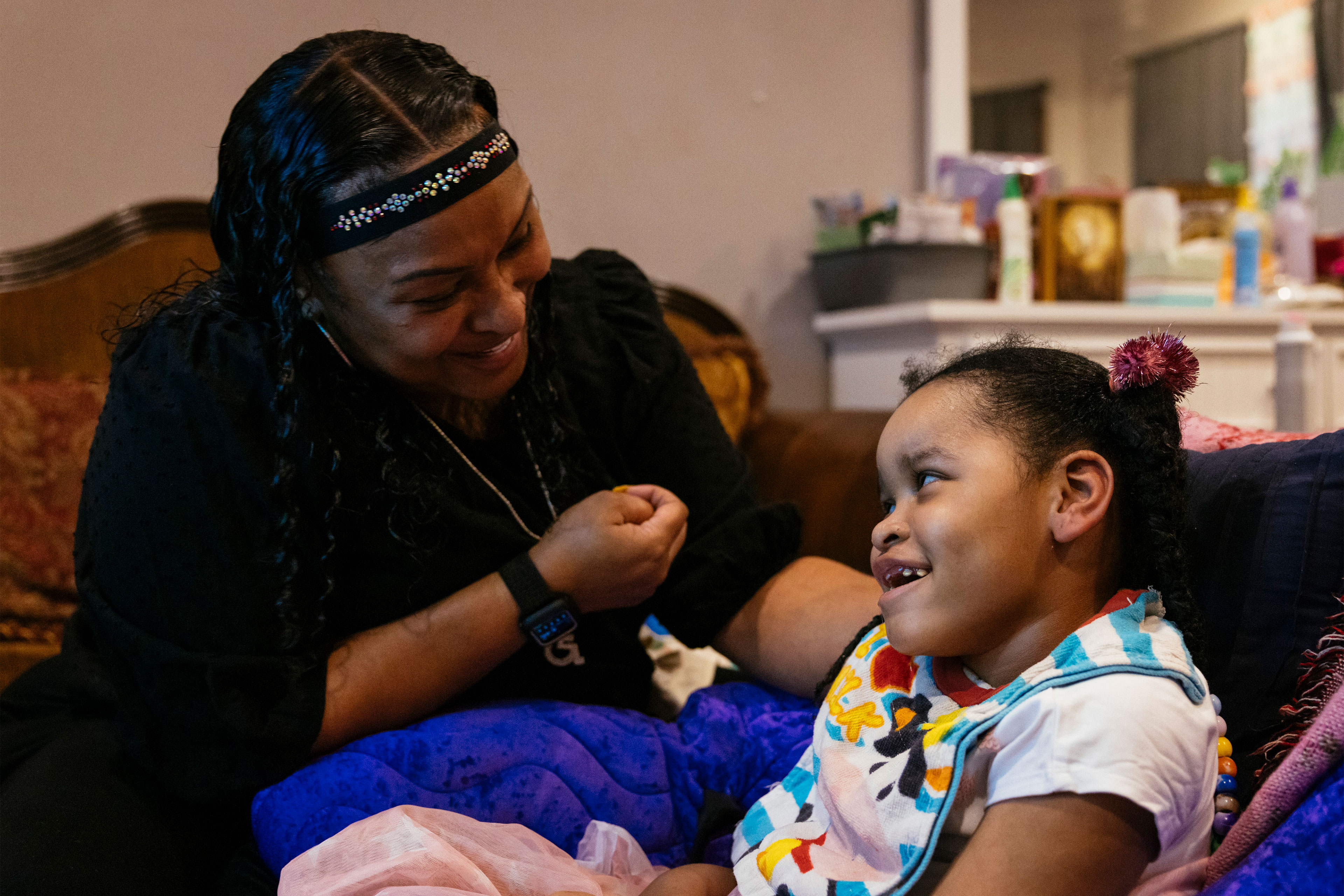
Rhonda Jones smiles at daughter Alayna. (Taylor Glascock for KHN)
All these factors can make finding a lawyer an obstacle for patients.
Deborah Dodge, a Missouri lawyer, said some attorneys are reluctant to take the cases because the government caps their fees at 25{bf0515afdcaddba073662ceb89fbb62b6b1bf123143c0e06b788e1946e8c353f} of the settlement amount. In contrast, plaintiff attorneys often take about 40{bf0515afdcaddba073662ceb89fbb62b6b1bf123143c0e06b788e1946e8c353f} in successful state court malpractice cases.
Rhonda Jones was one of those who received a settlement. Her baby was transported to a children’s hospital soon after being born by emergency cesarean section at West Suburban Medical Center in the Chicago area in December 2016, according to her lawsuit. The baby, Alayna, was treated for brain damage from a lack of oxygen, and she now has cerebral palsy.
Jones showed signs of a high-risk delivery when she arrived at the hospital nearly 39 weeks pregnant: She was 40 years old, this was her 11th child, and she had severe preeclampsia and possibly gestational diabetes.
Her lawsuit alleged that she was not adequately monitored at the hospital and that surgery was not performed in time to prevent injury to Alayna.
Jones agreed to a $21 million settlement, $15 million of which was paid by the federal government because some of the doctors involved were employed by PCC Community Wellness Center. The health center and the hospital declined to comment. In court filings, the government and hospital denied wrongdoing.
The money — most of which is in a trust overseen by the court — provides for Alayna, who will require care throughout her life.
“Before what happened to Alayna, I loved them,” Jones said of the health center where she had gone for several of her previous pregnancies. “They were great for me because they would be open late at night when I was working.”
“I still would tell someone to go to PCC because maybe they will get the right doctors when they go to have their baby,” Jones added.
Alander Rocha and KHN reporter Colleen DeGuzman contributed to this article.
SAN DIEGO, Nov. 28, 2022 /PRNewswire/ — On December 2, the Lennox-Gastaut Syndrome (LGS) Foundation will host its LGS Research Roundtable at the American Epilepsy Society’s (AES) annual meeting in Nashville, TN. The event will bring together over a hundred researchers, clinicians, and family members to discuss the state of medical research in LGS. Click here to learn more about how YOU can attend the Roundtable and join the discussion.
LGS Foundation Logo (PRNewsfoto/LGS Foundation)
“How we treat LGS has remained roughly the same for the last 30 years,” said Dr. Tracy Dixon-Salazar, the LGS Foundation’s Executive Director and mother of an adult living with LGS. “We try treatment after treatment, alone and in combination, and hope one of them might work. Families often refer to this as the “dartboard approach” to treating LGS. Patients with this rare disease are in desperate need of better treatment approaches.”
The LGS Research Roundtable is an initiative of the LGS Foundation that brings together LGS patient families and research experts to discuss the barriers to better research and care and to facilitate the development and implementation of solutions. Discussions from the Roundtable guide the LGS Foundation’s Cure LGS 365 Research Grants Program. Since 2013, the LGS Foundation has awarded more than a million dollars in research funding to scientists around the world.
“We are excited to gather the brightest minds tackling LGS across the globe,” said Dixon-Salazar. “And, we believe that now more than ever, that patient families and doctors working together can help find better treatment options for those with LGS.”
Talks at the LGS Research Roundtable will set the stage for a larger LGS Meeting of the Minds Conference on the same topic that will take place in September 2023.
The LGS Foundation is a nonprofit organization dedicated to improving the lives of individuals impacted by LGS through advancing research, awareness, education, and family support.
To learn more about LGS or to support the LGS Foundation’s efforts, visit www.lgsfoundation.org.
When you look at the numbers, it’s easy to gape in horror.
In Ghana, a nation of 32 million people, there are only 62 psychiatrists.
Zimbabwe, with a population of 15 million, has only 19 psychiatrists.
And in Uganda, there are 47 psychiatrists serving a country of 48 million — less than one single psychiatrist for every million people.
These are staggering ratios. To get your head around them, take the US as a comparison. There are around 45,000 psychiatrists for all 333 million Americans, which translates to about 135psychiatrists for every million people. That’s still not enough — experts are actually warning of an escalating shortage — and yet it’s a whopping 135 times more coverage than exists in Uganda.
These numbers have very real, and sometimes very brutal, implications for people’s lives. When psychiatry and other forms of professional mental health care are not accessible, people suffer in silence or turn to whatever options they can find. In Ghana, for instance, thousands of desperate families bring their ailing loved ones to “prayer camps” in hopes of healing, only to find that the self-styled prophets there chain their loved ones to trees. Instead of receiving medical treatment for, say, schizophrenia, the patients receive prayers.
The scandal of mental health care in developing countries has been well documented, and surveying it, you could be forgiven for thinking the solution is straightforward: These countries just need to train more psychiatrists and mental health professionals of the type you’d find in the US.
But that’s too simplistic. Yes, training more mental health specialists will be part of the answer for these nations. But what’s most interesting is that developing countries have also figured out a new way to tackle the deficit in mental health care — and it could hold lessons for the developed world as well.
Specifically, these nations have been serving as a proving ground for a model called community-based care, where non-specialist providers or lightly trained laypeople — picture someone like your grandmother, not a doctor — deliver brief mental health interventions in informal settings like homes or parks.
Whereas importing Western norms can alienate local populations, who may not view mental health problems as medical, brain-based problems, community-based care has found acceptance because it pays attention to cultural context. Lay counsellors meet patients where they are — both literally, in terms of physical space, and conceptually, in terms of their beliefs about mental health.
This model has turned out to be not only cheap to operate and easy to scale, but also incredibly effective for treating issues like depression. So effective, in fact, that the model is now being exported to the US, which stands to learn a lot from these poorer countries.
Dixon Chipanda, psychiatrist and founder of the NGO Friendship Bench, visits with his grandmother. He says she was part of his inspiration for the benches project.Brent Stirton/Getty Images
In 19th-century Europe, the reigning paradigm of mental health care was the asylum. The belief was that people suffering from psychiatric conditions should be institutionalized and treated on an inpatient basis. As Europeans exported this belief to the territories they colonized, asylums sprang up everywhere, from Ghana to India.
By the middle of the 20th century, asylums were becoming discredited: They were too often sites of coercion and violence, not to mention notoriously overcrowded and unhygienic. At the same time, the discovery of new psychiatric medications fostered hope that patients could be treated on an outpatient basis. In Europe, many asylums shut down.
In Accra, the capital city of Ghana, a psychiatric hospital built on this model in 1904 still houses hundreds of patients, some voluntary and some involuntary. Their issues range from depression to psychosis. It’s a resource-strapped, overcrowded institution. When I visited the hospital in 2019, I found that some patients sleep outdoors in a courtyard, where a motley collection of beds draped in mosquito nets was scattered around.
Thinking about the legacy of colonialism helps explain why this warehousing of the mentally ill persists, explained Vikram Patel, a psychiatrist and a professor of global health at Harvard Medical School.
“When the Europeans left Africa, Asia, and Latin America, they left virtually no higher education infrastructure for the native people. Basically, the colonizers left nothing,” he said. Upon gaining independence, some postcolonial countries had just one medical school for the whole nation. “And if psychiatrists can only be trained in medical schools, well, then, you know. There’s nothing.”
The very limited training capacity — and very limited funding to increase that capacity — has led to a supply-side problem. Today, that problem is aggravated by a major brain drain: The few who do train in psychiatry tend to move to richer nations offering them a more comfortable life.
And most would-be doctors in Africadon’t want to specialize in psychiatry. For some, that’s because it’s associated with institutionalization or incarceration. Others, aware that their cultures stigmatize mental illness as the work of evil spirits, may fear being viewed as “tainted” by contact with mentally ill people. And this stigma creeps all the way up to the policymakers debating how to allocate scarce resources.
“We bring these stigmas into the boardrooms and into decisions we make around fiscal planning,” Tina Ntulo, who leads the mental health nonprofit StrongMinds in Uganda, told me. “You do not budget for a person who you think is cursed or bewitched.”
Many would-be patients are also hesitant to see psychiatrists, who represent a foreign idea.
“People just don’t conceive of their mental health problem as a biomedical problem,” Patel said. “They do not say ‘I feel the way I do because I have an illness in the brain.’ That is exquisitely uncommon.”
And in cultures that don’t view mental health problems through a medical lens, stigma is a major barrier to seeking out professional care. In one large-scale survey in Nigeria, for example, 83 percent of respondents said they would be afraid to even have a conversation with someone with a mental health problem. The social costs of being branded as mentally unwell are just too high.
This is part of why some developing countries are moving toward community-based care. When you receive care from someone who’s familiar and helps you without necessarily applying a diagnostic label, it can mean there’s less stigma.
Despite being a psychiatrist himself, Patel does not believe the answer to the mental health care deficit is to just train more doctors like him. Instead, he’s become one of the most influential advocates for community-based care, where people with just a bit of training — weeks or months, not years — offer focused therapy. Empowering non-specialist providers or laypeople to take on tasks formerly done by specialists is what the World Health Organization refers to as “task-shifting” or “task-sharing.”
You might think that therapy delivered by a layperson is fine for countries that can’t afford more mental health professionals, but certainly not the ideal. Yet Patel and others who embrace the community-based model are making a much more radical claim.
“A lot of people think this is just a stopgap arrangement. It’s not,” Patel told me. “In the US itself, you need community health workers. What we need in all countries is the same model. We need to have an army of community-based health workers, nurses, social workers, delivering evidence-based interventions.”
And they are, in fact, evidence-based. Over the past two decades, dozens of randomized controlled trials (RCTs) and other studies have come out in favor of the community-based model.
Friendship Bench offers a prime example of what community-based care can look like. Rather than expecting people who are mentally unwell to seek out a psychiatrist’s office, this Zimbabwean nonprofit recruits “grandmothers” — middle-aged or older women who help out in their communities — to learn enough about depression and anxiety to recognize them, and then to treat those disorders using problem-solving therapy. That’s exactly what it sounds like: a therapy that teaches people the skills to devise their own solutions to the problems they face.
Each grandmother, recognizable in her uniform, will then go sit on a bench in a yard. People come along, wanting to talk. In fact, since Friendship Bench was created in 2006, more than 1,600 grandmothers have been trained, and they’ve already served more than 158,000 people — to great effect.
Friendship Bench counsellors attend a Sunday service at the Catholic church in Msvingo, Zimbabwe. The NGO offers free mental health counselling through trained grandmothers who work as lay health workers in clinics.Brent Stirton/Getty Images
In a 2016 study, 573 patients were assigned to either a Friendship Bench or to a bolstered version of standard psychiatric care available in Zimbabwe, which includes antidepressants. Six months later, only 14 percent of those who’d sat with a grandmother were still depressed, compared to 50 percent of those in the standard care group.
Another great example can be found in Uganda and Zambia: StrongMinds, a nonprofit founded in 2013, trains laypeople to lead group talk therapy sessions as a way to treat women with depression. Over a 12-week period, the women learn to identify the triggers of their depression and devise strategies to overcome them, using a form of therapy called group interpersonal therapy.
“This therapy is culturally appropriate. It sees interpersonal relationships as the treatment for depression,” said Tina Ntulo, the country director for Uganda. “And on this continent we are still highly relational and dependent on each other.”
Working with laypeople has enabled StrongMinds to scale up quickly, reaching more than 160,000 women to date.
“One of the amazing things our staff found is that the village volunteers [who’ve been trained to deliver the therapy] are so much better at mobilizing the women to come for therapy,” Ntulo told me. “Our staff said they never saw such high attendance for therapy when they were running it.”
Two RCTs have demonstrated that this intervention is both powerful and cost-effective. Independent researchers estimate that StrongMinds prevents the equivalent of one year of severe major depressive disorder for a woman at a cost of $248 — a pretty good deal, especially when you consider this helps the woman as well as her dependents.
Such interventions have spillover effects. The researchers note that mental health care can lead to material benefits: A non-depressed woman is more likely to be able to work, earn income, and get her kids to school so they can one day work and earn income, too.
A third example of community-based care can be found in India, where Patel co-founded an organization called Sangath. It developed a six-session program in which lay counselors treat patients with severe depression. The program showed strong results, leading to significantly lower symptom severity and higher remission than in a control group after three months.
But what’s really amazing about it is that, a full five years after researchers conducted the initial trial in India, a followup still showed significant differences between those who had received the treatment and a control group. The benefits, it turned out, could really last.
Right about now, you may be thinking: This laypeople stuff sounds all well and good for people dealing with common mental disorders like depression or anxiety, especially if they’ve got mild cases, but some people need an actual psychiatrist.
Even ardent proponents of community-based care agree with that.
“You need some psychiatrists. There’s no question that they play a role,” Patel said. That can be true even when it comes to the common mental disorders: After all, though Sangath’s community-based program for treating depression in India showed strong results, about a third of participants remained depressed after the program.
So the claim is not that community-based care should replace psychiatry. It’s that making mental health care primarily the business of psychiatrists, with little room for alternative approaches depending on context, is a mistake.
Of course, achieving the right balance between the two models is tricky.
At StrongMinds, Ntulo is very clear with the laypeople being trained about what is and isn’t within their remit. “When a person’s symptoms fall outside depression, this is not your client,” she said. “So you refer the person to the health center, and a clinician there will assess.”
At a health center, some of the tasks reserved in the West for a psychiatrist have been shifted to nurses. They can prescribe certain medications, for instance. They consult a flow chart that makes it easier to assess a patient — is he hearing voices or not? — and when symptoms indicate the patient’s problem is beyond their capacity, the nurses refer him to the next level of care above them. Essentially, laypeople handle the easier cases, nurses handle somewhat more complex cases, and the really complex cases may be referred to a psychiatrist for treatment.
StrongMinds is not anti-medication on principle, but doesn’t dispense it — partly because current-generation psychiatric medications are less available in developing countries like Uganda, and partly because much of the population would balk at the idea that a mental health condition is something they should treat with medication. Instead, StrongMinds uses the methods it thinks are most effective for the context.
It’s a system that makes sense to Ntulo, who says only a minority of people need a psychiatrist. “Everybody else could actually receive services through talk therapy and they’d probably be able to stay well for a long time,” she told me.
Patel agrees. He estimates that community-based care could probably address 80 percent of mental health morbidity. “The irony is that 80 percent of the money that’s being spent — this is my back-of-the-envelope calculation — is for that 20 percent that need hospitalization,” he said. “I think the real problem is that we do not spend enough at the base of the pyramid.”
Kwabena Kusi-Mensah, a Ghanaian psychiatrist, is a little skeptical about how far community-based care can go. “On paper, it’s a brilliant idea, really fantastic,” he said. “But having watched it be implemented for over 10 years now, there have been serious problems and challenges.”
Ghana, he explained, has trained a lot of mid-level staff called community psychiatric officers. These CPOs are like physicians’ assistants who’ve been given some additional training in psychiatry. The idea was that they would work in small villages or towns, to help bridge the treatment gap there.
In reality, the CPOs have drifted into major urban centers; now that they’ve got specialized training, they want to use it to secure a better life for themselves. But what’s even more worrying to Kusi-Mensah is that some of them are going over and above what they’ve been trained to do. He worries that this overreach could put patients at risk — if, for instance, they try to treat problems they’re not qualified to treat.
For that reason, he actually prefers task-sharing of the sort that Friendship Bench does with its grandmothers. “These are not medical people,” he said, “so they are less likely to overreach and do things they’re not supposed to do.”
A carpenter works on a bench near a Friendship Bench site.Brent Stirton/ Getty Images
When it comes to tasks that require medical know-how, he’d prefer to see psychiatrists in place to handle those, not mid-level staff. And he told me he’s “hyped up psychiatry” to many young medical students, enticing them to enter the field. But he’s careful not to entrench himself too much in either a pro-psychiatry camp or a pro-community-care camp because he doesn’t want to become too ideologically attached to one or the other.
“With extremes of ideology, if you lean too much to one way or another, you end up in a ditch,” he said. “So stay in the middle of the road, is the way I think about it.”
What all these community-based programs, and others in a similar vein, have discovered is the power of getting local laypeople to meet folks where they are.
Kusi-Mensah emphasized that importing Western norms just doesn’t work: If you want to help people in a place like West Africa, you can’t discount the importance of traditional beliefs, including religion.
“In our cultural background, where things are overspiritualized, our biggest competitors in mental health provision are the prophets,” he told me, referring to those who profess to heal patients with prayers, like in Ghana’s notorious prayer camps.
Efforts are now underway to work with, not against, faith-based healers to improve care. Some mental health professionals have gone to the prayer camps and introduced medications as a complementary treatment. Instead of saying “prayer doesn’t work, take this pill instead,” they might encourage prayers to be said alongside medical treatment. This type of collaboration has resulted in improved clinical outcomes for the patients.
But working within the camps is controversial because it could give the appearance of condoning them. Less controversial are efforts to partner with religious leaders in various towns and villages. Pastors and imams often double as informal mental health counselors anyway — that’s true in the US, too — so, the thinking goes, why not view them as another cadre of laypeople who can be trained? And for mental health problems that are beyond their ken, why not establish a referral pathway between them and the mental health care professionals?
“I’m a bit of a pragmatist,” Kusi-Mensah told me. “So I think the best we’re going to get is this sort of rapprochement, where it’s like, ‘Okay, there’s a spiritual component, so let the pastor handle that, but also there’s a medical component, so the doctor will handle that.’”
Western nations like the US favor a biomedical and highly individualistic view of mental health. Compared to, say, a Ghanaian, an American is more likely to conceive of her mental health problem as a brain problem and seek out medication from a psychiatrist. And she’s got a far better chance of accessing one.
Yet Americans’ mental health is in such bad shape that the US Preventive Services Task Force recently recommended that doctors screen every patient under 65 for anxiety. And 90 percent of American adults say the US is experiencing a mental health crisis, according to a new poll from CNN and the Kaiser Family Foundation.
To Patel, this indicates that the biomedical system can’t be the whole solution. “Mental health care is inadequate not because there’s not enough psychiatrists in most countries,” he said. “If that was the case, the US should have a perfect system. But it has a huge number of problems. It is living proof that the problem isn’t only about the lack of psychiatrists.”
America once flirted with the idea of community-based care. As Vice explained:
It’s taken a few decades, but America now seems ready to experiment with community-based care again as a supplement to psychiatry. What’s exciting is that, this time, it’s taking inspiration from poorer countries.
Zimbabwe’s Friendship Benches have made their way to New York City. Walk around Manhattan and you might see a trained layperson sitting on a big orange bench, waiting to listen or talk about issues ranging from depression to addiction. These are issues some of the laypeople have experienced themselves, so they’re nonjudgmental. They literally meet people where they are, lugging their bench around from spot to spot, as part of the Thrive NYC program aiming to create a mental health system that works for everyone.
India’s Sangath program for depression, meanwhile, is now being rolled out in Texas, where Patel is collaborating with the Meadows Mental Health Policy Institute and Baylor Scott and White, the largest not-for-profit health care system in the state.
And this year, Uganda’s StrongMinds is setting up a pilot in New Jersey. The idea is to address the US mental health gap by reaching people who can’t afford to pay for a licensed professional, with a focus on serving Black people, Indigenous people, and people of color.
“We just finished training the team in New Jersey!” Ntulo told me. “They’re going to use the same model we use. It’s an amazing solution for a health system that is so commoditized, like yours.”