Inside the largely unregulated market for bodies donated to science: “It’s harder to sell hot dogs on a cart”

Watch the CBS Reports documentary “Body Brokers” in the video player above. 


Every year, an estimated 20,000 people donate their bodies to science for the purpose of medical research and education. But unlike organ donation, these body parts can be bought and sold for profit — a market with very few federal regulations.

Special Agent Paul Micah Johnson, an investigator for the FBI’s Detroit Division, has spent the last decade looking into what he called a “vast gray and black market of dead human bodies.”

The Uniform Anatomical Gift Act, a statute adopted by 47 states, is one of the few regulations governing the non-transplant tissue industry. It outlines the standards for body donation, and most significantly, it requires that donors, or their loved ones, must provide informed consent before donation takes place. 

These consent agreements between donors and tissue banks typically stipulate that the body will be used for research and education — but what that means in practice can vary.

“Medical research and education, particularly education, is a vague term and it is not clearly defined even in the Uniform Anatomical Gift Act,” says Johnson. “The misleading of families across the industry is quite common.”

johnson-fbi.jpg
Special Agent Paul Micah Johnson

CBS News


While most donors consent to donation for research and education, legally, the agreements can include addendums that allow for donors to be used for “non-medical projects” that can include “crime scene investigation” and “vehicle safety.”

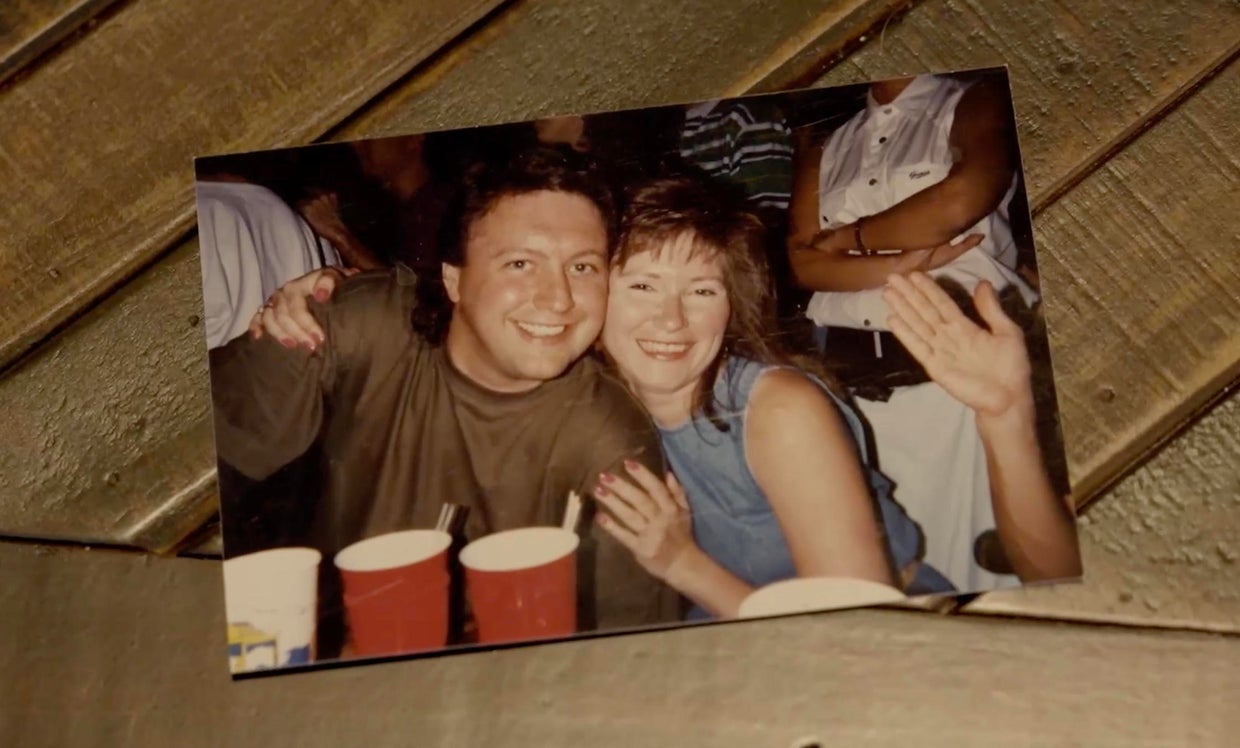
Steve Hansen had always wanted to be an organ donor, but when he died in 2012 from cirrhosis of the liver, doctors said his organs were not healthy enough to be transplanted. Steve’s wife Jill Hansen says hospice workers at the time suggested whole body donation as an alternative.

“What I envisioned was him being in some medical facility,” Hansen says. “I just thought, what a great candidate for them to learn about the results of alcoholism and what it does to a body.”

hansens.jpg
Steve and Jill Hansen

CBS News


Steve’s body was eventually sent to the Biological Resource Center in Phoenix, Arizona, which then sold his remains to the Department of Defense. 

“They told me specifically that my husband had been used as a crash test dummy in a simulated Humvee explosion,” Hansen says.

Hansen’s husband’s body was sold by Biological Resource Center founder Stephen Gore to the DOD without her consent. Court records showed that those donors were used in a variety of military and ballistics testing, with some resulting in “the complete mutilation and desecration of the donor’s body.”

“I was devastated,” Hansen says. “I would’ve never done it if I had known. I just kept telling him I was sorry.” 

When the FBI raided Gore’s warehouse in 2014, they found conditions of the donors’ remains so abhorrent that agents “required trauma therapy due to the disturbing, graphic scene they encountered.”

Gore pleaded guilty to Illegal Control of an Enterprise for violating donor consent agreements and was sentenced to four years probation and one year in jail. Because there are few laws defining ethical treatment of remains, no charges were filed relating to the warehouse conditions.

Disturbing evidence also emerged during Special Agent Johnson’s investigation into body broker Arthur Rathburn, whose Detroit warehouse was later described by investigators as a “house of horrors.”

“He cut up bodies with a chainsaw. He cut up bodies with a bandsaw,” Johnson says. “He had a bucket filled with brown liquid that had fetuses and human brains floating in it.”

As in the case with Gore, prosecutors had no way of charging Rathburn for how donors’ bodies were treated. Rathburn was ultimately sentenced in 2018 to nine years in prison for falsifying his donor’s medical information in order to fraudulently sell bodies infected with hepatitis and HIV.

“He had trash cans filled with human heads,” Johnson says. “Just the disrespectful way of treating the remains. And yet we prosecuted him for fraud.”

In 2009, Donor Referral Services owner Philip Guyett Jr., pleaded guilty to wire fraud for falsifying medical information in order to offload tissue designated for transplant with infectious or communicable diseases. He was sentenced to eight years in prison.

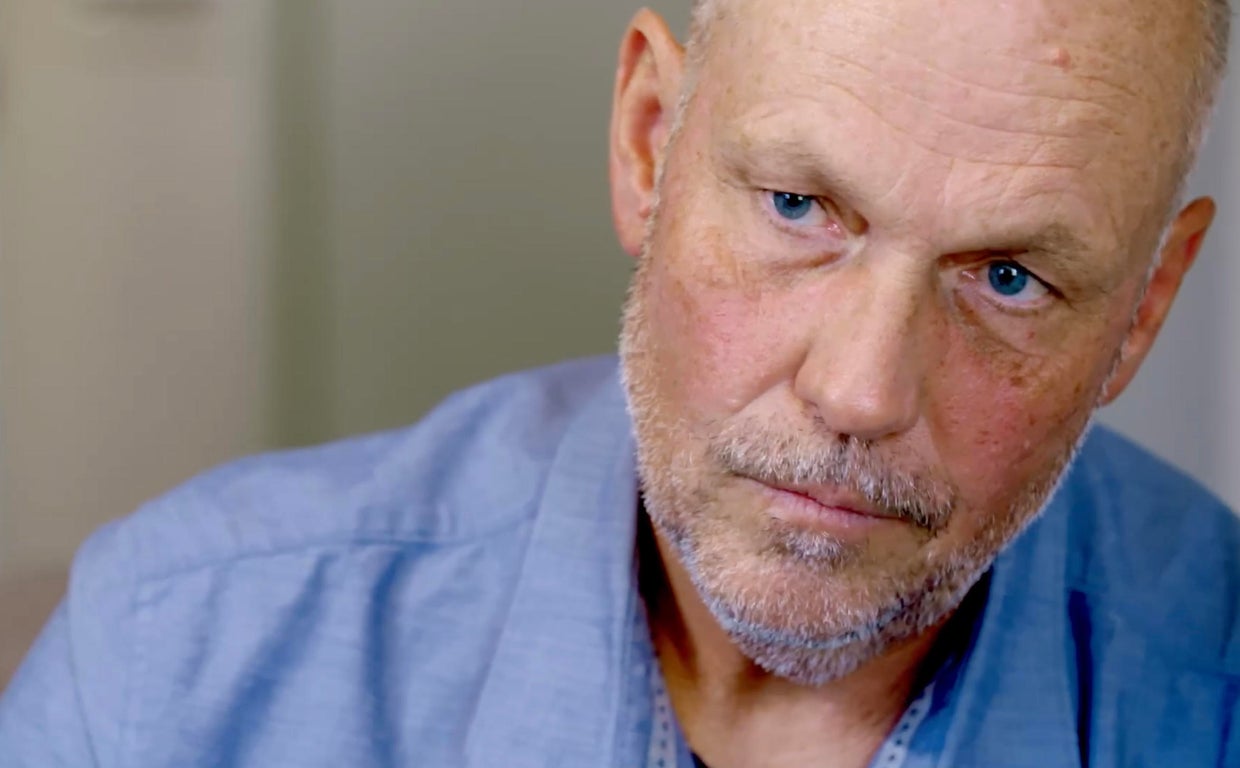
“As I told the judge, I had no business being in this business,” Guyett says in an interview with CBS News. “A person with no medical experience, no funeral director’s license, was able to open up a whole body donation program, take possession of a human body, dismember it, send it throughout the nation without any type of licensing oversight. It’s harder to sell hot dogs on a cart than it is to get into this business.” 

guyett.jpg
Philip Guyett Jr.

CBS News


Before opening his own tissue bank, Guyett got his start running a university’s Willed Body Program, overseeing the donations of bodies for research education. 

In the wake of industry controversies, some tissue bankers have been working to promote trust with potential donors. 

Garland Shreves is the founder of Research For Life, a non-transplant tissue bank based in Phoenix that distributes body parts for use towards the advancement of science in lifesaving fields like first-responder training, medical device development and surgical practice. 

“I don’t think we can ever lose sight of the fact that these are human beings and they have so graciously donated their body to the advancement of medicine,” Shreves says. “Whole body donation and my organization, through the wonderful gift of that donor, makes it possible for us to have the innovative medicine that we do today in this country.” 

Shreves says the best way to clean up the industry is transparency. 

paramedic-training.jpg
Paramedic training at Research For Life

CBS News


“Bad actors are bad for business. If the consumer is being harmed by a business that’s not operating at a very high level of professionalism, everyone in the industry suffers,” he  says. “It is that transparency, the sunlight, the disinfectant, if you will. It’s what we need to do as an industry and we haven’t done enough of it.”

Johnson says the whole body donation industry is necessary for the advancement of science, and that it is vital the industry works to restore the public’s trust. 

“It would be nice if there was one playbook for everyone. And so that would ideally be federal and it would cover everyone that deals with human body parts — for-profit, nonprofit, all of them under one set of rules.”

In September 2022, a body broker bill was introduced in the U.S. Senate which would impose federal regulations on the process of body donation, but no vote has been scheduled.

Puget Sound-area health care facilities will continue requiring masks

Patients, staffers and visitors will continue to be required to mask up inside many health care clinics and facilities throughout the Puget Sound region, a group of Washington hospital and public health leaders decided Friday.

About 20 public health departments and health care systems around the region made the announcement a couple weeks before the state’s remaining indoor masking requirements are set to come to an end on April 3. Most of the Department of Health’s masking mandates have expired, except those in health care or correctional facilities.

Now, the organizations are “working together to establish an approach for continued masking in health care facilities” to prevent the spread of COVID-19, the statement said.

Health departments from King, Snohomish, Tacoma, Kitsap, San Juan, Clallam and Jefferson counties have signed on to support the recommendation, in addition to hospital leaders from UW Medicine, Seattle Children’s, Virginia Mason Franciscan Health, MultiCare Health System and Kaiser Permanente Washington.

“This is important and appropriate because the current community burden of COVID-19 remains substantial and is underestimated by case reporting,” Public Health – Seattle & King County said.

The department added that the risk for developing severe COVID symptoms remains high for those who are older, those with underlying health conditions and those who are pregnant — who all might visit health care settings on a more regular basis.

“Unlike many other activities, health care is not optional, but essential; and every patient deserves to feel safe from acquiring a preventable infection when seeking health care,” the organizations wrote.

In addition, patient care areas often “bring people close together leading to increased exposure risk and transmission of COVID-19,” the statement said. “Masks mitigate the spread of infection in these settings, including when people have minimal or no symptoms.”

Because there are no available preventive COVID treatments for immunocompromised patients, public health leaders felt it was important to extend the requirement.

“A regional consensus ensures a consistent and clear message that these healthcare facilities prioritize the health and safety of both their patients and employees,” the statement said.

The organizations said masking recommendations and requirements for health care facilities should be reevaluated from time to time as scientists continue to learn about the spread of the disease. They plan to determine new recommendations by early July.

Until then, public health leaders reminded residents to use high-quality and well-fitting masks that can fit around your nose and mouth, particularly N95, KN95 and KF94 masks.

“Masking is an important way we can help make visiting healthcare facilities safer for the many people in our community of all ages who are at increased risk for severe infections,” Dr. Jeff Duchin, King County’s public health officer, said in the statement.

Steph Curry’s wife Ayesha Curry joins Biden fitness and nutrition council after losing 35 pounds recently

Steph and Ayesha Curry have been appointed by President Joe Biden as councils for fitness and nutrition. It’s no surprise that Ayesha has joined the Council of Fitness and Nutrition after displaying a recognizable body transformation that led her to lose 35 pounds.

It was announced by the White House earlier that the couple is one of the few people that POTUS intends to appoint. The Council in Sports, Fitness and Nutrition “aims to promote healthy, accessible eating and physical activity for all Americans, regardless of background or ability.”

Not only that, the group will also address mental health “as it pertains to physical fitness and nutrition,” according to the White House.

It’s no surprise that they’ve chosen the Curry couple to be part of this group as they are both great examples of displaying a healthy physical body. Just recently. Ayesha’s diet led to her losing 35 pounds. In a 2020 interview with Harper’s BAZAAR, the famed cookbook author shared how healthy she’s been with her diet.

“Fitness wasn’t really a part of my lifestyle and I’d say the past year and a half post having all of my kids, it’s really become a staple for me and it helps me have mental clarity,” she said. “I feel like I’m in the best shape of my life. I feel happier when I work out. So I do try to work out at least five days a week.”

youtube-cover

You might also be interested in reading this: Ayesha Curry’s 35-pound weight loss: Speculation around Steph Curry’s wife’s body transformation explored


What was Ayesha Curry’s diet that led her to lose an incredible amount of weight?

2022 ESPYs - Arrivals
2022 ESPYs – Arrivals

Ayesha Curry has become a prime example for many who aspire to lose weight and live a healthier diet. For this reason, she has changed the way she consumes food. Back in 2020, Ayesha was interviewed by womenshealthmag.com and shared what sorts of food and exercises she does to maintain a healthy lifestyle.

According to the wife of the Golden State Warriors superstar, she started off the day by staying hydrated with some lemon water.

“Typically, I have a glass of hot water with some lemon in it,” she says. “I love it; it warms me up and makes me feel good.”

She will follow up with coffee and have half an avocado.

Before starting with lunch, Ayesha makes sure that she gets to workout. Which could be intense or not, depending on what she needs. For lunch, the Canadian-American personality will have a salad with some protein.

“After my workout, I’ll have some sort of salad with protein,” Ayesha says. “I’ve been loving shaved Brussels sprouts, cabbage, and kale with salmon.”

Ayesha Curry usually ends her day with a healthy serving of dinner. According to her, she’ll enjoy a plate of veggies with protein, but it’s usually filled with more veggies.

“Dinnertime creeps up so fast, so I often turn to the sheet pan dinner. I just throw everything on the sheet pan and pop it in a high-temp oven.”

Also read: Steph Curry shares warm-hearted message to his wife Ayesha Curry on her birthday: All you need to know

Quick Links

More from Sportskeeda


Heart Healthy Lifestyle Linked to Longer Life Without Diabetes, Cancer

Heart Healthy Lifestyle Linked to Longer Life Without Diabetes, CancerShare on Pinterest
Exercise is one of the key components of a heart-healthy lifestyle. SolStock/Getty Images
  • Researchers say people who follow the Life Essential 8 recommendations tend to have healthier cardiovascular systems and live longer.
  • The eight recommended lifestyle elements include a healthy diet, regular exercise, weight management, and low cholesterol and blood sugar levels.
  • Researchers say adopting these daily habits can help reduce the risk of type 2 diabetes, cancer, and dementia.

Adults who live a heart-healthy lifestyle and have scores on the higher end of the American Heart Association’s Life Essential 8 cardiovascular heart chart tend to live longer with optimal health.

That’s according to a pair of studies presented at the association’s Epidemiology, Prevention, Lifestyle & Cardiometabolic Health Scientific Sessions 2023.

Both studies are based on the American Heart Association Life Essential 8 and participants were scored based on whether they implemented the points in their lives.

The Essential 8 are:

  • Eat better
  • Be more active
  • Quit tobacco
  • Get healthy sleep
  • Manage weight
  • Control cholesterol
  • Manage blood sugar
  • Manage blood pressure

The American Heart Association defined scores as:

  • Less than 50 – poor cardiovascular health
  • 51 to 80 – intermediate cardiovascular health
  • 81 – high cardiovascular health

The studies haven’t been published yet in a peer-reviewed journal.

The first study looked at the levels of the American Heart Association Life Essential 8 and its correlation with life expectancy and living free of chronic disease.

The scientists reviewed the health data of 136,599 adults in the United Kingdom who did not have cardiovascular disease, type 2 diabetes, cancer, or dementia at the start of the study.

The researchers compared life expectancy between the groups. They reported that adults who scored in the high cardiovascular health category at age 50 lived longer than those in the poor heart category. On average, men lived about 5 years longer and women lived about 6 years longer.

People with excellent cardiovascular health also live longer without chronic disease. Disease-free life expectancy accounted for nearly 76{bf0515afdcaddba073662ceb89fbb62b6b1bf123143c0e06b788e1946e8c353f} of total life expectancy for men and more than 83{bf0515afdcaddba073662ceb89fbb62b6b1bf123143c0e06b788e1946e8c353f} for women with ideal cardiovascular health.

In contrast, disease-free life expectancy was about 65{bf0515afdcaddba073662ceb89fbb62b6b1bf123143c0e06b788e1946e8c353f} of men and about 69{bf0515afdcaddba073662ceb89fbb62b6b1bf123143c0e06b788e1946e8c353f} of women with poor cardiovascular health.

“The ideal would be to follow healthy habits from the start,” said Dr. Alexandra Lajoie, a non-invasive cardiologist at Providence Saint John’s Health Center in California.

“But starting exercise, getting better sleep, and maintaining a healthy body weight improves blood pressure and blood sugar, and consequently reduces cardiovascular event risk for decades beyond age 50,” she told Healthline.

“It is never too late to improve your lifestyle,” Lajoie continued. “Heart-healthy changes at any age have been shown to improve quality of life and reduce the number of necessary prescription medications.”

Limitations to the study were that cardiovascular disease, cancer, and dementia were the only diseases included in the definition of disease-free life expectancy.

In the second study, researchers analyzed information, including Life’s Essential 8 scores, for more than 23,000 adults in the United States who took part in the National Health and Nutrition Examination Survey (NHANES) from 2005 to 2018.

These researchers used the same categories as the first study.

The scientists found that people at age 50 with scores exceeding 80 had a life expectancy of about 33 additional years. The remaining life expectancy was about 25 years for people with poor cardiovascular health.

“Quitting smoking is the best thing to improve heart health,” Lajoie said. “After that, it’s maintaining a regular exercise routine.”

People who maintain cardiovascular health have benefits throughout their older years, but further research is needed to see how changes, such as quitting smoking change their life expectancy.

“Although all of the 8 Healthy Living points are important and are intertwined with each other, diet and exercise together is a good place to start developing healthy habits,” said Dr. Aeshita Dwivedi, a cardiologist at Lenox Hill Hospital in New York. “Our genetics play a large role in our overall health, but living a healthy life can minimize the effects of our genes.”

“It is important to note that most participants were Caucasian,” noted Dwivedi. “We don’t know if the results would be different if there were more diversity. However, it is unsurprising that living a heart-healthy lifestyle would provide more health benefits.”

“Studies such as these are encouraging and can motivate people to adopt a healthier lifestyle,” Dwivedi told Healthline. “It is especially encouraging that people who scored low and then changed some habits and transitioned from low to better scores saw improvements in their health and life expectancy.”

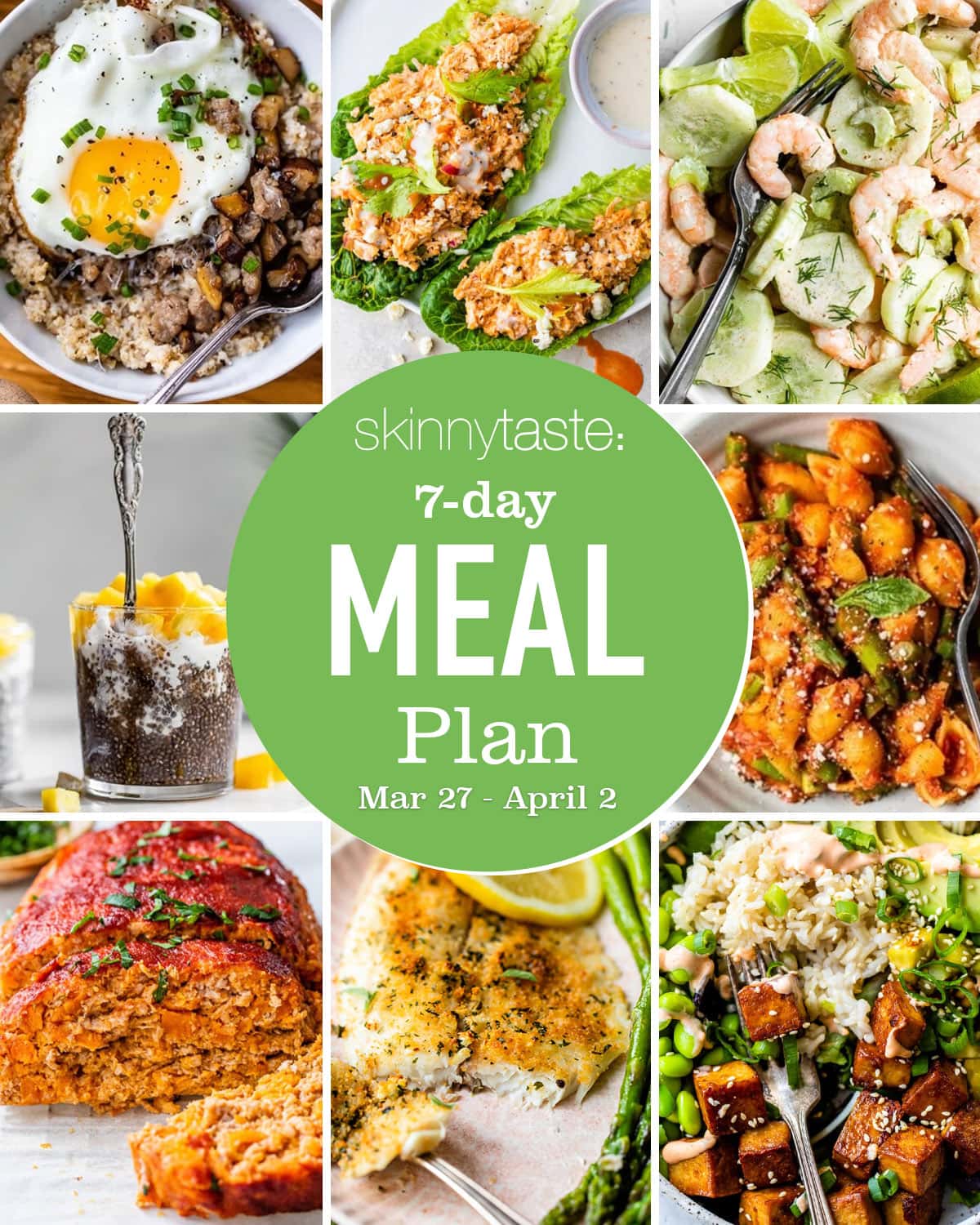
7 Day Healthy Meal Plan (March 26-April 2)

This post may contain affiliate links. Read my disclosure policy.

A free 7-day, flexible weight loss meal plan including breakfast, lunch and dinner ideas and a shopping list. All recipes include macros and WW points.

As spring and warmer weather get closer every day, my salad cravings (and visions of farmers markets) begin. I love a good salad! In addition to the salads in this weeks meal plan, some of my other favorites are Salmon Caesar Salad, Chopped Feta Salad and my Chickpea Tuna Salad.

With grocery prices soaring, many of us are having to adjust, scale back and/or get more creative with our meals. One of the absolute BEST ways to stay within a budget and maintain healthy eating habits is to MEAL PLAN. You can get more 5-day Budget Friendly Meal Plans by signing up for Relish+ (get a 14-day free trial here!)

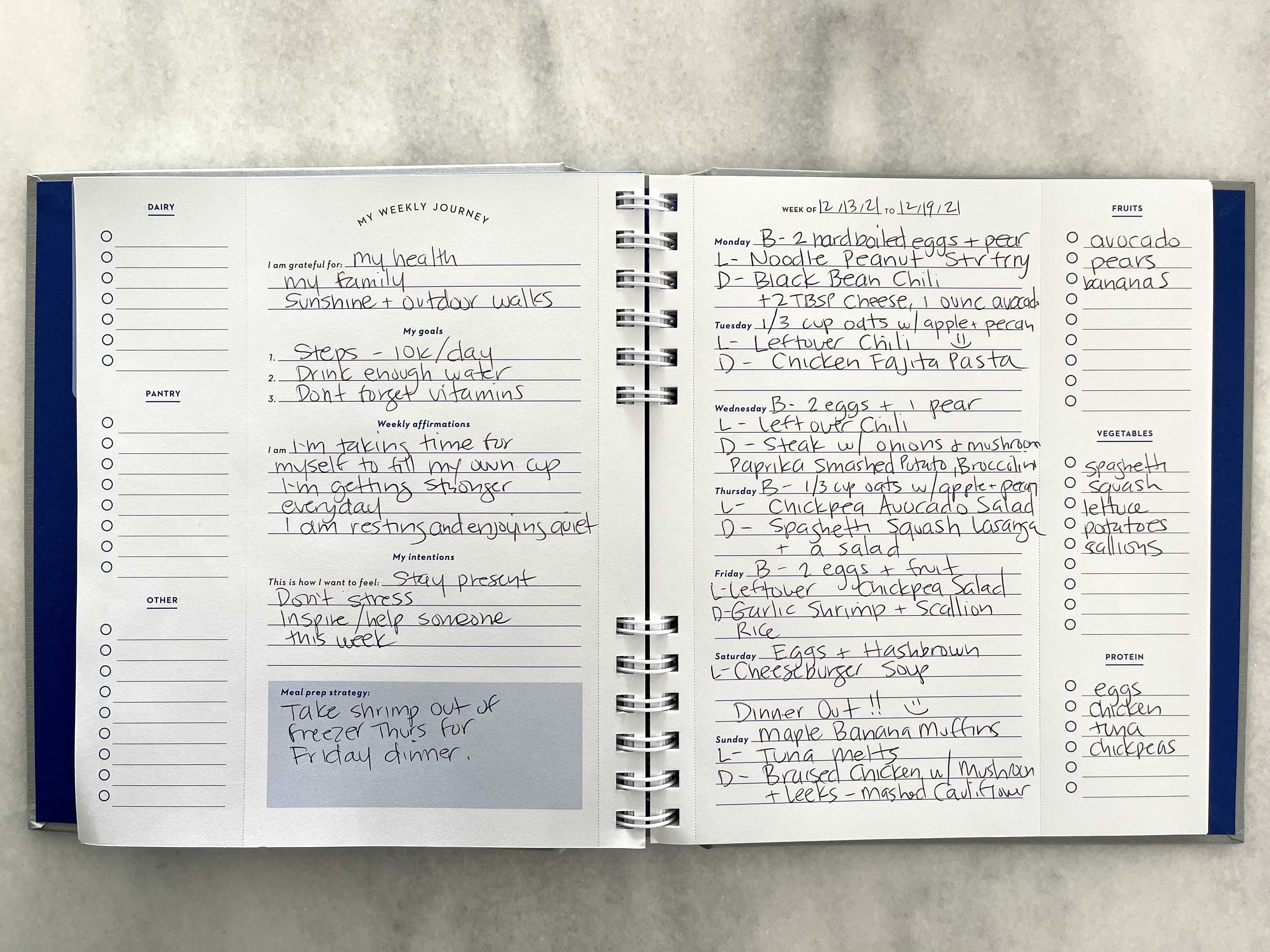
Ultimate Skinnytaste Meal Planner

Skinnytaste Ultimate Meal Planner

Get the Skinnytaste Ultimate Meal Planner! The 52 week spiral bound meal planner has weekly meal planning grids you can tear out and put on your fridge if you wish, a 12-week meal plan, 30 (15 new) recipes, and tear-out grocery lists. I love starting my week with gratitude, affirmations and intentions, so I included a space for that as well. I hope you will love this as much as I do!

Skinnytaste Ultimate Meal Planner

Buy the Skinnytaste meal planner here:

A note about WW Points

All recipe points have been updated to reflect the new WW program, points will display under the recipe title. I will keep the ww button in the recipe card, click on that and it takes you to the Weight Watchers website where you can see the recipe builder used to determine those points and add it to your day (US only, you must be logged into your account). All cookbook recipes in the cookbook index are also updated!

About The Meal Plan

If you’re new to my meal plans, I’ve been sharing these free, 7-day flexible healthy meal plans (you can see my previous meal plans here) that are meant as a guide, with plenty of wiggle room for you to add more food, coffee, beverages, fruits, snacks, dessert, wine, etc. or swap recipes out for meals you prefer, you can search for recipes by course in the index. Depending on your goals, you should aim for at least 1500 calories* per day. There’s no one size fits all, this will range by your goals, your age, weight, etc.

There’s also a precise, organized grocery list that will make grocery shopping so much easier and much less stressful. Save you money and time. You’ll dine out less often, waste less food and you’ll have everything you need on hand to help keep you on track.

Lastly, if you’re on Facebook join my Skinnytaste Facebook Community where everyone’s sharing photos of recipes they are making, you can join here. I’m loving all the ideas everyone’s sharing! If you wish to get on the email list, you can subscribe here so you never miss a meal plan!

Meal Plan:

Breakfast and lunch Monday-Friday, are designed to serve 1 while dinners and all meals on Saturday and Sunday are designed to serve a family of 4. Some recipes make enough leftovers for two nights or lunch the next day. The grocery list is comprehensive and includes everything you need to make all meals on the plan.

MONDAY (3/27)
B: High Protein Oat Waffles* with 2 tablespoons peanut butter and 1 small sliced banana
L: Buffalo Chicken Salad
D: Tofu Poke Bowl (recipe x 2)

Total Calories: 1,281**

TUESDAY (3/28)
B: High Protein Oat Waffles with 2 tablespoons peanut butter and 1 small sliced banana
L: Buffalo Chicken Salad
D: Turkey Chili Taco Soup with 2 tablespoons shredded cheddar, 1 tablespoon light sour cream and 1 ounce avocado

Total Calories: 1,104**

WEDNESDAY (3/29)
B: High Protein Oat Waffles with 2 tablespoons peanut butter and 1 small sliced banana
L: ⅓ recipe Creamy Shrimp and Celery Salad with ¾ cup cooked quinoa
D: LEFTOVER Turkey Chili Taco Soup with 2 tablespoons shredded cheddar, 1 tablespoon light sour cream and 1ounce avocado

Total Calories: 1,125**

THURSDAY (3/30)
B: Pineapple Chia with Cottage Cheese
L: ⅓ recipe Creamy Shrimp and Celery Salad with ¾ cup cooked quinoa
D: Chicken Piccata with Baby Pasta Shells with Asparagus and Marinara Sauce
Total Calories: 1,220**

FRIDAY (3/31)
B: Pineapple Chia with Cottage Cheese
L: ⅓ recipe Creamy Shrimp and Celery Salad with ¾ cup cooked quinoa
D: Broiled Tilapia Oreganato and Lemon Asparagus Couscous Salad with Tomatoes

Total Calories: 1,064**

SATURDAY (4/1)
B: Savory Steel Cut Oatmeal (recipe x 4)
L: Pepperoni Pizza Bites # with 8 baby carrots
D: DINNER OUT

Total Calories: 604**

SUNDAY (4/2)
B: Breakfast Pizza
L: Open-Faced Tuna Melt Sandwich (recipe x 2) and an apple
D: Sweet Potato Turkey Meatloaf with Garlic Mashed Potatoes and Roasted Parmesan Green Beans

Total Calories: 1,081**

*Can make waffles Sunday night and freeze any left over, if desired. 
**This is just a guide, women should aim for around 1500 calories per day. Here’s a helpful calculator to estimate your calorie needs. I’ve left plenty of wiggle room for you to add more food such as coffee, beverages, fruits, snacks, dessert, wine, etc.

#Double dough recipe for breakfast Sunday.

*Google doc

Scientists warned a decade ago American lives were shortening. Then it got worse : Shots

Just before Christmas, federal health officials confirmed life expectancy in America had dropped for a nearly unprecedented second year in a row – down to 76 years. While countries all over the world saw life expectancy rebound during the second year of the pandemic after the arrival of vaccines, the U.S. did not.

Then, last week, more bad news: Maternal mortality in the U.S. reached a high in 2021. Also, a paper in the Journal of the American Medical Association found rising mortality rates among U.S. children and adolescents.

“This is the first time in my career that I’ve ever seen this happen – it’s always been declining in the United States for as long as I can remember,” says the JAMA paper’s lead author Steven Woolf, director emeritus of the Center on Society and Health at Virginia Commonwealth University. “Now, it’s increasing at a magnitude that has not occurred at least for half a century.”

Across the lifespan, and across every demographic group, Americans die at younger ages than their counterparts in other wealthy nations.

How could this happen? In a country that prides itself on scientific excellence and innovation, and spends an incredible amount of money on health care, the population keeps dying at younger and younger ages.

An unheard alarm

One group of people are not surprised at all: Woolf and the other researchers involved in a landmark, 400-page study ten years ago with a name that says it all: “Shorter Lives, Poorer Health.” The research by a panel convened by the National Academy of Sciences and funded by the National Institutes of Health compared U.S. health and death with other developed countries. The results showed – convincingly – that the U.S. was stalling on health advances in the population while other countries raced ahead.

The authors tried to sound an alarm, but found few in the public or government or private sectors were willing to listen. In the years since, the trends have worsened. American life expectancy is lower than that of Cuba, Lebanon, and Chechnya.

Ten years later, here’s a look back at what that eye-popping study found, and why the researchers involved believe it’s not too late to turn the trends around.

Beyond bad habits

Americans are used to hearing about how their poor diets and sedentary lifestyles make their health bad. It can seem easy to brush that off as another scold about eating more vegetables and getting more exercise. But the picture painted in the “Shorter Lives” report could shock even those who feel like they know the story.

“American children are less likely to live to age 5 than children in other high-income countries,” the authors write on the second page. It goes on: “Even Americans with healthy behaviors, for example, those who are not obese or do not smoke, appear to have higher disease rates than their peers in other countries.”

The researchers catalog what they call the “U.S. health disadvantage” – the fact that living in America is worse for your health and makes you more likely to die younger than if you lived in another rich country like the U.K., Switzerland or Japan.

“We went into this with an open mind as to why it is that the U.S. had a shorter life expectancy than people in other countries,” says Woolf, who chaired the committee that produced the report. After looking across different age and racial and economic and geographic groups, he says, “what we found was that this problem existed in almost every category we looked at.”

That’s why, says Eileen Crimmins, professor of gerontology at the University of Southern California who was also on the panel that produced the report, they made a deliberate choice to focus on the health of the U.S. population as a whole.

“That was a decision – not to emphasize the differences in our population, because there is data that actually shows that even the top proportion of the U.S. population does worse than the top proportion of other populations,” she explains. “We were trying to just say – look, this is an American problem.”

Digging into the ‘why’

The researchers were charged with documenting how Americans have more diseases and die younger and to explore the reasons why.

“We were very systematic and thorough about how we thought about this,” says Woolf. The panel looked at American life and death in terms of the public health and medical care system, individual behaviors like diet and tobacco use, social factors like poverty and inequality, the physical environment, and public policies and values. “In every one of those five buckets, we found problems that distinguish the United States from other countries.”

Yes, Americans eat more calories and lack universal access to health care. But there’s also higher child poverty, racial segregation, social isolation, and more. Even the way cities are designed makes access to good food more difficult.

Scientists warned a decade ago American lives were shortening. Then it got worse : Shots

A fruit seller at Dom Pedro market in Coimbra, central Portugal. A lack of access to fresh fruits and vegetables in the U.S. may contribute to Americans shorter lifespan.

PATRICIA DE MELO MOREIRA/AFP via Getty Images


hide caption

toggle caption

PATRICIA DE MELO MOREIRA/AFP via Getty Images


A fruit seller at Dom Pedro market in Coimbra, central Portugal. A lack of access to fresh fruits and vegetables in the U.S. may contribute to Americans shorter lifespan.

PATRICIA DE MELO MOREIRA/AFP via Getty Images

“Everybody has a pet thing they worry about and say, ‘it’s oral health’ or ‘it’s suicides’ – everyone has something that they’re legitimately interested in and want to see more attention to,” says John Haaga, who was the director of the Division of Behavioral and Social Research at the National Institute on Aging at NIH, before he retired. “The great value of an exercise like this one was to step back and say, ‘OK, all of these things are going on, but which of them best account for these long-term population level trends that we’re seeing?’ “

The answer is varied. A big part of the difference between life and death in the U.S. and its peer countries is people dying or being killed before age 50. The “Shorter Lives” report specifically points to factors like teen pregnancy, drug overdoses, HIV, fatal car crashes, injuries, and violence.

“Two years difference in life expectancy probably comes from the fact that firearms are so available in the United States,” Crimmins says. “There’s the opioid epidemic, which is clearly ours – that was our drug companies and other countries didn’t have that because those drugs were more controlled. Some of the difference comes from the fact that we are more likely to drive more miles. We have more cars,” and ultimately, more fatal crashes.

“When we were doing it, we were joking we should call it ‘Live free and die,’ based on the New Hampshire slogan, [‘Live free or die’],” Crimmins says. “The National Academy of Sciences said, ‘That’s outrageous, that’s too provocative.’ “

There are some things Americans get right, according to the “Shorter Lives” report: “The United States has higher survival after age 75 than do peer countries, and it has higher rates of cancer screening and survival, better control of blood pressure and cholesterol levels, lower stroke mortality, lower rates of current smoking, and higher average household income.” But those achievements, it’s clear, aren’t enough to offset the other problems that befall many Americans at younger ages.

All of this costs the country tremendously. Not only do families lose loved ones too soon, but having a sicker population costs the country as much as $100 billion every year in extra health care costs.

“Behind the statistics detailed in this report are the faces of young people – infants, children, and adolescents – who are unwell and dying early because conditions in this country are not as favorable as those in other countries,” the paper’s authors wrote.

Little action, despite the stakes

“Shorter Lives” is filled with recommended next steps for the government, especially the NIH, which has a budget of more than $40 billion annually to conduct research to improve Americans’ health.

The NIH should undertake a “thorough examination of the policies and approaches that countries with better health outcomes have found useful and that may have application, with adaptations, in the United States,” the authors wrote.

In other words: let’s figure out what they are doing that works in other places, and do it over here.

Dr. Ravi Sawhney, who helped conceive of and launch the “Shorter Lives” study at NIH before he says he was “driven out” of the agency, had high hopes that the report would make a mark. “I really thought that when the results came out, they would be so obvious that people would say: Let’s finally do this,” he says.

Ten years on, how much of the detailed action plan has been done?

“To be brief, very little of that happened,” Woolf says. At the time, he says, NIH officials didn’t seem very interested in raising awareness about the panel’s findings or in following up on its proposed research agenda. “There was some media coverage at the time that the report rolled out, but NIH was not involved in trying to promote awareness about the report.”

Crimmins agrees. “There was a little bit more research, but there wasn’t any policy reaction,” she says. “I thought there might be, because it’s embarrassing, but it just tends to be ignored.” Those who are interested in this issue, she notes, tend to be those invested in “marvelous things they think are going to delay aging,” even though people older than 75 are the only age group in the country that already does comparatively well.

Haaga, the former NIH division director, also thinks the response at the agency was lacking. “Not nearly enough has been done, given the stakes and given what we could learn,” he says.

In response to NPR’s request for comment for this story, NIH pointed to a subsequent panel on midlife mortality, several initiatives the agency has undertaken on disparities between subgroups within the U.S., and a recent paper funded by NIH that looked again at international life expectancy.

Outgoing NIH Director Francis Collins told NPR in 2021 that it bothered him that there hadn’t been more gains to American life expectancy during his tenure. In his view, the success of NIH in achieving scientific breakthroughs hadn’t translated to more gains because of problems in society that the research agency had little power to change.

Woolf calls it a misconception to assume that America’s great scientific minds and medical discoveries translate to progress for the health of the population. “We are actually very innovative in making these kinds of breakthroughs, but we do very poorly in providing them to our population,” he says.

‘We can’t touch everything’

Department of Health and Human Services Secretary Xavier Becerra answered NPR’s question at a press conference earlier this month about work the agency was doing to address lagging life expectancy by mentioning COVID-19 and vaccine hesitancy, along with mental health issues and gun violence.

“There’s so many things that we’re doing,” Becerra said. “We can’t touch everything. We can’t touch state laws that allow an individual to buy an assault weapon and then kill so many people. We can only come in afterwards.”

Secretary of the Department of Health and Human Services Xavier Becerra at a news conference at HHS headquarters in Washington, DC on March 9, 2023. Becerra said gun violence contributes to shorter lifespans in the U.S.

Drew Angerer/Getty Images


hide caption

toggle caption

Drew Angerer/Getty Images


Secretary of the Department of Health and Human Services Xavier Becerra at a news conference at HHS headquarters in Washington, DC on March 9, 2023. Becerra said gun violence contributes to shorter lifespans in the U.S.

Drew Angerer/Getty Images

CDC Director Rochelle Walensky responded by listing some of the agency’s work on mental health and vaccines, and acting NIH director Larry Tabak pointed to research on health disparities.

HHS did not answer a follow up question about whether the agency has considered a national commission or similar effort to address American life expectancy and poor health.

Sawhney thinks the federal government should try harder to fix the problems documented in the “Shorter Lives” report. He doesn’t think lack of public awareness is the problem. “I really think that most Americans know that Americans are more overweight and obese and that we have higher rates of disease and live shorter lives than other countries,” he says, “It’s just the NIH and the CDC that don’t want to take the responsibility for that failure or to do anything about it.”

Crimmins says, in her experience, lawmakers and federal health officials don’t like talking about how the U.S. is lagging behind other countries.

“I convened a meeting in Washington with the National Center for Health Statistics [part of CDC] about increasing healthy life expectancy,” she recalls. “It was a relatively small meeting, but we brought experts from Canada.” An official at the time gave what she calls a “typical” response, saying: “Oh, we can’t have anything but an American solution to these issues – we can’t listen to other countries.”

“International studies are not the flavor of the month – they never will be,” says Haaga. “The problem with foreign countries is that they’re not in someone’s congressional district.”

It’s more than a missed opportunity, says Woolf. It’s a tragedy.

“If you add up the excess deaths that have occurred in the United States because of this unfolding problem, it dwarfs what happened during COVID-19, as horrible as COVID-19 was,” Woolf says. “We’ve lost many more Americans cumulatively because of this longer systemic issue. And if the systemic issue is unaddressed, it will continue to claim lives going forward.”

Small victories are possible

Taking stock of the many ways in which Americans are sicker and die younger can be overwhelming, says Haaga. “It’s such a long list, that might partly be why the issue doesn’t grab people,” he says. “They just go, ‘Oh, my gosh, that’s depressing, what’s on the other channel?’ But there’s a lot of things that could be done, and small victories are victories.”

According to the “Shorter Lives” report, “the important point about the U.S. health disadvantage is not that the United States is losing a competition with other countries, but that Americans are dying and suffering at rates that are demonstrably unnecessary.”

Rather than feel overwhelmed at the immensity of the problems, Sawhney suggests, the focus should instead be on the fact that every other rich country has been able to figure out how to help people live longer, healthier lives. That means that Americans could do it too, he says.

He believes that the changes might not be as hard as some policymakers and health officials seem to think. “You look at these healthier countries, they’re free countries – England, France, Italy – they’re not banning delicious foods. They’re not chaining people to treadmills,” he says. “Americans love to travel to Europe, to Australia, to Canada to enjoy their foods and their lifestyles, and so the idea that we might say, ‘Hey, maybe we could bring some of those lifestyles back’ – I don’t think people are going to go up in arms that we’re taking away their freedoms.”

Getting policy ideas from other countries is just an obvious move, Woolf adds. “If a martian came down to earth and saw this situation, it would be very intuitive that you [would] look at other countries that have been able to solve this problem and apply the lessons learned,” he says.

In historical research he’s been doing, “I found that there are dozens and dozens of countries on almost every continent of the world that have outperformed the United States for 50 years,” he says. “It’s worth taking a look at what they’ve done and Americanizing it – you don’t have to take it right off the shelf.”

Some of the policies he’s identified as helpful include universal, better coordinated health care, strong health and safety protections, broad access to education, and more investments to help kids get off to a healthy start. These policies are “paying off for them,” he says, and could for Americans, too.

Graphic by Ashley Ahn; Edited by Diane Webber