Inflation is really impacting food prices and, therefore, all our wallets are getting skinnier. Many of us have a tendency to assume that healthy food is expensive and it can be easy to feel frustrated when you feel like you have to choose between between saving money and eating healthy.
As a trainer, I believe that nutrition is crucial to good health and no one should have to skimp on that. There are a lot of affordable grocery items that are both healthy and inexpensive. Here are my tips for how to feed yourself — and your loved ones — delicious, nutritious meals that don’t break the bank.
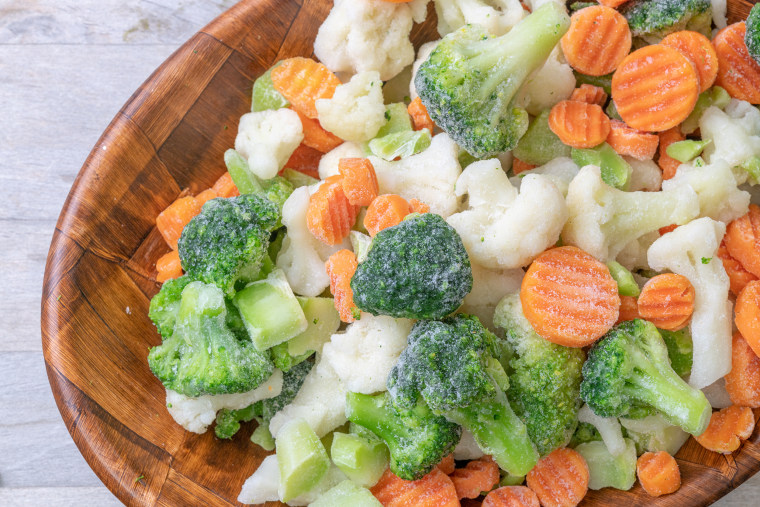
Contrary to popular belief, frozen veggies are not less nutritious than fresh vegetables.Roberto Machado Noa / Getty Images
A cheap and healthy grocery list
Frozen veggies: I buy whatever’s on sale because they’re as nutritious as fresh produce, but don’t spoil. I throw them into a bowl and microwave them or add them to a stirfry.
Frozen berries: Whatever type is on sale dictates my smoothie flavor for the week! I’m partial to raspberries — I love the sweetness with a little sour — but if pineapple chunks are on sale then I buy those instead. They also serve as ice so that my smoothies aren’t watered down, and frozen fruit doesn’t spoil like fresh fruit so I don’t have to worry about wasting it. Plus, some berries — like strawberries — are so packed with nutrients that dietitians call them super fruits!
Canned tuna: This is a super fast protein I can dump on top of salads or put on top of open-faced peppers with slices of pickles and cucumbers on top for a crunch.
Chickpeas: Canned beans are great to have on hand, and I’m partial to chickpeas because, being Lebanese, I can easily whip up hummus for a protein-packed snack, or I can put them in the oven with some seasoning for baked chickpeas as a snack or salad topper.
Rotisserie chicken: Shred this already-cooked chicken and make chicken tacos, chicken dip or a chicken stirfry.
Tofu: Sub in tofu instead of meat for a vegetarian meal or a Meatless Monday. Or instead of buying pricey eggs, scramble tofu which has a similar texture to scrambled eggs to make your next breakfast scramble! You can also add tofu to smoothies instead of protein powder. If you’re not sure how to cook tofu, check out our guide for how to cook tofu.
Lentils: Lentils are another meatless option to get in protein. Whether you make a stew, soup, or are simply looking for a non-meat protein option on top of a salad, these beans are great for your wallet and your protein intake!
Store-brand cheese: If you don’t feel bloated after eating cheese, check out non name-brand cheeses at your grocery store that are still reasonably priced. Use cheese as a snack for protein or as a topper for warm casseroles!
Tofu is so versatile that you can use it in everything from smoothies to curries. Wheatfield / Getty Images/iStockphoto
Healthy recipes on a budget
If you want to put some of these ingredients to use right away, here are some delicious recipes to get you started.
This smoothie calls for strawberries and blueberries, but you can use any frozen berry that’s on sale. You can also sub in spinach or another dark, leafy green for kale.
ClarkandCompany / Getty Images
These chickpeas are super easy to make and you can use them in a multitude of ways. Roasted chickpeas make for a great salad topper, and they’re also a great protein-rich snack.
Courtesy Matt Armendariz
This barbecue rotisserie chicken salad makes for a nutrient-dense meal any time of day and using rotisserie chicken makes it easy to make.
Laura Vitale
This chickpea and tuna salad is healthy, delicious and it requires no cooking! Win-win-win.
I not long ago went to a restaurant in Denver the place the Cobb salad was near to $20, while the burger and fries price all around $15. The value big difference in between more or less wholesome foodstuff is apparent pretty much almost everywhere you go, and the current economy is generating it much more and much more high priced to grocery store in basic, permit alone to take in healthily.
Diet performs a significant position in your physical and psychological well being as it can reduce your hazard of coronary heart condition, fortify your immune system, build muscle mass, increase target and additional. A nutritious food plan can glance numerous unique means, and there is certainly absolutely nothing wrong with the occasional burger. The key is to take in a numerous and perfectly-rounded diet program, with lots of develop these kinds of as fruits and veggies — and these are some of the trickiest foods groups to get adequate of if you might be quick on time and revenue.
That stated, it is really critical to make certain you get the vitamins and minerals you want to sustain a much healthier overall body and intellect. The guidelines beneath will aid you store and try to eat sensible so you can be healthful with no obtaining to shell out an arm and a leg.
How to try to eat healthily on a funds
Qwart/Getty Illustrations or photos
Program meals wherever you anticipate leftovers
System your meals ahead of time so you can consolidate the number of items you have to have to buy at the grocery store. Apps like Mealime or Paprika can assistance acquire some of the mental function out of food organizing.
The greater the foods you system, the more leftovers you get, the more income you preserve (and the considerably less of your tricky-gained healthier food stuff goes to waste). Leftovers can be place to use in various dishes or even saved in the freezer to consume at a later time. I like to conserve leftover taco meat for a taco salad or breakfast burrito the upcoming day.
Make a grocery listing and stick to it
Make a grocery record holding rates in intellect, so you know you might be sticking to your price range. When in question on the rate of an item, overestimate or use a selling price comparison app to double check out, like Flipp or Grocery King. Give you an added $20 or so for adaptability in case you see a few more necessities you may possibly not have thought of.
Otherwise, it’s crucial to adhere to your record. Prior to you know it, your extra products can establish to be additional high priced than you foresee, pushing you about funds.
Buy canned or frozen deliver
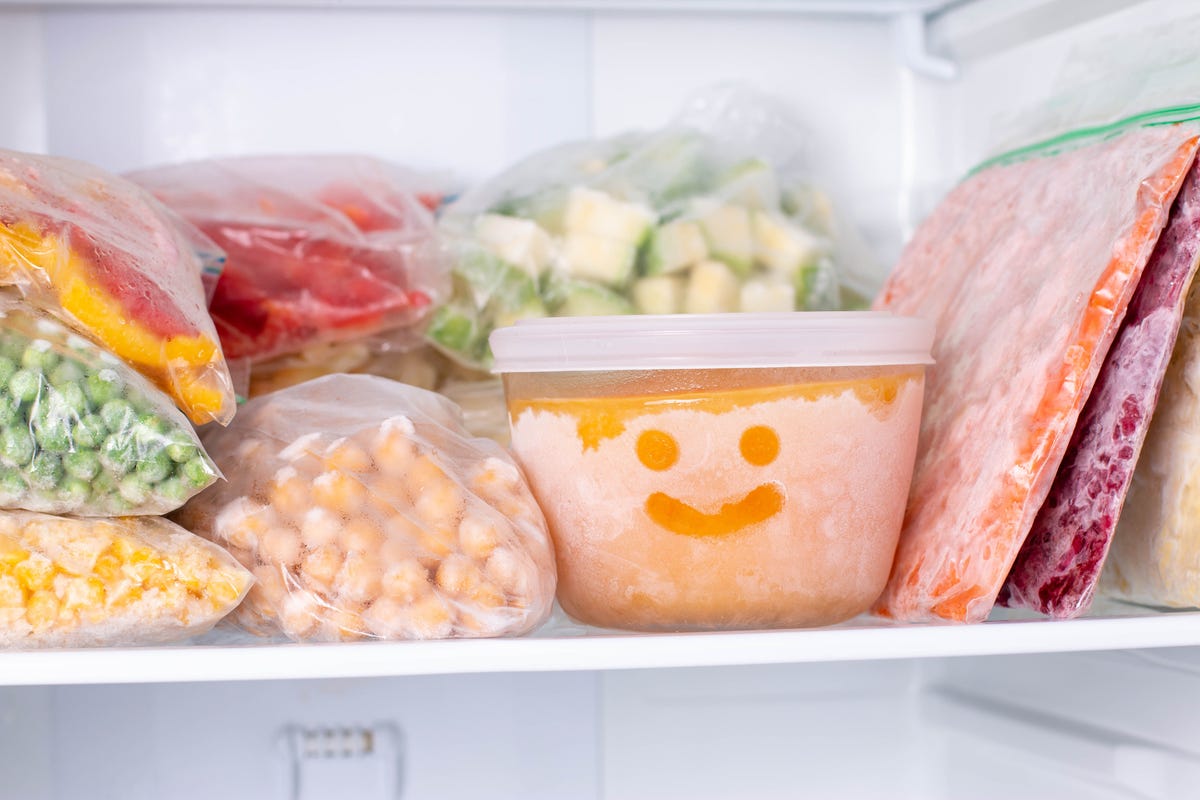
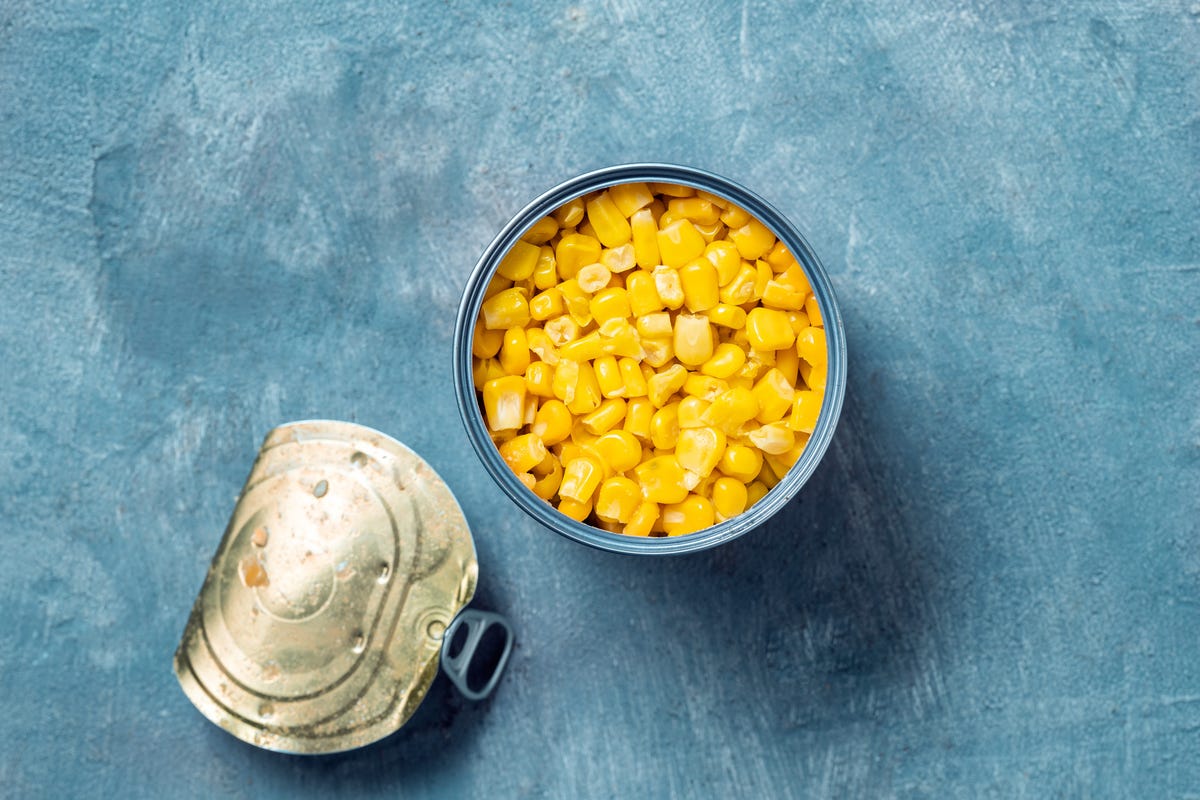
Canned and frozen food items might not be as delicious as the fresh things picked from your area farm, but they are just as nutritious and significantly much less high priced. You will have the similar amount of vitamins and minerals as you would if they had been new, and they final for a longer time in the freezer or can. Try out purchasing frozen or canned peas, corn, carrots, green beans, broccoli, cauliflower, spinach and fruit. Appear for merchandise totally free of extra sugar or salt.
Frozen deliver can usually be applied in the exact recipes as fresh deliver with a little tweaking. Canned generate, on the other hand, is already cooked, so it’s excellent to toss into stews, soups and casseroles.
Carlo A/Getty Photographs
Be part of grocery loyalty golf equipment for bargains
Grocery suppliers offer discounts on certain items if you have a membership with them, like Safeway, Kroger and Huge. It is also free of charge to be part of. You may have to offer details like cellphone number and email, but the cost savings are substantial and recognizable in your close full.
Consider benefit of sales
Along the exact same lines, inventory up on products you know you are going to require when they’re on sale, like seltzer water and proteins. This in particular goes for products with extensive shelf life and freezer-welcoming foods.
Adhere to the generic shop makes
We all know and adore our title manufacturers, but store-brand name merchandise are noticeably lower in price tag than the identify-brand name solutions such as condiments, bread, yogurt, frozen veggies and far more. For the most aspect, you can barely flavor the big difference and the cost savings can add up. For example, Customer Studies calculated you preserve all-around 62 to 72 p.c for each serving if you buy shop-manufacturer ketchup about Heinz.
Improve your personal food
If you have a inexperienced thumb, rising your personal foodstuff in a backyard garden will save you superior income on develop. You also have the benefit of owning your favorite fruits, vegetables and herbs in your have yard. Not to mention the environmental impression, these as lowering fossil gas emissions and plastic waste.
Easy foods to expand for beginners include onions, peppers, cucumbers and herbs these as basil or parsley. You can even mature food from your kitchen area scraps for free, this kind of as celery, lettuce or scallions.
The information and facts contained in this posting is for instructional and informational needs only and is not supposed as well being or health-related tips. Normally talk to a physician or other experienced well being company relating to any inquiries you could have about a clinical condition or wellness objectives.
This post may contain affiliate links. Read my disclosure policy.
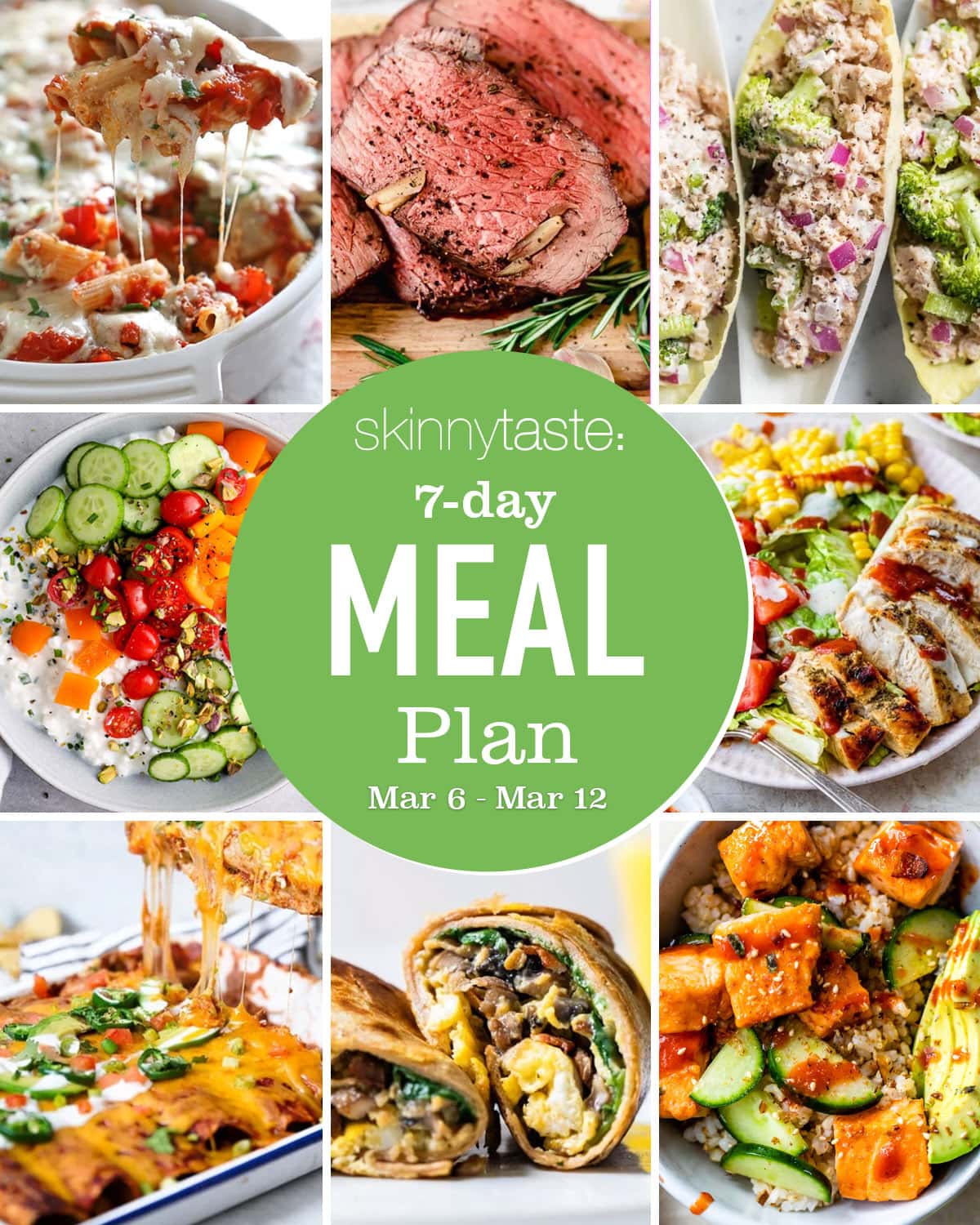
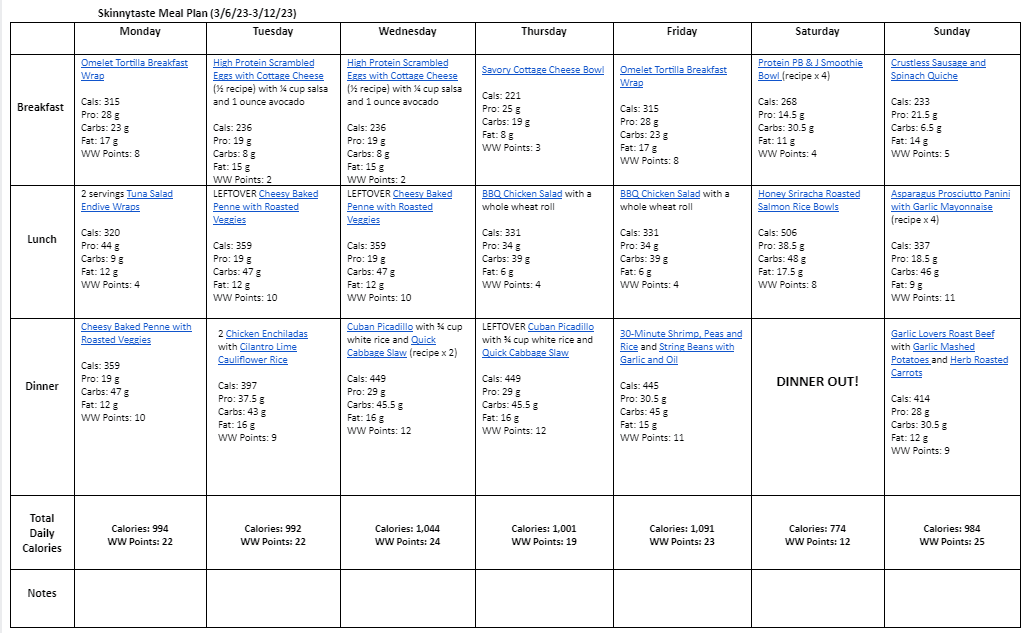
A free 7-day, flexible weight loss meal plan including breakfast, lunch and dinner ideas and a shopping list. All recipes include macros and WW points.
7 Day Healthy Meal Plan
Still looking for ideas for Lent? Look no further! Try my Perfect Air Fryer Shrimp, Pasta Fagioli or this great Salmon Caesar Salad! Looking for a meat recipe- check out my Air Fryer Breaded Cubed Steak and Cheeseburger Salad. Enjoy!
With grocery prices soaring, many of us are having to adjust, scale back and/or get more creative with our meals. One of the absolute BEST ways to stay within a budget and maintain healthy eating habits is to MEAL PLAN. You can get more 5-day Budget Friendly Meal Plans by signing up for Relish+ (get a 14-day free trial here!)
Ultimate Skinnytaste Meal Planner
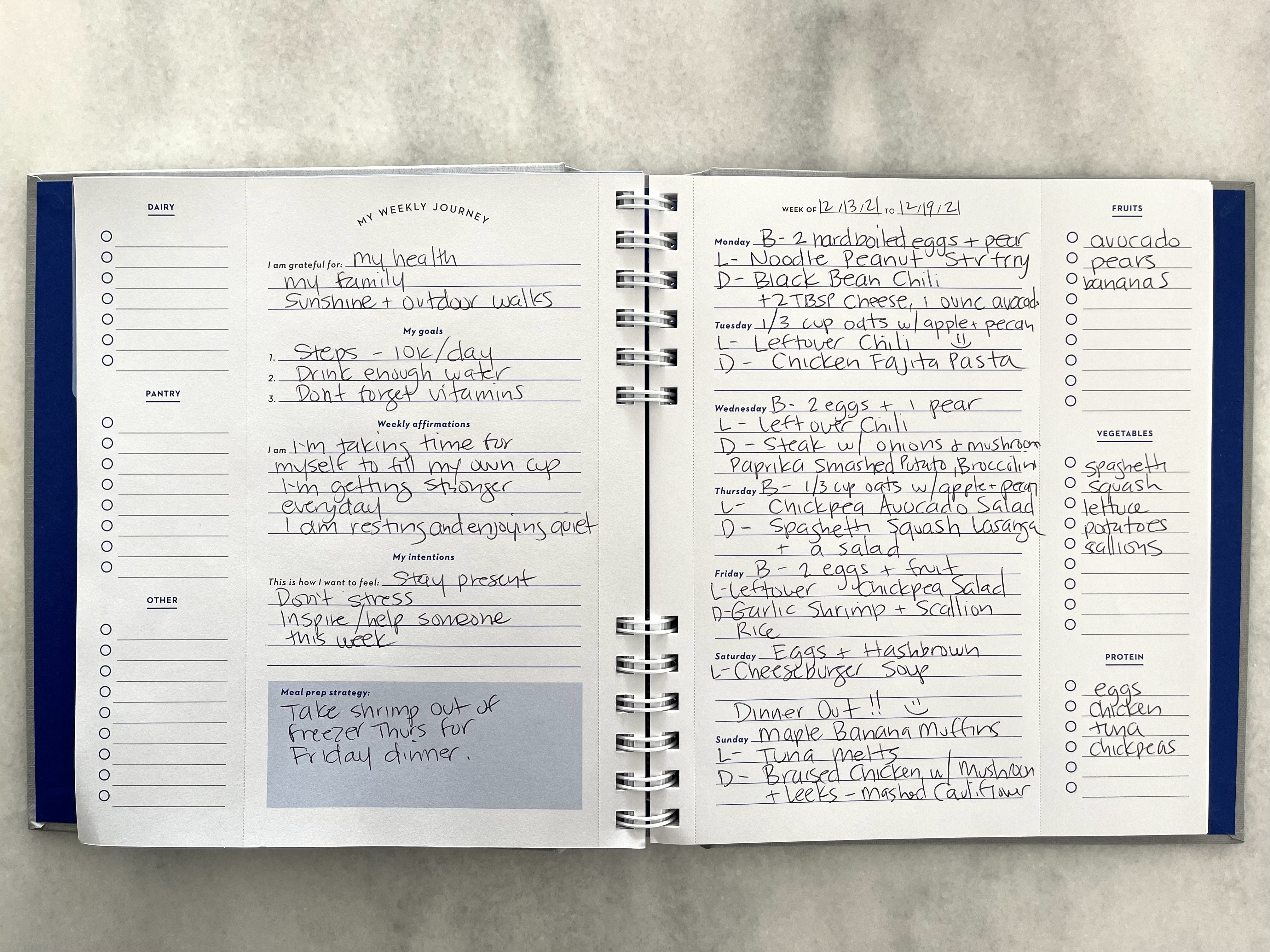
Get the Skinnytaste Ultimate Meal Planner! The 52 week spiral bound meal planner has weekly meal planning grids you can tear out and put on your fridge if you wish, a 12-week meal plan, 30 (15 new) recipes, and tear-out grocery lists. I love starting my week with gratitude, affirmations and intentions, so I included a space for that as well. I hope you will love this as much as I do!
Buy the Skinnytaste meal planner here:
A note about WW Points
All recipe points have been updated to reflect the new WW program, points will display under the recipe title. I will keep the ww button in the recipe card, click on that and it takes you to the Weight Watchers website where you can see the recipe builder used to determine those points and add it to your day (US only, you must be logged into your account). All cookbook recipes in the cookbook index are also updated!
About The Meal Plan
If you’re new to my meal plans, I’ve been sharing these free, 7-day flexible healthy meal plans (you can see my previous meal plans here) that are meant as a guide, with plenty of wiggle room for you to add more food, coffee, beverages, fruits, snacks, dessert, wine, etc. or swap recipes out for meals you prefer, you can search for recipes by course in the index. Depending on your goals, you should aim for at least 1500 calories* per day. There’s no one size fits all, this will range by your goals, your age, weight, etc.
There’s also a precise, organized grocery list that will make grocery shopping so much easier and much less stressful. Save you money and time. You’ll dine out less often, waste less food and you’ll have everything you need on hand to help keep you on track.
Lastly, if you’re on Facebook join my Skinnytaste Facebook Community where everyone’s sharing photos of recipes they are making, you can join here. I’m loving all the ideas everyone’s sharing! If you wish to get on the email list, you can subscribe here so you never miss a meal plan!
Meal Plan:
Breakfast and lunch Monday-Friday, are designed to serve 1 while dinners and all meals on Saturday and Sunday are designed to serve a family of 4. Some recipes make enough leftovers for two nights or lunch the next day. The grocery list is comprehensive and includes everything you need to make all meals on the plan.
TUESDAY (3/7) B: High Protein Scrambled Eggs with Cottage Cheese (½ recipe) with ¼ cup salsa and 1 ounce avocado L: LEFTOVER Cheesy Baked Penne with Roasted Veggies D: 2 Chicken Enchiladas with Cilantro Lime Cauliflower Rice Total Calories: 992*
WEDNESDAY (3/8) B: High Protein Scrambled Eggs with Cottage Cheese (½ recipe) with ¼ cup salsa and 1 ounce avocado L: LEFTOVER Cheesy Baked Penne with Roasted Veggies D: Cuban Picadillo with ¾ cup white rice and Quick Cabbage Slaw (recipe x 2) Total Calories: 1,044*
THURSDAY (3/9) B: Savory Cottage Cheese Bowl L: BBQ Chicken Salad with a whole wheat roll D: LEFTOVER Cuban Picadillo with ¾ cup white rice and Quick Cabbage Slaw Total Calories: 1,001*
FRIDAY (3/10) B: Omelet Tortilla Breakfast Wrap L: BBQ Chicken Salad with a whole wheat roll D: 30-Minute Shrimp, Peas and Rice and String Beans with Garlic and Oil Total Calories: 1,091*
SATURDAY (3/11) B: Protein PB & J Smoothie Bowl (recipe x 4) L: Honey Sriracha Roasted Salmon Rice Bowls D: DINNER OUT
Total Calories: 774*
SUNDAY (3/12) B: Crustless Sausage and Spinach Quiche L: Asparagus Prosciutto Panini with Garlic Mayonnaise (recipe x 4) D: Garlic Lovers Roast Beef with Garlic Mashed Potatoes and Herb Roasted Carrots
Total Calories: 984*
*This is just a guide, women should aim for around 1500 calories per day. Here’s a helpful calculator to estimate your calorie needs. I’ve left plenty of wiggle room for you to add more food such as coffee, beverages, fruits, snacks, dessert, wine, etc.
1 (8-ounce) container unsweetened almond or oat milk (can buy a larger size of skim or 2{bf0515afdcaddba073662ceb89fbb62b6b1bf123143c0e06b788e1946e8c353f} milk and sub that in Smoothie Bowl, if desired)
1 small container part-skim ricotta cheese
1 (16-ounce) container low fat cottage cheese (I like Good Culture)
1 (8-ounce) bag shredded reduced fat Mexican cheese blend
1 (8-ounce) bag shredded part-skim mozzarella cheese
1 small block light Havarti or cheddar cheese
1 small wedge fresh Parmesan cheese
1 small wedge fresh Pecorino Romano cheese (can sub Parmesan in Baked Penne and Shrimp, Peas and Rice, if desired)
Welcome to Start TODAY. Sign up for our free Start TODAY newsletter to receive daily inspiration sent to your inbox. Then, join us on the Start TODAY Facebook group for tips and motivation, to connect with others following the plan — and to get real-time advice from trainer Stephanie Mansour!
You asked, we answered! Hundreds of Start TODAY members told us they wanted more healthy, balanced meal ideas to help them reach their health goals. This dietitian-designed meal plan gives you the flexibility to ease into a new month — all while learning the building blocks of healthy eating.
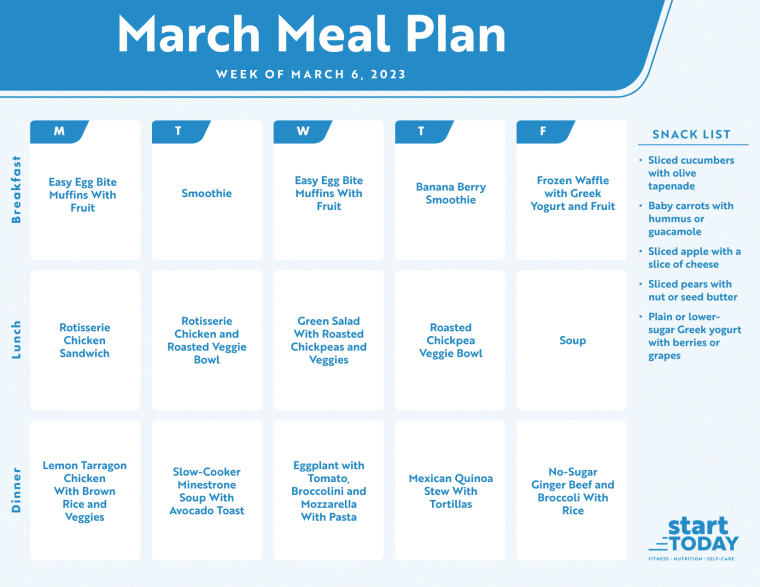
What to Eat This Week, March 6, 2023
Here’s a blueprint for easy meal prep this week. You’ll see that breakfasts are a mix of some make-ahead meals and some morning-of options. Lunches also utilize the mix-and-match strategy using store bought items like rotisserie chicken or simple roasted chickpeas and vegetables. While we’ve offered five different dinner options, you can streamline the menu by making enough for leftovers. From easy one-pot and sheet-pan dinners to a better-for-you version of a Chinese takeout favorite, we’ve got you covered this week.
Breakfast
Make breakfast a no brainer. Create a simple list of go-to options or make-ahead meals that make mornings easier or simply mix-and-match these recipe ideas:
Ghazalle Badiozamani / Instant Loss Eat Real, Lose Weight: How I Lost 125 Pounds–Includes 100+ Recipes
Whole Grain Waffles with Fruit
Toast a frozen whole grain waffle and spread with ricotta cheese or Greek yogurt — you can have fruit on top or on the side.
Lunch
Roasting a batch of your favorite vegetables is the key to easy lunchtime meal prep. Then, buy a rotisserie chicken (or roast your own!) to make two easy lunches on Monday and Tuesday — and then roast up some chickpeas for easy salad and veggie bowls later in the week. Make these dishes your own by leaning into easy seasonings like everything but the bagel seasoning, Italian and Greek seasoning, dried herbs and spices, lemon, pesto, low-sugar marinara sauce, tahini, and coconut aminos or lower-sodium soy sauce.
Claudia Totir / Getty Images
TODAY
ClarkandCompany / Getty Images
Rotisserie Chicken Sandwich: Serve on whole-grain bread with your favorite fixings and vegetables on the side.
Rotisserie Chicken and Roasted Veggie Bowl: Use any roasted veggies and whole grains you like and flavor with any easy seasoning.
Green Salad With Roasted Vegetables and Chickpeas: Use any veggies (such as arugula and roasted veggies) and flavor with any easy seasoning.
Roasted Chickpea Veggie Bowl: Use any roasted veggies and whole grains (think brown rice, farro or quinoa) you like and flavor with any easy seasoning.
Below, we’ve put together some of our favorite healthy recipes on TODAY.com to make meal planning easier — feel free to swap out recipes for different days of the week, or make enough of one dish to serve as leftovers to save time on another night.
FitMenCook(TM)
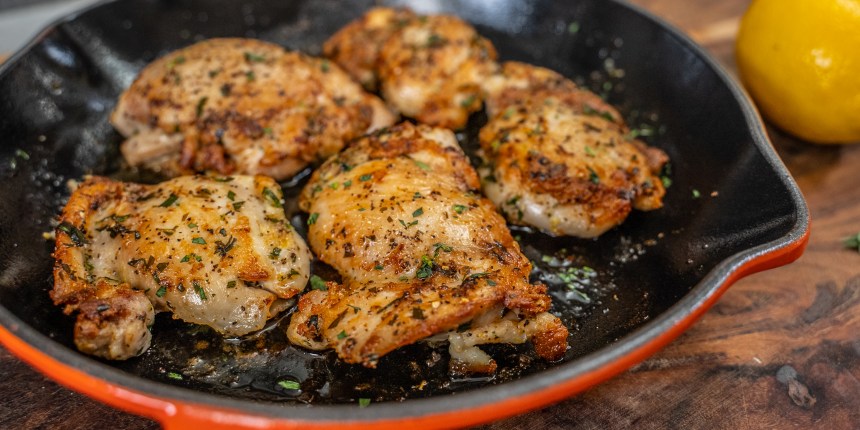
The dish uses lemon zest, a little olive oil and a handful of fresh tarragon — it’s a simple 3-ingredient mixture that wows the tastebuds. It warms the soul, awakens the senses and, perhaps most importantly, can be made in 20 minutes. Serve it with brown rice and vegetables.
Casey Barber / TODAY
This slow-cooker soup keeps things hearty with cubes of tender potatoes, snappy green beans, and creamy cannelini beans, but you can always take your cue from the Italians and use this recipe as an excuse to cook up the odds and ends in your refrigerator’s crisper. Serve the soup with either an open-faced veggie-burger melt or avocado toast on a slice of whole-grain bread.
Courtesy Adam Friedlander
This sheet-pan dinner is a great way to eat a ton of vegetables — serve with whole wheat or bean-based pasta and jarred marinara sauce.
Romel Bruno
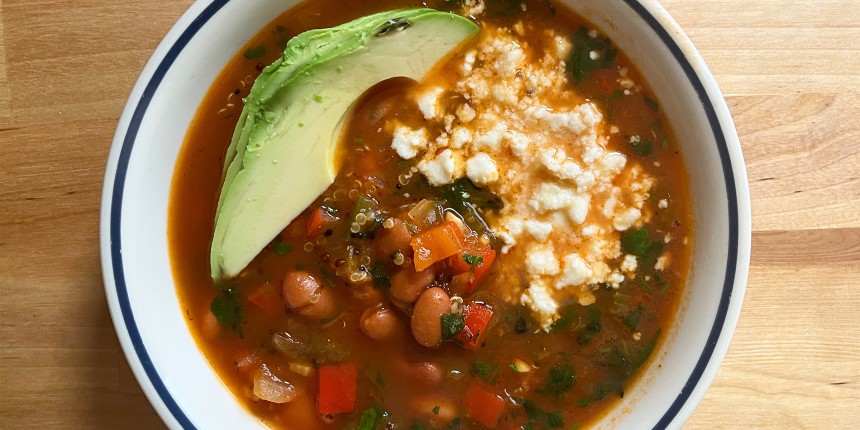
Loaded with beans, quinoa and veggies, this Mexican-inspired stew is guaranteed to make your mouth water — plus, it’s vegan if you omit the cheese garnish! Serve with warmed tortillas or tortilla chips from this snack list.
Kevin Curry
You’ll get all the flavor of your favorite takeout with less salt — and no added sugar! Serve with this dish with microwavable brown rice, cauliflower rice, or a blend of each.
Snacks
Snacks that contain whole food sources of protein and fiber offer a winning formula that keeps you full for hours. Here are a few ideas:
Sliced cucumbers with olive tapenade.
Baby carrots with hummus or guacamole.
Sliced apple with a slice of cheese.
Sliced pears with nut or seed butter.
Plain or lower-sugar Greek yogurt with berries or grapes.
Long partial to heavy lunchtime platters of meat and rice, Asim al-Shammari has recently turned to lighter fare from a self-described diet restaurant, swayed by Saudi Arabia’s anti-obesity push.
Roughly one in five Saudi adults is obese, according to an in-depth study published by the World Bank last year that described the problem as “alarming”.
The Global Obesity Observatory places the kingdom at number 17 in its international rankings of obesity prevalence, three slots below the United States and near neighbours Qatar and Kuwait.
But the Vision 2030 reform agenda spearheaded by Crown Prince Mohammed bin Salman includes goals for bringing down both obesity and diabetes by the decade’s end.
The effort is being helped by a raft of new restaurants offering healthier alternatives to some traditional Saudi fare, including the spot where al-Shammari, a financial analyst, tucked into a plate of chicken, rice and carrots one recent afternoon.
“I used to eat burgers, shawarma or kabsa while I was at work,” said the 28-year-old, referring to a rice dish usually served on large shared plates.
“This increased obesity, especially with eight-hour office work and lack of movement.”
Lifestyle changes
For decades, Saudis have spent much of their free time in restaurants and shopping malls, and food was a chief source of entertainment in the kingdom, where high temperatures limit outdoor activities for much of the year.
In 2019, the health ministry started requiring restaurants to include calorie information on menus to encourage healthy eating.
Fast food options – from international favourites like McDonald’s to local chains like Al Baik – remain ubiquitous in the kingdom’s main cities, but they are starting to face more varied competition.
Saad al-Hader, a 25-year-old doctor, said he used to bring meals from home so he could eat something besides junk food, but the proliferation of new health-conscious eateries has made his life easier.
“The popularity of these restaurants and the fact that they are close to workplaces, makes it easier to stick to healthy eating,” he told AFP as he dined on salmon and grilled potatoes.
A growing number of restaurants are offering meal plans that send salads and other healthy meals to clients’ homes and workplaces.
One such plan provides a meal a day for a month for 450 Saudi riyals ($120).
Basil Chehayeb, a Lebanese national who runs a restaurant called Reshape in the Saudi capital Riyadh, said he had opened two new branches in the past 18 months to keep up with demand.
The restaurant provides meals each day to about 500 subscribers, most of whom are Saudis.
“Saudis have changed their lifestyle and are now attending sports clubs and eating healthy foods,” he said.
Targeting the youth
Efforts by restaurants and other private sector businesses to promote healthy eating have been supplemented by other health-minded interventions.
The Saudi Sports for All Federation now organises regular events like the Riyadh Marathon, which this year drew thousands of runners to the streets of Riyadh.
Officials have also begun work on a 135-kilometre (85-mile) Sports Boulevard in the capital featuring foot, cycle and horse-riding paths.
Beginning with the current academic year, the Saudi health ministry has banned the sale of soft drinks in schools.
The message seems to be getting through, at least among young people, said public health consultant Lamia al-Brahim.
“Obesity is a serious health problem” but “it is very noticeable now that health awareness is increasing among the young generation,” she said.
“Societal behaviour changes need a long time, and these efforts start from within the home, then the school and then the government agencies.”
As the federal government moves to change rules for what foods can sport “healthy” labels, manufacturers are pushing back.
Some of the biggest makers of cereals, frozen and packaged food have submitted dozens of claims to the Food and Drug Administration objecting to new rules that would exclude food with high amounts of added sugar and salt from being labeled as “healthy” on packaging. Some manufacturers have even called the regulations unconstitutional, saying they violate companies’ First Amendment rights.
The FDA last fall moved to update its requirements around what foods can use the word “healthy” on packaging — the first change since the rule was implemented in the 1990s. The proposed changes would leave out high-sugar, low-fat products that currently are allowed to use the healthy label today, such as fruit-flavored low-fat yogurts and Raisin Bran cereal.
That’s unfair, many food companies gripe, complaining that the more rigorous nutritional standards would wrongly malign a range of popular foods. The rule “automatically disqualifies entire categories of nutrient dense foods,” Kellogg’s wrote in a February 16 comment on the agency’s proposal.
General Mills goes further, arguing that the FDA’s “overly restrictive” rule violates companies’ rights to free speech.
“[T]he Proposed Rule precludes many objectively healthy products, including those promoted by the Dietary Guidelines, from engaging in truthful, nonmisleading commercial expression — and these overly restrictive boundaries for ‘healthy’ violate the First Amendment,” the packaged-food giant writes.
General Mills has a slew of well-known brands, including Annie’s, Betty Crocker, Cascadian Farm, Pillsbury and Yoplait, as well as cereals Chex, Cheerios, Choco Puffs, Cinnamon Toast Crunch, Raisin Nut Bran and Wheaties.
The window for submitting public comments on the proposed rules closed earlier this month. The FDA will now review the feedback, though the timing of a final rule is uncertain.
FDA proposes new rules for plant-based milks
04:16
The Consumer Brands Association, whose members include Coca-Cola, PepsiCo, Hain Celestial and the Campbell Soup Company, took a similar tack, writing that “consumers have a First Amendment right to receive truthful information about products and manufacturers have a First Amendment right to provide it to them.” The group estimated that 95{bf0515afdcaddba073662ceb89fbb62b6b1bf123143c0e06b788e1946e8c353f} of foods currently on the market would not qualify for a “healthy” label under the government’s new requirements.
KIND, the granola bar company, took issue with the FDA’s proposed limits on added sugars in foods, saying they “created a barrier for fruit, vegetable, and protein food innovation” and would lead to more companies using artificial sweeteners in their products to mimic the taste of sugar-sweetened food.
“Criteria for use of ‘healthy’ should not be so restrictive that they allow only a very limited number of foods to qualify, because this could lead consumers to conclude that other nutrient dense food choices are ‘unhealthy,'” the company added.
No label, no customers?
Conagra Brands, creator of the “Healthy Choice” brand of frozen meals, offered a blunt assessment: If it reinvents “Healthy Choice” to comply with the new rules, people won’t buy it, the company said.
“Conagra cannot continue to invest in ‘healthy’ innovation if we are not able to meet the necessary taste, eating trends and affordability our consumers expect. If the food does not taste good, people will not buy it,” Conagra said.
FDA hasn’t reviewed some food additives in decades
02:33
Many “Healthy Choice” items have been criticized for their high amount of sugar or salt. For instance, the “Healthy Choice Sweet and Sour Chicken” meal contains 21 grams of added sugar — 42{bf0515afdcaddba073662ceb89fbb62b6b1bf123143c0e06b788e1946e8c353f} of the current recommended daily value — while providing just 390 calories.
“Meeting people where they are”
The American Frozen Food Institute said that restrictions on sodium would result in “nutritious frozen items being excluded due to a small amount of sauce that makes the item much more likely to be consumed.”
“Consumers already know that whole fruits and vegetables are healthy and may not be consuming such products for a variety of reasons,” the Institute said, adding that the FDA should be “meeting people where they are.”
The Consumer Brand Association echoed this comment, writing: “Many consumers are constrained from preparing meals and snacks from ‘plain’ ingredients due to limited time, affordability, easy access to stores that sell these ingredients, kitchen resources, and cooking skills. And most consumers do not typically eat foods in a plain, unflavored form.”
Despite this industry’s grousing, many nutrition experts have come out in favor of the FDA’s revised guidelines. Requirements for the “healthy” label haven’t changed in the 28 years since it was first created, even as the public understanding of what’s nutritious has evolved.
“We want to use policies that advocate for a healthier diet than we currently have, and that’s why we believe the healthy claims should be allowed only for foods that are truly healthy,” said Eva Greenthal, senior policy scientist at the Center for Science in the Public Interest. The CSPI mostly supports the new rules but says they allow too much refined grain and processed fruit.
Powerful marketing
Under the FDA’s proposed rules, foods high in sugar, sodium or refined grains won’t be banned; rather, food makers won’t be allowed to label such products as “healthy,” which can be a powerful marketing claim.
“There are currently some products labeled ‘healthy’ that contain insane amounts of sugars,” Greenthal said.
That’s a remnant of the low-fat craze of the early nineties, when processed-food manufacturers created a slew of supposedly low-fat snacks that contained high amounts of sugar and salt to compensate for the loss of taste. Since then, research has overturned the belief that all fat is bad for health while demonstrating the harmful effects of high sugar consumption.
Greenthal sees the revised FDA guidelines as mostly positive, although she doubts it will have much impact on Americans’ eating habits.
“What we really need are mandatory labels that force companies to disclose information they otherwise conceal,” she said. “Companies are very quick to tell us if a product is high in fiber or vitamin C, but not when a product is high in saturated fat, sodium, or sugar. These are the products that are linked to heart disease, high blood pressure and diabetes.”
The CSPI recently petitioned the FDA to require food makers to prominently label these ingredients on the front of a food package.
“The FDA just needs to consider its mission, to protect public health, and use that as its guiding star as it faces industry pressure to prioritize industry interests over public health,” Greenthal said.