
As bodybuilder chokes on bread and dies while working out, experts share important tips on pre, during, and post-workout nutrition

According to reports, a 21-year-old bodybuilder from Tamil Nadu choked to death after the bread slice he ate during a workout break got stuck in his throat. The deceased, who was preparing for a state-level bodybuilding championship in Cuddalore to compete in the under 70 kgs category, fainted after he could not breathe. He was rushed to a hospital, where doctors declared him dead. The incident took place at around 8 pm on Sunday.

The incident has once again brought focus to the impact of pre, during, and post-workout nutrition and the important things that need to be kept in mind.

Dr Pankaj Ramesh Batra (Batra Hospital and Medical Research Centre) said that the incident could have occurred owing to two possibilities — food went to the windpipe instead of the food pipe, or due to HOCM or Hypertrophic obstructive cardiomyopathy — which is one of the most common underlying disorders that occur during heavy workouts in young people.

“In HOCM, the heart muscle becomes thickened, making it harder for the heart to pump blood. This and can cause sudden death,” said Dr Batra. While an autopsy might be still awaited in the case, the likely cause seems to be HOCM, he added.

Eating too close to a workout or in the middle can cause discomfort, cramping, and even nausea. “As such, it is recommended to eat a meal or snack at least 30 minutes to an hour before working out,” said Dr Shuchin Bajaj, founder director, Ujala Cygnus Group of Hospitals.
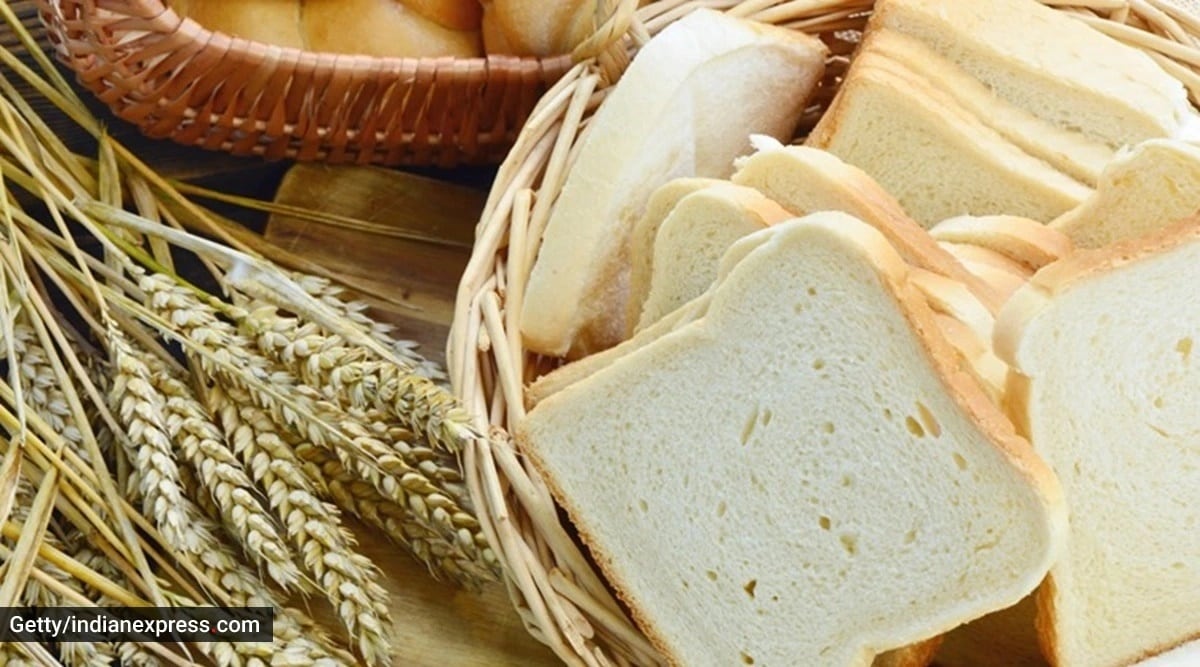
As bodybuilder chokes on bread and dies while working out, experts share important tips on pre, during, and post-workout nutrition The bodybuilder reportedly ate bread (Source: Getty Images/Thinkstock)

Dr Anurag Saxena, HOD- internal medicine, Primus Super Speciality Hospital agreed and said that it may occur owing to the throat losing moisture while working out or running due to evaporation. “A lack of saliva contributes to difficulty in swallowing hard solid foods. Therefore, it is best to avoid eating foods that are hard to chew and swallow as they may lodge in the throat and lead to choking. Another thing to note is that one should be mindful of the morsel size and not eat hastily. People with conditions such as dysphagia should especially be cautious about consuming large bites of solid foods,” Dr Saxena told indianexpress.com.

According to the experts, nutrition-packed smoothies or other liquids, based on the recommendation of one’s fitness trainer or dietician work better.

Follow the Assembly Election Results 2023 Live today as they unfold

How will the results pan out in the 3 Northeast states? Track live here
Will the BJP cross the half-way mark in Tripura? Get real-time updates
With no alliance, who will form govt in Meghalaya? Live Updates here
Is NDPP set for a second term in Nagaland? Find out here

Consuming this variety of bread may help reduce belly fat, says study

Bread is a staple food item in most kitchens across the globe. But did you ever link this common go-to breakfast or snack item with reduced belly fat? Well, according to recent research, whole-grain wheat bread may be linked to a reduction in belly fat or visceral fat obesity. A study published in Plant Foods for Human Nutrition, carried out a randomised controlled trial on 50 Japanese people to investigate the effect of the consumption of bread. “It was investigated whether a diet in which refined wheat bread (RW diet) was substituted by whole grain wheat bread (WW diet) would reduce visceral fat obesity in Japanese subjects,” stated the abstract of the study.

The Body Mass Index of the 50 participants was over the normal 23.5kg per metre square range, and they were divided into two groups. While one group of subjects was asked to consume refined wheat bread, the others had to take whole-grain wheat bread. After 3 months, the scholars found that visceral fat or belly fat had reduced significantly in the whole wheat bread group.

The results, thus, indicated that the consumption of whole wheat bread could be helpful for those watching their weight. “WW diet led to significant and safe reductions in VFA in subjects with BMI greater than or equal to 23 kg/m2. WW diet may contribute to preventing visceral fat obesity,” read the study.

How does whole wheat bread help in the reduction of visceral fat?

Before answering that question, let’s understand what exactly visceral fat is. According to experts, it is the fat that surrounds the internal organs and is linked to an increased risk of health problems like heart disease, diabetes, and certain cancers.

Commenting on the study, Sameena Ansari – Senior Dietitian and Nutritionist, CARE Hospitals, Hi-Tec City, Hyderabad, said, “Soluble fibre, like the one found in whole grain wheat bread, can help reduce visceral fat by binding to bile acids in the gut and preventing their reabsorption. This leads to the liver having to produce more bile acids which, in turn, uses up more cholesterol and ultimately leads to a reduction in overall cholesterol levels. Eating whole-grain wheat bread can also help you avoid highly processed and refined foods, which can contribute to weight gain and increased visceral fat. Whole grains are a good source of fibre, vitamins, and minerals, which are essential for overall health and well-being. In addition, choosing whole grain foods can also help regulate blood sugar levels, which is important for reducing the risk of developing type 2 diabetes”.

Consuming this variety of bread may help reduce belly fat, says study Soluble fibre, like the one found in whole grain wheat bread, can help reduce visceral fat by binding to bile acids in the gut and preventing their reabsorption. (Pic source: Pixabay)

She, however, added that reducing visceral fat requires a combination of healthy habits, including eating a balanced diet that is rich in whole grains, fruits, vegetables, lean proteins, and healthy fats, while also engaging in regular exercise and managing stress levels.

“It’s important to note that simply adding whole grain wheat bread to your diet may not be enough to achieve significant results and that it’s crucial to adopt an overall healthy lifestyle to effectively reduce visceral fat,” she told indianexpress.com.

Not everyone can opt for whole wheat bread

While whole wheat bread can aid weight loss, it might not be advised for everyone. Ansari explained, “People who need a low-fiber or low-carbohydrate diet may need to limit whole wheat bread. While it is by no means an unhealthy food, it may not be compatible with these special diets, especially in large quantities. People with celiac disease or non-celiac gluten sensitivity will also need to keep whole wheat bread off the menu, since wheat contains gluten”.

📣 For more lifestyle news, follow us on Instagram | Twitter | Facebook and don’t miss out on the latest updates!

Does bread have cholesterol? White bread, rye and more

Bread does not generally contain cholesterol, but varieties that include animal products, such as milk and butter, do contain cholesterol. White bread and other types made from refined grains may raise a person’s cholesterol levels.

Bread is a staple food for many different cultures, and there are hundreds of unique types.

Some varieties of bread contain dietary cholesterol, while others may raise LDL, or “bad”, cholesterol levels in the blood. However, studies suggest dietary cholesterol has little effect on blood cholesterol levels.

This article further explains bread and cholesterol, the role of whole grains in managing cholesterol, and how people can follow a healthy diet to lower the risk of heart disease.

The cholesterol content of bread depends on certain factors.

There are two types of cholesterol: one in the blood and another in food, known as dietary cholesterol.

Most bread is made with flour, water, and yeast and contains no cholesterol. But some types are made using animal products with high levels of saturated fats, which often contain cholesterol.

Additionally, bread made from white or refined grains can raise LDL cholesterol levels. We explore this in further detail below.

Saturated and trans fats

Some varieties of bread contain animal products such as milk, butter, or eggs, which contain saturated fat.

According to the Centers for Disease Control and Prevention (CDC), foods higher in saturated fats usually contain lots of cholesterol.

However, dietary cholesterol has little effect on a person’s blood cholesterol. Saturated and trans fats in foods have a greater effect on increasing a person’s cholesterol levels.

Learn more about types of fat.

Below is a table of the approximate cholesterol and saturated fat content of various types of bread.

White bread

White bread contains refined bread flour — a process that removes the bran and germ to give the flour a finer texture.

However, the process also removes essential nutrients such as:

Therefore, manufacturers add in vitamins by “enriching” refined flour but do not replace the fiber.

This lack of fiber means that white bread is less likely to make a person feel full and more likely to overeat. Refined grains, also known as refined carbohydrates, are also digested more quickly by the body, which can raise blood sugar levels.

A person with high blood sugar levels is more likely to have higher LDL cholesterol levels and lower HDL, or good, cholesterol.

Learn more about the difference between LDL and HDL cholesterol.

Types of white bread include:

  • ciabatta
  • white pitta bread
  • white baguettes
  • focaccia
  • white sourdough
  • white wheat tortillas
  • flatbread
  • white sandwich loaf

Whole grain bread contains all the nutrients and fiber from grains, making it a good dietary fiber source.

The CDC states that fiber prevents the body from taking in some fat and cholesterol. This can lower triglyceride levels — another type of fat in the blood — and cholesterol levels and reduce the risk of heart disease.

A 2019 study also found that replacing white bread, which has a high glycemic index (GI) with wholemeal bread, which has a low GI, for breakfast slowed the body’s glycemic response. Research links higher blood sugar levels with high levels of LDL cholesterol.

Types of whole grain bread include those made with the following:

  • whole wheat
  • whole barley
  • brown rice
  • whole grain oats
  • rolled oats
  • sprouted grains
  • whole rye
  • multi whole grains

Learn more about what makes whole grains so healthy.

Here are some answers to common questions about bread and cholesterol.

Does rye bread have cholesterol?

Rye bread does not have dietary cholesterol, as it does not contain butter or other animal products.

Does gluten-free bread have cholesterol?

Gluten-free bread made with animal products, such as milk, butter, or eggs, may contain some cholesterol.

Learn more about the best gluten-free bread.

Bread is a staple of many people’s diets worldwide. While most types of bread do not contain dietary cholesterol, some may include animal products high in saturated fats. Foods that are high in saturated fats are usually high in dietary cholesterol.

However, studies have shown that dietary cholesterol has little effect on blood cholesterol levels. Saturated fat is more likely to increase LDL cholesterol levels in our blood, along with refined carbohydrates such as white bread.

People should try to increase their fiber intake, including eating more whole grain bread types, which can help to lower cholesterol levels. This can reduce a person’s risk of stroke and heart attack.