As bodybuilder chokes on bread and dies while working out, experts share important tips on pre, during, and post-workout nutrition

According to reports, a 21-year-old bodybuilder from Tamil Nadu choked to death after the bread slice he ate during a workout break got stuck in his throat. The deceased, who was preparing for a state-level bodybuilding championship in Cuddalore to compete in the under 70 kgs category, fainted after he could not breathe. He was rushed to a hospital, where doctors declared him dead. The incident took place at around 8 pm on Sunday.

The incident has once again brought focus to the impact of pre, during, and post-workout nutrition and the important things that need to be kept in mind.

Dr Pankaj Ramesh Batra (Batra Hospital and Medical Research Centre) said that the incident could have occurred owing to two possibilities — food went to the windpipe instead of the food pipe, or due to HOCM or Hypertrophic obstructive cardiomyopathy — which is one of the most common underlying disorders that occur during heavy workouts in young people.

“In HOCM, the heart muscle becomes thickened, making it harder for the heart to pump blood. This and can cause sudden death,” said Dr Batra. While an autopsy might be still awaited in the case, the likely cause seems to be HOCM, he added.

Eating too close to a workout or in the middle can cause discomfort, cramping, and even nausea. “As such, it is recommended to eat a meal or snack at least 30 minutes to an hour before working out,” said Dr Shuchin Bajaj, founder director, Ujala Cygnus Group of Hospitals.
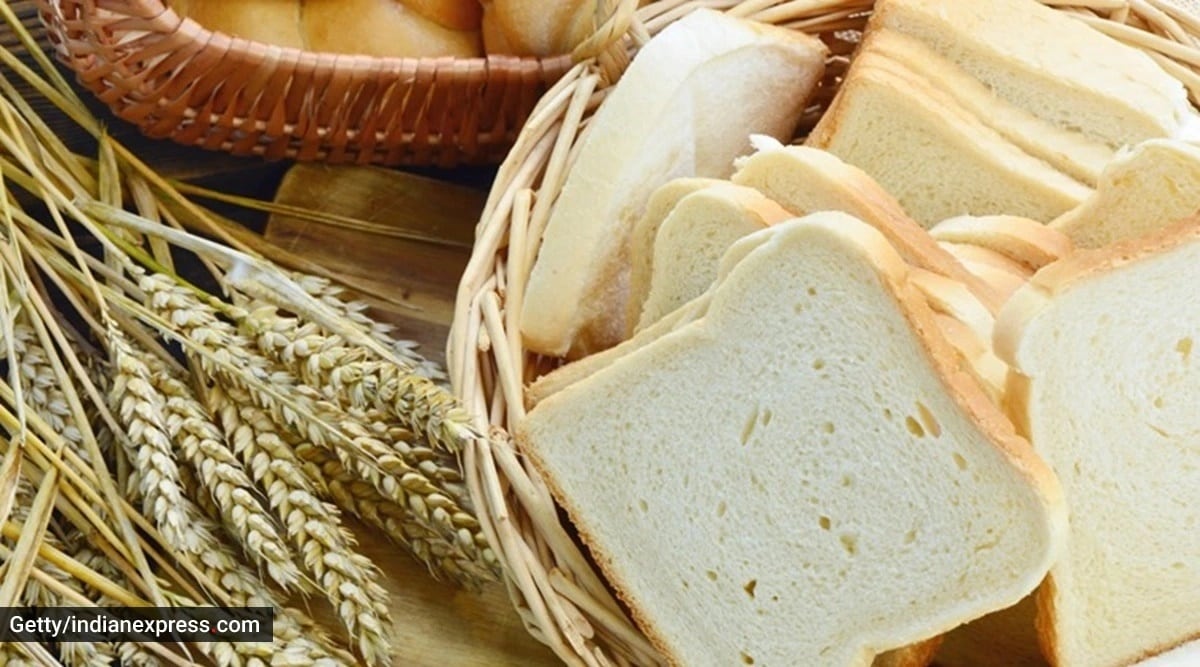
As bodybuilder chokes on bread and dies while working out, experts share important tips on pre, during, and post-workout nutrition The bodybuilder reportedly ate bread (Source: Getty Images/Thinkstock)

Dr Anurag Saxena, HOD- internal medicine, Primus Super Speciality Hospital agreed and said that it may occur owing to the throat losing moisture while working out or running due to evaporation. “A lack of saliva contributes to difficulty in swallowing hard solid foods. Therefore, it is best to avoid eating foods that are hard to chew and swallow as they may lodge in the throat and lead to choking. Another thing to note is that one should be mindful of the morsel size and not eat hastily. People with conditions such as dysphagia should especially be cautious about consuming large bites of solid foods,” Dr Saxena told indianexpress.com.

According to the experts, nutrition-packed smoothies or other liquids, based on the recommendation of one’s fitness trainer or dietician work better.

Follow the Assembly Election Results 2023 Live today as they unfold

How will the results pan out in the 3 Northeast states? Track live here
Will the BJP cross the half-way mark in Tripura? Get real-time updates
With no alliance, who will form govt in Meghalaya? Live Updates here
Is NDPP set for a second term in Nagaland? Find out here

Tips to optimise your post-workout meal to make most of your gym session

Heading to the gym for a good workout session? While you may have your goals set on the workout planned, are you aware of the other elements playing a role in this fitness journey of yours, with food playing a key one? Working out and eating right together help in shaping a healthier version of yourself. Pre and post-workout meals need to be planned wisely so that you get the optimum benefit of your calorie-burning effort. In this article, the focus is on eating the correct nutrients after a workout and how you can perk up your post-workout meal.

Why you may feel hungry after a gym session?

To help you consume the right nutrients after a workout, let us first understand why you feel hungry after an enriching gym session.

post-workout meal
Tips to optimise your post-workout meal. Image courtesy: Adobe stock
  • Endurance exercises consume the glycogen that is stored in the muscles and reduction can make you feel hungry.
  • ‘Hunger hormones’ or Ghrelin are released while exercising, which can make you hungry.
  • Exercising also results in the dispensation of endorphins that makes you prone to hunger as your body is calm and stress-free.
  • While exercising, your energy disbursement spikes up, leading to hunger. So, if you work out on an empty stomach, you feel hungry as the body searches for substitute energy to replace the calories burnt during a workout.

How post-workout meal helps?

Carbohydrates after your workout help restores the glycogen stored in the muscles. Also, a post-workout meal helps in reducing muscle protein breakdown that is a result of the exercises. So, proteins after your workout help in repairing and rebuilding the tissues that have broken down during exercising and aid in better muscle growth and strength.

Plan your post-workout meal right!

A post-workout meal that maintains the balance of carbohydrates and proteins helps in a wholesome recovery that also succours your performance in future workouts.

To optimise your post-workout meal, a good rule of thumb to follow is to eat in the proportion that for every 1 gm of protein, you eat 4 grams of carbohydrates. Also, including food rich in healthy fats, vitamins, minerals, and antioxidant-rich foods as post-workout meals will help in reducing muscle cramps and inflammation.

It’s advisable to eat whole foods which help in easy digestion and are nutrient-dense like fruits, vegetables, whole grains, lean proteins, and healthy fats. With these foods, the body is provided with nutrients that help it recover and become stronger. Some of the good post-workout meals include egg omelette with avocado, rolled oats meal with banana, almonds, whey protein, cottage cheese, quinoa with sweet potato, Greek yogurt, granola, etc.

While a post-workout meal is important, what is equally vital is the timing of the post-workout meal. Your body absorbs most nutrients immediately after exercising. So, ideally, a post-workout meal should be eaten within 30 minutes to an hour after your workout.

post-workout meal
Tips to optimise your post-workout meal. Image courtesy: Adobe stock

What not to eat post-workout?

While it’s a must to eat post-workout meals, there are some foods that are a big NO after working out as consumption of these foods will lead to the loss of the essence of a workout in the first place. These include:

  • Foods high in fats as these slow down the nutrition absorption process thus delaying recovery
  • Processed foods as they are preservative-laden and have a heavy amount of sugar
  • Alcohol as they dehydrate the body

Conclusion

Finally, always remember that it’s completely normal to be hungry after a good gym session. What is important is you eat in half an hour to one hour of you exercising and eat a balanced meal that will aid in restocking the glycogen, repair the muscle tissues and give the body the right nutrients for it to recover properly. Also, stay hydrated by drinking enough water before, during, and after your workout.