Senators ponder more federal actions on health care cybersecurity

While there are experts and resources available, health care systems across the nation could use more help from the federal government to strengthen their computer networks against malicious attacks.

The U.S. Senate Committee on Homeland Security & Governmental Affairs joined the public discourse over health care cybersecurity – and the urgency of threats – on March 16. The hearing, titled “In Need of a Checkup: Examining the Cybersecurity Risks to the Healthcare Sector,” included testimony from four industry experts.

They did not suggest an easy, quick, one-size-fits-all solution to bolster protections for the computer networks physicians, clinicians, and support staff use to record patient information.

But the four panelists described the nature of the problem and why health care information is so valuable to online thieves who can sell the data, hold it for ransom, or threaten disclosure to patients. There are security measures health care workers and their supporters in government can do right now, and possible solutions that could help in the future.

Speaking to senators

The witnesses included:

  • Scott Dresen, senior vice president for information security and chief information security officer for Corewell Health
  • Kate Pierce, senior virtual information security officer for Fortified Health Security
  • Greg Garcia, executive director for cybersecurity for the Healthcare and Public Health Sector Coordinating Council
  • Stirling Martin, senior vice president and chief privacy and security officer for Epic Systems

Size matters

Large health care systems have dedicated staff who can monitor the computer networks, sometimes 24 hours a day. The experts agreed small and medium-sized health care systems don’t have enough workers to do the same.

What’s more, if an urban hospital has to shut down systems due to a cyberattack, patients usually have other nearby options to seek care. That’s not the case in rural areas, Pierce said.

“The impact on our rural communities during an attack is hard to overstate,” Pierce said. “The impact on patient safety is easy to comprehend. Delays in care can directly contribute to negative outcomes for many high-risk conditions. Facilities that continue to treat patients are challenged to provide high levels of patient care without access to patient information, safety alerts, delays in results, and other key tools.”

She suggested at least four changes that could help:

  • Create minimum, reasonable, achievable standards for cybersecurity, instead of recommendation that by necessity lag when physicians and staff must prioritize patient care.
  • Make money available, especially for small and rural hospitals.
  • The government needs better coordination of its cybersecurity efforts.
  • An emergency cyber disaster relief program would help small and rural hospitals recover more quickly from attacks.

Collaboration can help

Dresen offered two examples of collaboration and training new workers to strengthen cybersecurity.

The Michigan Health Care Cybersecurity Council convened health care organizations 10 years ago under the governor’s sponsorship to share best practices.

“It connected large systems with small systems so that you gave that connectivity and access to expertise to everybody in the state to help improve the state of the healthcare sector overall,” Dresen said. The West Michigan Center for Arts and Technology, which Peters visited last year, also offers free computer training and certifications for students to provide new talent in the health care sector, Dresen said.

Resources available

There are at least two publicly available resources for health care leaders and information technology professionals to use in developing cybersecurity plans, Garcia said.

In the Cybersecurity Information Sharing Act of 2015 Congress directed the U.S. Department of Health and Human Services (HHS), with other agencies, to develop a series of cybersecurity best practices for health systems. That work is known as the 405(d) program for the section of law, and as the Health Industry Cybersecurity Practice: Managing Threat and Protecting Patients, with 10 best practices to protect health care computer networks. An updated set of best practices is due soon this year, Garcia said.

“So this is this is partnership at its at its best, where there is consensus about what health systems need to do in cybersecurity, some of the basic blocking and tackling, not necessarily expensive, no high investment level,” Garcia said. “But some of the foundational elements of good cybersecurity practices.”

The Healthcare and Public Health Sector Critical Infrastructure Security and Resilience Partnership, an industry partner with HHS, also offers free resources to enhance cybersecurity, Garcia said.

Standards are needed

Martin agreed there is no shortage of recommendations and guidance, but taking stock of those resources and deciding what to do is another thing. He agreed a key thing is for the federal government to establish minimum thresholds for security best practices, and those thresholds must change over time.

He agreed with Pierce that, whether large or small, health care organizations are balancing lots of different competing priorities. “Trying to balance all of those different competing priorities is incredibly challenging and having that minimum target to shoot for will help make sure everyone is marching towards that target, and ultimately raise the security posture of everyone in the community,” Martin said.

The witnesses’ opening testimony is posted online. After those statements, they answered questions by Peters and committee members Sen. Kyrsten Sinema, I-Arizona; Sen. Thomas R. Carper, D-Delaware; Sen. Margaret Hassan, D-New Hampshire; Sen. Jacky Rosen, D-Nevada; Sen. Alex Padilla, D-California; Sen. Josh Hawley, R-Missouri; Sen. Richard Blumenthal, D-Connecticut. The full Committee hearing is available online.

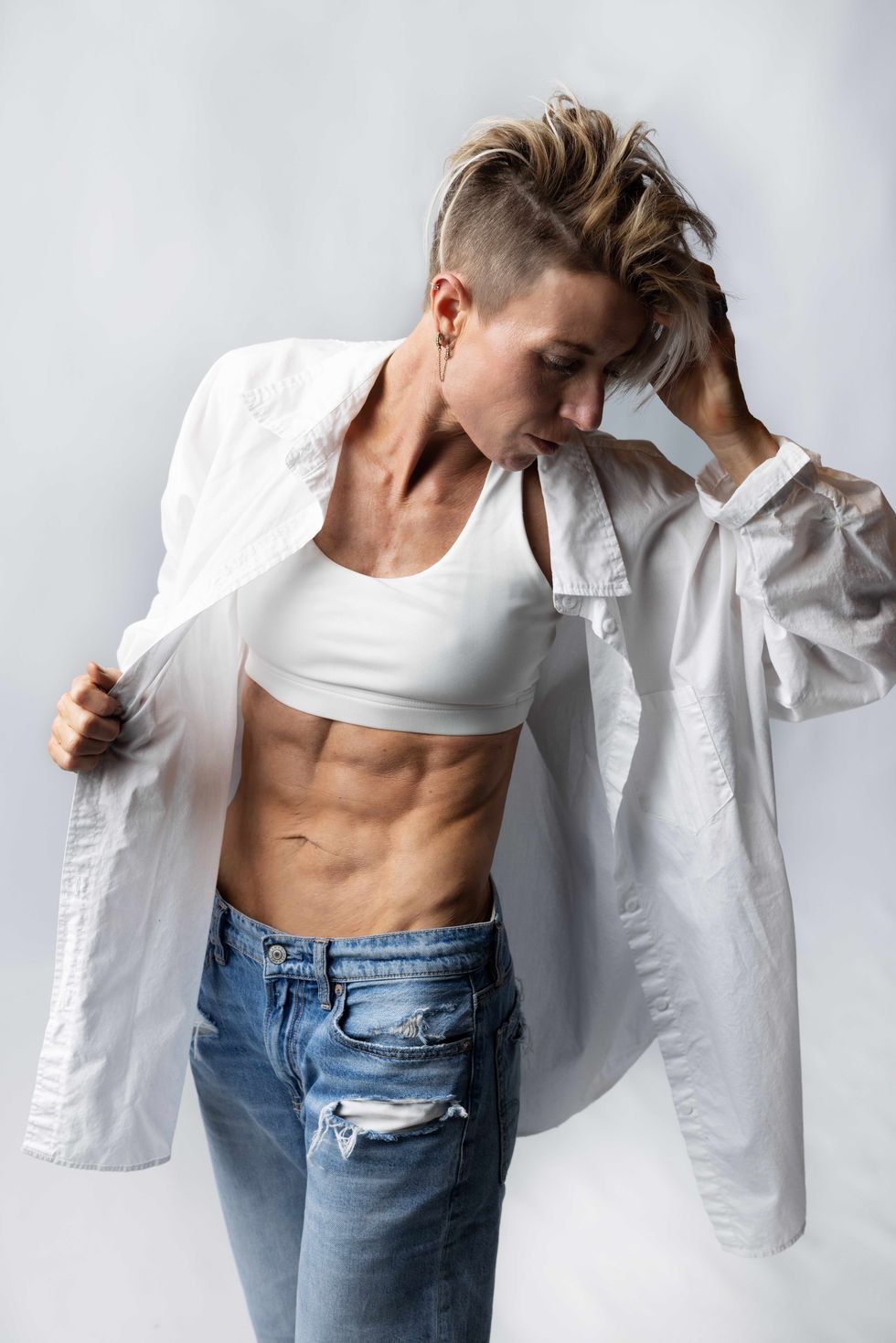
How Fitness Trainer Erin Oprea Changed Her Body Composition At 44

After a lifetime dedicated to fitness—27 years of personal training, nine years in the Marine Corps, and two years in Iraq—I never thought my personal strength transformation journey would start at 45.

I started personal training at 18 years old (I am a Nashville-based celebrity personal trainer and founder of Pretty Muscles fitness app), and my fitness philosophy has been pretty simple: Learn to live a healthy, balanced lifestyle that you can maintain forever. Health is not a crash course. You can learn to love life while working on creating the best you. Slow and steady wins the race.

I’ve always stayed steady. I’ve never competed in fitness competitions. I never had a goal to change my own body—that is, until a series of injuries led me to start a big strength transformation journey.


How Fitness Trainer Erin Oprea Changed Her Body Composition At 44

In November 2020, I had surgery on my left heel pad, which had suddenly separated down the middle on my foot with no explanation.

It was horrible. To treat it, I went to stem cell therapy and did three platelet-rich plasma (PRP) therapy sessions. Fat was injected into the heel pad to help, as well. Then, in June 2021, I tore my ACL for the third time. In September of the same year, I tore my ACL while rehabbing from my earlier surgery. However, this time I also broke my knee cap in two. I was going from surgery, to surgery, to surgery. (Plus, I also had a boob lift!)

For about a year, my many injuries meant I had done no cardio. I was still weight training six days a week, but I was also going through perimenopause (the phase before menopause as your body starts to transition)—so my body was going through a lot. But I didn’t decide to make a big change until I was spurred by a question my son, Hunter, asked me one night. It was a question that would jump start my personal strength journey, challenging me to build lean, strong muscle and get back to where I was pre-injury.

My son asked me a simple question: whether I wanted to run a half marathon with him. I knew I couldn’t live with an answer of “no.”

After four ACL tears, a broken knee cap, and pins in my knee, I was told I would never run again. I was in physical therapy (and probably always will be) when I decided to start my journey. My 22-year-old son came to me in late June 2022 and asked if I wanted to run a half marathon with him, I said, “Man, I can’t run anymore. I’m out.”

But later that night, I couldn’t stop thinking about how I had told him, “I can’t run.” I used to be a runner, I used to do marathons. Running had always been a huge part of my life.

I have never been a big scale person and prefer to focus on how I look and feel, but I wanted to be able to run that half marathon with my son, I wanted to get back to where I was before, and I wanted to get stronger and leaner too.

So, the next morning I got up, and I got on a treadmill. “Let’s just see if I can’t run,” I said. I told myself I’d run three-fourths of a mile and just see how it felt. I finished that short jog, and I felt amazing.

I kept things slow and steady but didn’t give up.

I took a day off before attempting to run a full mile. Then, I ran 1.5 miles, then two miles…I told myself, “If I can hit seven miles and still feel good, then I’m going to do the half marathon.”

Once I realized I could conquer these shorter runs, I was on a mission. To prepare, I built up to running six to 10-mile runs, five days per week while continuing my strength training 6 days a week. I wasn’t running for time, I was running for distance.

In October of 2022, I ran my first half marathon in years.

After I accomplished my race, I wanted a new goal to zero in on. So I started a strength journey, where I also adjusted my diet to shift my body composition.

That meant, for me personally, going from an average of about 3,000 calories per day to between 2,000 and 2,100 calories—but I still made sure I had *plenty* of fuel for my workouts. (USDA guidelines recommended a range for women between 1,600 and 2,400 calories per day). I also cut my starch intake by half. (Work with a nutritionist to figure out a calorie consumption that fits your needs.)

While I don’t use anything specific to track what I’m eating, I eat the same thing pretty much 99.9 percent of the time. Breakfast, lunch, dinner—everything is exactly the same.

Pre-breakfast:

  • 20-30 ounces of water
  • AG1 supplement powder
  • Black coffee with almond milk, cinnamon, and 2 scoops of collagen
  • 1/2 peanut butter protein bar.

Breakfast:

  • Crockpot steel cut oats made with water, and topped with blueberries, strawberries and cinnamon
  • 6 egg whites

Morning snack:

  • Chocolate protein shake with water and PB2

Lunch:

Afternoon snack:

  • Veggies (peppers, mushrooms, broccoli)
  • Jalapeño honey hummus

Dinner:

  • Sweet Green Kale Mix
  • Poppyseed dressing
  • Walnuts
  • ½ pound ground turkey

Late-night snack:

  • ¼ pound ground turkey with coconut aminos
erin oprea

Erin Oprea has been on a body transformation journey.

CARLA LYNN
PHOTOGRAPHY

Since I’ve leaned out, my muscles aren’t necessarily bigger, but you can see them in a more defined way. And I can run like a MOFO—that’s what I’m really proud of.

I’m seeing results in my running time. I’ve decreased my mileage, and either run three to four miles a day, or I do 30 to 45 minutes of jump rope. Now, my goal is to get my speed back and to hit my Marine Corp running time.

I test myself every week, and last week, I hit 21 minutes and 20 seconds during a three-mile run. For context, when I first started running again, I was doing three miles in 29 minutes— I’m really proud of how far I’ve come already! My goal is 20 minutes and 15 to 20 seconds, so I’m getting there.

Living a very structured life has helped me hit my goals.

Everything is on a schedule, and I love it. I stay super active throughout the day, from 4 am until bedtime (which is usually around 8:30 p.m., but lately has been closer to 10 p.m.). I usually fit in 20,000 to 25,000 steps each day. I’ve also always been big on stretching and foam rolling, and I always use my Theragun.

For fun, my husband and I go dancing from 4 p.m. to 6 p.m. on Saturdays. One of my favorite DJs plays at a bar on Broadway, and we’re home before it’s dark.

My strength transformation helped with my health and perimenopause journey.

The coolest thing about my transformation has been the impact on my perimenopause journey. I used to have massive, puke-inducing cramps. But three months into my journey, I recognized that I was getting regular periods without side effects, which is amazing. I have had zero boob soreness and zero cramps.

I’ve also noticed reduced inflammation. I’ve struggled with tendonitis in both elbows–sometimes I can’t even hold my phone because my elbows hurt so badly. I credit this with cutting down on starches and being more disciplined about my food sensitivities like yeast (which I had tested). My body just feels good. In fact, my joints feel better now than they did when I was 30.

This content is imported from poll. You may be able to find the same content in another format, or you may be able to find more information, at their web site.

Moving forward, I’d like to maintain where I am—I feel like a million bucks right now.

My energy levels are high—and everything is great. I’ve even rediscovered my love of rollerblading!

I want other women to realize that if you want it badly enough, you can do it. And at *any* age. People are quick to find excuses and then they don’t get results. Is it easy? No. But is it worth it? Absolutely.

Struggling with voice loss due to SMA | New medical equipment reminds me of the harsh reality of SMA

As this writer’s voice grows weaker, she struggles with the loss of another ability

Struggling with voice loss due to SMA | New medical equipment reminds me of the harsh reality of SMA

“OK, SMA. You win,” I thought after signing off from a virtual meeting.

I didn’t know how it was possible to feel so defeated yet relieved about finding a solution for one of my recent health woes. But there I was, staring up at my ceiling and arguing with my intrusive thoughts about why this was supposed to be a good thing.

Allow me to explain.

A few weeks ago, I lost my voice. In the past year, my ability to speak has declined due to general disease progression. But since getting my NJ feeding tube, it has become increasingly difficult. I either squeak my way through a conversation sounding like a dying mouse, or my voice sounds completely normal. There’s no in between, and it’s indescribably frustrating, to say the least.

However, more recently, my voice went entirely. Though it’s difficult to determine the exact cause of this, it is likely the result of irritation and swelling from my frequent NJ tube changes. For a week, I battled between staying much quieter and continuing to strain my voice, because speaking is my main form of communicating my needs. I knew there was a simple solution all along — I just didn’t want to face it.

Recommended Reading

stillness, friends, Disability Visibility, kidney stone, funcle, wonder, balance, change, adventures, X-Men, digestive problems, kevin smith, coronavirus, isolation, toys

Confronting reality

I struggled with my voice for a week before conceding the fact that I needed to find a way to make my voice heard. And all week, I was fully aware that there was a voice amplifier on my desk — a viable solution that would have saved me a lot of frustration and strain.

I bought the amplifier last summer for outdoor gatherings and used it a few times in group settings. There are many external noises outside, and using it allowed me to participate in conversations without having to repeat myself multiple times. Truly, it was a great find. It also left many people wondering why I didn’t use it every time I had company, regardless of whether we were indoors or outdoors.

The short answer is that I am one stubborn person. But the long, more complicated explanation is that I don’t like using medical equipment unless I have no other choice. It feels embarrassing to write this, only because I know how foolish it sounds, but my skewed way of thinking tells me that getting new equipment means SMA is winning. It means one less ability I can perform independently. I’ve been trying to break this vicious thought cycle for a long time.

It might not make sense to most people. In fact, it doesn’t make sense to me sometimes. After all, medical equipment is supposed to help me. It’s supposed to make my life easier. I love my wheelchair and BiPAP machine, two tools I use every single day. So why am I open to some and not others?

This is a question I’m still exploring, but I suspect it comes down to finding acceptance. I don’t want my voice to get weaker. I want to be able to talk at the same decibel I always have. Sure, my voice has always been weak. But after managing so well for so many years, I don’t want to adapt to new equipment. I don’t want to admit I’m weaker. I don’t want to accept my new reality.

Even though muscle weakness is the name of the game with SMA, losing abilities still stings. Having to use new equipment still reminds me of what I’ve lost.

While I don’t know if my strained voice is permanent, using my voice amplifier during my meeting (and thereafter) was a stark reminder of what my future might hold. Yes, it was the answer to my problem, and I’m thankful to have solutions that improve my quality of life. But it doesn’t take away from the harsh reality that comes with living with a progressive neuromuscular disease.


Note: SMA News Today is strictly a news and information website about the disease. It does not provide medical advice, diagnosis, or treatment. This content is not intended to be a substitute for professional medical advice, diagnosis, or treatment. Always seek the advice of your physician or other qualified health provider with any questions you may have regarding a medical condition. Never disregard professional medical advice or delay in seeking it because of something you have read on this website. The opinions expressed in this column are not those of SMA News Today or its parent company, BioNews, and are intended to spark discussion about issues pertaining to spinal muscular atrophy.

I’m a Longevity Doctor. Here Are My 7 Healthy Habits To Live Longer

Living a long, healthy life may seem like it requires winning a genetic lottery, but there’s so much more under your control than you realize.

Only 25{bf0515afdcaddba073662ceb89fbb62b6b1bf123143c0e06b788e1946e8c353f} of our probability of living a longer life is due to inherited genes, while 75{bf0515afdcaddba073662ceb89fbb62b6b1bf123143c0e06b788e1946e8c353f} is due to environmental factors, says Dr. Luigi Fontana, professor of medicine and nutrition, and director of the healthy longevity research program at The University of Sydney in Australia.

“So the idea that your genes are the most important factor in shaping your longevity is wrong,” Fontana tells TODAY.com.

“In 2023, we have the knowledge to design a fantastic world where people are healthy. The probability of getting sick is still there because biology is not an exact science, but the risk is very low if you are living a healthy lifestyle.”

Fontana outlines some of the ways to activate the body’s longevity pathways in his new book, “Manual of Healthy Longevity & Wellbeing.”

The goal is to prevent age-related chronic diseases like heart disease. As people get older, they accumulate damage because the systems controlling the body’s ability to repair itself are getting weaker — but certain lifestyle choices can slow down this process, Fontana notes.

He believes up to 95{bf0515afdcaddba073662ceb89fbb62b6b1bf123143c0e06b788e1946e8c353f} of cardiovascular disease and 70{bf0515afdcaddba073662ceb89fbb62b6b1bf123143c0e06b788e1946e8c353f} of cancer cases are preventable based on his studies on exercise, calorie restriction and high-quality diets.

But Fontana worries prevention isn’t even taught in medical schools, with doctors focusing on diagnosing diseases and treating them mostly with drugs and surgery.

Here are some of the habits the longevity expert recommends for a longer life:

Monitor your waist size and keep it in check

This is even more important than keeping track of your weight because every extra inch in your waistline means an accumulation of belly fat, the worst type of body fat, Fontana says.

Known as visceral fat, it promotes inflammation, which is a major factor for aging, cancer, cardiovascular disease and many other chronic diseases, he warns.

Excess abdominal fat also triggers insulin resistance and metabolic abnormalities, he adds.

“Every centimeter you lose, you are reducing all these factors,” Fontana notes. “It’s doable with exercise and a healthy diet.”

He advises women to have a waist measurement of less than 31.5 inches and men less than 37 inches.

It’s still important to monitor for weight gain and deal with it quickly. But weight is not the best measure because ideally you want to reduce waist circumference while increasing muscle mass, especially in the legs and glutes — the most powerful muscles in the body, Fontana says.

I’m a Longevity Doctor. Here Are My 7 Healthy Habits To Live Longer

Don’t eat ‘everything in moderation’

“People say, ‘Nothing is bad. You can eat some of everything.’ I disagree. It’s like saying, ‘I can have a couple of cigarettes in moderation,’” Fontana cautions.

“Everything in moderation” is not a dietary rule you should follow for maximum longevity, he writes in his book. Remove as much junk food, ultra-processed food, refined grains and sugary drinks from your diet as possible. There is no moderation with these foods.

Eat beans every day

Fontana follows the Mediterranean diet as the basis for his healthy longevity eating plan.

Along with beans, Fontana’s food pyramid calls for eating a wide variety of colorful vegetables, whole grains, nuts, seeds, fruits, low-fat yogurt, olive oil and avocado every day.

He recommends eating fish two to three times a week, and enjoying small portions of cheese and a few eggs once or twice a week.

Meats or sweets should only be eaten occasionally.

Fontana always buys organic produce when he can to minimize his exposure to pesticides. “But if you tell me, ‘I cannot afford organic. What should I do?’ (I say) eat as many vegetables, whole grains and beans as you can, even if they’re not organic.”

He doesn’t take any supplements since he gets his nutrients from high quality food. The only exception was a daily vitamin D supplement in the winter when he lived in the U.S. to make up for the lack of sunshine.

Consider exercise the wonder drug for healthy longevity

Humans and their molecular pathways have evolved over thousands of years with a lot of exercise — walking everywhere, carrying wood, getting water from the well — so the modern sedentary lifestyle is not natural, Fontana warns.

He exercises every day, alternating mountain biking with swimming and weight lifting. An hour of aerobic exercise every day is ideal, but shorter bouts spread throughout the day can provide benefits, he writes in his book.

Exercise reduces triglycerides and LDL “bad” cholesterol, and increases HDL “good” cholesterol, Fontana notes. It reduces blood pressure and has been shown to improve insulin sensitivity.

When you exercise, you increase mitochondria — the “energy powerhouse of the cell” — in your muscle. Mitochondria are essential to burn fat, so you not only you build muscle mass, but burn more calories.

Exercise also increases brain-derived neurotrophic factor (BDNF), which is important for memory and is a powerful antidepressant molecule, Fontana says.

Go easy on the alcohol

Fontana doesn’t drink any alcohol. Studies suggest it’s not good for longevity and even small doses increase the risk of cancer, he notes.

“There is no evidence that resveratrol in wine is going to make you live longer,” he says.

“If you enjoy your beer and your glass of wine, that’s fine. But you should drink these occasionally… use it as a treat, not as a regular daily use.”

Give your body a break from eating

When you eat, the calories get transformed into glucose, which activates the production of insulin.

Between snacks and bigger meals, people end up being in a constant high-insulin environment for many hours of the day. That’s not normal physiologically and triggers pro-aging pathways, Fontana says.

Try to eat your calories within a restricted window, perhaps 10 hours, so that for the remaining hours of the day, your insulin and your glucose are low, he advises.

It’s OK to be a little hungry. It means the body is secreting the hunger hormone ghrelin, which inhibits inflammation.

“If you feel some hunger, don’t run immediately to eat something. If you can, just wait because you know you are activating this anti-inflammatory pathway,” Fontana says.

Think of your body as a Ferrari

Even a beautiful new sports car will develop problems if you don’t maintain it. But if you know how to take care of it, the car will last a long time.

It’s the same with your body, though maintenance in this case means a healthy diet and regular exercise.

“People say, ‘Who cares? I want to enjoy my life. I want to drink my wine. I want to stay on the couch eating chips,’” Fontana notes.

“Yes, you can drive your Ferrari without changing the oil. It’s up to you. But you need to know that your Ferrari will start to have problems.”

5 foods a longevity expert eats each day to stay young

Doctor and longevity expert Dr. Mark Hyman swears by these five foods to age well, live longer, and reduce the risk of chronic disease. 

The 63-year-old with over 286,000 TikTok followers says he is biologically 20 years younger thanks to his daily routine and eating habits. His recent best-selling book Young Forever: The Secrets to Living Your Longest, Healthiest Life promotes the idea that people have some control over the rate at which they age and, therefore, the quality of their later years.

Exercise, nutrition, managing stress, and socialization are all associated with aging well and reducing the risk for chronic conditions that lead to early mortality—although genetics undoubtedly still plays a role. 

These are the five foods Hyman eats daily to “ensure my health and to make sure I live a long and healthy life,” he says in a recent TikTok. 

In short, these foods “are medicine,” the aging expert says. 

Cruciferous vegetables 

Cruciferous vegetables—broccoli, brussels sprouts, kale, and cabbage—are rich in phytonutrients crucial for reducing inflammation and the risk of cancer. They also contain magnesium, folate, and fiber to help with digestion.  

“All that stuff contains compounds that activate the cellular detoxification pathways that optimize your mineral status,” Hyman says in the TikTok. 

Hyman eats a cup or two of these vegetables each day. 

Olive oil

The cornerstone of the Mediterranean diet is cooking with olive oil, and Hyman says he prioritizes extra virgin olive oil each day. The healthy fat contains antioxidants touted for reducing the risk of chronic health conditions and heart disease. 

Olive oil can also combat oxidative stress, which harms brain health and can trigger neurodegenerative diseases.  

“Good fats are good for you,” Hyman says. “You need to make sure you get lots of good fats, and olive oil is a great way to do it.”

Nuts 

Nuts, including cashews, almonds, and walnuts, have been associated with a reduced risk for diabetes, improving health and life span, Hyman says. They are rich in fiber, making people feel fuller and stay energized for longer.  

Dan Buettner, the founder of Blue Zones LLC, also found nuts as a key to longevity in his research centered around the diets of those living the longest—and says to eat a daily handful.

Berries

Berries contain a large number of antioxidants and phytochemicals, which can “activate longevity pathways,” Hyman says. They can also keep the gut healthy, fight inflammation, and, therefore, reduce the risk for heart disease and other life-threatening chronic conditions. 

Try a handful of blueberries or blackberries in a morning smoothie or as a pick-me-up snack.  

Green tea 

While tea isn’t technically a food, it is still a key part of Hyman’s day. Beyond the calming feeling of a warm cup of tea, the beverage can reduce oxidative stress. Green tea contains catechins, antioxidants that can protect the brain from disease and help people age well.

When Hyman was in Icaria, Greece, one of the globe’s Blue Zones, he observed the community frequently indulging in wild sage tea, he adds. 

COVID and kids’ mental health: Financial hardship took a big toll

It’s well-known that COVID-19 protocols caused financial hardship — particularly among lower- and middle-class families — and now a new study highlights the toll those struggles took on children’s mental health.

A new study led by researchers from Columbia University and Weill Cornell Medicine, both in New York, suggests that family economic hardship was the biggest driver of “stress, sadness and COVID-related worry” among kids.

The study, published in the JAMA Network, also suggested that COVID-related school closures did not have an impact on kids’ mental health.

AS EMERGENCY ROOMS SEE MORE OF AMERICA’S MENTALLY ILL KIDS, NEW STUDY PINPOINTS ISSUES

Researchers analyzed data from the Adolescent Brain Cognitive Development Study, which was funded by the National Institutes of Health. That study surveyed 6,030 children between 10 and 13 years old in 21 U.S. cities between 2020 and 2021. 

It also gathered data from kids and their guardians about their experiences during the pandemic, including job loss, remote schooling and COVID-related policies. 

Additionally, it included questions about the link between sleep and mental health.

COVID and kids’ mental health: Financial hardship took a big toll

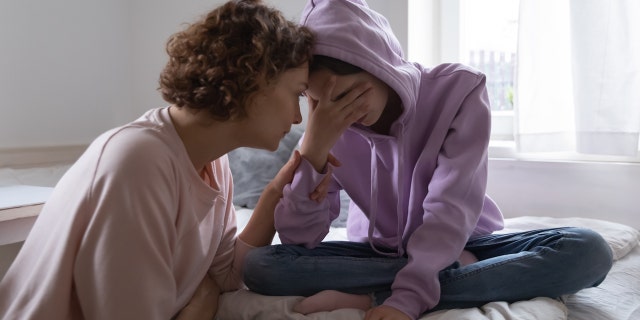
A new study suggests that family economic hardship was the biggest driver of “stress, sadness and COVID-19-related worry” among kids during the lockdowns.  (iStock)

Dr. Michael Roeske, a licensed clinical psychologist and senior director of the Newport Healthcare Center, which is headquartered in California, was not involved in the study but said he was not surprised that financial struggles impacted kids’ mental health. 

COVID-19 SHOCKER: PARENTS LIED ABOUT THEIR KIDS’ SICKNESS STATUS AND BROKE QUARANTINE RULES, STUDY FINDS

“Kids are often highly attuned to stress in the home,” he told Fox News Digital in an email. 

“If there were feelings of uncertainty and concern, which almost certainly comes from loss of a job or reductions in income, it would undoubtedly impact them. If the parents are overly stressed or scared themselves, kids may no longer feel safe in the home. This can be devastating developmentally.”

“If parents are overly stressed or scared themselves, kids may no longer feel safe in the home.”

And in even more dire cases, kids may become worried about basic necessities and housing, he added.

Dr. Roeske said he is seeing the effects of the pandemic firsthand via Newport Healthcare, which operates a series of mental health treatment centers across the country. 

“We’re counseling more kids struggling with depression, anxiety and suicidality than we saw previously,” he said.

Study suggests school closures had no mental health impact

While other studies have found that school closures did indeed cause a spike in children’s mental health struggles, this research did not identify any such link.

PARENTS, STUDENTS ON THE IMPACT OF SCHOOL CLOSURES THREE YEARS LATER

Dr. Yunyu Xiao, an assistant professor at Weill Cornell Medicine who co-authored the study, offered one possible explanation for what may seem like a surprising lack of impact.

“If children had more protective factors like increased parental care at home during lockdown, that would help with mental health,” she said in an email to Fox News Digital.

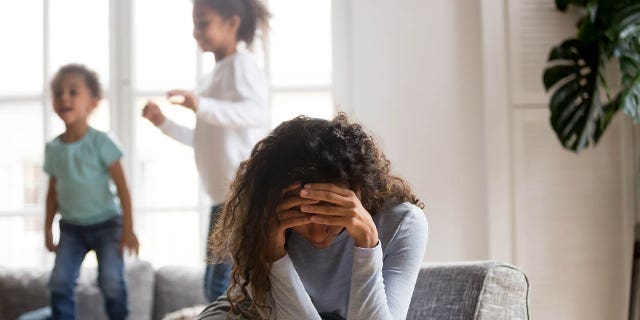
"Kids are often highly attuned to stress in the home," one psychiatrist told Fox News Digital. "If there were feelings of uncertainty and concern, which almost certainly comes from loss of a job or reductions in income, it would undoubtedly impact them."

“Kids are often highly attuned to stress in the home,” one psychiatrist told Fox News Digital. “If there were feelings of uncertainty and concern, which almost certainly comes from loss of a job or reductions in income, it would undoubtedly impact them.” (iStock)

The study didn’t use specific measures of mental health, so it couldn’t speak to severity or whether new disorders emerged, said Dr. Roeske.

“Certainly, it is hard to argue that no association between school closures and children’s mental health existed given the isolation, uncertainty and even added time on devices that occurred as a result,” he said. 

MAJORITY OF COLLEGE STUDENTS SUFFERING FROM MENTAL ILLNESS, ANXIETY AND DEPRESSION ON THE RISE: STUDY

“The disruption of one’s normal routine in such an extreme way alone can cause anxiety and symptoms of depression.”

Communication, mental health care are key

To protect kids’ mental health during times of hardship, it’s essential to maintain age-appropriate lines of communication, said Roeske, and to carefully consider how much children hear and know about any financial struggles.

KIDS’ SCREEN TIME SKYROCKETED DURING PANDEMIC — AND IT’S STILL HIGHER THAN PRE-COVID

“Know the signs of distress, like changes in behaviors, eating patterns and sleep,” he said. 

“And get your child help if things do not improve or continue to worsen; do not wait for things to get really bad.”

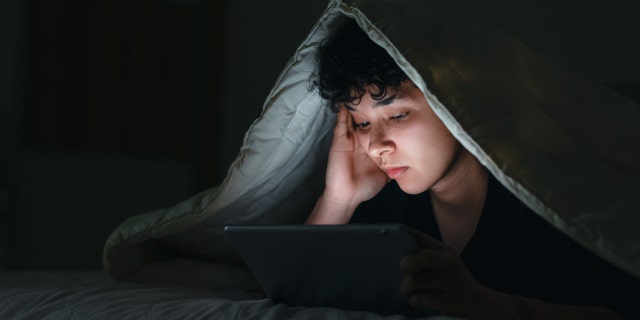
It's important for parents to recognize signs of distress and to know how to get help for their kids.

It’s important for parents to recognize signs of distress and to know how to get help for their kids. (iStock)

Dr. Roeske pointed out that many parents don’t know where to turn for help. 

He cited a recent survey of 1,000 parents of teens ages 13-17 conducted by Wakefield Research for Newport Healthcare. 

The researchers didn’t look at the severity or onset of new psychiatric disorders.

While nearly half of parents (46{bf0515afdcaddba073662ceb89fbb62b6b1bf123143c0e06b788e1946e8c353f}) reported that the pandemic allowed them to see more of their teens’ mental health struggles during quarantine and remote learning, nearly 70{bf0515afdcaddba073662ceb89fbb62b6b1bf123143c0e06b788e1946e8c353f} lacked the knowledge of what to do if their teen were experiencing problems that might require treatment. 

Study had limitations

Because the data was self-reported, Dr. Xiao said there is a chance that responses were biased or inaccurate. Also, the researchers didn’t look at the severity or onset of new psychiatric disorders.

“Future research should incorporate more precise mental health measurements, such as clinical scales, and make use of advanced techniques for more efficient and bias-corrected estimations,” she said.

CLICK HERE TO SIGN UP FOR OUR HEALTH NEWSLETTER

There may also be other disruptive factors, such as COVID-19-related deaths in the family, which could affect mental health, Dr. Xiao also said.

“While our study aimed to correct bias for family financial and school disruptions, it does not imply that no other significant disruptions are present,” she explained.

CLICK HERE TO GET THE FOX NEWS APP

The study also did not have a large enough sample to segment by race, age, gender or family environment.