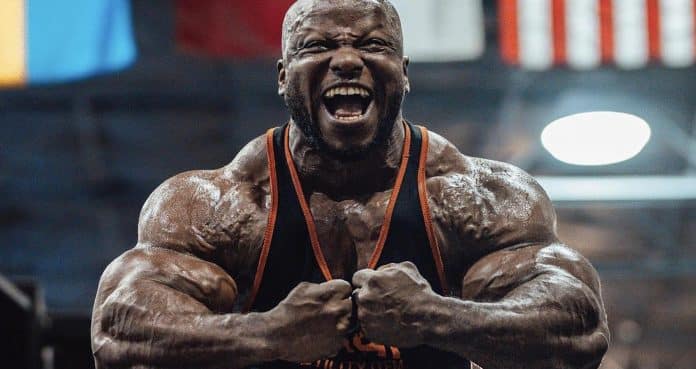

No matter how much you enjoy your regular basketball pick-up game or your Sunday golf outing, you may not have a lot in common with the likes of Luca Doncic or Lydia Ko when it comes to athleticism. There are some aspects, though, where the playing field is level—particularly when it comes to sports recovery.
“Athletes tend to treat their bodies like a finely tuned machine, especially at the highest levels, and recovery is a critical part of keeping the machine running,” says Victoria Lam, general manager of marketing, Active Living at Fonterra (Aukland, New Zealand).
But keeping that machine running is a necessity not only for professional athletes but also for anyone who wants to stay active and healthy.
When is the everyday Joe or Josephine on track with sports heroes? For one thing, the casually engaged as well as active nutrition customers may be taking some of the same products as those professional athletes. For another, they may be experiencing some of the same discomfort.
No Sore Losers, Plenty of Sore Muscles
“Everyone, from professional athletes to everyday exercisers or weekend warriors, experiences the discomfort connected to muscle soreness,” says Shawn Baier, MS, MBA, vice president of business development at TSI Group (Missoula, MT). “The level of muscle soreness will of course be different throughout these groups, but the consumer’s need and want to minimize or eliminate it completely will be there regardless of their activity levels,” he adds.
Soreness is a natural byproduct of physical fitness, but it also becomes a barrier to progress in fitness. Baier explains that quicker muscle recovery allows for more frequent activity.
Eric Meppem, commercial director for Pharmako Biotechnologies (N.S.W., Australia), a sister company of Gencor Pacific (Austin, TX), points out that in competitive or professional sports, “recovery is now intrinsically tied to performance.” He uses rugby as an example, advising that with that type of collision sport, recovery “is paramount, as is recovery from injuries, tendinopathy from repetitive actions, or high workloads.”
Meppem should know. He shares that Pharmako has several professional sporting teams or bodies “who have trialed and regularly use our ingredients, specifically the bioavailable curcumin HydroCurc and its sister product Levagen (palmitoylethanolamide, aka PEA).” Gencor works closely with Pharmako, and the two companies refer to themselves as partners.
On the other hand, the active sports enthusiast is generally dealing with another aspect of recovery, one that professionals may also experience. Meppem calls it the “niggles,” a British and Australian slang term which he explains (in his Australian accent) “are the annoying sore joints or muscles that make exercise less enjoyable, or slow down or reduce our training loads.”
And, he adds, casual athletes or people exercising from a healthy-aging perspective are also interested in preventing niggles.
Rebellion of the Muscles
Awareness is key to recovery, and muscle soreness has its own specific set of complexities. Your muscles will let you know they’re sore after you’ve played tennis or even pulled some weeds while gardening.
But then there’s the problem of not just plain-old regular muscle soreness but of delayed-onset muscle soreness (DOMS), which according to Baier is a discomfort characterized by an inflammatory response to microscopic damage to muscle cells.
“What consumers often don’t realize is that what they are experiencing isn’t regular postworkout muscle soreness,” says Baier, “but instead they are dealing with DOMS.”
Like its name suggests, DOMS usually sets in around 24-48 hours following activities that our muscles aren’t used to, explains Baier. “This can mean hiking after a couple of months, [taking a] new workout class, or simply trying to overcompensate for a sedentary lifestyle on the weekends,” Baier says. In this case, he adds that “we simply want to be able to get back to our lives after a hike, weekend golf tournament, or new Pilates class.”
DOMS can also result from intense physical activity or pushing yourself too hard. Think of DOMS as a rebellious response from your muscles, letting you know they’re not happy with you.
Meppem agrees that recovering from DOMS is critical for athletes of all stripes. “Casual athletes,” he observes, “do want to feel that they’ve trained but don’t want it to negatively affect their everyday life.”
For instance, he claims, “If they’re paying for a personal trainer, they also don’t want two-day DOMS to then negatively affect their next scheduled paid training session.”
Meppem adds that “both HydroCurc and Levagen have published studies showing relief in different ways from DOMS.” Both HydroCurc and Levagen+ use Pharmako’s patented dispersion technology, LipiSperse. In the case of HydroCurc, that technology increases curcumin’s bioavailability and makes it convenient to use in sports nutrition and easy to formulate into existing or novel formats, says Meppem.
Baier says that “professional athletes and everyday gym-goers want to mitigate DOMS to be able to perform well the next day, without experiencing any discomfort.”
He advises that the importance of addressing both muscle soreness and DOMS is obvious. Proper recovery is vital to any physical activity, and he adds that “it’s exciting to see so many brands launching products in this category.”
TSI has its own well-established, branded-ingredient solution, myHMB. Baier notes that beta-hydroxy beta-methylbutyrate (HMB) has been around for decades and “is well respected in the sports nutrition market.” He adds that “while many ingredients simply work to increase muscle protein synthesis, HMB is unique in its dual mechanism of simultaneously increasing muscle protein synthesis while also reducing muscle protein breakdown.”
A recently published study on TSI’s manufactured HMB1 found that supplementation with HMB may help alleviate muscle soreness in athletes. Study participants taking HMB (3 grams per day for 12 nights spread across three meals) saw significant changes in the indicators of muscle injury and significantly better perceived recovery rate compared to placebo.1,2
Specifically, the HMB group experienced significant reductions in creatine kinase index (CK) and lactate dehydrogenase (LDH) index. CK and LDH are released after intense exercise, increasing muscle pain and inflammatory markers as well as decreasing muscle function in individuals.2
Another useful ingredient to combat muscle soreness and promote recovery is OptiMSM, which is a methylsulfonylmethane (MSM) ingredient that carries a Generally Recognized as Safe (GRAS) designation. The ingredient is manufactured by Bergstrom Nutrition, which is now part of the Balchem Corporation’s (Montvale, NJ) Human Nutrition and Health business.
Not surprisingly, Tim Hammond, vice president of sales and marketing at Balchem, has a lot of positive things to say about OptiMSM. For example, he reveals that “MSM enhances recovery by accelerating muscle repair and mitigating pain, muscle damage, and soreness following intense training.”
But he also shares something that may be surprising. MSM, he says, although not a direct antioxidant, reduces oxidative stress and inflammation following exercise. In other words, according to Hammond, “MSM has antioxidant properties,” which he says is a significant distinction for sports nutrition where direct antioxidants can blunt the adaptive response to exercise and subsequent performance gains.
And another thing: “Studies show MSM also bolsters the immune system following exhaustive training,” says Hammond. In a study published in the Journal of Sports Medicine3, results showed that, compared to placebo, 28 days of MSM supplementation was associated with a dampened release of inflammatory molecules following eccentric knee-extension exercise but a robust response from inflammatory molecules when blood was exposed to the bacterial molecule lipopolysaccharide LPS. This is significant because the inflammatory response associated with exercise can prevent our body’s cells from efficiently mounting a defense to additional stimuli. Therefore, MSM may help athletes deal with inflammation in the body following exercise and makes them less vulnerable to contracting diseases.
Trends to Keep Both Eyes on
Rob Tomeo, market research manager at Balchem, advises that “the area of recovery is one of interest in terms of benefits that consumers seek.” That’s understandable, especially when you read Tomeo’s next statement.
“The lines between sports and daily life activities like work and social events that bring stress and need for recovery are blurring,” he says. So, the question becomes: Can sports recovery ingredients be useful for other stressors beyond sports?
Eric Ciappio, PhD, RD, strategic development manager, nutrition science, at Balchem, likes the clear explanation that “recovery is critical to help ensure that you’re ready for the next round of exercise.”
But Ciappio also brings a whole other trend—and growth opportunity—into the conversation when he says this: “It’s sometimes said your muscles don’t grow in the gym; they grow while you’re asleep.”
He continues, “It’s really during our recovery, namely sleep, when the benefits of regular exercise can come to fruition, no matter if you’re a competitive athlete or weekend warrior.”
Like others, he sees sports recovery moving into a broader, holistic approach, one that ties healthy lifestyle habits to good health. For example, according to Ciappio, “Diet plays an important role in a healthy exercise regimen, with multiple benefits, including supporting healthy sleep and performance during exercise.”
And he’s not alone in this approach.
Sports Recovery Shakes Hands with a Holistic Approach
In recent years, the companies behind the sports nutrition category have successfully managed to draw in a more diverse demographic beyond competitive athletes and bodybuilders who were the original core customers.4
That change in customer demographics was created, in part, by an effort to appeal to not only athletes and bodybuilders but also the mom with a weekly tennis match, the yoga enthusiast, and the meditative walkers, to name a few.
That said, the way you formulate products for a target demographic may benefit from some nuance. Katie Emerson, MS, RD, LDN, manager of scientific affairs at Nutrition21 LLC (Saddle Brook, NJ), asserts that “athletes, active nutrition users, and a sedentary person all have different goals with nutrition.”
She explains that the athlete “may focus more on recovery from an intense practice or looking to improve their overall performance on the field, [while] the active nutrition user or gym enthusiast isn’t necessarily looking to compete but still wants to perform well and feel good while doing it.”
Then, the “average on-the-go person,” says Emerson, “may have a different idea in mind for nutrition and recovery in that they want to be healthy for longevity purposes.”
The lesson here for manufacturers and marketers, as Emerson reminds us, is that “nutrition is not a one-size-fits-all approach.”
And there are other lessons about muscle recovery that Emerson is keen to share.
“Muscle recovery requires various strategies that involve rest, proper stretching, hydration, and nutrition,” she says.
“The go-to approach has normally always been to rely on the benefits that protein has to offer in rebuilding muscle after an intense workout or game,” Emerson explains, “However, through new product innovation and creative product formulation, we are seeing that there are other ways to help with muscle recovery.”
“Over time the sports community has learned to utilize other human physiology methods in the recovery phase by looking at vasodilation and nitric oxide production benefits,” Emerson continues. “Increased blood flow can help deliver oxygen and vital nutrients to the muscles which are required in assisting the recovery process.” She adds that this step is important both pre- and postworkout.
Nutrition21’s Nitrosigine, a patented complex of bonded arginine silicate, is one such ingredient. It has been shown to stimulate nitric oxide production, giving improved blood flow to the individual. “It also improves postworkout muscle recovery by reducing markers of muscle damage from exercise,” says Emerson.
Velositol, a patented complex of amylopectin and chromium, is another. According to Emerson, “It pairs with protein, helping to enhance amino acid uptake and stimulate muscle protein synthesis (MPS), which leads to better muscle growth and recovery.”
According to Emerson, a 2021 study “showed that when you pair Velositol with 15 grams of whey protein, the study participants showed greater performance in their 1-rep squat max, the number of squat reps to failure, jump power, and jump height when compared to 15 and 30 grams of whey protein alone.”5
While the athlete may use this supplement more frequently than, say, your average Joe, its advantages are not lost on non-athletes, imparts Emerson.
Emerson believes that “most people benefit from getting more protein in their diet, and while one may focus on fulfilling basic human nutritional needs, the other might want better results with muscle growth and recovery to improve their overall performance.”
She claims, “One is not more important than the other, and it’s essential for products to be versatile for all users and their goals.”
More Emphasis on a Holistic Philosophy
Fonterra’s Lam takes an even broader approach, but certainly a holistic one—and with good reason.
This past September, Fonterra took an important step in implementing its strategy to be a leader in nutrition science and innovation by launching a well-being solution brand, Nutiani.6
According to Lam, “Nutiani is very focused on gaining a deeper understanding of active lifestyle consumers. So, we have undertaken consumer research with elite athletes and coaches [and their] support staff to investigate athletes’ nutritional needs.”
Results from their consumer research found that most consumers (90{bf0515afdcaddba073662ceb89fbb62b6b1bf123143c0e06b788e1946e8c353f}) are adopting a holistic mindset and believe good health involves not just being physically well but looking after all aspects of well-being.7
Lam buckets those aspects into three broad categories: physical well-being, mental well-being, and inner well-being.
Lam explains that “it’s not just about fueling before an intense workout but replenishing energy stores after a workout. For recovery, [this] is equally, if not more, important for our physical well-being, particularly for muscle repair.”
She raises an interesting reminder about athletes, stating that “it’s often said that an athlete’s mental game is as important—if not more—than their physical game.” And then there’s the stress.
She says, “Athletes come under a lot of stress and pressure to perform,” adding that a leisurely game of golf or pickleball for the average consumer has lower stakes than those for competitive athletes.
However, similar to the point raised earlier in this article by Balchem’s Ciappio, Lam asserts that the added stresses of modern-day life such as job pressures, juggling family commitments, and financial concerns could be considered high stress.And as we all know, too much stress can lead to restless nights and weakened immunity.
Although there are important differences between competitive athletes and the active nutrition consumer, says Lam, there are some key similarities.
Lam explains that “nutrition plays a major role in both the physical and mental recovery for athletes and the leisurely player.” She says that one’s diet regimen or balance of macronutrients may be the differentiator. She also believes that nootropics, adaptogens, and nutrients that our brain and nervous system thrive on, (e.g., phospholipids, omega-3s) “are being more recognized by athletes and consumers alike for the impact of the gut-brain axis” on mental well-being.
Nutiani currently has two categories of customizable, science-backed, consumer-tested and market-ready concepts: phospholipids and probiotics.
“Studies indicated that gastrointestinal issues are common across athletes, especially those participating in longer-duration sports activities.” Pre- and probiotics support digestive health, she says, adding that “specific strains of probiotics have been clinically shown to support aspects of mental well-being, such as stress and mood.”
She adds that Nutiani’s phospholipids are clinically shown to support a range of mental well-being health benefits, including staying positive and focused under stress, both things that are imperative for athlete recovery.
Is Sports Recovery Primed to Win?
Today’s consumers are especially attuned to staying active and fit as they age, making for a receptive audience for this holistic approach. According to a 2021 survey report from McKinsey & Company, “consumers care deeply about wellness—and that interest is growing. Seventy-nine percent of the approximately 7,500 respondents in six countries believe wellness is important; 42{bf0515afdcaddba073662ceb89fbb62b6b1bf123143c0e06b788e1946e8c353f} consider it a top priority.”8
The survey also showed that consumers’ view of wellness is broader than it used to be, encompassing six dimensions: health, fitness, nutrition, appearance, sleep, and mindfulness. In short, they’re counting on companies to give them better options.
“Living in the information age means there is ample opportunity for people to learn more about their health through multiple cyber resources,” observes Balchem’s Hammond.
He advises that “being so individually empowered allows consumers to seek products that not only display all ingredients but are also transparent about the product’s effect on bodily mechanisms.”
Perhaps that is one reason why Hammond concludes that in today’s world, athletes and other consumers are proactive—perhaps more than ever—about their attention to improving performance and protecting their recovery. He states, “That’s why supplements are part of many fitness enthusiasts’ toolkits. The benefits of joint maintenance and recovery are especially significant for those who want to maintain an active lifestyle throughout their lifetime.”
As Lam suggests, “Whether running a marathon, hitting a weight target, or getting through a gym session, it takes the brain and body being in harmony.”
TSI’s Baier is enthusiastic about the growth of the sports recovery market. He says, “There are thousands of ingredients and products that are telling us to push ourselves, extend our workouts, do more sets, but not nearly as many ingredients or products that are meant to help with the recovery after we’ve pushed ourselves beyond our limits. The consumer awareness of this problem is increasing, and it’s pushing the sports nutrition industry to pay closer attention to the already-proven ingredients for recovery and the innovation that will help this category grow.”
He adds this: “Recovery is arguably the most important part of any physical activity, and therefore ingredients with recovery benefits and finished products intended for recovery need to have a spot at the table with preworkouts and intraworkouts.”
In April of 2021, McKinsey estimated the global wellness market at more than $1.5 trillion, with annual growth of 5{bf0515afdcaddba073662ceb89fbb62b6b1bf123143c0e06b788e1946e8c353f}-10{bf0515afdcaddba073662ceb89fbb62b6b1bf123143c0e06b788e1946e8c353f}. While profitable, the global management consulting firm advised that “the wellness market is getting increasingly crowded, creating the need to be strategic about where and how companies compete.”
Sports recovery companies are up for that competition.
References
- Rezaeimanesh, D. Response of Muscle Damage Indices to Short-Term Supplementation of HMB-FA in Professional Soccer Players. J Pharm Negat Results, 2022 13 (1), 68-74. DOI: 10.47750/pnr.2022.13.01.013
- Krawiec S. HMB May Support Muscle Recovery, Says Recent Study. Nutritional Outlook. July 19, 2022. Accessed January 5, 2022. https://www.nutritionaloutlook.com/view/hmb-may-support-muscle-recovery-says-recent-study
- Van der Merwe M.; Bloomer R.J. The Influence of Methylsulfonylmethane on Inflammation-Associated Cytokine Release Before and Following Strenuous Exercise, J Sports Med, 2016 DOI: 10.1155/2016/7498359
- Blatman J. Active Nutrition for All: Sports Supplements Court a Broader Audience. Nutritional Outlook. September 6, 2022. Accessed January 5, 2022. https://www.nutritionaloutlook.com/view/active-nutrition-for-all-sports-supplements-court-a-broader-audience
- Ziegenfuss, T.N.; Cesareo K.; Raub B.; et al. Effects of Amylopectin-Chromium Complex Plus Whey Protein on Strength and Power After Eight Weeks of Resistance Training. Journal of Exercise and Nutrition, 2021, 4 (3). https://www.journalofexerciseandnutrition.com/index.php/JEN/article/view/94
- Krawiec S. Fonterra Launches Nutiani, a Business-to-Business Nutrition Solutions Brand. Nutritional Oulook. September 8, 2022. Accessed January 5, 2022. https://www.nutritionaloutlook.com/view/fonterra-launches-nutiani-a-business-to-business-nutrition-solutions-brand
- New Global Consumer Research: Persistent Lifestyle Challenges Prevent Consumers from Unlocking Their Health Goals. Yahoo! October 27, 2022. Accessed January 5, 2022. https://www.yahoo.com/now/global-consumer-research-persistent-lifestyle-004500804.html
- Callagan S.; Lösch, M.; Pione A.; et al. Feeling Good: The Future of the $1.5 Trillion Wellness Market. McKinsey & Company. April 8, 2021. Accessed January 5, 2022. https://www.mckinsey.com/industries/consumer-packaged-goods/our-insights/feeling-good-the-future-of-the-1-5-trillion-wellness-market