Heart-healthy habits linked to longer life without chronic conditions

Heart-healthy habits linked to longer life without chronic conditionsShare on Pinterest
A study found that heart-healthy lifestyle habits described in the American Heart Association’s Life’s Essential 8, such as physical activity and quality sleep, are associated with a longer lifespan and more years spent free of chronic conditions such as type 2 diabetes and cancer. urbazon/Getty Images
  • The American Heart Association’s Life’s Essential 8 is a concept that defines cardiovascular health based on four modifiable behaviors, such as physical activity and sleep, and four modifiable biometric measures, such as weight, blood glucose, and blood lipid levels, that impact cardiovascular health.
  • The composite cardiovascular health score measured using the aforementioned eight metrics can help clinicians measure and monitor cardiovascular health to prevent or treat cardiovascular diseases.
  • A recent study showed that an optimal composite cardiovascular score based on the Life’s Essential 8 metrics was associated with longer life expectancy free of chronic conditions such as cancer and cardiovascular diseases.
  • An accompanying study showed that the decline in deaths due to cardiovascular disease contributed significantly to the increase in life expectancy associated with good cardiovascular health.

Two related studies recently presented at the American Health Association (AHA) conference suggest that optimal cardiovascular health (CVH) was associated with a longer chronic disease-free lifespan, reduced cardiovascular mortality, and increased total longevity.

These studies assessed CVH using the criteria defined by Life’s Essential 8, thus underscoring the validity and utility of cardiovascular health scores based on this construct as predictors of life expectancy and cardiovascular diseases (CVD).

Dr. Hao Ma, a biostatistical analyst at the Tulane University Obesity Research Center and an author of one of the studies, said:

“After decades of strong growth, the rise in US life expectancy has stagnated since 2010. The main reason for such a phenomenon is the poor cardiovascular health in the US population. Our study indicates that adhering to a high CVH, defined as the Life’s Essential 8 score, is related to a considerably increased life expectancy. Moreover, our findings lend support to the validity of the newly released Life’s Essentia 8 metrics in assessment and monitoring CVH in the general populations.”

In 2010, the American Heart Association (AHA) developed a prescription for health called Life’s Simple 7, consisting of seven measurable risk factors or metrics that together represented cardiovascular health. The AHA revised Life’Simple 7 to create Life’s Essential 8 in 2022 to improve the measurement and monitoring of cardiovascular health and facilitate cardiovascular disease prevention and treatment.

The eight metrics comprising the construct, Life’s Essential 8 include physical activity, diet, smoking and other forms of nicotine exposure, sleep, body mass index, blood glucose, blood lipids, and blood pressure. Each metric included in Life’s Essential 8 is measured on a continuous scale of 0-100. These individual metrics are used to calculate the composite or cumulative cardiovascular health score that also ranges from 0 to 100 points.

Although life expectancy has increased in the past few decades, it has been accompanied by an increase in the prevalence of chronic conditions, such as cardiovascular conditions and cancer. The combined effects of the metrics included in Life’s Essential 8 — such as being more active, quitting tobacco use and managing blood pressure — are associated with increased total life expectancy.

However, studies have not examined the association between the composite cardiovascular health score, calculated as defined by the updated Life’s Essential 8, and total life expectancy and disease-free life span.

Two studies recently presented at the AHA conference assessed whether ideal composite cardiovascular health scores were associated with increased life expectancy in the absence of chronic health conditions and reduced mortality due to cardiovascular diseases.

The first study examined whether the cardiovascular health score was associated with an increase in total life expectancy and life expectancy in the absence of chronic conditions.

The study analyzed data collected by the UK Biobank from more than 136,000 adults residing in the United Kingdom who, at the time of enrollment, did not have cardiovascular disease, diabetes, cancer, or dementia and had data on cardiovascular health scores.

The individuals were classified as having poor, intermediate, or ideal cardiovascular health based on the criteria defined by Life’s Essential 8. The researchers found that average life expectancy at 50 years of age was prolonged by 5.2 and 6.3 years in men and women with ideal CVH, respectively, compared with their counterparts with poor CVH.

Individuals with ideal CVH scores also had more years of life free of major chronic conditions, including diabetes, cardiovascular disease, dementia, and cancer, than those with poor CVH. Specifically, men and women with ideal CVH were expected to spend 75.9{bf0515afdcaddba073662ceb89fbb62b6b1bf123143c0e06b788e1946e8c353f} and 83.4{bf0515afdcaddba073662ceb89fbb62b6b1bf123143c0e06b788e1946e8c353f}, respectively, of their lives in good health, whereas their male and female counterparts with poor CVH were expected to spend 64.9{bf0515afdcaddba073662ceb89fbb62b6b1bf123143c0e06b788e1946e8c353f} and 69.4{bf0515afdcaddba073662ceb89fbb62b6b1bf123143c0e06b788e1946e8c353f} of their lives free of chronic disease.

Previous studies have shown that low socioeconomic status is associated with lower disease-free life expectancy. In the present study, researchers found that maintaining ideal cardiovascular health helped reduce the impact of low socioeconomic status on disease-free life expectancy.

The second study examined the impact of maintaining ideal cardiovascular health on potential improvements in life expectancy due to a decrease in cardiovascular deaths. The study analyzed data from 23,000 adults participating in the National Health and Nutrition Examination Survey (NHANES) between 2005 and 2018. Using a national death registry, the researchers determined that 1,359 participants died during the average follow-up period of 7.8 years.

Consistent with the first study, participants with ideal cardiovascular health had longer life expectancies than individuals with poor cardiovascular health. Specifically, the life expectancy of men and women with ideal CVH at 50 years of age was an average of 7.5 years and 8.9 years, respectively, longer than their counterparts with poor CVH.

Notably, 41.8{bf0515afdcaddba073662ceb89fbb62b6b1bf123143c0e06b788e1946e8c353f} and 44.1{bf0515afdcaddba073662ceb89fbb62b6b1bf123143c0e06b788e1946e8c353f} of the increase in life expectancy at 50 years of age in men and women with ideal CVH scores, respectively, could be attributed to a decline in deaths due to cardiovascular disease. Among ethnic groups, the CVH score was also associated with longer life expectancy in White and Black Americans, but not Mexican Americans.

Both studies also had a few limitations. Dr. Ma noted that the data on lifestyle factors such as diet and sleep patterns from the NHANES database were self-reported and hence, prone to errors. Moreover, the metrics used to measure cardiovascular health in both studies were assessed only at baseline, but not during the follow-up period.

Medical News Today also spoke with Dr. Alexandra Lajoie, a noninvasive cardiologist at Providence Saint John’s Health Center in Santa Monica, CA, who was not involved in the study.

“The results of these studies are not surprising. Research continues to show us that healthy lifestyle interventions are good for health outcomes, and often are even more important than prescription medications.”

Dr. Lajoie said it is possible to reverse some of the effects of not living a heart-healthy lifestyle earlier in life, but it’s better to consistently maintain a lifestyle that’s beneficial to one’s health.

“Of course the ideal would be to follow healthy habits from the start, but starting exercise, getting better sleep, and maintaining a healthybody weight improves blood pressure and blood sugar, and consequently reduces cardiovascular event risk, for decades beyond age 50,” she explained. “Quitting smoking is the best [thing] to improve heart health. After that it’s maintaining a regular exercise routine.

5 foods to incorporate into a heart-healthy diet

What do antioxidants and omega-3 fatty acids actually do to protect against heart disease?

PORTLAND, Maine — Certain foods can prevent inflammation in arteries and keep the blood pumping through our bodies. Onycha Carlson is a registered dietician who works with patients at Northern Light Health to form healthier diet plans. 

Carlson walked us through five foods you can incorporate into a more heart-healthy diet:

“Antioxidants work in the body to help decrease oxidation of the cells, so that will help keep the cells in the body healthy,” Carlson said, explaining why blueberries are great to incorporate into diets whenever and wherever you can.

“Any cellular damage that can happen can happen to the arteries and the heart muscle itself, so it helps decrease our risk of creating damage in the body.”

“There’s been a lot of research done, especially in recent years, about avocados and their link to heart health. According to the research, having at least two servings of avocado a week, which is one entire avocado, it decreases your risk significantly for heart disease-related risk,” Carlson said.

“They’re a great source of dietary fiber, as well as healthy fats.”

It’s worth noting, one serving size is half of an avocado. 

“Brown rice is a complex carbohydrate, a whole grain that’s also a really great source of dietary fiber that helps lower your LDL cholesterol in the body—that’s what’s known as the bad cholesterol in the body.”

“That’s another food that has heart-healthy fats in it, specifically omega-3 fatty acids in that. What omega-3 fatty acids do in the body is they help decrease inflammation in the body. So any inflammation in the arteries surrounding the heart, that can decrease our risk for heart disease,” Carlson said about salmon. 

A recommended serving size for salmon is four ounces two times a week. If you’re unsure of what 4 oz. would look like, it’s about the size of a deck of cards.

“A lot of folks that I talk with don’t know about this product, they’re unfamiliar. It’s a great lean protein and in addition to being a complete protein source, it’s a complete source of fiber. It also contains something known as an isoflavone, which has been linked to improve heart health.”

Tempeh is almost like tofu, in the sense that you can marinate it and let it absorb the flavors of whatever dish you’re using it in. Some packages of tempeh need to be marinated overnight or at least for a few hours, while others are ready to use right out of the package. 

Carlson shared one more dish with us that she said could easily be a meal: a mango quinoa salad. 

“I bring it to almost every gathering I go to. It’s a great dish, great year round, it has mangoes, dried cranberries, different herbs, and vegetables, but then quinoa, which is also another complete protein source, which is lean and great for heart health,” Carlson said. 

“Every little bit counts when it comes to choosing the right foods for your heart health,” she added.

To see more heart-healthy recipes and tips for preparing dishes, click here. 

For more wellness tips, including meditations to try for better breathing, click here. 

More NEWS CENTER Maine stories

https://www.youtube.com/watch?v=videoseries

For the latest breaking news, weather, and traffic alerts, download the NEWS CENTER Maine mobile app.

Heart-healthy foods: 15 items to add to your grocery list to prevent heart disease, other health concerns

Before you go on your next grocery shopping trip, consider heart-healthy options for your meals.

February is National Heart Month — so what better time to put a little extra effort into changing your diet and focusing more on the health of your heart?

Heart disease is the leading cause of death in the United States, according to the Centers for Disease Control and Prevention.

ADD THESE HEART-HEALTHY FOODS RECOMMENDED BY EXPERTS TO YOUR GROCERY LIST

Spend time learning more about your heart and begin habits to continue throughout the year for an overall healthier lifestyle.

Here are a list of heart healthy foods to keep in your fridge or pantry.

  1. Dark leafy greens
  2. Olive oil
  3. Avocados
  4. Berries
  5. Beans
  6. Salmon
  7. Whole grains
  8. Walnuts
  9. Flaxseed
  10. Grapes/grape juice
  11. Papaya
  12. Dark chocolate
  13. Almonds
  14. Potatoes
  15. Pomegranates

1. Dark leafy greens 

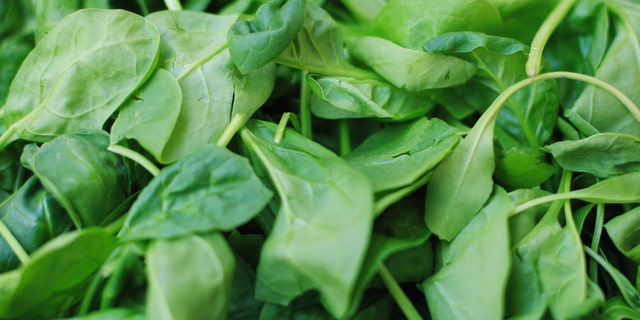
Dark leafy greens include veggies like spinach, kale and collard greens. 

Isa Kujawski, MPH, RDN, founder of Mea Nutrition LLC, says consuming these vegetables helps to protect you against cardiovascular disease because they’re packed with nutrients. 

Dark leafy greens are high in fiber and micronutrients, which help to keep your heart healthy.

Heart-healthy foods: 15 items to add to your grocery list to prevent heart disease, other health concerns

Spinach, kale and collard greens are all examples of dark leafy greens that have a positive impact on your heart health. (iStock )

2. Olive oil 

Incorporate olive oil into your recipes when you’re able to in order to keep your heart strong.

Erin Kenney, MS, RD, registered dietitian and CEO of Nutrition Rewired, recommends putting olive oil into your salads or adding to homemade hummus as opposed to just heating it and using it to cook.

Olive oil is full of antioxidants, polyphenols and vitamins, all of which are good for your heart, says Kenney.

SURPRISINGLY HEART-HEALTHY FOODS

3. Avocados

No matter how you eat your avocados, they assist in improving your heart health. 

Mash them for your favorite homemade guacamole recipe or spread them over your morning toast and receive the same nutritional benefits.

Amy Adams, RDN, LDN, says that avocados are a great source of monounsaturated fats plus potassium and magnesium. 

All of these things, Adams said, are good for keeping a healthy blood pressure.

4. Berries

Berries are sweet, refreshing and contain lots of vitamins, minerals and antioxidants. 

Though eating more fruit in general has a positive impact on heart health, according to Kristi Ruth, RD, LDN, blueberries are at the top of the list when it comes to heart healthy fruits. Blueberries are high in antioxidants, including anthocyanin, which is very good for the heart.

There are many fruits that are good for heart health, but blueberries are one of the best.

There are many fruits that are good for heart health, but blueberries are one of the best. (Fabian Sommer/picture alliance via Getty Images)

5. Beans 

What food lowers cholesterol, blood pressure, inflammation and helps with digestive wellness? Beans. 

Beans, according to Kujawaski, are great for the heart, mainly because of the high fiber content. They also contain plenty of vitamins, minerals and phytochemicals.

6. Salmon 

Did you know that high-fat fish such as salmon can decrease your risk of death by cardiac arrhythmias? Cardiac arrhythmia is an irregular heartbeat that can lead to death.

The omega-3 fats that are found in fish reduce inflammation, says Kenney. She recommended eating two to three servings of high-fat fish per week, which includes salmon, but also herring, anchovies or mackerel.

If fish isn’t your cup of tea, fish oil supplements are also a good option that can provide similar benefits.

EDUCATE YOURSELF ABOUT HEART DISEASE AND PARTICIPATE IN WEAR RED DAY DURING FEBRUARY, AMERICAN HEART MONTH

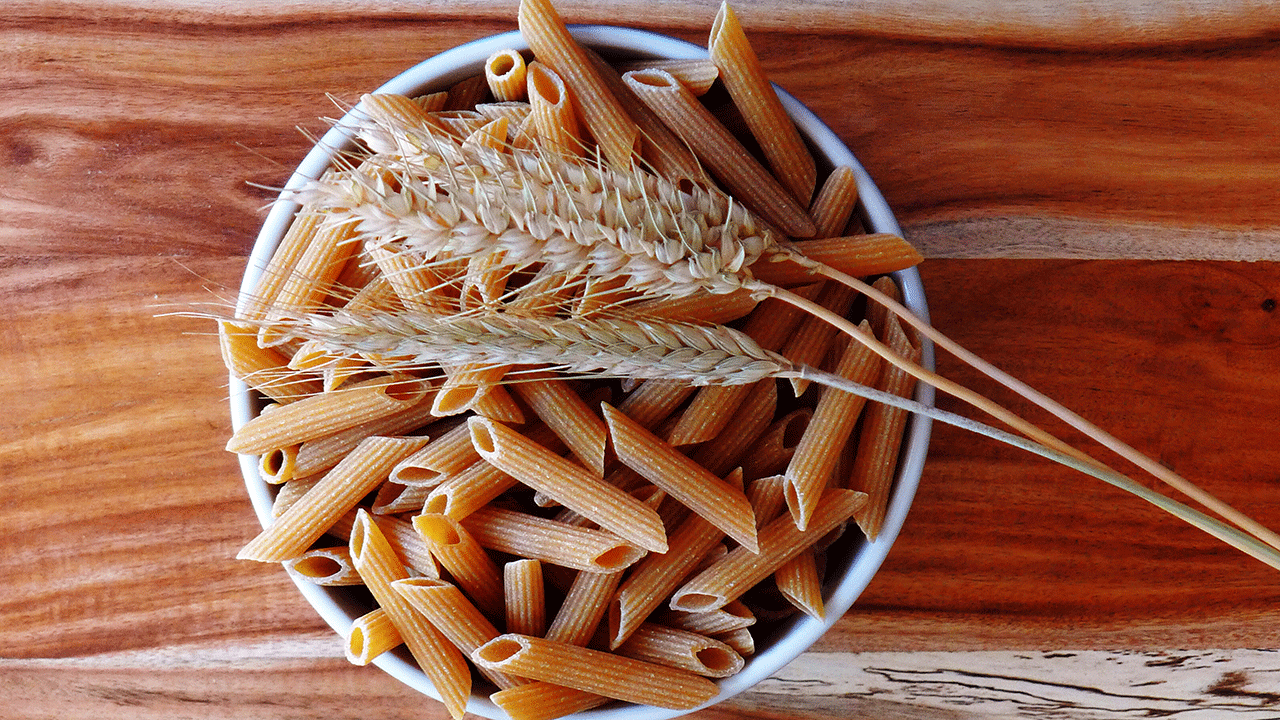
7. Whole grains 

Whole grains are great for heart heath. Whole grains are also fairly easy to incorporate into your diet since they can be consumed so many different ways. 

You can do so by switching to whole grain pasta, brown rice or wheat bread.

Kristin Gillespie, MS, RD, LD, adviser for Exercisewithstyle.com, said whole grains have the opposite impact on your body that refined carbohydrates do. 

Refined carbohydrates increase the risk of heart disease, while whole grains protect the heart.

Making some switches to whole grain products, like whole grain pasta and wheat bread, can help protect your heart. 

Making some switches to whole grain products, like whole grain pasta and wheat bread, can help protect your heart.  (Chapeaux Marc/AGF/Universal Images Group via Getty Images)

8. Walnuts 

What makes walnuts stand out among other nuts in terms of heart health is their high percent of omega 6, omega 3 and polyunsaturated fats, according to Adams. 

Whether you eat these on their own, or mixed with other nuts, trying to incorporate walnuts into your daily food intake can have a good impact on your heart health. 

THE WORST FOODS FOR HEART HEALTH, ACCORDING TO EXPERTS

9. Flaxseed 

Flaxseed is a great source of omega-3, according to Ruth, who also said it is high in fiber and lignans. Both lower the risk of cardiovascular disease.

If you are stumped on how you can incorporate flaxseed into your diet, mix it into your oatmeal or blend it into a smoothie.

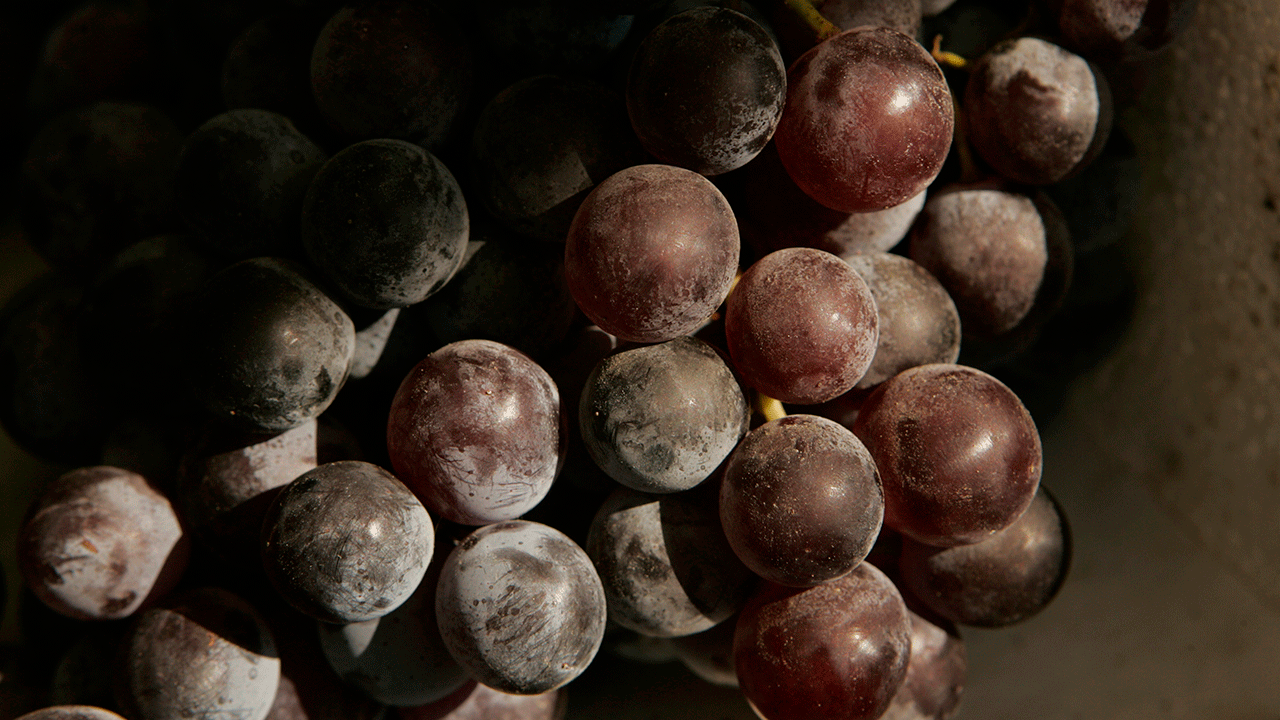
10. Grapes and grape juice

The Concord grape used for 100{bf0515afdcaddba073662ceb89fbb62b6b1bf123143c0e06b788e1946e8c353f} grape juice has polyphenols, which has been associated with improved blood flow.

You can get lots of health benefits through sipping on some grape juice.

You can get lots of health benefits through sipping on some grape juice. (Anne Cusack/Los Angeles Times via Getty Images)

Simply drinking grape juice with breakfast is an easy, juicy way to assist in a healthy heart. 

11. Papaya 

Papayas could have a major positive impact on health. 

They are high in lycopene which shows protective activity against the risk of heart attacks, among other things.

Papaya can be added to smoothies, on top of salad or on a yogurt parfait.

CLICK HERE TO SIGN UP FOR OUR LIFESTYLE NEWSLETTER

12. Dark chocolate 

Chocolate can be very good for you when enjoyed in moderation, of course. 

Dark chocolate, specifically, contains numerous health benefits, including lowering your risk of both heart disease and diabetes, according to Mayo Clinic. Dark chocolate also helps prevent blood clots, improves memory and lowers cholesterol, according to the site.

PUMPKIN BREAD WITH DARK CHOCOLATE CHIPS AND ALMOMDS: TRY THE RECIPE

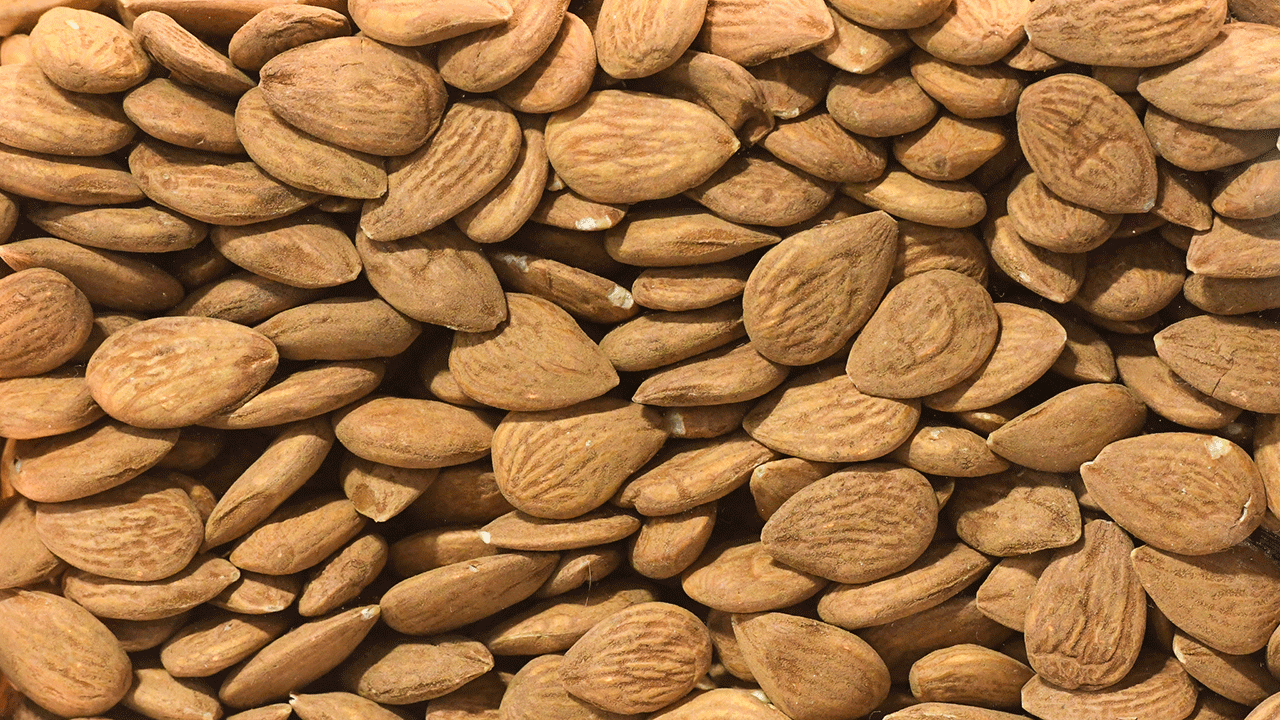
13. Almonds 

Almonds are filled with monounsaturated fats and fiber, which help protect against heart disease, according to Healthline.

Almonds are high in monounsaturated fats and fiber, which help lower your risk of getting heart disease.

Almonds are high in monounsaturated fats and fiber, which help lower your risk of getting heart disease. (Lorenzo Di Cola/NurPhoto via Getty Images)

While almonds are great for your health, consume in moderation if you are trying to lose weight, as they are also very high in calories.

14. Potatoes 

Potassium helps to lower your blood pressure and potatoes are full of it, according to health.com.

Potatoes are also high in fiber, so including them in your diet could lower your risk of heart disease.

CLICK HERE TO GET THE FOX NEWS APP

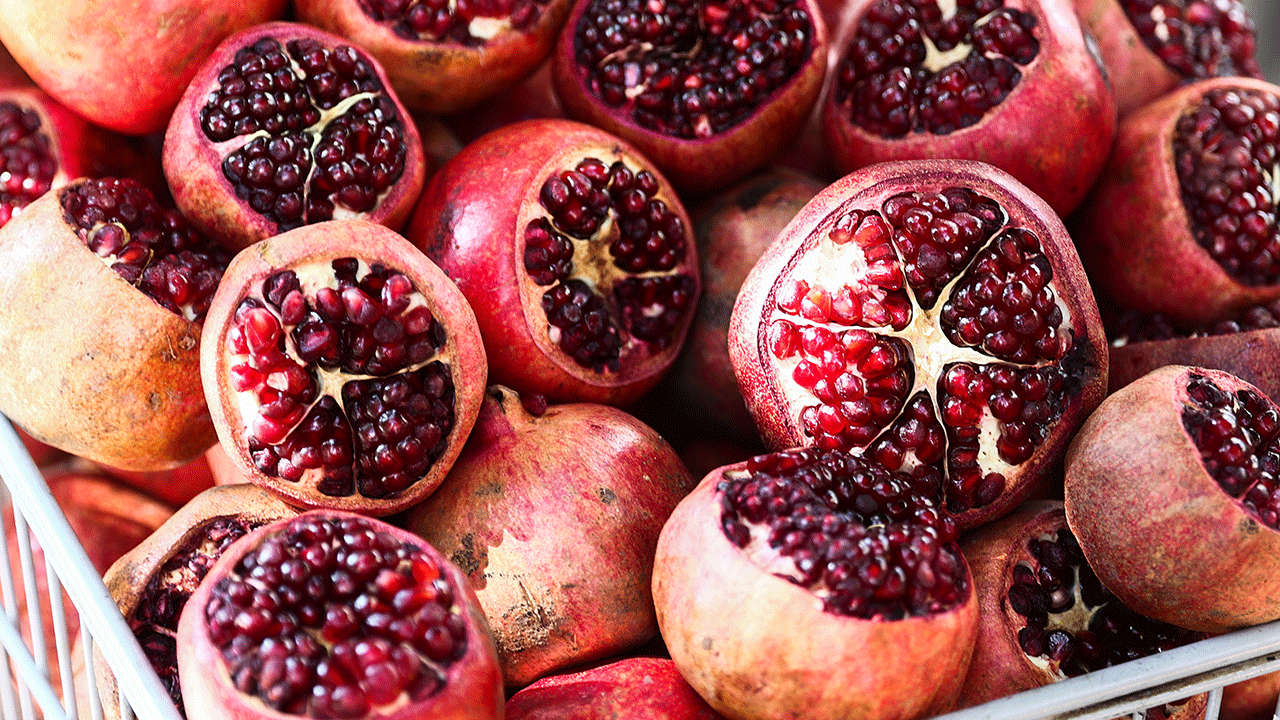
15. Pomegranate 

Pomegranates have lots of polyphenols and anthocyanins that assist in keeping a healthy heart, according to health.com.

Pomegranate seeds can be added to smoothies, salad or even in an alcoholic drink.

Pomegranate seeds can be added to smoothies, salad or even in an alcoholic drink. (Jakub Porzycki/NurPhoto via Getty Images)

Some ways to add pomegranate seeds to your diet are by mixing them into smoothies or even in cocktails like sangria. 

Add them to your salad or use them to top off your yogurt. 

Of course, you can also eat the seeds as is when removed from the peel.

This Is the #1 Thing Stopping People From Eating a Heart-Healthy Diet

A big new Cleveland Clinic survey has some appealing final results.

When quite a few of us go foodstuff browsing, we appear for the best promotions. And let’s be trustworthy: in some cases the cost of organic selections can be a bit steep. When faced with so a lot of selections, why not opt for the store model for a few bucks significantly less?

In accordance to knowledge from a Cleveland Clinic survey introduced on February 1, 2023, the main rationale persons are not eating a coronary heart-healthier diet regime is owing to the price—or perceived price—of wholesome foodstuff.

Price tag, and to a lesser extent time, are the most important boundaries People recognize when they try out to make healthier nutritional decisions. Virtually 50 {bf0515afdcaddba073662ceb89fbb62b6b1bf123143c0e06b788e1946e8c353f} of People check out balanced foodstuff as a lot more high-priced, and the key purpose for not taking in a more healthy diet program, Dr. Luke Laffin, MD, a cardiologist at the Cleveland Clinic, clarifies. To a certain extent, they are correct—it’s tricky to find a much less expensive and speedier selection than a 99-cent hamburger, for instance.

Even though the expense of food stuff may well seem like a difficult barrier to conquer it doesn’t have to be. There are actually a handful of terrific healthier foodstuff out there that usually are not drastically a lot more pricey than their junk foodstuff counterparts.

Linked: Exploration Suggests this ‘Low-Carb Mediterranean’ Way of Feeding on Is Really the Very best Diet for Heart Health—Here’s What That Signifies

Below at Parade.com, we are all about sharing products we appreciate with our audience. When you make a order on an item noticed on this webpage, we may perhaps earn a fee, nevertheless, all picks are independently picked out unless of course usually outlined.

Very affordable Healthful Meals

Dr. Laffin endorses the pursuing foods for healthful options that won’t split the bank:

Greens like broccoli and spinach

Broccoli and spinach contain a wide assortment of vitamins and minerals, both equally large in vitamin C, vitamin K, calcium, nutritional fiber and potassium. And how you put together your veggies issues: Analysis reveals steamed broccoli can support reduced cholesterol levels.

On typical, a pound of broccoli costs concerning $1.50 and $5, although free spinach prices in between $3 and $5 for each pound. It can be truly worth noting that the organic versions of these foodstuff are ordinarily far more expensive and the frozen variations are more affordable.

Oats/oatmeal

Not only is oatmeal economical, but it can also reduced blood sugar levels, enable you drop pounds and minimize your danger of coronary heart condition.

You can obtain a bag of Quaker previous-fashioned rolled oats on Amazon for 21 cents an ounce.

Connected: 18 Comforting Oatmeal Recipes for Breakfast

Bananas

This reasonably priced contemporary fruit is packed with vitamins and minerals, which include potassium. A diet abundant in potassium is connected to decrease blood force and a decrease danger of heart disorder. You can purchase bananas at Trader Joe’s for 19 cents each individual.

Frozen berries

Berries are significant in antioxidants and are a good supply of fiber, which can aid with body weight management. They also have anti-inflammatory positive aspects. And since inflammation is one particular of the leading will cause of coronary heart condition, you may well want to take into consideration incorporating frozen berries to your grocery cart, as they are significantly considerably less high priced (but not less wholesome) than the clean model. You can acquire a 16-ounce bag of frozen combined berries at Walmart for $3.98.

Lentils

Scientific studies demonstrate that lentils can reduced blood force, blood cholesterol, and blood glucose. They can also reduced cholesterol stages. You can acquire a 12-ounce bag of dry lentils for $1.29 on Amazon.

Black beans

Black beans are not only reasonably priced, but they incorporate fiber, folate and vitamin B6, all of which market heart wellness. You can obtain a four-pound bag of dried black beans on Amazon for $9.70.

Apples

Superior in fiber and antioxidants, apples help your over-all wellbeing, which includes lowering the risk of building heart ailment. You can purchase a 3-pound bag of Fiji Apples for $4.44 at Walmart.

Subsequent up: Subsequent the Nordic Eating plan Might Increase Years to Your Daily life

Resources

5 Heart-Healthy Foods to Add to Your Grocery List This Week

Heart disease is a leading health issue in the US, making it important to stay on top of your cardiovascular health. Some factors are out of your control — like, say, your blood type. But other factors are more changeable, including your diet.

Everyone from the American Heart Association to the US Department of Health and Human Services recommends making specific food choices to support a healthy heart. Because foods for heart health can reduce other potential cardiovascular issues — like high blood pressure and high cholesterol — it’s worth keeping in mind as you plan your weekly meals. 

Keep reading to find out which foods to look for and what a heart-healthy diet looks like overall.


Now playing:
Watch this:

How Healthy is Your Heart, Really? 5 Ways to Tell at…


3:59

What is a heart-healthy diet?

Studies have revealed two things: foods that are riskier for your heart and foods that strengthen it. Fortunately, you’re not about to get hit with a bunch of curveballs. The best foods for heart health are ones you probably already think of as healthy. Similarly, the not-so-heart-healthy foods are probably already on your radar for not doing your body any favors.

Before we dive in here, let’s say: everything in moderation. Unless you already know you have a heart health issue, you don’t need to cut out any foods or make drastic changes. We’re not saying you can never have another piece of bacon or crack open another soda. Instead, being mindful of what a heart-healthy diet looks like can help you incorporate more of those foods into your meals.

Now, let’s talk details. According to the AHA and Department of Health, a heart-healthy diet is rich in:

  • Produce
  • Lean proteins
  • Fiber-rich complex carbs
  • Healthy fats

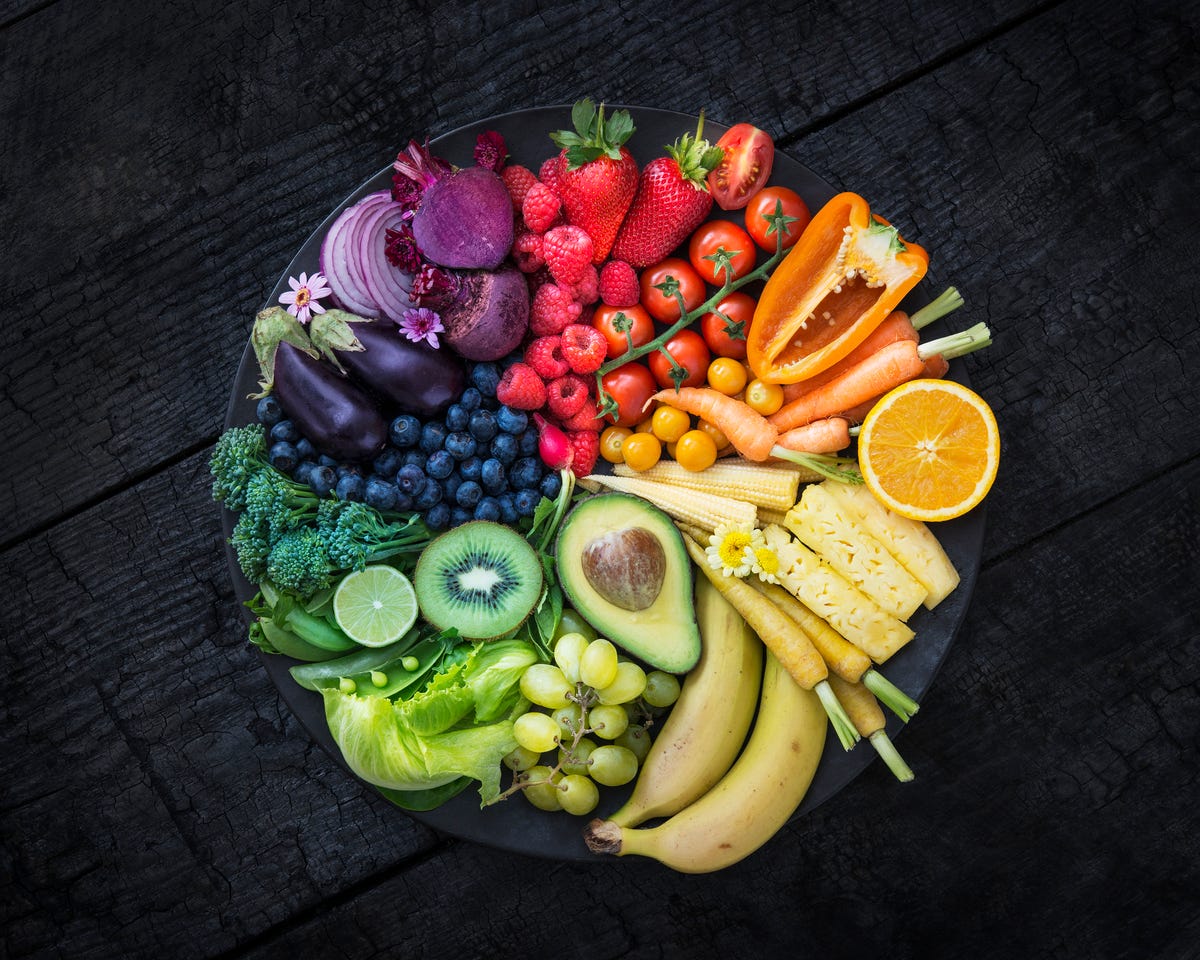
A diet full of colorful fruits and vegetables, whole grains and healthy proteins and fats will give your body the fiber, vitamins and minerals it needs to support a healthy heart. 

A bright rainbow spectrum of produce on a platter.

David Malan/Getty Images

Conversely, if you’re trying to boost cardiovascular health, you want to limit your intake of:

  • Trans fats
  • Saturated fats
  • Processed meats (for example, lunch meat, salami and hot dogs)
  • Excess salt
  • Excess sugar
  • Refined carbohydrates (for example, white breads and snacks)
  • Red meat
  • Excess alcohol

If a lot of your favorites are on the less heart-healthy list, don’t panic. You can still include them in your diet (unless your doctor says otherwise). Just make sure that these foods aren’t taking over every meal, and try to add as many heart-healthy foods into your day as you can.

Heart-healthy foods

Person in a long brown dress browses a grocery store aisle.

d3sign/Getty Images

If you want to feel good about what your next grocery trip will do for your heart health, you can grab items in these specific categories.

1. Fruits and vegetables

Remember the food pyramid from back in the day? It was on to something. Your body benefits from eating quite a bit of produce.

That’s because veggies and fruit load in a lot of nutritional density per bite. Bananas and sweet potatoes deliver potassium, a key mineral for heart health. Cruciferous veggies may help to prevent clogged arteries. Leafy greens deliver fiber, which can help to lower cholesterol and blood pressure. 

Long story short, the more produce you’re packing in, the better. And if fresh produce doesn’t work for your budget or your lifestyle, don’t worry. You can get plenty of nutritional benefits from frozen, dried and canned options. Just make sure they’re marked low-sodium. 

2. Whole grains

Not all carbs are bad. Refined carbs like the ones in white bread fly through your body, usually doing you more harm than good. But complex carbohydrates, like the ones you’ll find in whole grain products, deliver fiber, which we’ve already mentioned as a heart health booster. 

Plus, they often come packed with vitamins and minerals like iron, selenium, thiamin (Vitamin B1), riboflavin (Vitamin B2), niacin (Vitamin B3), folate (Vitamin B9) and magnesium. If you’re looking for a heart-healthy diet, choose products that have whole grains in their ingredient list. Plus, complex carbs can also be found in beans, potatoes, peas and corn.

Fish tacos on a plate, with corn tortillas and fresh cilantro.

GSPictures/Getty Images

3. Lean and plant protein

While certain proteins — like red and processed meat — can be hard on your heart, others top the list of foods for heart health. The key here is to look for plant-based protein, lean animal proteins and fish. Experts recommend mixing up your protein sources. So you have plenty of options, stock up on:

  • Lentils
  • Beans
  • Nuts
  • Seeds
  • Tofu
  • Fish, especially ones high in omega-3 fatty acids
  • Eggs
  • Low-fat dairy products
  • Poultry
  • Seeds

Swap some of your red meat and cured pork for the options above and you’ll be doing your heart a favor. 

4. Healthy fats

You might think that fat spells heart trouble, but it’s all about the type of fat. While trans and saturated fats have been linked to cardiovascular issues in numerous studies, your body, including your heart, needs healthy fats. You can get these from fish, nuts and seeds, along with avocados and moderate amounts of plant oils like:

  • Olive oil
  • Sesame oil
  • Sunflower 
  • Soybean oil
  • Canola oil
  • Corn oil
  • Safflower oil

As a general rule of thumb, if the fat would be solid at room temp, it’s probably saturated. If it would be a liquid, it most likely falls under the unsaturated variety. Think butter (controversial for health) versus olive oil (definitely part of a heart-healthy diet). 

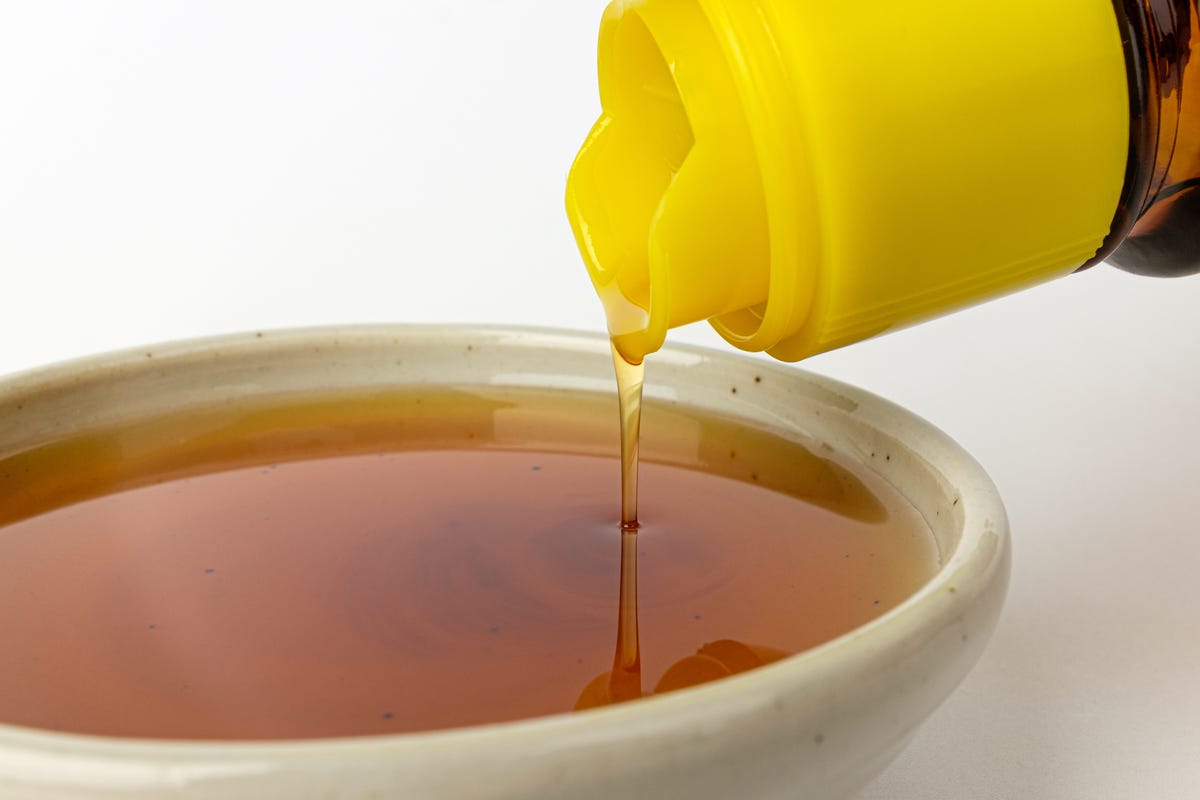
Sesame oil pouring into a small dish.

SUNGMIN/Getty Images

5. Heart-check foods

The American Heart Association has certified certain foods for heart health and given them the Heart-Check seal, which you can find on some food packaging. Once you learn that seal, it can make it easier to stock your cart with foods for heart health. 

For the best results, pair your heart-healthy diet with other heart health boosters like regular exercise, sleep and stress management techniques. It can also be helpful to learn your blood type and what it means for your risk of specific cardiovascular conditions. 

The information contained in this article is for educational and informational purposes only and is not intended as health or medical advice. Always consult a physician or other qualified health provider regarding any questions you may have about a medical condition or health objectives.