Bringing Medicaid behind bars has wide bipartisan support : Shots

Bringing Medicaid behind bars has wide bipartisan support : Shots

When he was in prison, Lee Reed was in agonizing back pain. His doctors there told him he needed back surgery, but because he was so close to his release date, they said he’d have to get it done on the outside. Reed saw that surgery as his ticket to being able to get a job and effectively reenter society.

Amy Osborne for Tradeoffs


hide caption

toggle caption

Amy Osborne for Tradeoffs


When he was in prison, Lee Reed was in agonizing back pain. His doctors there told him he needed back surgery, but because he was so close to his release date, they said he’d have to get it done on the outside. Reed saw that surgery as his ticket to being able to get a job and effectively reenter society.

Amy Osborne for Tradeoffs

Lee Reed spent his first night after getting out of a state prison sleeping in the stairwell of a parking garage in downtown San Francisco.

Just a few days shy of his 62nd birthday, Reed had nowhere else to go. During his two decades in prison, his mom and wife had died, and he’d lost touch with most of his family.

“I had nothing. I had nobody,” Reed said.

But he wasn’t alone on that first night. He had the same companion he’d had for years: agonizing back pain.

“Imagine somebody standing on your foot, and you can’t stop that pain,” Reed said. “It’s going to be there when you wake up. It’s going to be there when you go to sleep. Half the time I never even got out of bed while I was in prison because I couldn’t stand up, it was so painful.”

Reed’s doctors in prison told him he needed back surgery, but because he was so close to his release date, they said he’d have to get it done on the outside. Reed saw that surgery as his ticket to being able to get a job and effectively reenter society.

But without health insurance or a support network, being able to do any kind of work seemed impossible as he laid down in the concrete stairwell, his prison-issued walker his only blanket.

“I was tired, and I was literally ready to give up,” Reed said.

Medicaid can be a bridge to a healthy life outside

Around 600,000 people leave prison in the U.S. every year, and another 10 million are released from county jails. Like Reed, many of them suffer from chronic physical, mental and substance use conditions. Research shows they are also at an extremely high risk of hospitalization and death; one study from Washington state found that recently incarcerated people were 12 times more likely to die in their first two weeks after release from prison than the general population.

That’s why in January, federal health officials for the first time signed off on having Medicaid pay for services for some people in state or local jails, prisons or juvenile facilities. The goal is to use the time before someone leaves a corrections facility to connect them with medical providers in the community and limit any disruption in their care as they transition out of incarceration.

Most people who are incarcerated are eligible for Medicaid based on their low income, but a provision known as the “inmate exclusion policy” prohibits federal Medicaid dollars from being spent on a person’s care while incarcerated. (The only exception is for an overnight hospital stay.) Many counties and states try to connect people to Medicaid as soon as they’re released, but it can be a bureaucratic nightmare, and even if it works, people often have other priorities like finding a job, food and a place to live.

Some states like Arizona require private Medicaid plans to connect with incarcerated people before they are released, which state officials say helps individuals get care more quickly when they get out. And small pilot programs in California and New Mexico showed offering care coordination before release led to more primary care visits, less recidivism and fewer ER trips. But the inmate exclusion policy remains a significant barrier.

In 2018, Congress directed federal health officials to help states figure out a better transition plan for people leaving incarceration. Since then, 15 states from across the political spectrum have asked the Centers for Medicare and Medicaid Services to let them test what would happen if they turned Medicaid on before people leave jail, prison and juvenile facilities. In January, California became the first state to get the green light.

“We hope that what we are approving today is an exciting model for what we are able to partner [on] with states across the country,” said Dan Tsai, deputy administrator and director of the Center for Medicaid and CHIP Services at CMS.

States are taking differing approaches

All of the proposals pending before CMS share a common goal: bridging care between incarceration and the community for the more than 10 million people who leave incarceration each year. Many policymakers also see this as a way to improve health equity — people of color are disproportionately incarcerated in the U.S.

In theory, getting people connected to care sooner and keeping them on their medications should improve health outcomes and, over time, help state Medicaid programs save money, because fewer people will end up needing expensive hospital and ER visits. But with limited previous experience to guide them, states are having to guess at the best way to use finite Medicaid dollars when it comes to who should receive these new benefits, what benefits they should receive and when those benefits should start.

“If you are providing and paying for the Medicaid services, you want to ensure that you are focused on those that truly need it,” said California Medicaid Director Jacey Cooper.

Most states, including California, would limit eligibility to incarcerated people with documented health needs, such as chronic physical and mental health conditions or substance use disorder. Cooper estimates around 70{bf0515afdcaddba073662ceb89fbb62b6b1bf123143c0e06b788e1946e8c353f} of people incarcerated in California meet this criteria.

In West Virginia and Kentucky, only people with a substance use disorder would be eligible, as part of those states’ broader efforts to address addiction. Research shows drug overdose is one of the most common ways people die after leaving prison, with studies suggesting returning prisoners are 40 to 129 times more likely to fatally overdose in their first two weeks after release.

Rhode Island, Vermont, Washington and Oregon would offer pre-release services to everyone in jail and prison who is eligible for Medicaid.

“The odds are so high that people in that situation are going to need the support that it didn’t seem to make sense to us to be trying to distinguish who did and who did not meet some threshold or have a particular condition,” said Amy Katzen, the director of policy and strategy for Rhode Island’s Medicaid program.

Rhode Island is one of four states — along with Massachusetts, Utah and Vermont — that would offer people soon to leave jails and state prisons the same Medicaid benefits as anyone else in the community.

“This is going to be so complicated to implement,” said Mike Levine, director of MassHealth, Massachusetts’ Medicaid program. “When we finally do, there’s something to be said for just if you are a MassHealth member, you’re getting the MassHealth benefit.”

The other 11 states would offer a more limited set of services for people in the weeks or months before they leave incarceration, focused on transitioning someone back into the community. Services would include connecting them to new doctors, making sure they can get their prescriptions filled and helping them find housing.

In most of these states’ proposals, services like addiction treatment and daily medications would continue to be provided and paid for by the jail or prison. However, Rahul Gupta, the director of the White House Office of National Drug Control Policy, said on Tuesday that states would be required at a minimum to provide mental health and drug treatment services in this pre-release period. CMS would not confirm Gupta’s statement and said the agency plans to release further guidance for states soon.

Some advocates believe Medicaid should take a larger role in health care during incarceration, pointing to numerous reports of inadequate and negligent health care behind bars.

“I’ve seen people wither away — literally, people who were 280 pounds solid, healthy-looking individuals, wither all the way down to skin and bones. And that was because something that they had was diagnosed late or was misdiagnosed in the beginning,” said Khalil Cumberbatch, who served 6½ years in a New York prison before becoming the director of strategic partnerships at the Council on Criminal Justice.

For now, states are unwilling to go that far. Most are asking for Medicaid to start paying for services 30 days before someone is released, but a few have asked for more, including California, which has been approved to start coverage 90 days pre-release. Medicaid Director Cooper said that’s a more realistic window to build a trusting clinical relationship with someone, get all their appointments set up and make sure they have everything they need before they’re released.

Medicaid experts suggested the quickest way for the other 14 states to win CMS approval may be to follow California’s lead on these questions, but they believe federal health officials might want to let states make different choices so they can gather more evidence about what works best.

Implementation challenges await

In California, the first incarcerated people won’t receive Medicaid services until April 2024, Cooper said, with full implementation expected to take until 2026. That’s in part due to the daunting task of integrating the health care and criminal justice systems. The state asked for and received $561 million from the federal government to help providers and correctional facilities build up the infrastructure to do things like share data and bill appropriately.

Massachusetts’ Mike Levine said his team has been working closely with law enforcement and corrections officials for years. “You can’t wait to engage correctional partners when it’s time to implement,” Levine said. “They have to be involved in the policy design because this is going to require so much change within their workflows and their daily business that they have to be at the table.”

Advocates insist that people who are incarcerated or formerly incarcerated need to be included in these conversations too. “If we want people to use that Medicaid card to engage in services in the community, we need to ask them, what is it you need? How can we support you best in coming home?” said Shira Shavit, a professor of family and community medicine at the University of California San Francisco and executive director of the Transitions Clinic Network, which specializes in caring for people post-incarceration.

Including those perspectives, Shavit said, could prevent unintended consequences, like people becoming less likely to engage with Medicaid because they see it as a part of a criminal justice system they don’t trust.

Help came late, but Reed has hope for the future

This entire conversation is coming too late for Lee Reed. No one reached out to him before he got out of prison. He spent two days sleeping in that parking garage stairwell before a security guard pointed him toward a nearby homeless shelter.

A few weeks later, a doctor at the shelter restarted Reed’s medications for diabetes and high blood pressure, and referred him to a specialist who scheduled his back surgery for early 2023 — more than six months after Reed had been released from prison.

Six months after he was released, Reed finally got his back surgery. He’s in less pain now, but he’s still homeless, jobless and struggling to find purpose in his life.

Amy Osborne for Tradeoffs


hide caption

toggle caption

Amy Osborne for Tradeoffs


Six months after he was released, Reed finally got his back surgery. He’s in less pain now, but he’s still homeless, jobless and struggling to find purpose in his life.

Amy Osborne for Tradeoffs

But his pain continued to get worse. The constant agony and Reed’s inability to support himself took a toll on his mental health, occasionally making him wonder if his life was worth living.

“Who would want to live this? This is horrible, man,” he said. “I can’t do anything to protect myself. I can’t do anything to feed myself. How the hell am I a man?”

The doctor at the shelter referred Reed to Shira Shavit’s Transitions program at the Southeast Family Health Center, a community clinic run by the San Francisco Department of Public Health. Shavit prescribed a medication patch for Reed’s back and scheduled follow-up appointments for his diabetes. The program also gave him a bag of groceries, a bus card and ordered him a winter coat.

“When people come out of prison, they have so many needs,” Shavit said. “[We’re] just trying to bring people to the starting line to kind of get them to where they need to be to then even start to be able to become successful in the community.”

Reed finally got his surgery at the end of January, the day after CMS approved California’s request to bring Medicaid behind bars. He’s in less pain now and dreams of moving back to Arkansas to spend time with his grandchildren.

But his challenges are far from over. He’s still living at the homeless shelter without a job and struggling to find purpose. He said if someone had reached out to him before he left prison and helped him get his surgery sooner, there’s a better chance he’d be supporting himself by now.

“I’m trying to keep a positive attitude on everything because my whole world feels like it’s falling apart,” he said a week after his surgery. “I have no control over my own life right now. I’m just like a child. I’m just helpless.”

This story comes from the health policy podcast Tradeoffs. Dan Gorenstein is Tradeoffs’ executive editor, and Ryan Levi is a reporter/producer for the show, where a version of this story first appeared.

Medical Equipment Maintenance Market is Expected to Reach $74.2 Billion

Medical Equipment Maintenance Market is Expected to Reach .2 Billion

MarketsandMarkets Research Pvt. Ltd.

Chicago, Feb. 23, 2023 (GLOBE NEWSWIRE) — The medical equipment maintenance industry is expected to experience steady growth in the near future. This is due to the increasing number of aging medical devices and equipment that require regular upkeep and maintenance. Additionally, technological advances in the field have made it easier to diagnose and repair medical equipment, resulting in more efficient and cost-effective maintenance services. As a result, the demand for medical equipment maintenance will continue to increase in the coming years.

In addition, the emergence of new medical technologies will drive the growth of the medical equipment maintenance industry. For instance, the emergence of advanced imaging systems, such as MRI and CT scanners, will require specialized maintenance and repair services. Similarly, the increasing popularity of wearable medical devices, such as fitness trackers, will also require regular maintenance. As a result, medical equipment maintenance companies are expected to benefit from this trend.

Medical Equipment Maintenance market in terms of revenue was estimated to be worth $45.2 Billion in 2021 and is poised to reach $74.2 Billion by 2026, growing at a CAGR of 10.4{bf0515afdcaddba073662ceb89fbb62b6b1bf123143c0e06b788e1946e8c353f} from 2021 to 2026 according to a latest report published by MarketsandMarkets™. The growth of this market is mainly driven by the growing number of medical vendors across globe, increasing adoption of patient-specific medical devices. Moreover, Growth in this market is primarily driven by the rising focus on preventive medical equipment maintenance, growth in associated equipment markets, adoption of innovative funding mechanisms, and the increasing purchase of refurbished medical equipment. However, the high initial costs and significant maintenance expenditure may hinder the growth of this market during the forecast period.

Download an Illustrative overview: https://www.marketsandmarkets.com/pdfdownloadNew.asp?id=69695102

Medical Equipment Maintenance Market Scope:

Report Coverage

Details

Market Revenue in 2021

$45.2 Billion

Estimated Value by 2026

$74.2 Billion

Growth Rate

Poised to grow at a CAGR of 10.4{bf0515afdcaddba073662ceb89fbb62b6b1bf123143c0e06b788e1946e8c353f}

Market Size Available for

2019-2026

Forecast Period

2021–2026

Forecast Units

Value (USD Billion)

Report Coverage

Revenue Forecast, Competitive Landscape, Growth Factors, and Trends

Segments Covered

Service Type, Service Providers, Device Type, End User, and Countries

Geographies Covered

Europe, North America, the Asia Pacific, Latin America, and Middle East and Africa

Report Highlights

Updated financial information / product portfolio of players

Key Market Opportunities

Emergence of ISOs

Key Market Drivers

Rising focus on preventive medical equipment maintenance

Notable Medical Equipment Maintenance mergers and acquisitions for 2021 – 2022 include:

  • Philips and Nuvon Acquisition: In January 2021, Philips announced its acquisition of Nuvon Inc., a cloud-based medical equipment maintenance provider. The acquisition was intended to strengthen Philips’ digital healthcare capabilities and expand its portfolio of connected medical technologies.

  • Medtronic and NuVasive Acquisition: Medtronic acquired NuVasive, Inc., a spine and orthopedic medical device manufacturer and medical equipment maintenance provider, in October 2021. The acquisition was intended to expand Medtronic’s capabilities in digital health, robotics, and AI-driven surgical navigation.

  • Baxter and Synovo Acquisition: Baxter International Inc. announced its acquisition of Synovo, a medical equipment maintenance provider, in December 2021. The acquisition was intended to enhance Baxter’s portfolio of connected healthcare solutions and build on its existing service and support capabilities.

  • Hill-Rom and Ecolab Acquisition: Hill-Rom Holdings acquired Ecolab Inc., a provider of medical equipment maintenance services, in April 2022. The acquisition was intended to expand Hill-Rom’s portfolio of connected care technologies and enhance its service and support capabilities.

Growth Drivers of Medical Equipment Maintenance Market from macro to micro:

  • Increasing demand for medical equipment maintenance services: Growing demand for medical equipment maintenance services is driven by the increasing need for reliable and efficient medical equipment with longer shelf-life. This is due to the increasing demand for advanced healthcare services, the technological advancements in medical equipment, and the need for frequent maintenance and repairs.

  • Growing demand for preventive maintenance services: The growing demand for preventive maintenance services is driven by the need to reduce repair costs and ensure the smooth functioning of medical equipment. Preventive maintenance services help to identify potential problems, reduce downtime, and ensure the efficient functioning of medical equipment.

  • Growing government initiatives: Government initiatives and regulations are driving the growth of the medical equipment maintenance market. Governments across the globe are introducing various initiatives to promote and expand the healthcare infrastructure, which is expected to trigger the demand for medical equipment maintenance services.

  • Increasing investments in healthcare infrastructure: The increasing investments in healthcare infrastructure are driving the demand for medical equipment maintenance services. The increasing need for reliable and efficient medical equipment with longer shelf-life and the need for frequent maintenance and repairs are expected to drive the growth of the medical equipment maintenance market.

  • Growing focus on patient safety and quality of care: The growing focus on patient safety and quality of care is driving the demand for medical equipment maintenance services. The increasing awareness about patient safety and quality of care is expected to drive the demand for medical equipment maintenance services.

Request for FREE Sample Pages: https://www.marketsandmarkets.com/requestsampleNew.asp?id=69695102

Hypothetic challenges of Medical Equipment Maintenance market in near future:

  • Increasing complexity of medical equipment: With the advancements in technology, medical equipment is becoming more and more complex, which makes it more difficult to maintain.

  • Shortage of skilled technicians: As medical equipment is becoming more complex, there is a shortage of skilled technicians to provide maintenance services.

  • Rising cost of medical equipment: With the cost of medical equipment increasing, it is becoming more expensive to maintain them.

  • Changing regulations: New regulations and standards are constantly being introduced, making it difficult to keep up with the changes.

  • Lack of standardization: Different manufacturers have different equipment, making it difficult to standardize maintenance procedures.

  • Aging infrastructure: Many medical facilities have aging infrastructure, which can lead to increased maintenance costs.

  • Security concerns: As medical equipment becomes more connected and automated, there is an increasing need for cybersecurity measures to protect patient data.

Top 3 use cases of Medical Equipment Maintenance market:

  • Predictive Maintenance: Predictive maintenance solutions use data-driven analytics to help medical equipment managers anticipate and prevent potential breakdowns before they occur. These solutions are used to identify potential issues with medical equipment before they happen, enabling proactive maintenance and avoiding costly downtime.

  • Automated Maintenance Logging: Automated maintenance logging solutions allow medical equipment managers to track maintenance tasks, enabling them to easily monitor and manage the health of their equipment. This allows them to quickly identify problems with equipment and take appropriate action.

  • Automated Inventory Management: Automated inventory management solutions allow medical equipment managers to track inventory levels and automate ordering processes, ensuring that equipment is always available when needed. This helps reduce downtime and increases efficiency.

Get 10{bf0515afdcaddba073662ceb89fbb62b6b1bf123143c0e06b788e1946e8c353f} Free Customization on this Report: https://www.marketsandmarkets.com/requestCustomizationNew.asp?id=69695102

Related Reports:

Endoscopy Equipment Market

Patient Monitoring Devices Market

European Medical Equipment Maintenance Market

Ultrasound Market

Diagnostic Imaging Market

CONTACT: About MarketsandMarkets™ MarketsandMarkets™ is a blue ocean alternative in growth consulting and program management, leveraging a man-machine offering to drive supernormal growth for progressive organizations in the B2B space. We have the widest lens on emerging technologies, making us proficient in co-creating supernormal growth for clients. The B2B economy is witnessing the emergence of $25 trillion of new revenue streams that are substituting existing revenue streams in this decade alone. We work with clients on growth programs, helping them monetize this $25 trillion opportunity through our service lines - TAM Expansion, Go-to-Market (GTM) Strategy to Execution, Market Share Gain, Account Enablement, and Thought Leadership Marketing. Built on the 'GIVE Growth' principle, we work with several Forbes Global 2000 B2B companies - helping them stay relevant in a disruptive ecosystem. Our insights and strategies are molded by our industry experts, cutting-edge AI-powered Market Intelligence Cloud, and years of research. The KnowledgeStore™ (our Market Intelligence Cloud) integrates our research, facilitates an analysis of interconnections through a set of applications, helping clients look at the entire ecosystem and understand the revenue shifts happening in their industry. To find out more, visit www.MarketsandMarkets™.com or follow us on Twitter, LinkedIn and Facebook. Contact: Mr. Aashish Mehra MarketsandMarkets™ INC. 630 Dundee Road Suite 430 Northbrook, IL 60062 USA: +1-888-600-6441 Email: sales@marketsandmarkets.com

Cardiologist Said Heart Disease Among Young People Due to Lifestyle

  • Jim Liu, a cardiologist at Ohio State University, explains why heart disease is on the rise among young people.
  • Several studies have indicated young people are dying from heart attacks at higher rates than in the past.
  • Sedentary lifestyles, vaping, poor sleep, and chronic health conditions might be behind the trend.

Heart problems are on the rise among an unlikely demographic: young people. 

People between 25 and 44 have experienced a nearly 30{bf0515afdcaddba073662ceb89fbb62b6b1bf123143c0e06b788e1946e8c353f} increase in heart attack deaths since the onset of the COVID-19 pandemic, a 2022 study conducted by Cedars Sinai hospital in Los Angeles suggested.

Another study from Johns Hopkins, published in 2018 that reviewed 28,000 hospitalizations for heart attacks over a 20-year period, found the rate of heart attacks for women aged 35 to 54 increased, even as the overall mortality rate for heart disease decreased. 

Heart disease is an umbrella term that encompasses heart health problems including heart attacks, irregular heartbeats, or other damage to different parts of the organ. High blood pressure, high cholesterol, and smoking cigarettes are typically the root causes of many types of heart disease, but lifestyle changes and national trends could be behind the increase in heart disease among young people, according to Dr. Jim Liu, a cardiologist at The Ohio State University Wexner Medical Center.

Liu told Insider he’s seen more young people with heart disease come into his care over the last five to ten years. Perhaps surprisingly, the cardiologist said many of his new, younger patients do not have any of the traditional risk factors, and might be more susceptible to other issues and indicators that could increase overall risk. 

Plus, data from a survey by Ohio State found 47{bf0515afdcaddba073662ceb89fbb62b6b1bf123143c0e06b788e1946e8c353f} of people under 45 did not believe they were at risk for heart disease — a trend that may also be behind the rise in heart attacks, Liu said. 

One cause could be the recent rise in obesity, said Liu. The prevalence of obesity rose from 3{bf0515afdcaddba073662ceb89fbb62b6b1bf123143c0e06b788e1946e8c353f} pre-pandemic to 4.4{bf0515afdcaddba073662ceb89fbb62b6b1bf123143c0e06b788e1946e8c353f} between 2020 to 2021, per federal data, as more people increased their alcohol intake. Young people are already prone to more sedentary lifestyles, and Liu said the pandemic may have led to even lower rates of exercise.

“Because of the pandemic, people may be a little bit less active, maybe eating worse,” Liu said. “So that could possibly translate into worsened blood pressure, increased weight, and long-term healthcare problems, specifically cardiovascular.”

Liu said young people may also be unaware of some of the less talked about risk factors for heart disease. For instance, the doctor said vapes and e-cigarettes can stress your heart just as much as regular cigarettes can. Other risk factors that might put young people in particular at risk for heart disease are illicit drug use, poor sleep, and chronic conditions like lupus, rheumatoid arthritis, and HIV, the doctor said. 

Overall, Liu said more research is needed to fully understand why Americans are getting heart disease at younger ages than in the past. In the meantime, the doctor encouraged young people to make themselves aware of lifestyle factors that contribute to poor heart health, and the importance of exercise and diet to prevent this issue to lower risk factors.

“If they have a specific condition already, for example, blood pressure, diabetes, or [high] cholesterol, making sure that those are controlled by getting routine healthcare,” Liu said. “And making sure you’re sticking to a healthy lifestyle is important, also.”

15 items to add to your grocery list to prevent heart disease, other health concerns

Before you go on your next grocery shopping trip, consider heart-healthy options for your meals.

February is National Heart Month — so what better time to put a little extra effort into changing your diet and focusing more on the health of your heart?

Heart disease is the leading cause of death in the United States, according to the Centers for Disease Control and Prevention.

ADD THESE HEART-HEALTHY FOODS RECOMMENDED BY EXPERTS TO YOUR GROCERY LIST

Spend time learning more about your heart and begin habits to continue throughout the year for an overall healthier lifestyle.

Here are a list of heart healthy foods to keep in your fridge or pantry.

READ ON THE FOX NEWS APP

Dark leafy greens include veggies like spinach, kale and collard greens.

Isa Kujawski, MPH, RDN, founder of Mea Nutrition LLC, says consuming these vegetables helps to protect you against cardiovascular disease because they’re packed with nutrients.

Dark leafy greens are high in fiber and micronutrients, which help to keep your heart healthy.

15 items to add to your grocery list to prevent heart disease, other health concerns

Spinach, kale and collard greens are all examples of dark leafy greens that have a positive impact on your heart health.

Incorporate olive oil into your recipes when you’re able to in order to keep your heart strong.

Erin Kenney, MS, RD, registered dietitian and CEO of Nutrition Rewired, recommends putting olive oil into your salads or adding to homemade hummus as opposed to just heating it and using it to cook.

Olive oil is full of antioxidants, polyphenols and vitamins, all of which are good for your heart, says Kenney.

SURPRISINGLY HEART-HEALTHY FOODS

No matter how you eat your avocados, they assist in improving your heart health.

Mash them for your favorite homemade guacamole recipe or spread them over your morning toast and receive the same nutritional benefits.

Amy Adams, RDN, LDN, says that avocados are a great source of monounsaturated fats plus potassium and magnesium.

All of these things, Adams said, are good for keeping a healthy blood pressure.

Berries are sweet, refreshing and contain lots of vitamins, minerals and antioxidants.

Though eating more fruit in general has a positive impact on heart health, according to Kristi Ruth, RD, LDN, blueberries are at the top of the list when it comes to heart healthy fruits. Blueberries are high in antioxidants, including anthocyanin, which is very good for the heart.

Blueberries on the vine

There are many fruits that are good for heart health, but blueberries are one of the best.

What food lowers cholesterol, blood pressure, inflammation and helps with digestive wellness? Beans.

Beans, according to Kujawaski, are great for the heart, mainly because of the high fiber content. They also contain plenty of vitamins, minerals and phytochemicals.

Did you know that high-fat fish such as salmon can decrease your risk of death by cardiac arrhythmias? Cardiac arrhythmia is an irregular heartbeat that can lead to death.

The omega-3 fats that are found in fish reduce inflammation, says Kenney. She recommended eating two to three servings of high-fat fish per week, which includes salmon, but also herring, anchovies or mackerel.

If fish isn’t your cup of tea, fish oil supplements are also a good option that can provide similar benefits.

EDUCATE YOURSELF ABOUT HEART DISEASE AND PARTICIPATE IN WEAR RED DAY DURING FEBRUARY, AMERICAN HEART MONTH

Whole grains are great for heart heath. Whole grains are also fairly easy to incorporate into your diet since they can be consumed so many different ways.

You can do so by switching to whole grain pasta, brown rice or wheat bread.

Kristin Gillespie, MS, RD, LD, adviser for Exercisewithstyle.com, said whole grains have the opposite impact on your body that refined carbohydrates do.

Refined carbohydrates increase the risk of heart disease, while whole grains protect the heart.

Whole wheat pasta in bowl

Making some switches to whole grain products, like whole grain pasta and wheat bread, can help protect your heart.

What makes walnuts stand out among other nuts in terms of heart health is their high percent of omega 6, omega 3 and polyunsaturated fats, according to Adams.

Whether you eat these on their own, or mixed with other nuts, trying to incorporate walnuts into your daily food intake can have a good impact on your heart health.

THE WORST FOODS FOR HEART HEALTH, ACCORDING TO EXPERTS

Flaxseed is a great source of omega-3, according to Ruth, who also said it is high in fiber and lignans. Both lower the risk of cardiovascular disease.

If you are stumped on how you can incorporate flaxseed into your diet, mix it into your oatmeal or blend it into a smoothie.

The Concord grape used for 100{bf0515afdcaddba073662ceb89fbb62b6b1bf123143c0e06b788e1946e8c353f} grape juice has polyphenols, which has been associated with improved blood flow.

Purple grapes on the stems

You can get lots of health benefits through sipping on some grape juice.

Simply drinking grape juice with breakfast is an easy, juicy way to assist in a healthy heart.

Papayas could have a major positive impact on health.

They are high in lycopene which shows protective activity against the risk of heart attacks, among other things.

Papaya can be added to smoothies, on top of salad or on a yogurt parfait.

CLICK HERE TO SIGN UP FOR OUR LIFESTYLE NEWSLETTER

Chocolate can be very good for you when enjoyed in moderation, of course.

Dark chocolate, specifically, contains numerous health benefits, including lowering your risk of both heart disease and diabetes, according to Mayo Clinic. Dark chocolate also helps prevent blood clots, improves memory and lowers cholesterol, according to the site.

PUMPKIN BREAD WITH DARK CHOCOLATE CHIPS AND ALMOMDS: TRY THE RECIPE

Almonds are filled with monounsaturated fats and fiber, which help protect against heart disease, according to Healthline.

Pile of almonds

Almonds are high in monounsaturated fats and fiber, which help lower your risk of getting heart disease.

While almonds are great for your health, consume in moderation if you are trying to lose weight, as they are also very high in calories.

Potassium helps to lower your blood pressure and potatoes are full of it, according to health.com.

Potatoes are also high in fiber, so including them in your diet could lower your risk of heart disease.

CLICK HERE TO GET THE FOX NEWS APP

Pomegranates have lots of polyphenols and anthocyanins that assist in keeping a healthy heart, according to health.com.

Stack of pomegranates

Pomegranate seeds can be added to smoothies, salad or even in an alcoholic drink.

Some ways to add pomegranate seeds to your diet are by mixing them into smoothies or even in cocktails like sangria.

Add them to your salad or use them to top off your yogurt.

Of course, you can also eat the seeds as is when removed from the peel.

How Do Ozempic and Wegovy Lead To Weight Loss?

Excess weight loss is an important health goal for Sabrazsia Gardner, so she began investigating Wegovy, the anti-weight problems drug that is made up of the similar treatment as Ozempic.

Gardner, 33, claims she required to stop the snacking and binge consuming that contributed to her obesity, and take in a lot less. But eating plans did not work and she didn’t want to go the weight-reduction surgery route.

Following talking about her possibilities with her medical professional all through her once-a-year physical, she been given a prescription for Wegovy. Now seven weeks into the remedy, Gardner says she has “pretty minor hunger” and is losing excess weight.

“I don’t consider about food stuff the same… I really do not assume about snacking and I’m fuller lengthier,” Gardner, an esthetician who life in Chandler, Arizona, tells Currently.com.

“I really do not even have starvation cravings. I take in for the reason that I’m meant to. You take in to live, not reside to consume.”

How Do Ozempic and Wegovy Lead To Weight Loss?
“I don’t snack. After I’m finished having, I really don’t want a thing else or I you should not want anything sweet. I do not have any type of cravings,” Sabrazsia Gardner states of her encounter with the anti-weight problems drug Wegovy.Courtesy Sabrazsia Gardner

Gardner could at the time take in 10 chicken wings in a sitting, but hardly ate a few when she a short while ago taken care of herself. She acquired a stomachache later on, a person of the facet results she’s expert on the drug. Due to the fact setting up Wegovy, Gardner has also had exhaustion, diarrhea and “really prominent” nausea for which she usually takes an additional medicine.

Gardner suggests she occasionally doesn’t really feel hungry all working day and is no lengthier drawn to chips or chocolate — meals she utilized to crave and snack on. She’s missing about 10 lbs . so far.

What is the difference amongst Ozempic and Wegovy?

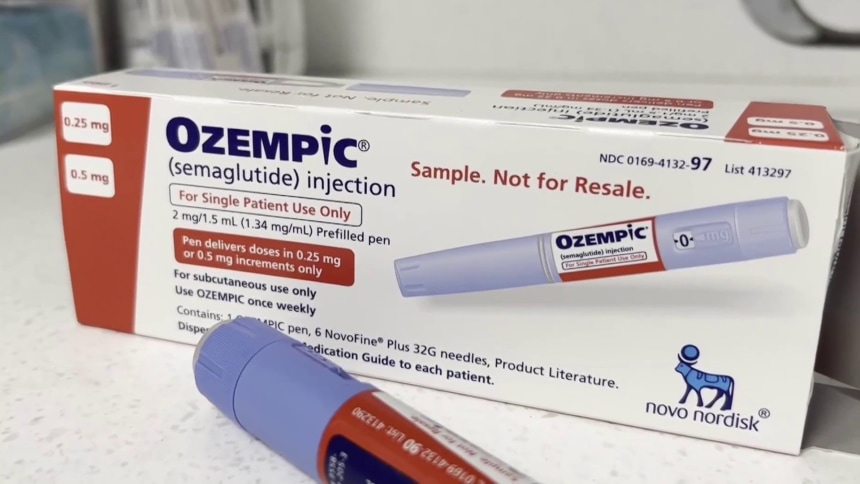
Wegovy contains semaglutide, the similar medicine located in Ozempic, the Sort 2 diabetes remedy that comes with a celebrated facet effect: fat reduction.

Wegovy is accepted for excess weight loss by the U.S. Foodstuff and Drug Administration, though Ozempic is not, while quite a few people today are utilizing it off-label for that purpose. Every single medicine is self-injected by people after a 7 days.

The only variance between the two medicine is the structure of the injector pen and the doses, suggests Dr. Louis Aronne, an being overweight medicine medical professional and director of the Extensive Pounds Handle Heart at Weill Cornell Drugs and NewYork-Presbyterian.

Wegovy arrives in 5 different dose strengths, while Ozempic has four.

The most dose is 2 milligrams for Ozempic and 2.4 milligrams for Wegovy, according to Novo Nordisk, the pharmaceutical huge that helps make each drugs. The organization suggests they are not interchangeable.

How do Ozempic and Wegovy direct to weight decline?

Semaglutide is a synthetic edition of a hormone recognized as GLP-1, which the physique releases into the intestine when folks eat food items, suggests Aronne, who is a scientific adviser for Novo Nordisk.

When the treatment hits GLP-1 receptors in various sections of the mind, that triggers a response, stimulating nerves that mimic the impact of consuming foodstuff — people today have reduced urge for food, and when they do take in, they truly feel comprehensive faster, he notes.

“That hormone receives absorbed into the bloodstream, goes to the brain and tells the mind you’ve eaten food. So folks in essence really feel like they’ve already eaten when they choose it,” Aronne tells Now.com.

“It’s form of like if I gave you Thanksgiving supper and then I requested you to eat a further dinner. You will say, ‘I just cannot quite possibly consume it. I just ate a whole evening meal.’”

A different way the medication works is that it slows down stomach emptying, which slows down the absorption of calories and may possibly contribute to the sensation of fullness, Aronne says.

Men and women who took Wegovy for 16 months in the largest placebo-controlled demo shed an regular of 12{bf0515afdcaddba073662ceb89fbb62b6b1bf123143c0e06b788e1946e8c353f} of their human body weight in comparison to these who acquired a placebo, according to the Food and drug administration.

How do persons truly feel about meals when using semaglutide?

A standard anecdote Aronne hears from a affected person is: “I went to the similar restaurant I always go to, I purchased the same meal I usually buy, but when I ate 50 {bf0515afdcaddba073662ceb89fbb62b6b1bf123143c0e06b788e1946e8c353f} of it, I just could not go on. I felt so total, so bloated that I could not eat any longer.”

People today with binge having difficulties or who obsessively assume about food inform him, “I have so substantially time in the day now for the reason that I’m not thinking about my following food all the time.”

Some individuals also shed cravings. “Looking at a bag of Doritos was sort of like on the lookout at a pair of socks,” Shea Murray, who employed Ozempic, beforehand told Today.

People have to retain getting semaglutide for the drug to preserve operating — otherwise, they will regain two-thirds of their prior excess weight loss, experiments have revealed. It is not a quick-term cosmetic repair for someone who desires to get rid of 10 kilos to look superior in a swimsuit, but a very long-phrase therapy for folks who have wellness challenges relevant to being overweight, health professionals say.

Why do clients practical experience nausea?

The most frequent side results of Ozempic and Wegovy include things like nausea, diarrhea, vomiting, belly discomfort and constipation, in accordance to Novo Nordisk.

Some clients explained to NBC Information the side consequences were being so severe they stopped getting the medicine or questioned no matter whether they could stay on them very long-term.

In scientific trials, almost 7{bf0515afdcaddba073662ceb89fbb62b6b1bf123143c0e06b788e1946e8c353f} of sufferers addressed with Wegovy forever stopped using it due to the fact of adverse reactions, or more than 2 times the number of folks who gained a placebo, Novo Nordisk claimed.

The nausea, which was the most common aspect impact that led sufferers to halt therapy, could be triggered by the slowing down of the emptying of the belly or by acid reflux, Aronne claims. Folks answer in various techniques to the medication, so they must start off with the least expensive dose and function their way up to greater doses gradually, he provides.

Possible really serious side outcomes of Ozempic and Wegovy include pancreatitis, gallbladder troubles and kidney issues, among other troubles, according to the producer.

Both of those medicines also have the warning that semaglutide will cause thyroid C-mobile tumors in rodents, however it’s unknown whether that can take place in human beings.

Dr. Robert Lustig, a neuroendocrinologist and professor emeritus of pediatrics at the University of California, San Francisco, beforehand explained to Nowadays.com he has “major, significant concerns” about persons potentially having Wegovy for decades or for lifetime. He’s not towards the drug, but phone calls it a Band-Support which is not fixing the root of the trouble of weight problems.

Dr. Zhaoping Li, professor of medication and chief of the division of medical nutrition at the University of California, Los Angeles, claims far more long-expression details is wanted about Wegovy.

But other medical doctors earlier explained to Now.com they have been relaxed prescribing it for the prolonged-term. Aronne calls this “the golden age of dealing with obesity” as additional prescription drugs that work and are secure come to be obtainable, he states.

Sabrazsia Gardner, the female who began using Wegovy in January, says she’d like to remain on it for as extended as she can and hopes to drop 120 kilos.

“The nausea I can stay with. It is annoying, but it’s Okay. If it’s producing me healthier, I think I’ll be Okay,” she says.

There is a worrying amount of fraud in medical research

IN 2011 BEN MOL, a professor of obstetrics and gynaecology at Monash University, in Melbourne, came across a retraction notice for a study on uterine fibroids and infertility published by a researcher in Egypt. The journal which had published it was retracting it because it contained identical numbers to those in an earlier Spanish study—except that that one had been on uterine polyps. The author, it turned out, had simply copied parts of the polyp paper and changed the disease.

“From that moment I was alert,” says Dr Mol. And his alertness was not merely as a reader of published papers. He was also, at the time, an editor of the European Journal of Obstetrics and Gynaecology, and frequently also a peer reviewer for papers submitted to other journals. Sure enough, two papers containing apparently fabricated data soon landed on his desk. He rejected them. But, a year later, he came across them again, except with the fishy data changed, published in another journal.

Since then, he has teamed up with other researchers to investigate groups of papers by authors he has spotted as data fabricators. Wherever he saw smoke, he found fire. There were tables on patients’ characteristics that contained only even numbers. There were values that were clinically unlikely. There was an implausible 40:60 sex ratio of babies when the mothers-to-be had, purportedly, been selected at random. Eye-popping speeds of completing clinical trials were common.

The fabrication of unreality

Dr Mol and his colleagues have sent their concerns about more than 750 papers to the journals that published them. But, all too often, either nothing seems to happen or investigations take years. Only 80 of the studies they have flagged have so far been retracted. Worse, many have been included in systematic reviews—the sort of research round-ups that inform clinical practice.

Millions of patients may, as a consequence, be receiving wrong treatments. One example concerns steroid injections given to women undergoing elective Caesarean sections to deliver their babies. These injections are intended to prevent breathing problems in newborns. There is a worry that they might cause damage to a baby’s brain, but the practice was supported by a review, published in 2018, by Cochrane, a charity for the promotion of evidence-based medicine. However, when Dr Mol and his colleagues looked at this review, they found it included three studies that they had noted as unreliable. A revised review, published in 2021, which excluded these three, found the benefits of the drugs for such cases to be uncertain.

There is a worrying amount of fraud in medical research

Partly or entirely fabricated papers are being found in ever-larger numbers, thanks to sleuths like Dr Mol. Retraction Watch, an online database, lists nearly 19,000 papers on biomedical-science topics that have been retracted (see chart 1). In 2022 there were about 2,600 retractions in this area—more than twice the number in 2018. Some were the results of honest mistakes, but misconduct of one sort or another is involved in the vast majority of them (see chart 2).

John Carlisle, a British anaesthetist and journal editor, has uncovered hundreds of problematic papers. He reckons “almost all [clinical] guidelines will be affected in some way by false data that is currently unrecognised”. Fabricated studies also send those who try to build on them down blind alleys, wasting millions of dollars.

Yet journals can take years to retract, if they ever do so. Going by these numbers, roughly one in 1,000 papers gets retracted. That does not sound too bad. However, Ivan Oransky, one of Retraction Watch’s founders, reckons, based on various studies of the matter and reports from sleuths, that something more like one in 50 papers has results which are unreliable because of fabrication, plagiarism or serious errors.

Most fabricated papers come from one of two sources. Some, particularly those claiming to report clinical trials, are the products of prolific individual fraudsters or groups of fraudsters. Those uncovered by Dr Mol fall into this category. Others, more often purporting to be about basic science, such as molecular biology, are written, for a fee, by outfits known as “paper mills”. Frequently, these are fabricated by copying published papers and substituting the gene or disease a legitimate paper refers to with another.

According to the Retraction Watch database, the 200 authors with the most retractions account for over a quarter of all 19,000 retractions. Many of the most prolific fraudsters are senior scientists at big universities or hospitals. Few have spoken openly about their motives for making up research. But the confessions of those who have speak volumes about what may push others down the same path.

Cheats ever prosper

Scientific research is a hard slog, and the results are often disappointingly equivocal answers to a researcher’s bold hypothesis. Diederik Stapel, once a psychology professor at Tilburg University in the Netherlands, had 58 papers retracted after revelations that he fabricated studies. He did so, he said in his confessional memoir, “Faking Science”, because they otherwise failed to provide a solution that was “simple, clear, beautiful and elegant”. Like many similar fabulists, however, he was also driven by career incentives. The aphorism “publish or perish” reflects an academic truth. A long publication list is crucial for promotion, or for switching institutions to get a better job. But journals prefer studies that show strong, positive results—meaning much of a researcher’s effort is, in terms of career advancement, wasted.

Publishing lots of studies has enabled some fraudsters to be perceived as leading experts in their fields, with the perks of professional prestige which go with that—at least until things unravel. As Dorothy Bishop, a retired experimental psychologist from Oxford University who volunteers her time identifying problematic studies observes, such fraudsters often run research groups or have collaborative networks with other research centres. When the fabrication is discovered, those colleagues are affected by the aftermath. “Quite often”, she says, “junior people get their careers completely derailed by this.”

It is a particular problem in China. Unrealistic publication quotas are often needed to obtain the best jobs in hospitals, and those who publish in top journals also get big cash bonuses. Not surprisingly, China is thus a country that has developed a thriving paper-mill industry. Indeed, almost all retractions linked to paper mills list Chinese authors. Of papers submitted to journals, about a fifth have at least one contributor from a Chinese institution, yet this fifth accounts for nearly half of papers subsequently retracted.

A review of submissions to two journals specifically aimed at by paper mills does, however, show that the problem stretches way beyond China. It found that the fakes had authors from more than 70 countries. And, though those from middle income countries (China included, see chart 3) are the most numerous, some of the most consequential fabrications of clinical trials which have come to light were concocted in America, Canada, Europe and Japan.

How much cheating is never caught is anyone’s guess. As Dr Bishop notes, “The only ones we know about are the ones that are not very good at it. If somebody is very good at fraud, you’re not going to detect it.” And it is not just a few bad apples. In 2009 PLOS ONE published a round-up of 18 surveys of scientists, mostly in America, that had asked about fraud. Though only 2{bf0515afdcaddba073662ceb89fbb62b6b1bf123143c0e06b788e1946e8c353f} of respondents admitted falsifying data themselves, 14{bf0515afdcaddba073662ceb89fbb62b6b1bf123143c0e06b788e1946e8c353f} said they knew someone who had. Similarly, a third of those asked confessed to other questionable research practices, such as dropping inconvenient data points based on “gut feeling”, or making important changes to a study’s protocol while it was in progress. But they pointed the finger at 72{bf0515afdcaddba073662ceb89fbb62b6b1bf123143c0e06b788e1946e8c353f} of their colleagues.

America is not exceptional in this. In a survey of academics in Britain, published in 2016, nearly one in five reported having fabricated data. And in a recent survey of researchers in the Netherlands, 10{bf0515afdcaddba073662ceb89fbb62b6b1bf123143c0e06b788e1946e8c353f} of those in the life and medical sciences admitted they had falsified or fabricated data.

Many fake papers are me-too studies, supporting treatments already backed by other work. For the most part, these are unlikely to sway clinical practice. But some fraudsters have been the inspiration for specific medical interventions which have turned out to be useless, or even harmful.

For example, critically ill patients undergoing surgery were once sometimes given starch infusions to boost their blood pressure. This was based in part on seven now discredited studies by Joachim Boldt, a German anaesthesiologist. A revised round-up of the evidence published in the Journal of the American Medical Association, in 2013, after his fabrications were discovered, concluded that giving starch infusions in these circumstances caused kidney damage and sometimes killed people.

Likewise, for more than a decade cardiac patients in Europe were given beta-blockers before surgery, with the intention of reducing heart attacks and strokes—a practice that rested on a study from 2009 which was eventually determined to have been based, at least in part, on fabricated data. By one estimate, this approach may have caused 10,000 deaths a year in Britain alone. And a systematic review showing that infusion of a high-dose sugar solution reduces mortality after head injury was retracted after an investigation failed to find evidence that any of the trials included in it, which were all ascribed to the same researcher, had actually taken place.

Bricks without straw

Spotting fabricated papers often starts with catching one by chance and then looking at others by the same hand, as Dr Mol did. “A lot of the problems are only apparent when you look across publications by an author. So if you had one paper, you wouldn’t necessarily identify them,” says Alison Avenell of the University of Aberdeen, who is part of a team that has raised concerns about hundreds of clinical trials published by several research groups. Common patterns in dodgy papers, she opines, include unusually big effects of the reported treatments, peculiar drop-out rates among participants, or the same data appearing in different trial reports. “You see things that are virtually statistically impossible,” she says.

Dr Carlisle and others have devised various statistical checks to catch unusual numbers in single papers. As an editor of Anaesthesia, he used such checks on all 526 clinical-trial studies submitted to the journal between 2017 and 2020. When he looked at papers for which the authors had not submitted individual patients’ underlying numbers, he found that 2{bf0515afdcaddba073662ceb89fbb62b6b1bf123143c0e06b788e1946e8c353f} included false data. This jumped to 44{bf0515afdcaddba073662ceb89fbb62b6b1bf123143c0e06b788e1946e8c353f} for those for which he could also examine such individual numbers, including 26{bf0515afdcaddba073662ceb89fbb62b6b1bf123143c0e06b788e1946e8c353f} which he judged as “fatally flawed”.

Doing checks like these routinely could stop a lot of fake papers being published. Yet, though reviewers who vet journal papers for publication “get all of these supplemental files and links to data sets”, says Lisa Bero, of Cochrane, “most of them don’t look at it.” Moreover, though authors often say that the backup data for their papers will be made available on request, a study conducted in 2022 reported that 93{bf0515afdcaddba073662ceb89fbb62b6b1bf123143c0e06b788e1946e8c353f} fail to provide them when so requested by other researchers. “You ask for the original data and then, my goodness, you realise we live in a dangerous world,” says Ian Roberts of the London School of Hygiene and Tropical Medicine. Floods, earthquakes, termites, stolen laptops—he has seen all sorts of excuses for lost data.

Blots on the landscape

Cochrane maintains a database of retracted studies, and its systematic reviews are revised as needed. But that is rare for these types of reviews, partly because retracted papers are often not flagged prominently as such in online libraries and so continue to be cited as if they were valid research. Indifference plays a role too, with many researchers reluctant to set things straight even when told their reviews included fabricated studies. The attitude is, “it was right at the time”, says Jack Wilkinson, a biostatistician at Manchester University.

For example, Dr Avenell and her colleagues assessed the impact of 27 retracted clinical-trial papers, covering several medical conditions. These papers were included in 88 systematic reviews and clinical guidelines. The researchers reckoned that in half of those the conclusions were likely to change if the retracted trials were removed. They notified the authors of all the reviews about the retractions. Only half of them bothered to reply. A year later, in 39 of the 44 reviews that would have been affected, no action was undertaken.

Similarly depressing discoveries have been made in recent years for paper-mill articles. Though lots of these are so sloppy that any serious researcher would consider them a joke, and they are thus often published in obscure periodicals which would print anything for a fee, some look solid enough to be accepted by leading scientific journals. These are now discovering they have published hundreds of them. One analysis of 53,000 papers submitted to journals in a variety of disciplines, spanning six publishers, flagged between 2{bf0515afdcaddba073662ceb89fbb62b6b1bf123143c0e06b788e1946e8c353f} and 46{bf0515afdcaddba073662ceb89fbb62b6b1bf123143c0e06b788e1946e8c353f} of them as suspicious.

Molecular-biology articles, those paper-mill specialities, often include pictures of Western blots—a laboratory technique used to study proteins. Such images can be found, for example, in papers that investigate how a given drug affects human cells. No two Western blots should look the same, so a sharp pair of eyes can spot duplicates. Elisabeth Bik, a Dutch microbiologist turned full-time detective hunting for fabricated papers, has an exceptional talent for doing just that. Using her “pattern-matching eyes and lots of caffeine”, as she put it in a recent opinion piece, she has analysed more than 100,000 papers, and found blot-based evidence of error or cheating in 6,500 of them.

Studies with falsified Western blots may seem less consequential than fabricated clinical trials. But consider a recent controversy concerning a series of influential papers on the causes of Alzheimer’s disease of which the lead author is Sylvain Lesné of the University of Minnesota (which is investigating the matter).

Dr Bik and others have recently found what they say is evidence of image-manipulation, including of pictures of blots, in these studies. And other scientists have tried and failed to replicate the results of a landmark study Dr Lesné published in Nature in 2006, which appeared to provide crucial evidence concerning a hypothesis that links the disease with so-called amyloid plaques in the brain, and which is one of the most cited papers in Alzheimer’s research. This particular article may have sent an entire line of scientific inquiry into that hypothesis in the wrong direction, by pointing a finger at one particular form of amyloid beta, the plaque-forming protein. In July 2022 Nature published an expression of concern, while it investigates.

Similar patterns are emerging in genetics. In a study published last year Jennifer Byrne, a cancer researcher at the University of Sydney, led a team that screened nearly 12,000 papers using Seek & Blastn, a piece of software they developed themselves, to check details of substances called nucleotide-sequence reagents (NSRs).

NSRs are short pieces of DNA or RNA that form part of many studies of genes. They are intended to bind to specific bits of natural genetic material. Seek & Blastn extracts the sequences of these reagents from papers and compares them with those in Blastn, a public sequence database, to check whether they match their supposed genetic targets. The team found that 6{bf0515afdcaddba073662ceb89fbb62b6b1bf123143c0e06b788e1946e8c353f} of papers contained errors suggestive of paper-mill production.

The consequences of fake genetic studies such as these could be as far-reaching as those involving dodgy Western blots. Dr Byrne and her co-authors estimate that as many as 100,000 published papers about human genes may emanate from paper mills, and that a quarter of these are such that they “may misinform the future development of human therapies”.

Disciplining the discipline

It is often asserted that science is self-correcting. And it is true that, if a claimed result is important enough, an inability to replicate it or of subsequent work to conform to it will eventually be noticed. In the short term, though, it is easy to hide in the shadows. Even co-authors of a data-fabricating scientist—those, in other words, who are closest to him or her—may not notice what the culprit is up to. In complex studies of a particular disease, several types of researchers will be involved, who are, by definition, not experts in each other’s fields. As Dr Bishop observes, “You just tend to take on trust the bits of data that somebody else has given you.”

Moreover, even after a published paper is flagged as containing fabricated data, self-correction often fails to kick in. There is a “massive variation” in how journals and publishers react when alerted to problems, says Dr Wilkinson—whether they investigate at all, how long it takes to reach a decision, and what they do after that.

Dr Avenell avers that in her experience it usually takes two to three years to get an expression of concern or a retraction published. “The only way we get retractions is to repeatedly badger the journals over and over and over again”, she says. “If you just send them a one-off email with details of all of your concerns, it’s very unlikely that anybody is ever going to do anything.” Dr Bero says that many Cochrane reviewers think it a waste of time to alert journal editors about problematic studies they have identified, so they don’t bother. “Many of our authors have written to editors and just gotten no response, or the editor doesn’t do anything to retract the article or doesn’t investigate at all,” she observes.

One problem is that journals rarely have staff, such as statisticians, with the expertise needed to deal with such matters. Publishers, for their part, make profits from publishing more, not from investigating potential retractions. They also fear being sued by belligerent fraudsters. They therefore often pass the ball to the institutions that employ the suspected miscreants.

In America, institutions accepting federal grant money (which is almost all of the serious ones) are required to follow government rules which say that they should investigate allegations of research misconduct within 60 days. But many take more than a year or two, says C.K. Gunsalus, an ethicist at the University of Illinois, who has conducted such investigations.

Just do it

In some cases, there are good reasons for delay. The difficulty of finding experts competent to conduct complex analyses is one. Another is that an investigation of one paper may turn up further suspicious publications. All too often, though, “there is very little sense of urgency”, says Dr Gunsalus. The goal is to decide whether a researcher should be fired, rather than a desire to protect the integrity of the scientific literature. Until an employment decision is made, the university usually stays mum.

Even in America, the quality of such investigations often leaves a lot to be desired, says Dr Gunsalus. And many places have no relevant regulations. In Western countries people fired for research misconduct have sometimes gone on to do the same thing elsewhere, says Dr Bishop. And in their list of concerns with 172 papers published by a group led by Zatolleh Asemi at the Kashan University of Medical Sciences, in Iran, Andrew Grey of the University of Auckland, in New Zealand, and his colleagues note that five of the seven vice-chancellors at his university are co-authors of at least one affected submission.

Nor do universities provide incentives for whistle-blowers to act, though that can stop fabricated studies being produced in the first place. Their rules usually say lots about the consequences of spurious allegations, but little or nothing about any duty to raise the alarm about fraud.

Few whistle-blowers have Dr Bik’s perseverance. After she raised concerns about more than 60 papers by Didier Raoult, a now-retired professor at a university hospital in Marseille, she received online threats and her home address was posted on Twitter by one of his colleagues. Dr Raoult also filed a legal complaint against her for attempted blackmail and harassment, an action the French National Centre for Scientific Research, a government agency, condemned as “judicialisation of scientific controversy and criticism”. In 2021 she won the John Maddox prize—awarded jointly by Sense about Science, a British charity, and Nature, of which Maddox was, for many years, editor—for “courage and integrity in standing up for sound science and evidence”.

There are some signs of hope. Besides scanning retraction databases for new additions, and redoing the analyses that include them, Cochrane has also started to check papers for integrity. A recent Cochrane review of research on drugs intended to prevent pre-term labour excluded 44 studies on such grounds, which was one in four of those on the starting list.

In a similar vein, Britain’s National Institute of Health and Care Research pays for INSPECT-SR, a project run by Dr Wilkinson that is developing integrity-checking tools for systematic reviews like those conducted by Cochrane. STM, a publishing-industry association, is working on a similar system to detect fabrications in submitted papers. The idea, says Joris van Rossum, who leads this work, is that the system will give editors signals about suspicious features commonly used by paper mills, such as duplicated images, the same paper being submitted simultaneously to several journals, authors with no record of having expertise in the subject, and so on.

Both Dr Wilkinson and Dr van Rossum worry about an arms race between fabricators and those employed to catch them. Such fears are amplified by the growing sophistication of artificial-intelligence (AI) tools like ChatGPT. In a recent study for which this was asked to generate 50 medical-research abstracts, both human reviewers and an AI-output detector failed to identify a third of the bot’s papers as such.

Trust. But verify

In the end, however, keeping fakes out of the scientific record depends on the willingness of publishers to stump up more resources. Statistical checks of clinical-trial papers often involve laborious manual work, such as typing up specific data in spreadsheets. This would require journals to hire dedicated staff, cutting into profits.

Many academics who have spent years trying to get fabricated papers retracted are pessimistic that better ways to detect fraud will, alone, make a big difference. Dr Roberts and Dr Mol want journals to be regulated in the way that social media and the news business are in some countries, with standards on what they publish. Peter Wilmshurst, a British cardiologist who has raised the alarm about numerous cases of research misconduct in his field, thinks there should be criminal penalties for those who fabricate data. Dr Gunsalus wants universities to make public the reports from their research-fraud investigations. And everyone agrees that publish or perish is a recipe for disaster.

None of these solutions will be quick or straightforward. But it is now clear that choosing to look the other way is causing palpable harm to patients. As Stuart Richie of King’s College, London, notes in his book, “Science Fictions”: “For the sake of the science, it might be time for scientists to start trusting each other a little less.” ■