30 Best Workout Supplements for Men in 2022

Disclosure: This post contains affiliate links.

Looking for the best workout supplements to help you achieve your fitness goals? You’re in luck! In this article, we will discuss the 30 best workout supplements for men in 2022. These supplements can help you burn fat, build muscle, and improve your overall health. We’ll also provide tips on how to choose the right supplement for you, and how to use them safely and effectively. So whether you’re just starting out on your fitness journey or you’ve been working out for years, read on to learn more about the best workout supplements for men.

30 Best Workout Supplements for Men in 2022

  1. Elm & Rye Pre Workout

  2. Elm & Rye Protein

  3. Elm & Rye Creatine

  4. GNC Mega Men Sport

  5. Nutrabolt – Scivation Xtend – Blue Raspberry

  6. Redcon1 Moab – Grape

  7. Steel Supplements ADABolic

  8. Kaged Muscle, Pre-kaged, Pre-Workout, Berry Blast

  9. Muscletech Pro Series Alpha Test, Max Strength

  10. Hum Nutrition Core Strength

  11. Mtn Ops Ox – Testosterone Boost

  12. Insane Labz The Surgeon 30 Servings – Blue Raspberry

  13. Recon1 Total War 30 Servings, Lemon Lime Blast

  14. The Curse 50 Servings Blue Raspberry

  15. BSN N.O. Explode Fruit Punch 30 Servings –

  16. Man Sports Iso-Amino – 30 Servings – Mango

  17. Post Workout Stack | Loop D Fruit | by 1st Phorm

  18. Kaged Muscle, In-kaged, Premium Intra-Workout, Blue Raspberry

  19. Man | Gameday Sport 30 Servings – Blue Bomb-Sicle

  20. Steelfit Muscle Building Bundle 

  21. Cellucor C4 Ripped Pre-Workout Icy Blue Razz 30 Servings

  22. Transparent Labs Lean 30srv, Orange

  23. BodyTech HMB + Vitamin D3 Supports Muscle Growth and Strength

  24. 5{bf0515afdcaddba073662ceb89fbb62b6b1bf123143c0e06b788e1946e8c353f} Nutrition | All Day You May 30 Servings

  25. Metabolic Nutrition P.S.P. Blue Raspberry 42 Servings

  26. Steel Pre 30 Servings – Grape Bubblegum

  27. MuscleTech, Amino Build, Tropical Twist

  28. MHP Dark Matter – 20 Servings Grape

  29. Man Sports PR-XT – 90 Capsules

  30. Gains Bulk Crea-Nitric 100

What should men take to improve their workout?

There are a number of different workout supplements that can help men improve their performance in the gym and achieve better results from their training. These include protein powders, pre-workout drinks, and amino acid supplements, among others. 

1. Protein powders. 

Protein powders are a great supplement for men trying to build muscle mass. They’re generally made from whey or casein, two high quality protein powders that provide the body with all of the essential amino acids for healthy muscle development. 

2. Pre-workout drinks. 

Pre-workout drinks can help you get in the right mindset and energy level for your workout. They often contain caffeine, which can give you a boost of energy and improve your mood, as well as ingredients like creatine and beta-alanine, which allow you to work out longer without getting tired. 

3. Amino acid supplements. 

Amino acid supplements are another popular ingredient in the world of workout supplements for men. These supplements contain a blend of amino acids that work together to help promote protein synthesis, which is essential for building muscle. 

There are many other types of workout supplements available as well, all with their own unique benefits and uses. The best thing to do is speak with your doctor or a fitness professional to find out which supplements may be right for you and to learn more about how they can help improve your workouts. In the meantime, we’ve created a list of the 30 best workout supplements for men in 2022 below. 

Image couretsy Elm & Rye 

Our pre-workout supplements are designed to improve performance, endurance, focus, and strength. They contain adaptogenic and clinically-studied ingredients.

Our unique blend of caffeine, Beta Alanine, Ashwagandha, B12, Reishi, and CoQ10 is designed to help you perform at your best during training. You’ll have more energy, be more focused resolved , stay at your peak for longer muscle mass.

Image courtesy Elm & Rye 

We use only simple and easy-to-understand ingredients in our proprietary blend to help you bulk up, build endurance, and more.

Did you know that there are 9 amino acids? Amino acids, which are often referred to as the building blocks of proteins, play many critical roles in your body. They are necessary for vital processes such as building proteins, hormones, and neurotransmitters. Amino acids can be found in concentrated form in protein-rich foods such as meat, fish, and soybeans.

Our protein supplements that are not vegan come from cows that were pasture-raised and grass-fed.

Image courtesy Elm & Rye 

Creatine supplements are dietary supplements that contain creatine, an organic acid which the body synthesizes from the amino acids glycine and arginine. Creatine is transported to muscle cells and converted into creatine phosphate (CP), a high-energy molecule used to provide energy for muscle contraction.

4.     GNC Mega Men Sport

Image courtesy GNC 

This men’s multivitamin formula contains more antioxidants than ever before, and over 30 clinically studied ingredients. It has been clinically shown to work better than a basic multivitamin and helps support colon health and prostate function. Additionally, this formulation includes beta-alanine, a high-efficiency muscle pH buffer, and carnitine, which helps convert fatty acids into energy.

Muscle Function Features includes branched chain amino acids to fuel muscles. It also supports muscle function by providing essential electrolytes, including calcium, which plays a role in mediating muscle contraction. Antioxidants Packed with antioxidants to help fight free radicals that can be produced during your workout

5.     Nutrabolt – Scivation Xtend – Blue Raspberry

Image courtesy Nutrabolt

Our bestselling pre-workout supplement, Scivation Xtend is designed to improve performance, endurance, focus and strength. It contains a unique blend of BCAAs and L-glutamine that help the body recover better after training.

Scivation XTEND is the most popular pre-workout formula on the market today. Containing branched chain amino acids, BCAAs, and L-glutamine, it is scientifically proven to help the body recover better after training. This unique blend helps increase muscle strength and endurance while also providing antioxidants that fight free radicals that can be produced during your workout. 

6.     Redcon1 Moab – Grape

Image courtesy Redcon1 

The Nutrition and Supplements Special supplementRedcon1 Moab Grape 210 gr: MOAB is the mother of all builders – as in muscle builders. Using a combination of anabolic and anti-catabolic ingredients, MOAB limits muscle breakdown and supports muscle growth, helping you build superior muscle faster, naturally.

The MOAB supplement not only aids in preparing for a workout, but it also quickens the muscle recovery process so that you’re able to work out more frequently. As a result, you’ll see an increase in muscle mass over time. This product is unique because it doesn’t contain hormones and thus eliminates the need for post cycle therapy (PCT).

7.     Steel Supplements ADABolic

Image courtesy Steel Supplements 

STEEL’s CAPstone product, ADA2BOLIC, was formulated by Jason Huh, the man who put Glycomax on the map. It is comprised of the exact ratios of over 30 ingredients that he and his athletes use. This Pre-, Intra- and Post-workout supplement is crucial for anyone wanting to see an increase in performance or recovery time so they can break through plateaus and change their bodies.

8.     Kaged Muscle, Pre-kaged, Pre-Workout, Berry Blast

Image courtesy Kaged Muscle 

Pre-Kaged is the best pre-workout drink for anyone looking to improve their focus, pump, and stamina in the gym! This revolutionary new formula from Kaged Muscle provides a high level of performance without any negative side effects. There’s nothing else like it on the market!

9.     Muscletech Pro Series Alpha Test, Max Strength

Image courtesy Muscletech 

MuscleTech designed their Alpha Test Nutritional Supplement Capsules to improve your gym experience by increasing free testosterone levels within a week. With more energy and strength, you will be able to achieve better workout results and have increased endurance. Their rapid-release capsules are easy take so you can start feeling the benefits quickly.

10.  Hum Nutrition Core Strength

Image courtesy Hum Nutrition 

Core Strength is a pre-workout supplement from Hum Nutrition that will help you power through your workouts and achieve greater results. Formulated with high-quality ingredients, this product enhances energy levels and provides essential nutrients to support muscle growth, repair, and recovery. Whether you’re looking to bulk up or slim down, Core Strength is the perfect choice for anyone serious about achieving their fitness goals. 

11.  Mtn Ops Ox – Testosterone Boost

Image courtesy Mtn Ops

If you’re feeling like you can’t keep up your work performance or it’s taking longer to recover from physical activity, Ox is the solution for an aged body. This supplement drop has shown to have a significant effect on our strength, stamina, vitality and well-being.

MTN OPS Ox may help improve your testosterone levels, muscle growth, strength gains, and training performance – making you feel youthful again. Outdoor athletes can especially benefit from increased peak testosterone levels. So try Ox today to see MTN OPS difference!

12.  Insane Labz The Surgeon 30 Servings – Blue Raspberry

Image courtesy Insane Labz 

Looking for the ultimate pre-workout supplement that will boost your energy levels, improve mental focus and enhance muscle growth? Look no further than The Surgeon from Insane Labz. Formulated with a powerful combination of ingredients, this supplement helps increase testosterone production while also reducing fatigue and soreness after an intense workout.

The Surgeon from Insane Labz is the perfect choice for anyone serious about achieving their fitness goals. Whether you’re an experienced athlete looking to push your performance to the next level or a novice just starting out, this pre-workout supplement can help get you there. 

13.  Recon1 Total War 30 Servings, Lemon Lime Blast

Image courtesy Redcon1 

Total War is the pre-workout supplement you need to bring your A-game every time. It’s got more raw power than any other product in its class, so whether you’re working out before school or later at night, Total War will help you perform at your best.

The potent blend of stimulants, focus enhancers, and nitric oxide boosters in Total War make it the perfect all-in-one pre workout supplement. You’ll experience more energy and sharper focus than ever before, plus skin-bursting pumps that will have you begging to stay at the gym long past your usual time. This product is not for those who shy away from a challenge, but for athletes and fitness enthusiasts who demand top performance no matter what situation they find themselves in.

14.  The Curse 50 Servings Blue Raspberry

Image courtesy The Curse

With Cobra’s The Curse pre-workout, you can expect increased mental focus and energy, as well as huge muscle pumps. However, be cautious when taking this product – avoid taking it for more than 7 days in a row or before bedtime! You won’t truly understand how great this product is until you try it yourself and experience the intense energy surge for yourself.

15.  BSN N.O. Explode Fruit Punch 30 Servings

Image courtesy BSN 

If you’re looking for a pre-workout supplement that will help get you through your toughest workouts and support muscle growth, look no further than N.O. Explode from BSN. Formulated with proven ingredients like caffeine, arginine AKG, and creatine HCL, this supplement has been shown to enhance strength, increase lean muscle mass, and improve muscle pumps.

16.  Man Sports Iso-Amino – 30 Servings – Mango

Image courtesy Man Sports 

Iso-amino by Man Sports is a branch chain amino acid supplement that has been instantized for quick digestion and absorption. It also contains a full, proven dosage of amino acids, making it one of the most popular supplements on the market today. BCAAs have been shown to help signal and boost muscle protein synthesis, which is why they are so important for athletes and bodybuilders alike.

17.  Post Workout Stack | Loop D Fruit | by 1st Phorm

Image courtesy 1st Phorm 

This is the perfect place to start as proper post-workout nutrition is crucial for optimal results. By stacking Phormula-1 & Ignition together, you’ll be able to replenish glycogen levels rapidly, reducing muscle soreness and promoting faster recovery. This combination will also help keep muscles feeling fuller for longer periods of time, leading to improved performance throughout the day.

18.  Kaged Muscle, In-kaged, Premium Intra-Workout, Blue Raspberry

Image courtesy Kaged Muscle 

The Kaged Muscle In-Kaged is a sports supplement that belongs to the category of Sports Nutrition. Zumub is a store that sells this product as well as other healthy foods and supplements. The Kaged Muscle In-Kaged is formulated for professional athletes and highly active individuals who are looking to improve their performance.

19.  Man | Gameday Sport 30 Servings – Blue Bomb-Sicle

Image courtesy MS 

Man Sports has outdone themselves with this pre-workout supplement. With a powerful blend of beta alanine, caffeine, and other vital ingredients, Gameday Sport is the perfect solution for anyone who needs an extra boost to help them power through even the most intense workouts. 

20.  Steelfit Muscle Building Bundle 

Image courtesy Steelfit 

The Steel Whey® and Creapure® Creatine Monohydrate combination is the key to success in bulking up and gaining lean muscle mass.

This protein and Creatine bundle is an easy way to get valuable muscle-building nutrients into your body. Creapure® is the world’s best form of Creatine, and it has been proven to improve muscular performance.

21.  Cellucor C4 Ripped Pre-Workout Icy Blue Razz 30 Servings

Image courtesy  Cellucor 

There is no one-size-fits all solution to weight loss, but a clean diet, proper training, and the right supplementation can help you lose fat without sacrificing muscle. C4 Ripped is a pre-workout supplement that combines the explosive energy of C4 with ingredients specific to fat loss. This formula helps you train harder while supporting your bodys ability to burn fat. Creatine is essential when you want to put on size.

22.  Transparent Labs Lean 30srv, Orange

Image courtesy Transparent Labs 

Transparent Labs Lean is the ultimate weight loss pre-workout supplement. Formulated with natural, proven ingredients like raspberry ketones, green tea extract and L-Carnatine, this supplement will help you burn fat while boosting your energy and focus.

23.  BodyTech HMB + Vitamin D3 Supports Muscle Growth and Strength

Image courtesy Bodytech 

After a strenuous workout, it is just as important to focus on recovery in order to achieve your fitness goals. BodyTech’s HMB + Vitamin D3 capsules promote post-workout recovery by combining the powerful metabolite beta-hydroxy-beta-methyl butyrate (HMB) with vitamin D3. 

24.  5{bf0515afdcaddba073662ceb89fbb62b6b1bf123143c0e06b788e1946e8c353f} Nutrition | All Day You May 30 Servings

Image courtesy 5{bf0515afdcaddba073662ceb89fbb62b6b1bf123143c0e06b788e1946e8c353f} Nutrition 

Looking to optimize your gains at the gym? Look no further than All Day You May, a pre-workout formula from 5{bf0515afdcaddba073662ceb89fbb62b6b1bf123143c0e06b788e1946e8c353f} Nutrition that is designed specifically for serious lifters. This supplement contains key ingredients like caffeine and beta alanine to help boost energy levels and enhance strength, endurance, and stamina during your workouts. 

25.  Metabolic Nutrition P.S.P. Blue Raspberry 42 Servings

Image courtesy Metabolic Nutrition 

P.S.P is an incredibly powerful pre-workout supplement that will help you push your boundaries in the gym and recover faster afterwards. Each scoop of P.S.P delivers doses of vein-splitting, muscle-pumping energy sources that non-stimulant so you can stay focused during your workout. Not only does PPS give you long lasting energy, it also blocks fatigue so you can finish strong every time!

26.  Steel Pre 30 Servings – Grape Bubblegum

Image courtesy Steel 

Looking for a pre-workout supplement that will help you power through even the toughest workouts without causing jitters or crashes? Steel Pre is an ultra-premium pre-workout powder designed to provide clean energy while supporting weight loss. 

27.  MuscleTech, Amino Build, Tropical Twist

Image courtesy MuscleTech 

Looking to boost your performance and recovery time after workouts? MuscleTech’s Amino Build is a high-quality essential amino acid supplement formulated specifically for athletes. Packed with BCAAs and other key nutrients, this formula helps you recover faster so you can get back in the gym sooner. 

28.  MHP Dark Matter – 20 Servings Grape

Image courtesy MHP 

If you are looking for a pre-workout supplement that will deliver explosive energy, enhanced focus, and increased strength and endurance during your workouts, look no further than Dark Matter by MHP. This powerful pre-workout powder is packed with key ingredients like caffeine anhydrous to help you push through plateaus and achieve amazing results. 

29.  Man Sports PR-XT – 90 Capsules

Image courtesy Man Sports 

Directions: Take three PR-XT capsules (one serving) 30 minutes before your workout. Do not exceed three capsules in a 24 hour period.

30.  Gains Bulk Crea-Nitric 100

Image courtesy Gains Bulk 

Crea-Nitric 100’s capsules containing only pure creatine nitrate are the perfect solution for those who want to achieve both increased muscle performance and non-stimulant energy. If you find yourself working out at night or get anxious when taking caffeine but still want the benefits of energy and strength, this is likely what you’ve been looking for all along.

Waikoloa Loan Closet provides medical equipment for the community

Connecting unhealthy lifestyles to COVID-19 deaths

Connecting unhealthy lifestyles to COVID-19 deaths
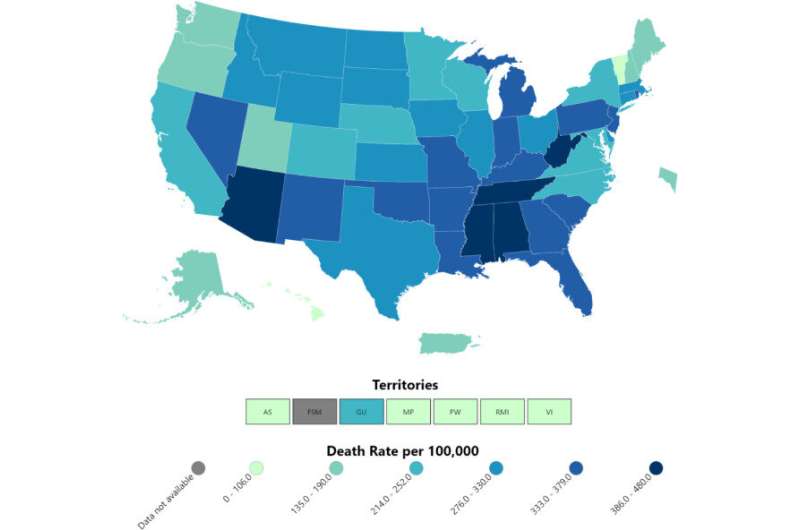
COVID-19 demise fee in the United States described to the CDC, by condition/territory (deaths for every 100,000). Source:1 Facilities for Disease Handle and Prevention (CDC): https://covid.cdc.gov/covid-facts-tracker/#scenarios_deathsper100k. AS = American Samoa FSM = Federated States of Micronesia GU = Guam MP = Northern Mariana Islands PW = Palau RMI = Republic of Marshall Islands VI = Virgin Islands. Credit: The American Journal of Medication (2022). DOI: 10.1016/j.amjmed.2022.06.006

The American Journal of Medicine has published an write-up recognizing the connection involving harmful life style behaviors and the a single million COVID-19 deaths in the United States. Dr. Carl “Chip” Lavie, Clinical Director Cardiac Rehabilitation and Avoidance at the John Ochsner Coronary heart and Vascular Institute was a senior writer on this manuscript.

In 2022, the United States surpassed a person million COVID-19 linked deaths. The publication states there is a substantial affiliation amongst unhealthy behaviors and disorders this kind of as very low physical exercise, weight problems, diabetic issues and using tobacco, and poorer outcomes from COVID-19 infections.

“Clinicians have long been informed of the link involving improved mortality fees and unhealthy existence,” explained Dr. Lavie. “People who are living sedentary life with bad eating behavior and numerous serious conditions are usually much more prone to detrimental wellbeing outcomes.”

Connecting unhealthy lifestyles to COVID-19 deaths
Nutritional routines and system mass index standing across the United States. Supply:18 Althoff T, Nilforoshan H, Hua J Leskovec J. Big-scale food plan tracking facts expose disparate associations among meals ecosystem and food plan. Credit score: The American Journal of Drugs (2022). DOI: 10.1016/j.amjmed.2022.06.006

The report clarifies that the present-day condition of health and fitness results has been developing for a long time and really should be viewed as a syndemic, which is the simultaneous event of two commonplace health and fitness ailments or endemics. In this report, the authors evaluate geographic maps of the Unites States outlining COVID-19 deaths, various way of living behaviors, obesity, and continual ailments. With this, a sample is evident and pretty alarming for healthcare professionals.

“The actuality of this comparison should be very eye-opening for many,” explained Lavie. “The only way to overcome the syndemic we are enduring is to boost healthier life and handle the wellness needs of all, especially people in underserved communities who have been disproportionately impacted by lousy results related to persistent disorders and COVID-19.”

A lot more details:
Ross Arena et al, Mapping A person Million COVID-19 Fatalities and Harmful Way of life Behaviors in the United States: Recognizing the Syndemic Sample and Getting Action, The American Journal of Drugs (2022). DOI: 10.1016/j.amjmed.2022.06.006

Supplied by
Ochsner Health and fitness Program

Quotation:
Connecting unhealthy life to COVID-19 deaths (2022, November 10)
retrieved 11 November 2022
from https://medicalxpress.com/news/2022-11-harmful-lifestyles-covid-deaths.html

This document is subject to copyright. Apart from any fair dealing for the objective of non-public review or exploration, no
aspect may possibly be reproduced devoid of the created permission. The information is delivered for details functions only.

Promotion of Healthy Diets by Governments Presents Lucrative Opportunities

Promotion of Healthy Diets by Governments Presents Lucrative Opportunities

Corporation Symbol

Worldwide Collagen Sector

Global Collagen Market

World Collagen Marketplace

Dublin, Nov. 11, 2022 (Globe NEWSWIRE) — The “Collagen Marketplace by Product Form (Gelatin, Hydrolyzed Collagen, and Indigenous Collagen), Supply (Bovine, Porcine, and Maritime & Poultry), Software (Dietary Products and solutions, Foodstuff & Beverages, and Pharmaceuticals), Kind and Region – World wide Forecast to 2026” report has been extra to ResearchAndMarkets.com’s supplying.

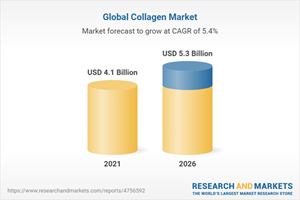
The collagen market is believed to be valued at USD 4.1 billion in 2021 and is projected to reach USD 5.3 billion by 2026, recording a CAGR of 5.4{bf0515afdcaddba073662ceb89fbb62b6b1bf123143c0e06b788e1946e8c353f}, in phrases of worth. The burgeoning acceptance of anti-aging products and solutions is operating in favor of the marketplace. In addition, increasing wellness difficulties among the the geriatric population affiliated with muscle soreness and growing old have to have using the product to meet nutritional deficiencies. Occupied lifestyles have pushed the food stuff manufacturing field to develop new merchandise that could meet the rise in desire from buyers, which, in turn, fuels the all round collagen market. Intercontinental trade of these items has obtained prominence with their escalating need, complemented by improved transportation amenities.

By resource, the bovine phase is projected to account for the most significant marketplace share in the market place throughout the forecast time period.

Based mostly on supply, the bovine phase is projected to account for the premier market share in the sector through the forecast period of time. Collagen from bovine is superior in protein information and large-water solubility and has very low molecular bodyweight. As a final result, manufacturers are growing its utilization in the food & beverage field to provide much more healthy items to their people. Presently, bovine collagen dietary supplements that are derived from cow hides are very available in outlets.

By kind, the dry phase is estimated to account for the major share.

The dry section of the collagen is dominating the market. Powdered collagens showcase excellent mixing homes, which is why it is significantly staying employed in a variety of foods purposes. These can be additional to most foodstuff apps, such as espresso, smoothies, dairy solutions, snacks, soups, sauces, and confectionery goods, amid other individuals. The agglomerated powder possesses various other positive aspects: no lump formation, dust-free of charge managing, clean flowability, regularity, no clogging, and fantastic storage potential.

By products kind, the gelatin section is forecasted to account for the greatest marketplace share.

Gelatin is widely utilized in foods to enhance elasticity, regularity, and security. Gelatin is employed to make gelatinous desserts, gummy candies, many yogurts, and some marshmallows. is also included to specific meats to avert them from drying out and giving them an beautiful glaze. By performing as a coagulant, gelatin can be utilized to precipitate impurities throughout manufacturing of wine, beer, cider, and juices. In dairy products and solutions, gelatin is generally extra to lower-fats dairy products and solutions to give the sensation of ingesting body fat.

By application, the nutritional products phase is expected to account for the most significant marketplace share in the course of the review interval.

Collagen is combined with other elements in several balanced items due to its a variety of chemical and dietary homes. Collagen peptides, due to their superior binding attributes, are applied as a partial glucose replacer in protein bars. Collagen is also eaten in powder sort, included to sizzling drinks, smoothies, or baked items, to provide added protein.

Market Dynamics

Motorists

  • Escalating Apps of Collagen in the Healthcare and Pharmaceutical Market

  • Maximize in the Demand from customers for Cosmetic Products Made up of Collagen

  • Increasing Apps of Collagen in the Food & Beverage Business

Restraints

Alternatives

Problems

Crucial Subjects Lined:

1 Introduction

2 Investigate Methodology

3 Govt Summary

4 Premium Insights

5 Industry Overview

6 Sector Traits

7 Collagen Industry, by Supply

8 Collagen Sector, by Form

9 Collagen Market, by Solution Form

10 Collagen Industry, by Software

11 Collagen Market, by Location

12 Aggressive Landscape

13 Business Profiles

14 Adjacent and Connected Markets

15 Appendix

Firms Talked about

  • Gelita AG (Germany)

  • Nitta Gelatin, Inc. (US)

  • Weishardt (France)

  • Darling Ingredients (US)

  • Nippi Inc. (Japan)

  • Vinh Hoan Company (Vietnam)

  • Junca Gelatines, S.L. (Spain)

  • Lapi Gelatine (Italy)

  • Gelnex (Brazil)

  • Very important Proteins (US)

  • Ewald-Gelatine (Germany)

  • Collagen Remedies (British isles)

  • Crescent Biotech (India)

  • Foodmate Co. Ltd. (China)

  • Suboneyo Chemicals Pharmaceutical P Ltd. (India)

  • BioCell Technologies (US)

  • Amicogen (South Korea)

  • Kayos (India)

  • Aspen Naturals (US)

  • Chaitanya Chemical substances (India)

For a lot more details about this report go to https://www.researchandmarkets.com/r/5eeal5

Attachment

Get in touch with: Make contact with: ResearchAndMarkets.com Laura Wooden,Senior Press Manager press@researchandmarkets.com For E.S.T Office Hours Get in touch with 1-917-300-0470 For U.S./ CAN Toll Free of charge Call 1-800-526-8630 For GMT Business office Hrs Simply call +353-1-416-8900

A long-term care plan helps people with disabilities thrive : Shots

A long-term care plan helps people with disabilities thrive : Shots

Courtney Johnson, who has autism and multiple chronic illnesses, lives relatively independently. Her grandparents and friends have helped her access social services. Still, she says, “thinking about the future is a bit terrifying to me.”

Tristan Lane


hide caption

toggle caption

Tristan Lane


Courtney Johnson, who has autism and multiple chronic illnesses, lives relatively independently. Her grandparents and friends have helped her access social services. Still, she says, “thinking about the future is a bit terrifying to me.”

Tristan Lane

Thinking about the future makes Courtney Johnson nervous.

The 25-year-old blogger and college student has autism and several chronic illnesses, and with the support of her grandparents and friends, who help her access a complex network of social services, she lives relatively independently in Johnson City, Tenn.

“If something happens to them, I’m not certain what would happen to me, especially because I have difficulty with navigating things that require more red tape,” she says.

Johnson says she hasn’t made plans that would ensure she receives the same level of support in the future. She especially worries about being taken advantage of or being physically harmed if her family and friends can’t help her — experiences she’s had in the past.

“I like being able to know what to expect, and thinking about the future is a bit terrifying to me,” she says.

Johnson’s situation isn’t unique.

25{bf0515afdcaddba073662ceb89fbb62b6b1bf123143c0e06b788e1946e8c353f} of U.S. adults live with a disability

Experts say many people with intellectual and developmental disabilities do not have long-term plans for when family members lose the ability to help them get access to government services or to care for them directly.

Families, researchers, government officials, and advocates worry that the lack of planning — combined with a social safety net that’s full of holes — has set the stage for a crisis in which people with disabilities can no longer live independently in their communities. If that happens, they could end up stuck in nursing homes or state-run institutions.

“There’s just potential for a tremendous human toll on individuals if we don’t solve this problem,” says Peter Berns, CEO of the Arc of the United States, a national disability-rights organization.

About 25{bf0515afdcaddba073662ceb89fbb62b6b1bf123143c0e06b788e1946e8c353f} of adults in the U.S. live with a disability, according to the Centers for Disease Control and Prevention. Nearly 75{bf0515afdcaddba073662ceb89fbb62b6b1bf123143c0e06b788e1946e8c353f} of Americans with disabilities live with a family caregiver, and about 25{bf0515afdcaddba073662ceb89fbb62b6b1bf123143c0e06b788e1946e8c353f} of those caregivers are 60 or older, according to the Center on Developmental Disabilities at the University of Kansas.

Any care plan needs to be ‘a living document, because things change’

But only about half of families that care for a loved one with disabilities have made plans for the future, and an even smaller portion have revisited those plans to ensure they’re up to date, says Meghan Burke, an associate professor of special education at the University of Illinois in Urbana-Champaign.

“Engaging in it once is good, right? But you can’t only engage in it once,” she says. “It’s a living document, because things change, people change, circumstances change.”

Burke’s research has found several barriers to planning for the future: financial constraints, reluctance to have hard conversations, trouble understanding government services. Creating plans for people with disabilities also is a complex process, with many questions for families to answer: What are their relatives’ health needs? What activities do they enjoy? What are their wishes? Where will they live?

Rob Stone was born with a condition that restricts much of his movement. His mother, Jeneva, says her family has been “flummoxed” by the process of planning for the future. They just want to make sure Rob will have a say in where he lives and the care he receives.

rahfoard


hide caption

toggle caption

rahfoard


Rob Stone was born with a condition that restricts much of his movement. His mother, Jeneva, says her family has been “flummoxed” by the process of planning for the future. They just want to make sure Rob will have a say in where he lives and the care he receives.

rahfoard

Burke has firsthand experience answering those questions. Her younger brother has Down syndrome, and she expects to become his primary caregiver in the future — a situation she said is common and spreads the work of caregiving.

“This is an impending intergenerational crisis,” she said. “It’s a crisis for the aging parents, and it’s a crisis for their adult offspring with and without disabilities.”

Nicole Jorwic, chief of advocacy and campaigns for Caring Across Generations, a national caregiver advocacy organization, says the network of state and federal programs for people with disabilities can be “extremely complicated” and is full of holes. She has witnessed those gaps as she has helped her brother, who has autism, get access to services.

“It’s really difficult for families to plan when there isn’t a system that they can rely on,” she says.

Advocates see a chronic underinvestment in Medicaid disability services

Medicaid pays for people to receive services in home and community settings through programs that vary state to state. But Jorwic says there are long waitlists. Data collected and analyzed by KFF shows that queue is made up of hundreds of thousands of people across the country. Even when people qualify, Jorwic adds, hiring someone to help can be difficult because of persistent staff shortages.

Jorwic says more federal money could shorten those waitlists and boost Medicaid reimbursements to health care providers, which could help with workforce recruitment. She blames chronic underinvestment in Medicaid disability services for the lack of available slots and a dearth of workers to help people with disabilities.

“It’s going to be expensive, but this is four decades of funding that should have been done,” she says.

Congress recently put about $12.7 billion toward enhancing state Medicaid programs for home- and community-based services for people with disabilities, but that money will be available only through March 2025. The Build Back Better Act, which died in Congress, would have added $150 billion, and funding was left out of the Inflation Reduction Act, which became law this summer, to the disappointment of advocates.

Jeneva Stone’s family in Bethesda, Md., has been “flummoxed” by the long-term planning process for her 25-year-old son, Rob. He needs complex care because he has dystonia 16, a rare muscle condition that makes moving nearly impossible for him.

“No one will just sit down and tell me what is going to happen to my son,” she says. “You know, what are his options, really?”

A special savings account and plan in place for ‘supported decision-making’

Stone says her family has done some planning, including setting up a special needs trust to help manage Rob’s assets and an ABLE account, a type of savings account for people with disabilities. They’re also working to give Rob’s brother medical and financial power of attorney and to create a supported decision-making arrangement for Rob to make sure he has the final say in his care.

“We’re trying to put that scaffolding in place, primarily to protect Rob’s ability to make his own decisions,” she says.

Alison Barkoff is acting administrator for the Administration for Community Living, part of the U.S. Department of Health and Human Services. Her agency recently released what she called a “first ever” national plan, with hundreds of actions the public and private sectors can take to support family caregivers.

“If we don’t really think and plan, I’m concerned that we could have people ending up in institutions and other types of segregated settings that could and should be able to be supported in the community,” says Barkoff, who notes that those outcomes could violate the civil rights of people with disabilities.

She says her agency is working to address the shortages in the direct care workforce and in the supply of affordable, accessible housing for people with disabilities, as well as the lack of disability-focused training among medical professionals.

Evan Woody has needed round-the-clock care since his brain injury and lives with his parents in Dunwoody, Ga. His father, Philip, says his family has some plans in place for Evan’s future, but one question is still unanswered: Where will Evan live when he can no longer live with his parents?

Philip Woody


hide caption

toggle caption

Philip Woody


Evan Woody has needed round-the-clock care since his brain injury and lives with his parents in Dunwoody, Ga. His father, Philip, says his family has some plans in place for Evan’s future, but one question is still unanswered: Where will Evan live when he can no longer live with his parents?

Philip Woody

But ending up in a nursing home or other institution might not be the worst outcome for some people, says Berns, who points out that people with disabilities are overrepresented in jails and prisons.

A step-by-step guide to coming up with the right plan

Berns’ organization, the Arc offers a step-by-step planning guide and has compiled a directory of local advocates, lawyers, and support organizations to help families. Berns says that making sure people with disabilities have access to services — and the means to pay for them — is only one part of a good plan.

“It’s about social connections,” Berns says. “It’s about employment. It’s about where you live. It’s about your health care and making decisions in your life.”

Philip Woody feels as though he has prepared pretty well for his son’s future. Evan, 23, lives with his parents in Dunwoody, Ga., and needs round-the-clock support after a fall as an infant resulted in a significant brain injury. His parents provide much of his care.

Woody says his family has been saving for years to provide for his son’s future, and Evan recently got off a Medicaid waitlist and is getting support to attend a day program for adults with disabilities. He also has an older sister in Tennessee who wants to be involved in his care.

But two big questions are plaguing Woody: Where will Evan live when he can no longer live at home? And will that setting be one where he can thrive?

“As a parent, you will take care of your child as well as you can for as long as you can,” Woody says. “But then nobody after you pass away will love them or care for them the way that you did.”

KHN (Kaiser Health News) is a national, editorially independent program of the Kaiser Family Foundation (KFF).

Top 10 Healthcare Industry Predictions For 2023

The year 2022 is almost behind us and the healthcare industry is preparing for what promises to be a most interesting 2023.

Deals—big and small—and increasing regulatory scrutiny will make 2023 a year to remember for all.

Given the prescience and accuracy of my 2022 predictions, many of you have asked about my methodology.

If you must know (and seek to remove the mystery of it all), it’s pure clairvoyance—a divine gift with which I was born.

Joking aside, some predictions are pure hunch; others are extensions of trends observed in 2022 that will continue into 2023; and others still are a reflection of my deepest hopes—some of which I hope I will nudge into being by writing it here in this column.

Without further ado, I give you the year ahead in healthcare, 2023 edition:

1) Medicare Advantage Will Remain Under A Microscope

I predicted last year that that the Medicare Advantage debate that my mentors Don Berwick and Rick Gilfillan started in 2021 would intensify. The year 2022 didn’t disappoint as Don and Rick used the pages of the Health Affairs blog to spar with numerous Medicare Advantage defenders including heavyweights WellBe Medical CEO Jeff Kang, former Kaiser Permanente CEO George Halvorson, and former CAPG CEO Don Crane. New York Times writers Reed Abelson and Margot Sanger Katz followed on with a provocative set of articles on Medicare Advantage utilization management practices; revenue capture; and broker practices. The microscope is turned on and examining Medicare Advantage in high resolution—and this scrutiny will continue deep into 2023.

As the CEO of Medicare Advantage plans for 7 years running, I have strong conviction that the Medicare Advantage is an important program that enables innovation to serve older adults, but also acknowledge that there is significant room to improve it. To address some of the emerging skepticism of Medicare Advantage, plans should proactively implement more stringent revenue coding practices; commit to access-to-care “never events” to ensure beneficiaries always have access to care in a timely manner; and continue to enhance the quality of benefits delivered through their products. The best answer to the critics is to be irrefutably and consistently better for Medicare beneficiaries—and that is the challenge to all companies that operate plans.

Whether the pundits find value in the program or not, it is here to stay—as more than 40{bf0515afdcaddba073662ceb89fbb62b6b1bf123143c0e06b788e1946e8c353f} percent of older adults rely on it for their care. Our focus should be on aligning on ideas to improve the program, not arguing whether it’s better or worse than traditional fee-for-service Medicare (as with most things, the answer is, it depends). The leadership of the Centers for Medicare and Medicaid Services (CMS), the regulatory agency that oversees the Medicare program, might consider what it would take to build a modern health plan regulatory infrastructure to measure and risk-adjust care provided to Medicare Advantage beneficiaries in real time. The agency’s founding purpose was to administer fee-for-service payments and the growing popularity of the Medicare Advantage program has permanently broadened its mandate to include robust health plan regulation and oversight.

2) A Private Equity and Venture Capital Feeding Frenzy Of A Different Kind

Countless new ventures (with some clever names, I should add) were built over the past several years in an environment of easy money. With soaring interest rates and a rising cost of capital, companies that thought they would have unlimited runway will suddenly find themselves at an unexpected crossroads. Raise another round under unfavorable terms (a.k.a. a down round), perform layoffs to preserve cash, or sell the company. Look for private equity companies to begin vacuuming up sub-scale companies and consolidating them into bigger companies assembled around “themes” that have a better chance at survival.

Look for venture capital firms to dictate investor-friendly terms to companies that find themselves in the unfortunate position of having to raise capital in this environment. And look for some of the weaklings in the startup crowd to sell-cheap or disappear.

The first companies to find themselves in trouble will likely be single-condition companies who targeted a specific poorly managed disease—who in the well-intentioned frenzy to create a new solution missed the kindergarten class in which we learned that the “hip bone is connected to the leg bone…” Patients need solutions that own and address all of their complex conditions. Primary care, anyone?

Look also for failure among the wide-range of companies that were valued more on the total addressable market than on any real world impact on patient care.

3) More and More Customer Segmentation

While companies that focus on a single condition or subset of the population may struggle, all healthcare companies (big and small) are beginning to look at further segmenting their offerings to differentially serve and grow within diverse populations. Clever Care, a Medicare Advantage startup in Southern California, grew impressively in the Asian community through focused benefit offerings, a carefully curated network, and a grassroots model that engaged community members. Alignment Healthcare (NASDAQ: ALHC) began serving members through its “el Unico” option focused on the Hispanic population. And my company, SCAN Health Plan, partnered with Included Health to launch its Affirm product focused on the LGBTQ+ population. The products all provide differentiated service and benefits and also unlock growth that might not otherwise be attracted to the market or the company. Similar trends are present on the care delivery side where there are a growing number of startups focused on ethnic populations. Zocalo Health, for example, is a new clinical company founded by Amazon Care alumni Erik Cardenas and Mariza Hardin “by Latinos for Latinos.”

The idea that “all patients” should receive the same clinical model is being fundamentally questioned—and this is a very positive development. Whether these offerings will be viable in the long-run is an open question, but certainly worth watching as every company is looking to align with broader trends in diversity, equity, and inclusion and simultaneously drive results.

4) Toxic Positivity Around Value-Based Care Will Abate

“We need to stop paying for volume and start paying for value.” Snooze. It’s been the go-to healthcare industry talking point for more than a decade, prompted in part by my business school mentor, Michael Porter—and accelerated by policy changes introduced in the Affordable Care Act.

While no one can argue with the fact that paying for outcomes is superior to paying for volume, few are acknowledging that “value-based” care is often code for: pay me the same amount you always did in aggregate and let me manage utilization of services. Or it’s code for help me maximize my revenue and reduce my costs. Or it’s code for let me “share savings” for outcomes that I may or may not have played a role in producing. I say this as a leader of a company that almost exclusively pays provider groups in “value-based” global capitation and shared savings arrangements.

For “value-based” care to actually work to reduce healthcare costs, some part of the healthcare value chain will need to be paid less (imagine that?). That means global payments should decrease over time; the price of bundles should decrease as waste is eliminated from care; and when care doesn’t work—there should be no payments. That is not what is happening. If value-based care is going to be the driver of lower healthcare costs and better outcomes, please let me know who is going to be sacrificing their revenues? Hospital systems? Medical groups? Insurance companies? Pharmaceutical companies? Device manufacturers?

I’m waiting…and suspect I will be for a long time. For too many, “value-based” care is the a new hustle to get more of the healthcare dollar on one’s income statement, not a pathway to lower costs and better outcomes for society.

5) Home-Based Care Will Get A Closer Look

There isn’t a day that goes by that someone isn’t proclaiming the “home as the best place to deliver care” or the future of healthcare “is in the home.” Heck, I’ve been that someone many times—and, in fact, built and led several home-based care models at CareMore Health, my prior company, and created 3 home-based care divisions at SCAN.

That said, the home isn’t the best place for everyone. It was something I learned firsthand when my Dad transitioned to dialysis during the early part of the pandemic. While he liked some aspects of the convenience of getting dialysis at home, it imposed significant extra work on my Mom and his other caregivers. In fact, what it seemed like is that the work that was being done by the staff at my father’s dialysis center was being shifted to our family. While it is work we are willing and happy to do it, my thoughts turned to the many older adults who are socially isolated who don’t have significant social support (this latter point is one that Janet Simpson Benvenuti and ARCHANGELS Founder Alexandra Drane have been making for some time). Or the space in their homes to safely store medical equipment and supplies. To further complicate things, the dextrose-based peritoneal dialysis solution worsened management of my Dad’s underlying diabetes. It’s far more complicated than just “moving it to the home.” And in many cases, home-based care models substitute a facility-based doctor or a nurse-practitioner with a lesser-trained home-based clinician whose training level may be misaligned to the complexity of the patient (or no clinician at all!).

Home-based care’s surface logic will continue to make it quite appealing. Who wouldn’t want to receive care in the home instead of a sterile hospital or clinic setting? But we need to keep an extremely close eye on patient outcomes and experience as big corporates like Humana (NYSE: HUM), United/Optum (NYSE: UNH), and CVS (NYSE: CVS) continue to bet on the “home” alongside large delivery systems and countless startups. The home is not the right point of service for all patients—and we need more nuance in our dialog on the topic.

6) Biopharmaceutical Innovation Will Continue to Impress at Prices That Won’t

When I talk to my friends who work inside of pharmaceutical companies and biotechnology companies, I’m blown away by their pipelines. Would you be impressed to hear about an effective, non-addictive, non-opiate pain medicine? Or a cure for sickle cell disease or Type I diabetes? All of these interventions are under development by Vertex (NASDAQ: VRTX) (disclosure: I own stock in the company). How about a therapy to edit the human genome to treat heart attack? Cambridge, MA-based Verve Therapeutics (NASDAQ: VERV) is on it. The scope and scale of biopharmaceutical innovation is unprecedented —even breathtaking—in its potential impact. Conditions that were certain death sentences when I was in medical school are no longer. It can make anyone a believer again in American science and innovation.

Pricing of these interventions? That’s another matter altogether. Watching Pfizer (NYSE: PFE) signal its intent to potential quadruple the price of its COVID19 vaccination—and Moderna’s (NASDAQ: MRNA) likely follow-on price increase would make anyone and everyone cynical. As one of the remaining few pharmaceutical apologists who works in other sectors of healthcare, I don’t know what to say anymore when people badmouth biopharma.

7) Tech and Retail Will Continue to Inch Into Healthcare Delivery

Healthcare is an attractive marketplace for any non-healthcare company that is looking for a new source of top-line revenue growth. After all, nearly 20{bf0515afdcaddba073662ceb89fbb62b6b1bf123143c0e06b788e1946e8c353f} of US GDP is healthcare-related. Everyone wants a piece of the action. That said, margins in most sectors of healthcare are lower than other industries. And the regulatory environment and rules of play are complicated. That’s why most-healthcare sector incursions by big tech and retail—despite the noise associated with them—have been relatively small.

That said, the prize is too big for anyone to stay away. Amazon (NASDAQ: AMZN) will close its One Medical (NASDAQ: ONEM) deal in 2023 and likely look to acquire an insurer (Oscar? Alignment? Bright?). Apple’s (NASDAQ: APPL) Sumbul Desai and Google’s (NASDAQ: GOOGL) Karen DeSalvo will keep making targeted moves. Walmart (NYSE: WMT), under Cheryl Pegus’s capable leadership will continue to march forward in retailing healthcare in rural healthcare. Walgreens Boots Alliance (NASDAQ: WBA) new president for healthcare, John Driscoll, will begin to move chess pieces of Walgreens Health, VillageMD, and CareCentrix. And CVS’s new president for healthcare, Amar Desai, will bring lessons he learned leading United Health Group’s Optum west region care delivery assets to a national scale through CVS’s Signify Health (NYSE: SFFY) acqusition. It’s going to be hard for any of them to move the revenue needle of the corporate parent, but that doesn’t mean they won’t try. As deal guru Ian Wijaya, managing director at Lazard told me, “There are a lot of targets, especially mid-sized and small. Everyone will be in the game of trying to vertically integrate to make their core businesses more valuable.”

I’m betting against any mega-acquisitions by tech or retail, but I still think that is the play to make. How potentially impactful would it be if Amazon, Apple, or Google acquired a large delivery system or medical group and applied technology and design thinking to revolutionize the patient experience? Talk about a possible quantum leap in US healthcare.

8) COVID’s Impact Continues

COVID will continue to make its way through unvaccinated populations and will remain a part of the national care delivery landscape even as “COVID fatigue” reins supreme. As confusion lingers on an optimal vaccination regimen, patients who otherwise might have been boosted, may contract moderate to severe COVID at higher than expected rates. The federal healthcare leadership of Presidential COVID Advisor Ashish Jha, CDC Director Rochelle Walensky, and Surgeon General Vivek Murthy will need to be at their creative best to keep a tired public focused on COVID—even when everyone is ready to turn the page.

Even if we are able to get clear messaging on COVID, we will continue to see the downstream effects of 2+ years of lower rates of preventative healthcare and chronic disease. Healthcare utilization will be increased across the board—so hospitals and managed care organizations should brace themselves for higher than usual volumes from people who are sicker than they otherwise needed to be on accounts of COVID-imposed delays in care.

On the bright-side, COVID-mediated innovations in the healthcare system—i.e. broad adoption of tele-health—will be here to say with continued reimbursement to support it.

9) Progress on the True Underlying Causes of Clinician Burnout

Healthcare organizations—forced to look at their failed human capital strategies in a highly competitive labor market—will begin to look at the underlying causes for burnout in their systems. They will realize what many of us have known for a long time. That being a worker on the frontlines of healthcare delivery is no longer as rewarding as it once was. Not just financially, but psychically. Being a doctor or nurse in 2022 means being buried in documentation. It means being perpetually apologetic for a suboptimal patient experience that you didn’t create. It means feeling like a invisible cog in a big, unwieldy machine. It means feeling like a hamster on a never-ending treadmill.

And because they finally have to, leaders of healthcare organizations will begin to fix it. Not with pro forma yoga classes or subscriptions to meditation apps or burnout seminars. I mean really fix it. By streamlining work. By eliminating unnecessary administrative tasks. By promoting and honoring people in a real and authentic way. By making people feel like they matter again. By remembering that the people in your employ are the product in most healthcare organizations.

10) Greater Recognition That We Have a Leadership Crisis in American Healthcare

I used to think that the pathway to better healthcare in the United States was better healthcare policies. Then, we passed numerous great healthcare policies that enabled organizations to succeed by doing more of the right things (i.e. value-based care). But their implementation has been uneven and even where it is implemented, not always aligned to the best interests of the patient or society. And then there’s the matter of predatory billing practices. And price gouging by biopharmaceutical companies. To say we have a leadership crisis in the healthcare industry may be the understatement of the decade.

The more I reflect on it, the intervention that will improve healthcare the most won’t be more startups or better healthcare policy. Instead, it will be leaders who fight to make the words in the organization’s mission statement really mean something. Leaders who are able to speak beyond platitudes and take action that align with core values. Leaders who believe that the pathway to better healthcare means healthier people—which may obviate the need for the organization in its current form. Leaders who will reliably put patients before profit regardless of whether an organization’s tax status is for-profit or not-for-profit. We don’t have many leaders like that in American healthcare. We have title-holders. We have executives. And we have administrators. But we have few leaders. And I suspect that it’s because what it takes to climb the ranks of healthcare organizations of all kinds—corporate guile, political acumen, and ambition—doesn’t often align with the kind of idealism and mission-driven focus that one must have to lead change when they are atop that organization.

And so the work to make American healthcare better won’t be the next startup or the next big initiative or acquisition. It might be a leadership academy to train people to hold on to their idealism and vision even in the face of industry forces that seem to conspire to rob you of it. It might be a new strategy to cultivate organizational talent. The year 2022 will be the year in which we begin to have this important conversation about what it will take to really move the needle: namely, changing the culture of leadership in US healthcare.

…

In the past, I’ve been accused of being too much of a cynic in my outlook on the US healthcare industry. To which I respond with the Alain de Botton quotation, “Cynics are only idealists with awkwardly high standards.”

To a great 2023, hoping it is a year in which we restore our idealism, even if just a little bit.