
How to lead a healthy lifestyle? Here are 5 tips

Living a balanced lifestyle is a key factor in maintaining physical and mental well-being. It has become even more important ever since Covid-19 came into our lives. A lot of people started taking their health more seriously. If you also want to improve your health and lead a balanced lifestyle, here are some essential tips for you.

How to lead a healthy lifestyle?

A balanced lifestyle incorporates various elements such as exercise, proper sleep, a balanced diet, and supplementation. By incorporating these, you can improve physical and mental health, reduce the risk of chronic diseases and achieve a sense of balance in your life.

A balanced lifestyle also helps to promote stress management, increase energy levels and improve mood and self-esteem. A balanced lifestyle is an investment in your future well-being and this can be achieved by following five simple steps.

Here are 5 ultimate tips to live a healthy life

1. Practice yoga

Practicing yoga regularly can help to achieve a healthy balance in your life. It can improve your flexibility, strength, and endurance, while also helping to calm your mind and relax your body. The physical practice of yoga includes the performance of various postures or asanas. Asanas are designed to stretch and strengthen the muscles, improve flexibility and promote proper alignment of the body.

How to lead a healthy lifestyle? Here are 5 tips
Yoga can support the body and health. Image courtesy: Adobe Stock

2. Indulge in regular exercise

Exercise is also an essential part of living a balanced lifestyle. Getting regular exercise is important for maintaining a healthy balance in your life. It can help to improve your cardiovascular health, increase your energy levels, and help you to maintain a healthy weight. Whether it’s going for a walk, hitting the gym or participating in a sport, it’s important to find an activity that you enjoy and make it a regular part of your routine. Aim to exercise 5 days a week for at least 30 minutes a day.

3. Ensure proper sleep

Sleep is crucial for mental and physical recovery and getting enough sleep is essential for maintaining a healthy balance in your life. It can help to improve your mood, increase your energy levels, and help your body to recover from physical activity. Aim to get 7 to 9 hours of sleep each night, and establish a consistent sleep routine by going to bed and waking up at the same time every day. To promote better sleep, try to avoid screens before bedtime, create a relaxing bedtime routine, and avoid consuming caffeine and alcohol close to bedtime.

4. Consume a balanced diet

A balanced diet is another key component of a balanced lifestyle. Having a balanced diet can help to improve your overall health, increase your energy levels, and help you to maintain a healthy weight. Eating a diet that is rich in whole foods, such as fruits, vegetables, whole grains, lean protein, and healthy fats, can help you maintain a healthy weight, reduce the risk of chronic diseases, and improve your overall well-being. It’s also important to stay hydrated by drinking plenty of water throughout the day. Aim to limit your intake of processed foods and sugary drinks, and include a variety of foods from all food groups in your diet.

how to lead a healthy lifestyle
Eat healthy, stay healthy. Image Courtesy: Shutterstock

5. Take proper supplementation

Post Covid-19, people have started visiting gyms and fitness centers to take care of their health regime. In order to ensure that you have adequate energy to work out it is necessary to keep yourself fit. Supplementation can play a role in providing us with that energy. Supplements can provide your body with essential vitamins and minerals that may be lacking in your diet. They can help to improve your nutrient intake, increase your energy levels, and help you to maintain a healthy balance in your life.

However, it’s important to talk to your doctor before starting any new supplement regimen, as certain supplements can interact with medications or have other side effects. Some common supplements that can help promote a balanced lifestyle include whey proteins, multivitamins, fish oil, and probiotics.

Takeaway

Living a balanced lifestyle involves a combination of physical activity, proper sleep, a balanced diet, and supplementation. By incorporating yoga, exercise, proper sleep, a balanced diet, and supplementation into your daily routine, you can improve your overall physical and mental well-being and achieve a sense of balance in your life. Remember to listen to your body, prioritize self-care and make changes at a pace that works for you.

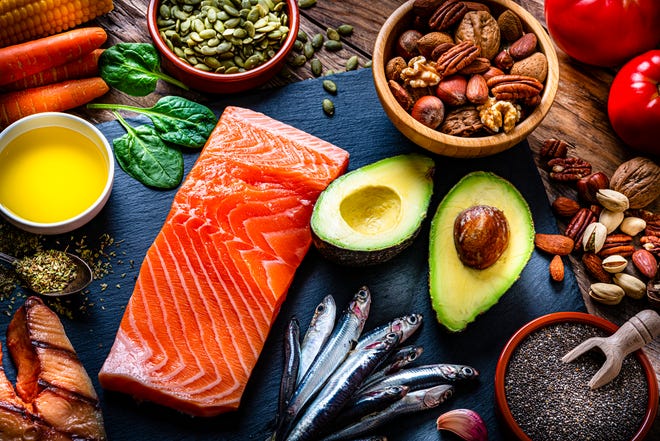
 

Promote nutritious diet, healthy lifestyle to combat childhood obesity

The new American Academy of Pediatrics rules for childhood being overweight have shifted from a “watchful waiting” method to “early and aggressive therapy.” The latest protection of the suggestions in The Seattle Occasions and other trustworthy news retailers has identified this new comprehension of childhood weight problems as a condition in have to have of speedy, aggressive intervention, but has presented tiny consideration to what has been proven to aid retain youngsters healthy — a healthy diet regime and healthful way of living habits.

Physique measurement is elaborate and influenced by a multitude of factors. In accordance to the Facilities for Sickness Management and Prevention, weight problems in children ages 2 to 18 is described as a entire body mass index previously mentioned the 95th percentile. Common physique dimensions and pounds in human beings in the United States has amplified noticeably about the earlier 60 several years, which usually means much more older people and kids slide into types outlined to be chubby and obese. There has been much stress on health-related companies to “fix” the dilemma of escalating physique body weight, but I imagine our point of view and technique has been all improper.

Emphasizing entire body dimensions, particularly in kids, is unlikely to enable us obtain our supreme objective for our patients — advertising and marketing health, nicely-being and longevity. Drugs and surgical procedure in young small children address just 1 symptom. Nonetheless, it tends to undermine root brings about, which is what is certainly driving our skyrocketing incidence of persistent ailments, circumstances this kind of as cardiovascular disorder, diabetic issues, dementia and early mortality.

The respond to lies in the observe and promotion of lifestyle drugs, systemic alterations to our foods source and availability, intuitive ingesting procedures and a de-emphasis on human body dimension as the analyzing aspect of overall health and properly-staying.

According to a analyze in the American Journal of Clinical Nourishment, a diet plan wealthy in greens, fruits, legumes and complete grains is related with decrease body body weight in little ones, which is linked with a lowered threat of chronic ailment. Decades of study show that this variety of healthful, plant-based ingesting can assistance stop, boost and even reverse variety 2 diabetic issues. The American Diabetes Association even endorses a plant-primarily based diet plan.

A very low-fats, plant-based diet plan also lowers the possibility of coronary heart disease in little ones by increasing their blood pressure and cholesterol concentrations, according to a Cleveland Clinic study. That’s crucial as some children now clearly show evidence of sizeable heart ailment beginning as younger as age 8! And half of U.S. children and adolescents do not have great cholesterol concentrations, with 25{bf0515afdcaddba073662ceb89fbb62b6b1bf123143c0e06b788e1946e8c353f} in the clinically superior vary.

I have viewed firsthand in my pediatric observe the variance diet and life style modifications can make for the overall health and effectively-remaining of youngsters and their entire household. My target is not to mildew little ones into a selected entire body measurement but deliver all the education and applications to live a extended and healthy daily life by way of well being-advertising behavior and behaviors.

Some recommendations I share with moms and dads to encourage the adoption of wellness-selling taking in habits include:

• Train little ones the benefit of excellent diet and that meals is a gas for well being and effectively-being. There are no great and terrible meals but some foods are larger in nutrient density and fiber.

• Have healthful foodstuff readily out there for foods and snacks, for instance hummus and crackers, or a clean or frozen fruit smoothie.

• Observe a adaptable plan for food and snack times and aid little ones as they understand to hear to normal starvation and fullness cues, alternatively than focusing on “cleaning plates.” 

• Have interaction children in the meals planning method.

When diet plan is not a panacea, the mention of prevention and dietary interventions that operate to lessen the threat of persistent disorder ought to be a element of any reporting on childhood being overweight.  

February is American Heart Health Month: Practice a healthy lifestyle

Mark A. Mahoney

As we changeover into February knowing danger aspects for heart condition and how to live a heart-healthful lifestyle are a component of practising self-treatment.

American Coronary heart Health and fitness Thirty day period celebrates its 57th consecutive calendar year and presents us with a concentrate on gaining understanding to empower us to act on tactics to prevent heart sickness as nicely as dealing with these who have professional this issue.

February is American Heart Health Month: Practice a healthy lifestyle

Coronary heart-healthful residing consists of comprehending your threat, generating balanced choices, and getting actions to minimize your prospects of obtaining heart condition, which includes coronary coronary heart illness, the most widespread type. By using preventive steps, you can decreased your chance of producing heart ailment that could direct to a heart assault. You can also boost your overall health and fitness and properly-staying.

Healthy lifestyle may mean lower risk of long Covid, study says


CNN
 — 

Individuals who have a nutritious life style prior to Covid-19 an infection may possibly have a lessen risk of very long Covid than their peers, a new analyze claims.

The examine, revealed Monday in JAMA Inner Drugs, appeared at pretty much 2,000 girls who documented a good Covid-19 exam between April 2020 and November 2021. The contributors were enrolled in the Nurses’ Wellness Analyze II, which has been surveying additional than 100,000 US nurses because 1989.

The researchers seemed at 6 modifiable lifestyle variables that they outlined as healthful: a system-mass index amongst 18.5 and 24.7, by no means cigarette smoking, moderate liquor usage, a large-high-quality diet program, 7 to 9 hours of slumber for each night time and at the very least 150 minutes per 7 days of moderate to vigorous bodily activity.

They uncovered that a healthier pre-an infection way of life was affiliated with a lessen threat of Covid-19 signs that lasted four months or more time. Gals who fulfilled five or 6 of the conditions for a healthier way of life had practically half the danger of lengthy Covid as females who satisfied none of the requirements.

“These associations were being predominantly driven by healthier body bodyweight and suitable sleep,” the scientists wrote in the analyze.

The women who had a healthier way of life and received lengthy Covid had about 30{bf0515afdcaddba073662ceb89fbb62b6b1bf123143c0e06b788e1946e8c353f} lower chance of signs or symptoms that interfered with daily existence.

The scientists speculated that the results may possibly be partly spelled out by the website link amongst these life-style aspects and persistent irritation, immunity or blood clotting issues.

On the other hand, they also famous that the study’s generalizability is confined for the reason that it seemed only at middle-aged female nurses who ended up predominantly White. Other limitations include the use of self-described knowledge and a lack of understanding about the possibility of very long Covid with different strains of the coronavirus.

Preceding investigation has joined life style elements with the danger of severe Covid-19 an infection, hospitalization or loss of life, they mentioned, as perfectly as in general ailment and mortality.

“In the past many years, researchers have amassed evidence that healthier life-style is great for overall wellness. Even so, in the U.S. for illustration, 70{bf0515afdcaddba073662ceb89fbb62b6b1bf123143c0e06b788e1946e8c353f} of the populace do not have a healthful human body body weight and 30{bf0515afdcaddba073662ceb89fbb62b6b1bf123143c0e06b788e1946e8c353f} do not sleep more than enough. Results from this research recommend that very simple way of life adjustments, these as possessing satisfactory sleep, may possibly be effective for the prevention of extensive COVID,” guide research author Siwen Wang, a exploration fellow in the Section of Nutrition at the Harvard T.H. Chan School of Public Health and fitness, reported in a statement.

Why young adults should be cautious about poor lifestyle habits as heart attacks are on the rise

Most younger older people may perhaps not look at that negative habits like overeating junk food items, skipping the fitness center and functioning on no slumber will capture up with them, but it’s taking place a great deal sooner than they consider. Heart assaults and strokes are on the rise amid people today below 40.

Particulars on a new survey clearly show the require for younger Americans to make smaller changes now that will have a huge impact on their coronary heart health.

Dave Conway was just 30 when he had a several days of worsening exhaustion and shortness of breath.

“A large amount of individuals who I requested was like, ‘Well, this is 30. You are not likely to be ready to recover like you applied to,” mentioned Conway. When he finally landed in the ER, he discovered he experienced a significant coronary heart attack. “I believed a coronary heart attack only transpired if you are around 60 a long time previous and you had been over 300 lbs ., and you drank and smoked.”


Study — Hamlin’s cardiac arrest spurs improved interest in understanding CPR


Cardiologist health practitioner Laxmi Mehta mentioned early coronary heart illness is an alarming craze amongst young Us residents, but a new nationwide study by the Ohio State Wexner Healthcare Heart observed it is not leading of head, with just about 50 {bf0515afdcaddba073662ceb89fbb62b6b1bf123143c0e06b788e1946e8c353f} of those people below 45 responding that they really do not think they are at risk for heart illness.

“Most youthful persons believe that they are invincible, and they typically consider that it is an outdated person’s disorder, but it’s not,” said Mehta.

The study also uncovered that a 3rd of Americans aren’t assured they would know if they had been getting a heart attack.

You can watch the survey from the Ohio medical middle beneath:

It was not on Conway’s radar, who self-diagnosed pneumonia immediately after browsing his symptoms online.

To hold tabs on your heart wellbeing, experts suggest adhering to the American Coronary heart Association’s Life’s Crucial 8, which includes figuring out your weight, blood stress, cholesterol and blood sugar quantities and applying practices like consuming wholesome, quitting smoking cigarettes and vaping, acquiring plenty of rest and exercising. Click on listed here to check out your coronary heart wellness score.


Extra — Ladies experience exceptional hazards for cardiovascular disorder: What to know this Heart Thirty day period


Gurus say it is essential to realize if you are possessing a heart attack and get motion instantly, as the time to do therapy can be the distinction concerning life and loss of life.

Very simple ways like looking at your key treatment medical professionals yearly for schedule screening can also enable you determine producing troubles and prevent them from worsening.

Below are indicators of a heart attack:

  • Chest stress, tightness or fullness

  • Squeezing, agony or pain in the center of the upper body that lasts for minutes and occasionally radiating to the shoulders, neck, arms or jaw

  • Chest discomfort that increases in depth or that is not relieved by relaxation

  • Chest agony that occurs when sweating

  • Fainting or dizziness

  • Shortness of breath

  • Indigestion, nausea or vomiting

  • Unexplained weak point or exhaustion

  • Interesting, clammy pores and skin

  • Paleness


Understand below — CPR schooling source guideline: Why it is significant, how it performs, how to get skilled

Copyright 2023 by WDIV ClickOnDetroit – All legal rights reserved.

Healthy lifestyle, diet linked to slower memory decline

Healthy lifestyle, diet linked to slower memory declineShare on Pinterest
A study found a link between healthy lifestyles and slower memory decline in older adults. Shestock/Getty Images
  • Researchers followed 29,072 older adults (60 years old and over) over 10 years to investigate the link between lifestyle choices and memory loss.
  • They found a link between a healthy lifestyle and slower memory decline, even in the presence of the APOE Ɛ4 gene, which is associated with Alzheimer’s disease.
  • The researchers hope their findings will inform public health initiatives seeking to prevent memory loss in older adults.

The gradual loss of thinking abilities such as memory, reasoning, and psychomotor speed is a natural part of aging. However, studies such as the FINGER clinical trial have shown that it is possible to prevent cognitive decline through lifestyle improvements.

The impact of lifestyle factors on memory has been the subject of many studies. However, previous research typically focused on a single lifestyle factor, such as diet, physical activity, smoking, or drinking. Understanding the combined effect of multiple lifestyle factors on memory decline is important.

For this reason, Dr. Jianping Jia, Ph.D., neurologist and professor at Capital Medical University, Beijing, China, and his colleagues investigated the combined effects of six lifestyle factors on memory decline in a large study population over a 10-year period.

In an interview with Medical News Today, Dr. Jia said:

“[E]ffective strategies for protecting against memory decline may benefit a large number of older adults. Our results showed that adherence to a combination of healthy lifestyle behaviours was associated with a slower memory decline in older adults, including those genetically susceptible to memory decline.”

The results of the study appear in the BMJ.

Dr. Richard J. Caselli, professor of neurology at the Mayo Clinic, who was not involved in the study, described the study as “well done and generally supportive of findings from studies such as the FINGER study, this time in a Chinese population.”

The researchers recruited 29,072 study participants from North, South, and West China aged 60 or older with typical cognitive functions. Their mean age was 72.2 years, and 51.5{bf0515afdcaddba073662ceb89fbb62b6b1bf123143c0e06b788e1946e8c353f} were men.

Genetic testing at baseline showed that 20.43{bf0515afdcaddba073662ceb89fbb62b6b1bf123143c0e06b788e1946e8c353f} of the study participants were carriers of the APOE ε4 gene, the strongest known risk factor for Alzheimer’s disease and related dementias.

The researchers followed up with the participants at intervals over the next 10 years, in 2012, 2014, 2016, and 2019.

At baseline and each follow-up, the researchers assessed the participants’ memory using the Auditory Verbal Learning Test (AVLT), which includes measurement of immediate recall, short delay-free recall (3 min later), long delay-free recall (30 min later), and long delay recognition.

For this study, Dr. Jia and colleagues used American guidelines and the findings of previous studies to define a healthy lifestyle. They identified six factors:

  • a healthy diet – adherence to the recommended intake of at least 7 of 12 eligible food items (fruits, vegetables, fish, meat, dairy products, salt, oil, eggs, cereals, legumes, nuts, and tea)
  • regular physical exercise – at least 150 minutes of moderate-intensity activity or at least 75 minutes of vigorous-intensity activity per week
  • Active social contact (participation in meetings or attending parties, visiting friends or relatives, traveling, and chatting online) – at least twice per week
  • active cognitive activity (writing, reading, playing cards, mahjong, and other games) – at least twice per week
  • never smokes (participants who had smoked less than 100 cigarettes in their lifetime) or used to smoke (participants who had quit smoking at least 3 years before the study)
  • never drank alcohol or drank occasionally

Researchers categorized participants into groups depending on their number of healthy lifestyle factors:

  • 0-1 healthy lifestyle factors = unfavorable lifestyle (6967 participants)
  • 2-3 healthy lifestyle factors = average lifestyle (16,549 participants)
  • 4-6 healthy lifestyle factors = favorable lifestyle (5556 participants)

All participants’ mean memory test scores declined continuously over the decade, consistent with how memory declines with age. However, the highest memory test scores were observed in the favorable lifestyle group and the lowest in the unfavorable lifestyle group, indicating that participants with favorable lifestyles had slower memory decline than those with unfavorable lifestyles (by 0.028 points/year).

The results showed that a healthy diet had the strongest effect on memory, followed by an active cognitive activity, regular physical exercise, active social contact, never or former smoking, and never drinking.

This study did not identify the mechanisms responsible for modifying memory loss. However, the researchers hypothesized that they might include “reduced cerebrovascular risk, enhancement of cognitive reserve, inhibition of oxidative stress and inflammation, and promotion of neurotrophic factors.”

Dr. Caselli told MNT that the “findings echo heart healthy behaviors (diet, exercise, no smoking in particular), with the addition of active social and cognitive activity, [and] cardiovascular health […] in turn is important for our cognitive health, so whether directly or indirectly [beneficial to memory], these findings seem credible and consistent with other well conducted studies.”

Dorly J.H. Deeg, Ph.D., professor of epidemiology of aging at Amsterdam University Medical Center, who was not involved in the study, also praised the study for its large and varied sample population and the numerous analyses supporting the findings.

The APOE ε4 allele, present in 20.43{bf0515afdcaddba073662ceb89fbb62b6b1bf123143c0e06b788e1946e8c353f} of the study participants, is correlated with earlier and more rapidly progressive memory decline and represents a major risk factor for Alzheimer’s disease.

In this study, the researchers observed that a healthy lifestyle positively affected memory in all participants, regardless of whether they carried the APOE ε4 allele or not.

“[W]e find there are some people who are disheartened by finding they are an ε4 carrier […] The findings of this study will hopefully give such people hope that they can actively mitigate their genetically based vulnerability,” said Dr. Caselli.

In their paper, Dr. Jia and colleagues identify several study limitations, including that lifestyle factors were self-reported and thus prone to measurement errors. Furthermore, memory was evaluated using a single neuropsychological test. They also acknowledge the study design did not assess if a healthy lifestyle started affecting memory before the age of 60.

Dr. Caselli told MNT that the possibility that some participants were in the preclinical stage of Alzheimer’s disease cannot be excluded. “Though this entailed a 10-year follow-up, the preclinical phase of Alzheimer’s disease is closer to 20 years so things like social and cognitive activity may already start to decline in subtle ways before a person with preclinical stage disease develops overt symptoms and is diagnosed with MCI [mild cognitive impairment],” he said.

In comments to MNT, Dr. Deeg pointed out that the researchers “excluded a huge number of participants (30{bf0515afdcaddba073662ceb89fbb62b6b1bf123143c0e06b788e1946e8c353f} of eligible persons).” In the study paper, “[t]his is described as ‘younger than 60 years, refused to participate, etc’. As a reviewer, I would not think this is a satisfactory explanation,” she said.

Dr. Deeg told MNT that the findings of observational studies such as this one “should be replicated in randomized controlled trials.”

“Such trials have been performed – usually with only one lifestyle factor, mostly physical activity. Unfortunately, the findings are not unequivocal, and a recent JAMA article showed no effects,” she added. “So, we have some way to go to find out what intervention would work, and why – and for this, we need to know what the underlying mechanisms in the brain are.”

In an editorial linked to this study, Séverine Sabia, Ph.D., research professor at Université Paris Cité in France, and Archana Singh-Manoux, Ph.D., research professor at University College London recommend that future research focuses on “identifying not only the factors that matter most but also the threshold at which they matter, and the age when intervention is likely to be most effective.”