How Healthy Is Vegan Meat, Actually?

Veganuary is far behind us, but it’s never too late to explore a vegan diet. It’s easier than ever before, in fact, thanks to the numerous vegan meat alternatives available today. From Impossible and Beyond Meat burgers to Gardein Chick’n and Tofurky, plant-based meat is just about everywhere. 

It’s not just in the grocery store, either. With more and more plant-based meal delivery services and vegan options at dine-in and fast food restaurants, going vegan is getting less difficult by the day.

All of this said, there’s one big question about vegan meat that a lot of people are just starting to ask: Is it healthy?

What are plant-based meats made of?

That, of course, depends on the meat alternative. Some plant-based meat options are nutrient-dense and primarily consist of minimally processed whole foods. But a lot of the most popular options on the market — and especially the ones that look and taste like real meat — aren’t so great for you. 

Generally, vegan meat consists primarily of ingredients including:

  • Soy
  • Legumes
  • Vegetables like peas or broccoli
  • Fruits like jackfruit

That all sounds good, right? So why are we having a conversation about unhealthy plant-based meat? It’s all about what happens to those base ingredients.

To make things look and taste like meat, food manufacturers add filler ingredients such as wheat gluten, plenty of salt and artificial colors. In other words, when you choose a meat alternative that seems pretty darn similar to actual meat, it’s probably because that “meat” has been heavily processed. 

This isn’t to say that all vegan meat options are just as bad for your health as processed meat. But yes, that vegan hot dog is probably just as unhealthy as a regular hot dog. 

Plant-based meat can certainly go a long way toward mitigating the burden on the environment, supporting animal welfare and saving you money. But if you’re making the swap for health reasons, be conscientious about which meat alternative you choose. 

Vegan meat health concerns
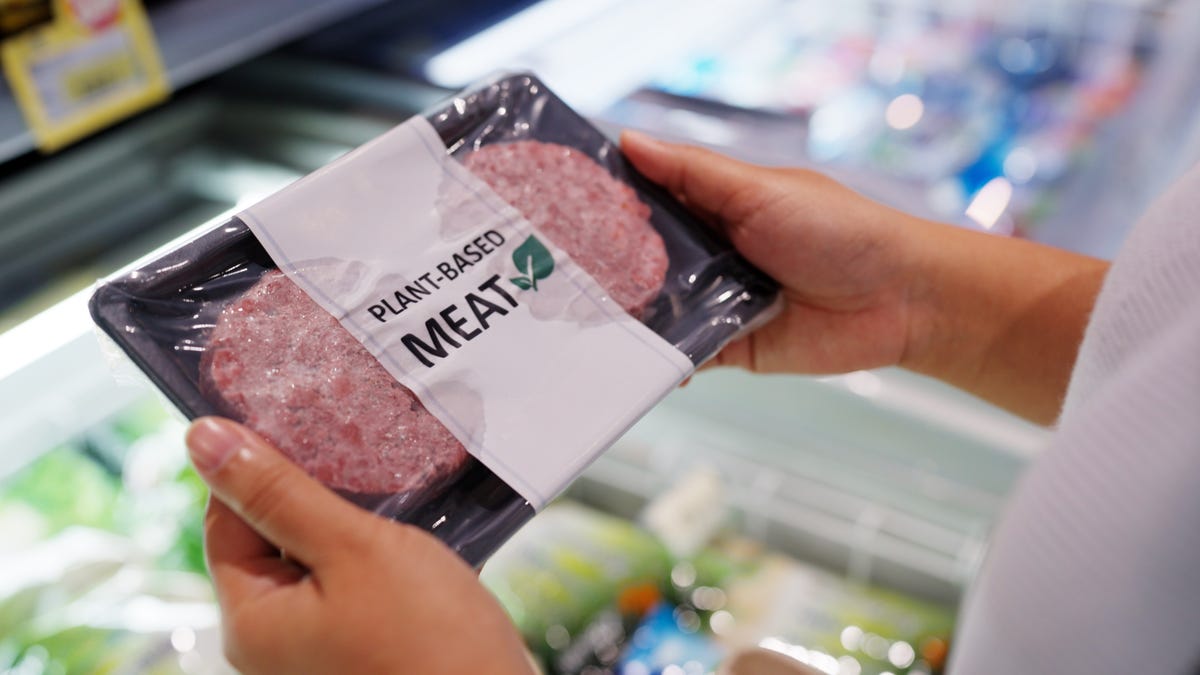
Closeup of hand picking up plant-based meat at grocery store.

Chaay_Tee/iStock/Getty Images Plus

Let’s run down some of the biggest risks associated with unhealthy plant-based meat. 

Highly processed

As we’ve mentioned before, to take something that isn’t meat and make it taste and look like real meat requires quite a bit of processing. Foods are more processed if they contain artificial ingredients or “natural flavors.” In meat substitutes specifically, ingredients such as soy protein isolate, soy protein concentrate and textured vegetable protein are processed ingredients.

That’s bad news because ultraprocessed foods increase your risk of:

  • Obesity
  • Dementia
  • High blood pressure
  • Type 2 diabetes
  • Decreased life expectancy

Missing key nutrients

Beef, pork and poultry all give your body a complete protein, which means they contain all nine amino acids you need but can’t make on your own. 

A lot of plant-based meat comes from ingredients that aren’t complete proteins on their own, like legumes and vegetables. If you’re opting for vegan meat, figure out which nutrients it doesn’t contain so you can supplement them. You should also know about plant-based complete protein options, like quinoa, tofu and tempeh. 

Less protein 

Most adults should be getting 0.8 grams of protein for every kilogram you weigh, plus more if you’re active. The US Department of Agriculture has a handy calculator to figure out how much you should be getting.  

Some vegan meat contains less protein than real meat, although this has gotten better in recent years. Ultimately, to maintain a whole, healthy diet, you’ll probably want to supplement with vegan high-protein food such as legumes and nuts.

High in sodium and saturated fats

One of the biggest problems with plant-based meat comes from its sodium content. Just like processed animal meat, most vegan meat contains a fair measure of salt. Most of the sodium in our diets comes from processed foods. Read the label and specifically check the sodium level before you assume a meat alternative is a healthy swap.

This is particularly true if you have high blood pressure or other heart health problems. 

Meat alternatives also commonly contain saturated fats due to the type of oils used, specifically coconut oil. Saturated fats are unhealthy fats that can increase the risk of heart disease and high cholesterol. 

Bottom line

A lot of vegan meat alternatives that are highly processed are not great for you. However, not all meat substitutes are unhealthy. If you know how to read labels and choose healthier plant-based meat options, you will be able to find vegan meat made with organic ingredients sourced from whole foods that are lower in sodium and higher in both fiber and iron.   

A plant-based diet can be incredibly healthy — plus cheaper and more environmentally and animal-friendly — as long as you stick with whole foods. Stocking your kitchen with the right tools to prep nourishing meals with minimally processed ingredients can help you feel your best. Homemade vegan meat made from veggies and legumes is ideal, but tofu, tempeh, and seitan are less-processed, high-protein meat alternatives. 

The information contained in this article is for educational and informational purposes only and is not intended as health or medical advice. Always consult a physician or other qualified health provider regarding any questions you may have about a medical condition or health objectives.

Include These Five Nutritious Dishes In Your Meals To Aid Weight Loss

Include These Five Nutritious Dishes In Your Meals To Aid Weight Loss

Your diet does not necessarily need to undergo major changes, but you need to make a few healthy choices for food

A subtle tweak, like introducing a high-protein and fibre-rich diet and reducing the intake of carbohydrates, can help in losing weight

A healthy diet and a few lifestyle changes could help you achieve your weight loss goal faster. To shed those extra kilos, you have to be mindful of your diet and physical exercise routine. It may sound challenging at first, but gradually, you will get used to it. Your diet does not necessarily need to undergo major changes, but you need to make a few healthy choices for food.

A subtle tweak, like introducing a high-protein and fibre-rich diet and reducing the intake of carbohydrates, can help with your weight loss journey.

Here are 5 nutritious meals that may aid in weight loss:

Veggies and Hummus sandwich

A veggie and hummus sandwich makes a great fibre-rich lunch. Hummus is a spread or a dip that is made from cooked and mashed chickpeas blended with tahini, garlic, olive oil, lemon juice and salt. You can pair it with any kind of bread or use it in sandwiches. Take a few slices of multi-grain bread and spread the hummus on all the slices. Add the vegetables like bell pepper, cucumber, lettuce, onion, and tomato slices to make a delicious sandwich.

Oats Khichdi

We all know that oats are healthy and should be a part of our regular diet. You can either eat it as porridge or just make a khichdi out of it. You can add dal and vegetables to make it healthier. Just add chopped carrots, onions, cauliflower, tomatoes, french beans and a few chillies. For extra flavour you can add garlic as well.

Upma

Upma is a flavourful and healthy dish that you can cook in a jiffy. It is a perfect meal option made of lightly roasted semolina, green peas, carrot and onions and lightly tempered with mustard seeds and curry leaves. Green Peas are high in protein content and low in calories. It is loaded with vitamins K and C, manganese and fibre.

Oats dosa

Switch the rice ingredient with oats and you can cut down on your carbs intake. Unlike typical dosa, oats do not need to be soaked. You can add soaked urad dal in a small quantity with oats for binding. Make a batter blending the urad dal and oats together. Let it ferment for 10-12 hours. You can make oats dosas and pair it with sambar and coconut chutney.

Besan Chilla

Besan Chilla is made with gram flour (besan), onions, tomatoes, herbs and spices. You can add finely chopped or grated vegetables to increase the nutrition of the dish. Have it for your breakfast or lunch .

Read all the Latest Lifestyle News here

Secret to higher productivity: How healthy eating can help you reach your goals | Health

In today’s fast-paced world, productivity is often considered the key to success. We all want to accomplish more in less time and achieve our goals efficiently. While there are several factors that can affect productivity, one that is often overlooked is nutrition. A healthy diet is critical for improved productivity. What you eat has a direct impact on your energy levels, focus, and overall productivity. In other words, a healthy diet is not just good for your physical health, but also for your professional success. Choose well-balanced meals that include lean proteins, complex carbohydrates and healthy fats to maximize your productivity. (Also read: Top 10 productivity tips )

Vasundhara Agrawal, diet and lifestyle consultant, Co-Founder of Instahealth.in, shared with HT Lifestyle, the link between nutrition and productivity, and how you can fuel your productivity with a healthy diet.

1. Productivity and blood glucose levels go hand-in-hand

Our bodies convert the majority of the food we consume into glucose. The energy we require for daily activities, such as those related to our brain, is provided by glucose. Therefore, one of the primary reasons we sometimes struggle to concentrate when we are hungry is the low levels of glucose associated with it. According to studies, eating fruits and vegetables throughout the day is extremely beneficial to both the body and the mind. Individuals who consumed fruits and vegetables on a regular basis tended to be more engaged and creative.

2. It helps you stay active both mentally and physically

The nutrients in your food are required to carry out your body’s metabolism, without which your physical and mental health can deteriorate. Omega-3 fatty acids and complex carbohydrates support the brain’s overall functioning, allowing you to focus and think creatively, which are necessary for increased productivity.

3. It boosts productivity by reducing stress

Eating healthy foods helps you reduce stress and focus better. Healthy nutrients improve brain function, making it easier to handle work challenges. According to studies, people who maintain healthy eating habits are less likely to suffer from stress, which results in improved performance.

4. It improves sleep, enhancing productivity

A healthy meal helps you sleep better, allowing you to think more creatively and effectively. Your body has a natural internal clock, and the more you do to align your diet with it, the more you will be able to use your full potential during the day. This is because foods influence your circadian rhythms, which are a natural internal process that regulates your sleep-wake cycle.

Follow more stories on Facebook & Twitter

10 Easy Tips That Will Help Boost Your Weight Loss Journey

10 Easy Tips That Will Help Boost Your Weight Loss Journey

Getting the correct techniques and sustaining a healthier diet plan can assistance boost weight loss

There are methods to enable you minimize excess weight safely if your medical professional advises it, even even though weight loss is not always the solution to wellbeing difficulties. For the most effective very long-phrase excess weight management, a constant weight decline of 1 to 2 kilos for each week is advised. 

Nonetheless, several bodyweight-decline diet programs go away you sensation hungry or unsatisfied or they reduce crucial foodstuff groups and are not sustainable. Other than doing the job out and staying in a calorie-deficit, you can comply with these recommendations to raise your excess weight reduction. 

Adhere to these guidelines to fasten your pounds loss:

1. Will not skip meals

The concept that missing foods brings about weight decline is a common just one. Though you are technically having considerably less calories at the time, skipping a food typically benefits in abnormal starvation and unpredictable having styles that are poor for your metabolic process.

2. Snack on nuts

Because of to their higher caloric written content, nuts generally get a weak rap, but evidence suggests that substituting pistachios for carb-primarily based treats will help hasten weight reduction. Because they incorporate amino acids that help in frying stomach fats, almonds are also useful if consumed just before physical exercise.

3. Get correct sleep

Deficiency of rest brings about your satisfaction hormone, leptin, to fall and your starvation hormone, ghrelin, to increase, which can lead to excess weight attain. We have more powerful cravings for salty and sweet foods when we are sleep deprived.

4. Try to eat extra fibre

Meals significant in fibre can assistance you really feel glad, which is ideal for fat loss. Only meals created from plants have fibre, which includes fruit and greens, oats, wholegrain bread, brown rice, pasta, beans, peas, and lentils.

5. Read food stuff labels

Picking out much healthier alternatives may possibly be built less complicated if you know how to browse food stuff labels. To ascertain how a unique meals fits into your daily calorie allocation on the pounds loss prepare, use the calorie counts.

6. Use a scaled-down plate

Regardless of whether you’re earning a meal or just a snack, utilising more compact plates and bowls is a uncomplicated approach to handle your part dimensions and protect against overeating. You shouldn’t come to feel poor if you fill up scaled-down dishes with fibre, protein, etcetera.

7. Cook dinner at residence

All the macronutrients are current in a properly balanced meal, which also fulfills the body’s everyday specifications. According to a examine, when you take in the vitamins your human body demands, your fullness degree rises and you halt craving unwanted meals.

8. Skip restrictive eating plans

In the long run, the limitation does not assist in weight reduction. There are trend meal plans that are neither sustainable nor a extended-phrase alternative, such as the no-carb, detox, apple cider vinegar, and maple syrup weight loss plans. In buy to burn off the more calories, try to eat whatsoever you want in moderation and physical exercise at the very least 3 days for each week.

9. Consume healthier fat

Incorporating nutritious fats in your food plan can support in pounds loss and assistance you command sugar cravings. Nuts are a wonderful resource of wholesome fat and are ample in minerals. In purchase to stay clear of taking in chocolate or brownies, test to munch on almonds as a snack.

10. Try to eat gradually

It can take your brain 20 minutes to system this ahead of it tells you to straight away give up feeding on. But, if you take in much more rapidly, your mind may develop into disoriented and you may possibly miss out on the cues of fullness, leading to overeating.

Integrate these guidelines to your regime for a lot quicker excess weight reduction and far better all round health and fitness. 

Disclaimer: This material which include tips offers generic info only. It is in no way a substitute for a experienced health-related view. Constantly talk to a expert or your have physician for a lot more data. NDTV does not claim responsibility for this details.

Featured Video clip Of The Day

Brothers, 5 And 7, Killed By Stray Dogs In Delhi In Past 3 Days

Seaweed, sardines and sauerkraut: the best diet for your brain at every stage of life | Nutrition

While the foundations of brain structure and function are laid during pregnancy and early life, the brain is constantly being fuelled and shaped by the food and drink we consume daily. We should be thinking of brain health like a pension plan; it is best to start as early as possible so that you have more to draw from when you need it. That said, it is never too late to invest in your brain health. Here is how to use nutrition to aid the brain at each stage of life.

Pregnancy

Most people know that you need to take folic acid to support a healthy pregnancy, but there is another lesser-known nutrient that is critical to brain development. Iodine is a trace mineral that is essential for the production of thyroid hormones. We know that thyroid hormones play a role in metabolism but they also determine the growth and development of the foetal brain during pregnancy.

Consequently, the World Health Organization describes iodine deficiency as “the single most important preventable cause of brain damage” worldwide. A lack of iodine impairs thyroid hormone production during pregnancy, meaning a baby’s brain development will be unavoidably affected, with studies linking low maternal iodine with sub-optimal scores for verbal IQ at age eight.

A good source of iodine … laver bread.
A good source of iodine … laver bread. Photograph: neiljohn/Alamy

Because adequate thyroid hormone is required from the moment of conception, women need to ensure sufficient iodine intake for several months before conceiving. This can typically be achieved by eating a balanced diet that includes a variety of dairy, fish and seafood. However, those who do not eat animal foods may need to consult a health professional about taking an iodine supplement. Too much can be a problem too, with an excess causing iodine poisoning or hyperthyroidism, so it is important to get the balance right. The NHS suggests that a supplemental dose of 0.5mg or less per day is unlikely to cause harm.

Good things to eat now
Fish and cooked seafood – seek out smaller, sustainable species, such as MSC certified sardines, salmon and mussels
Eggs
Seaweed is a concentrated source of iodine. The British Dietetic Association recommends not eating brown seaweed more than once a week, especially during pregnancy.

Childhood

The brain continues its rapid growth and development during infancy and childhood. Omega-3 fatty acids, particularly one called DHA, make up a significant proportion of the membrane of brain cells. DHA is considered irreplaceable for brain development and evidence shows it may be especially important to ensure that children are getting sufficient amounts through regularly eating oily fish. A recent survey found that less than 5{bf0515afdcaddba073662ceb89fbb62b6b1bf123143c0e06b788e1946e8c353f} of UK children are meeting the fish consumption recommendations.

On the other hand, children in the UK are eating more than the recommended levels of added sugar. The UK government advises that free sugars – sugars added to food or drinks and found naturally in honey, syrups and unsweetened fruit and vegetable juices, smoothies and purees – should not make up more than 5{bf0515afdcaddba073662ceb89fbb62b6b1bf123143c0e06b788e1946e8c353f} of the energy (calories) you get from food and drink each day.

Children are eating, on average, eight sugar cube equivalents over the advised limit, largely in the form of sugar-sweetened beverages, and prepackaged cakes and biscuits, often eating over 11g of sugar at breakfast alone.

Brain food … sardines.
Oily fish … sardines. Photograph: Denis Zubchenko/Alamy

Not only is added sugar a risk to teeth, the energy in sugar is easy to overconsume, increasing the risk of Type 2 diabetes. In turn, diabetes significantly increases the risk of cognitive decline and dementia, and the longer someone has the condition the greater the risk, so it is very worrying that rates of diagnosis in childhood are on the rise.

Good things to eat now
Oily fish (salmon, mackerel, sardines, trout, anchovies, kippers) or a supplement
Fresh fruit or cheese with oat crackers for snacks
Low- or no-sugar drinks

Adulthood

Ultra-processed foods (UPFs) make up 55{bf0515afdcaddba073662ceb89fbb62b6b1bf123143c0e06b788e1946e8c353f} of the UK adult diet, the highest in Europe. UPFs are foods that are sold ready-to-eat or ready-to-heat and produced using ingredients or processes for which there is no domestic equivalent. To improve palatability and shelf-life, these foods tend to be higher in added sugar, fat and salt, and contain less fibre than their homemade equivalents. So how might having a large proportion of these foods in our diets be affecting our brains?

Well, firstly, research indicates that it is causing us to miss out on brain-healthy nutrition. A Mexican study of 10,000 people found that the higher the consumption of UPFs, the lower the intake of vitamins B, C and E and minerals. A 2015 Brazilian study that assessed the diets of over 32,898 people found similar results; the consumption of UPFs was inversely correlated to the intake of vitamins B3, B6, B12, D and E, magnesium, selenium and zinc, all known to be important for brain function.

Cognitive coffee … in moderate amounts.
Cognitive coffee … in moderate amounts. Photograph: Alex Fung/Getty Images/EyeEm

Longitudinal research has shown a correlation between diet quality and size of the hippocampus (the brain’s memory centre). The greater the proportion of UPFs in the diet, the smaller this brain area – this is a concern because loss of brain volume is linked to poorer function. Indeed, a recent study found that just a few days on a high UPF diet caused damage to the hippocampus that tracked with impairments in learning and memory. Though we are still in the early days of this research, evidence is showing that higher consumption of UPFs is linked to increased risk of depression and harmful changes in the regions of the brain linked to learning and memory.

There is, though, good news for coffee drinkers. Moderate coffee consumption (two to four cups per day) has been linked to better brain health and reduced risk of cognitive decline, in part because caffeine regulates a neuroprotective brain enzyme.

Good things to eat now
A daily serving of leafy green vegetables (spinach, watercress, rocket, kale)
Beans, legumes and wholegrains
Coffee, tea (just watch the sugar and cream)

Later life

That dementia is currently the leading cause of death in the UK is not simply an artefact of longer life expectancy, because we know that other, longer-lived nations, such as Japan and Italy, have lower dementia rates. Revealingly, one study found that the Japanese Alzheimer’s disease rate had increased from 1{bf0515afdcaddba073662ceb89fbb62b6b1bf123143c0e06b788e1946e8c353f} in 1985 to 8{bf0515afdcaddba073662ceb89fbb62b6b1bf123143c0e06b788e1946e8c353f} in 2008 and cited the increased consumption of a western-style diet as the cause.

Help reduce dementia risk … sauerkraut.
Help reduce dementia risk … sauerkraut. Photograph: Yulia Naumenko/Getty Images

What low-dementia rate nations have in common is moderate fish and seafood consumption, plenty of vegetables and beans, fermented foods eaten regularly, and tea and coffee.

Good things to eat now
Oily fish
Kimchi, sauerkraut, kefir, live yogurt
Berries (strawberries, raspberries, blueberries, blackcurrants, blackberries, cooked elderberries).

Kimberley Wilson is a psychologist with an MSc in nutrition and author of Unprocessed: How the Food We Eat is Fuelling Our Mental Health Crisis, published by WH Allen

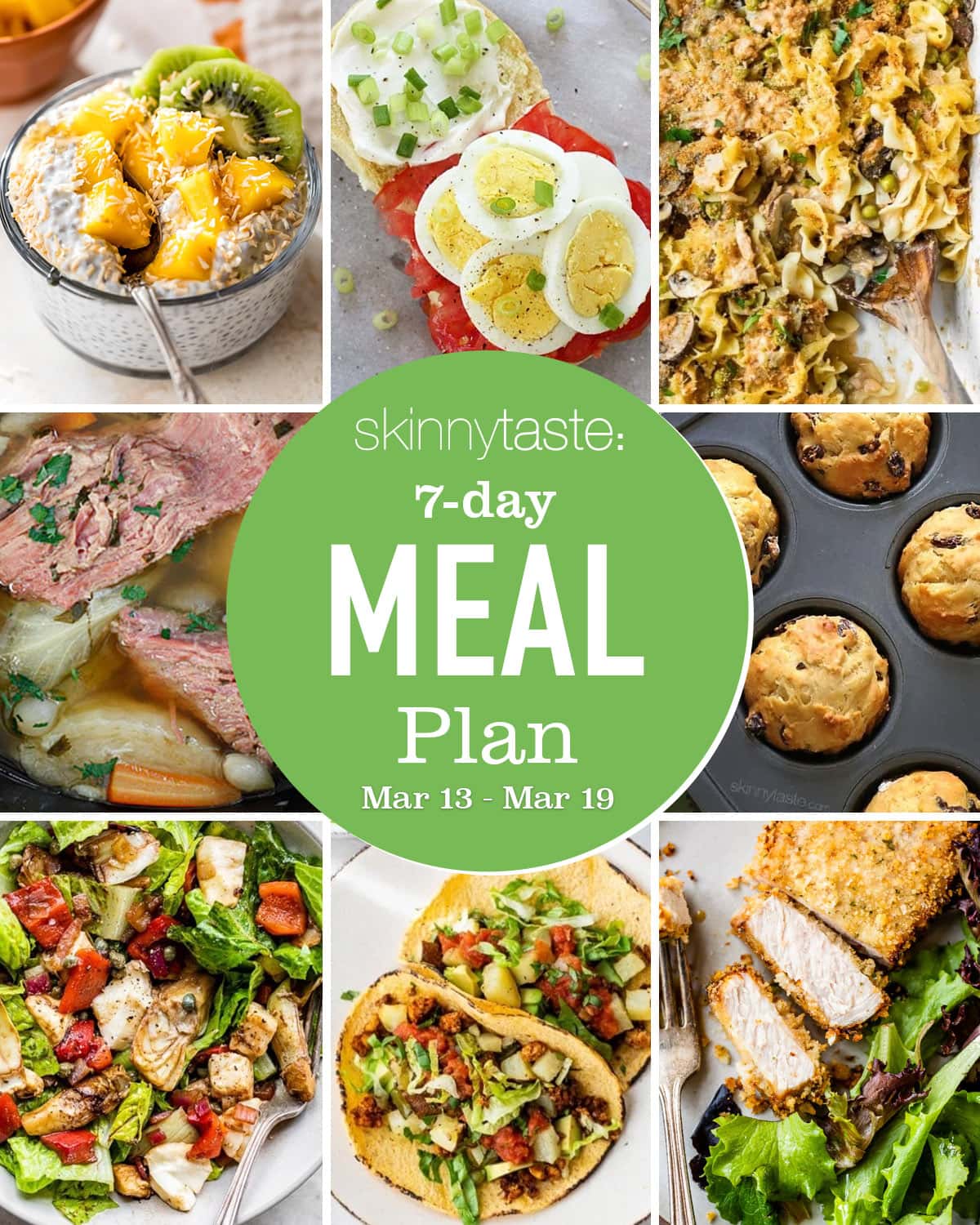
7 Day Healthy Meal Plan (March 13-19)

This post may contain affiliate links. Read my disclosure policy.

A free 7-day, flexible weight loss meal plan including breakfast, lunch and dinner ideas and a shopping list. All recipes include macros and WW points.

I hope you all have seen my exciting news this week!!! I am so proud to present my newest cookbook- Skinnytaste Simple: Easy, Healthy recipes with 7 Ingredients or Fewer, which you can preorder here on Amazon. I hope you love it! Have a Happy St. Patrick’s Day Friday, celebrate safely!

With grocery prices soaring, many of us are having to adjust, scale back and/or get more creative with our meals. One of the absolute BEST ways to stay within a budget and maintain healthy eating habits is to MEAL PLAN. You can get more 5-day Budget Friendly Meal Plans by signing up for Relish+ (get a 14-day free trial here!)

Ultimate Skinnytaste Meal Planner

Skinnytaste Ultimate Meal Planner

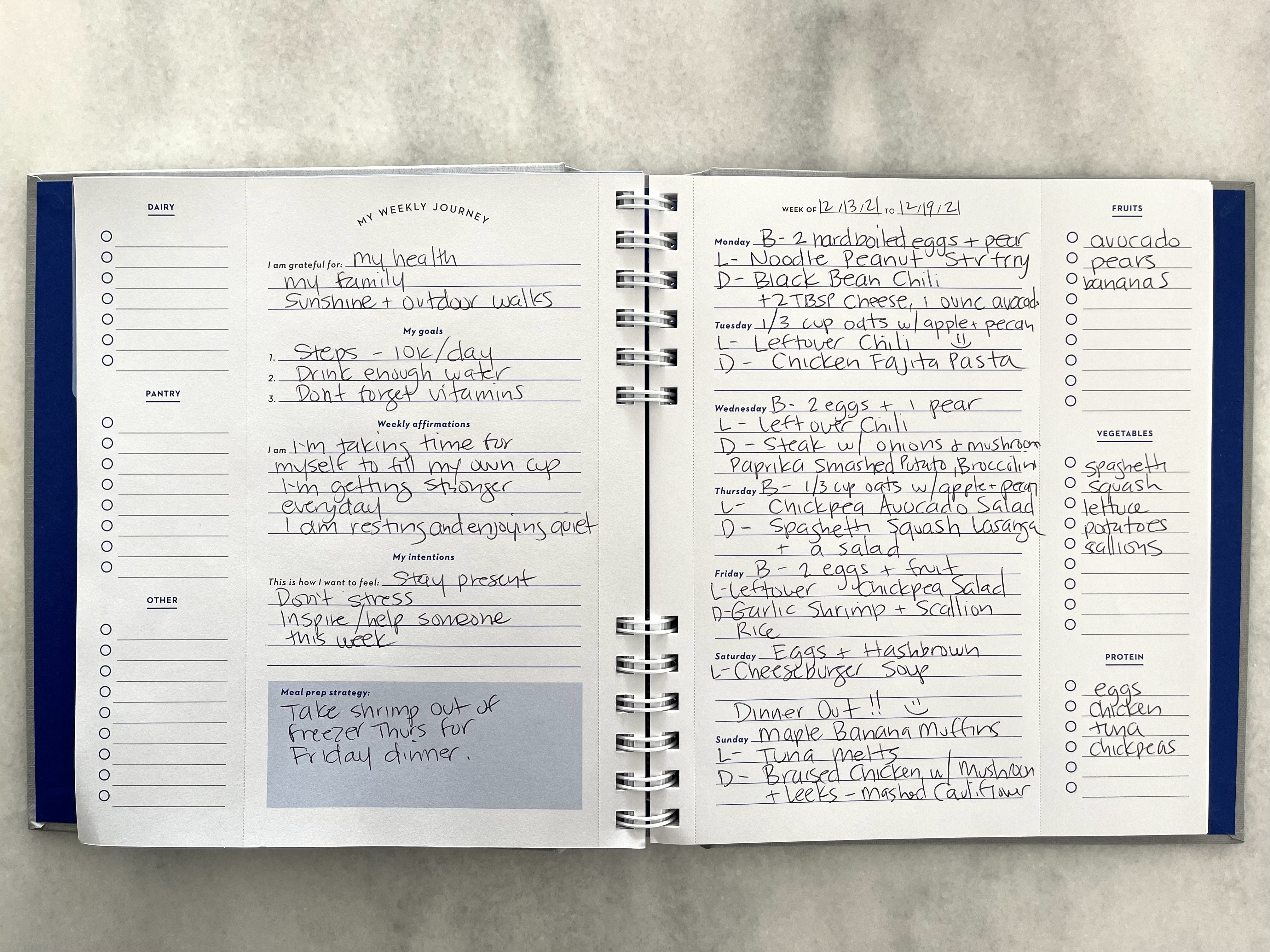
Get the Skinnytaste Ultimate Meal Planner! The 52 week spiral bound meal planner has weekly meal planning grids you can tear out and put on your fridge if you wish, a 12-week meal plan, 30 (15 new) recipes, and tear-out grocery lists. I love starting my week with gratitude, affirmations and intentions, so I included a space for that as well. I hope you will love this as much as I do!

Skinnytaste Ultimate Meal Planner

Buy the Skinnytaste meal planner here:

A note about WW Points

All recipe points have been updated to reflect the new WW program, points will display under the recipe title. I will keep the ww button in the recipe card, click on that and it takes you to the Weight Watchers website where you can see the recipe builder used to determine those points and add it to your day (US only, you must be logged into your account). All cookbook recipes in the cookbook index are also updated!

About The Meal Plan

If you’re new to my meal plans, I’ve been sharing these free, 7-day flexible healthy meal plans (you can see my previous meal plans here) that are meant as a guide, with plenty of wiggle room for you to add more food, coffee, beverages, fruits, snacks, dessert, wine, etc. or swap recipes out for meals you prefer, you can search for recipes by course in the index. Depending on your goals, you should aim for at least 1500 calories* per day. There’s no one size fits all, this will range by your goals, your age, weight, etc.

There’s also a precise, organized grocery list that will make grocery shopping so much easier and much less stressful. Save you money and time. You’ll dine out less often, waste less food and you’ll have everything you need on hand to help keep you on track.

Lastly, if you’re on Facebook join my Skinnytaste Facebook Community where everyone’s sharing photos of recipes they are making, you can join here. I’m loving all the ideas everyone’s sharing! If you wish to get on the email list, you can subscribe here so you never miss a meal plan!

Meal Plan:

Breakfast and lunch Monday-Friday, are designed to serve 1 while dinners and all meals on Saturday and Sunday are designed to serve a family of 4. Some recipes make enough leftovers for two nights or lunch the next day. The grocery list is comprehensive and includes everything you need to make all meals on the plan.

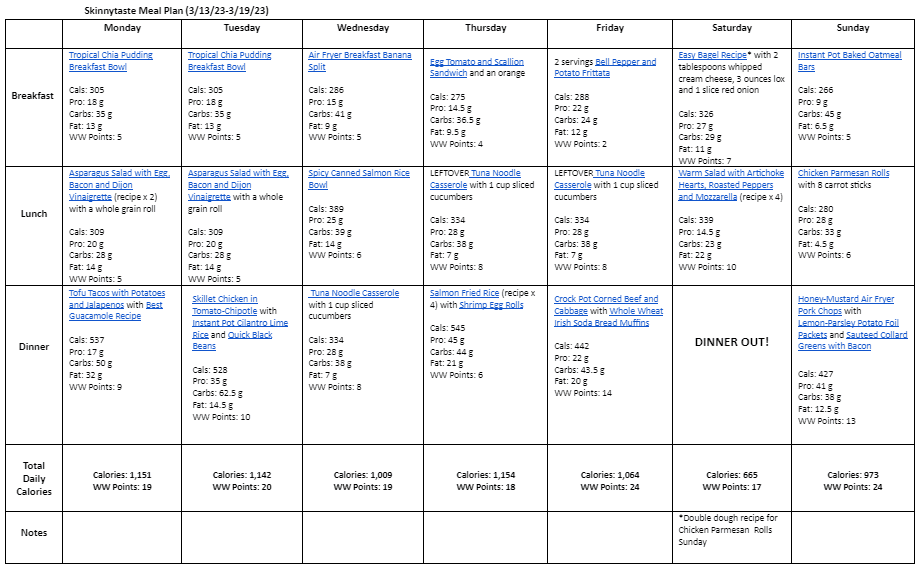
MONDAY (3/13)
B: Tropical Chia Pudding Breakfast Bowl
L: Asparagus Salad with Egg, Bacon and Dijon Vinaigrette (recipe x 2) with a whole grain roll
D: Tofu Tacos with Potatoes and Jalapenos with Best Guacamole Recipe
Total Calories: 1,151*

TUESDAY (3/14)
B: Tropical Chia Pudding Breakfast Bowl
L: Asparagus Salad with Egg, Bacon and Dijon Vinaigrette with a whole grain roll
D: Skillet Chicken in Tomato-Chipotle with Instant Pot Cilantro Lime Rice and Quick Black Beans

Total Calories: 1,142*

WEDNESDAY (3/15)
B: Air Fryer Breakfast Banana Split
L: Spicy Canned Salmon Rice Bowl
D: Tuna Noodle Casserole with 1 cup sliced cucumbers

Total Calories: 1,009*

THURSDAY (3/16)
B: Egg Tomato and Scallion Sandwich and an orange
L: LEFTOVER Tuna Noodle Casserole with 1 cup sliced cucumbers
D: Salmon Fried Rice (recipe x 4) with Shrimp Egg Rolls

Total Calories: 1,154*

FRIDAY (3/17)
B: 2 servings Bell Pepper and Potato Frittata
L: LEFTOVER Tuna Noodle Casserole with 1 cup sliced cucumbers
D: Crock Pot Corned Beef and Cabbage with Whole Wheat Irish Soda Bread Muffins

Total Calories: 1,064*

SATURDAY (3/18)
B: Easy Bagel Recipe** with 2 tablespoons whipped cream cheese, 3 ounces lox and 1 slice red onion
L: Warm Salad with Artichoke Hearts, Roasted Peppers and Mozzarella (recipe x 4)
D: DINNER OUT

Total Calories: 665*

SUNDAY (3/19)
B: Instant Pot Baked Oatmeal Bars
L: Chicken Parmesan Rolls with 8 carrot sticks
D: Honey-Mustard Air Fryer Pork Chops with Lemon-Parsley Potato Foil Packets and Sauteed Collard Greens with Bacon

Total Calories: 973*

*This is just a guide, women should aim for around 1500 calories per day. Here’s a helpful calculator to estimate your calorie needs. I’ve left plenty of wiggle room for you to add more food such as coffee, beverages, fruits, snacks, dessert, wine, etc.
**Double dough recipe for Chicken Parmesan Rolls Sunday.

*Google doc