Silvia Garcia’s 14-year-old son was left permanently disabled and in a wheelchair after a community health center doctor in New Mexico failed to diagnose his appendicitis despite his complaint of severe stomach pain. The teenager’s appendix ruptured before he could get to a hospital, and complications led to septic shock.
Akimbee Burns had a Pap smear at a community health center in Georgia that showed abnormal cells. But she was not told of the results. About eight months later, she was diagnosed with cervical cancer that had spread to her lymph nodes. She died within two years, at age 38.
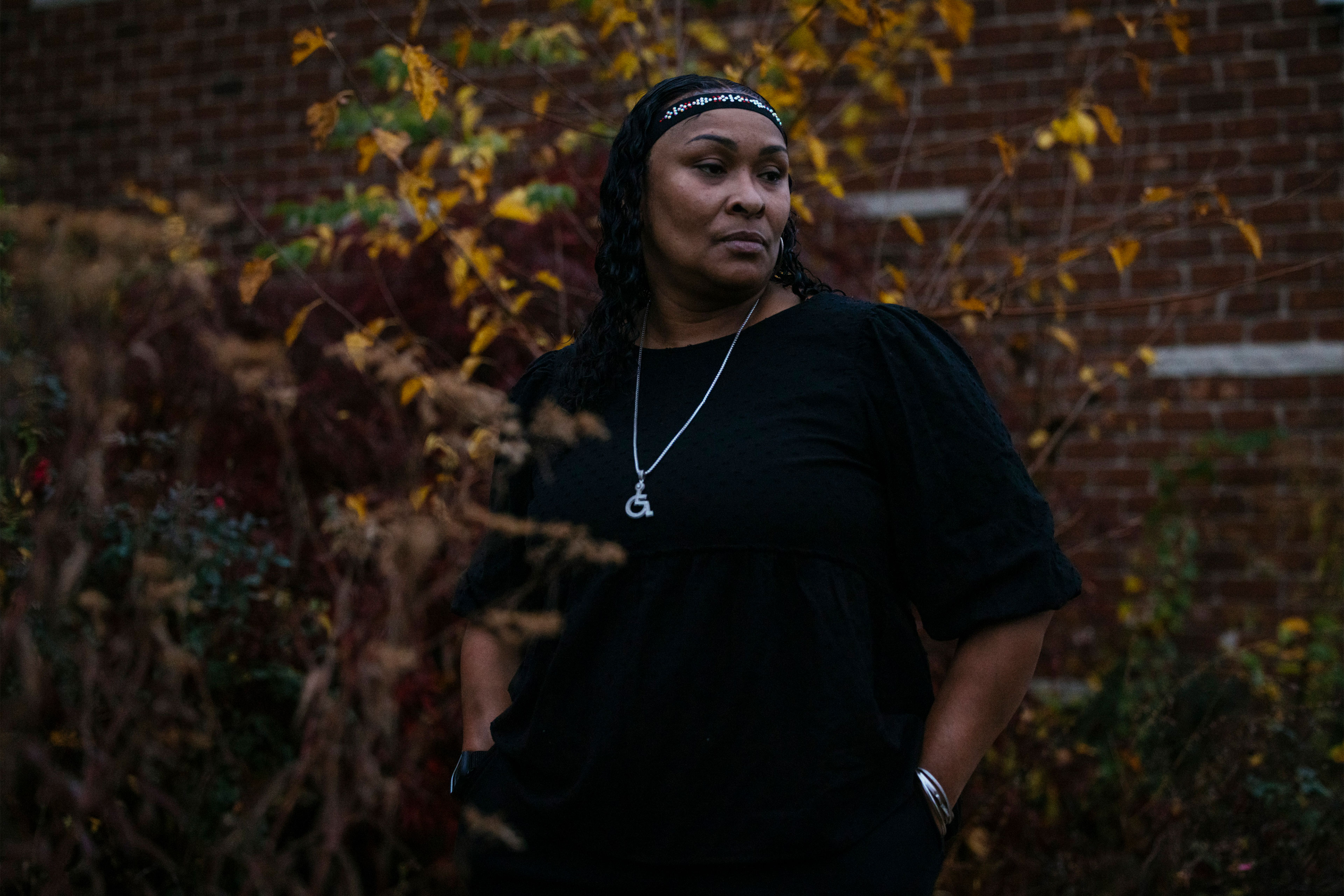
Rhonda Jones’ baby was left brain damaged after her Chicago-area medical team, which included community health center doctors, failed to perform an emergency cesarean section quickly enough even though Jones was at high risk for labor complications.
These three incidents — alleged in court documents as part of malpractice lawsuits that were settled without admission of wrongdoing — are among 485 payouts made nationwide involving community health centers from 2018 through 2021. The settlements and judgments totaled $410 million paid to the patients or their families, according to federal data released to KHN through a public records request.
But none of those health centers, and none of the doctors, paid anything. U.S. taxpayers picked up the tab.
The nation’s 1,375 federally qualified health centers, which treat 30 million low-income Americans, are mostly private organizations. Yet they receive $6 billion annually in federal grants, and under federal law their legal liabilities are covered by the government, just as those of the U.S. Department of Veterans Affairs and the Indian Health Service are. That means the centers and their employees can receive immunity from medical malpractice lawsuits and the federal government pays any settlements or court judgments.
As a result, the public is often unaware of malpractice allegations against those centers. The health centers and their employees are not named as defendants in the lawsuits, and the government does not announce when it pays to settle cases or court judgments.
In December 2016, Rhonda Jones gave birth to daughter Alayna via an emergency cesarean section.(Taylor Glascock for KHN)
“People should know if these doctors or centers are harming their patients,” said Deirdre Gilbert, national director of the nonprofit National Medical Malpractice Advocacy Association, a consumer advocacy group.
In addition, attorneys who have represented plaintiffs in lawsuits against health centers say federal rules handcuff patients with a short statute of limitations — two years — and do not allow punitive damages.
“The deck is stacked in the government’s favor,” said Regan Safier, a Philadelphia attorney who won a $41.6 million court judgment in 2018 in a case of a birth injury involving a community health center doctor.
Tragedies Hidden From View
From 2018 through 2021, the median payment for malpractice settlements or judgments involving health centers was $225,000, according to the data from the Health Resources and Services Administration, which oversees the community health centers. In 68 of the 485 payouts, the total was at least $1 million.
Many of the lawsuits against health centers involved allegations of misdiagnosis or dental errors. Most large awards were for birth injuries or cases involving children.
Silvia Garcia brought one of those cases. In December 2015, she took her 14-year-old son to First Choice Community Healthcare in Albuquerque, New Mexico, to be treated for severe stomach pain and fever, according to a lawsuit she filed against the government.
The doctor felt the boy’s abdomen but ordered no diagnostic tests, the family alleged. The physician advised Garcia to take the boy to the hospital if his pain worsened.
Two days later, she took him to a hospital emergency room. There, doctors found that his appendix had ruptured. He had developed septic shock that led to brain damage and acute injury to his kidneys.
The teenager was hospitalized for eight months.
Garcia settled the case for $6.8 million, most of which went into a special fund that can be paid out for future medical expenses.
First Choice and Garcia declined to comment. The government said the settlement was not an admission of fault.
Community health centers pushed for — and won — government malpractice protection in the 1990s. They argued their revenues were limited and malpractice insurance would divert money that could better be used for patient care.
The centers differ from other health clinics because they get a federal grant each year. They also receive higher reimbursements from Medicaid and Medicare than do private doctors. In return, the centers are not allowed to turn anyone away, and the fees charged to low-income patients are on a sliding scale. Nearly half of the centers’ patients are covered by Medicaid, and 20{bf0515afdcaddba073662ceb89fbb62b6b1bf123143c0e06b788e1946e8c353f} are uninsured.
Malpractice lawsuits are a risk for all health care providers and are just one barometer of quality of care. The settlements and court judgments against the health centers don’t measure the clinics’ overall performance.
Even lawyers who have sued on behalf of health center patients acknowledge the importance of the facilities. Rhode Island plaintiff attorney Amato DeLuca said that the health centers serve a vital role in the health industry and that he had found “a lot of really wonderful, extraordinarily capable people that do a really good job” at the centers.
Yet everyone must be held accountable for mistakes, DeLuca said.
Akimbee Burns’ case is an example of a missed diagnosis, according to the lawsuit she filed against the U.S. government. Burns, who made $11 an hour at a utility company, had a Pap smear in 2016 at South Central Primary Care Center, a community health center in Ocilla, Georgia. The test results showed abnormal cells, but she was not informed of the results, according to the complaint. She inquired about the test several times in the following months but still was not informed about the results, she alleged.
About eight months later, the staff at a different health care facility diagnosed advanced cervical cancer. She filed a lawsuit alleging the community health center had been negligent. She underwent radiation and chemotherapy. But she died in April 2019, leaving behind two children, including one minor.
South Central Primary Care Center did not respond to requests for comment, and the government denied any wrongdoing.
Roadblocks for Patients
A patient alleging medical malpractice by a health center must first submit claims to the U.S. Department of Health and Human Services for review. The government can make a settlement offer or deny the claim. If the claim is denied or not settled, or a six-month review period expires, the patient may sue in federal court under the Federal Tort Claims Act, or FTCA.
To get that federal protection, health centers must have quality improvement and risk management programs and must show regulators that they’ve reviewed the professional credentials, malpractice claims, and license status of their physicians and other clinicians.
“There are rigorous safeguards in place to ensure that health center grantees are in compliance and that patients are getting the very best care,” he said. “FTCA makes health centers more vigilant on quality and not less.”
About 86{bf0515afdcaddba073662ceb89fbb62b6b1bf123143c0e06b788e1946e8c353f} of community health centers were covered under the FTCA for medical malpractice coverage as of September, said Christy Choi, a spokesperson for the Health Resources and Services Administration.
She said the government has implemented “robust quality improvement and patient safety efforts” as part of the program.
The system makes collecting damages more difficult for patients than if they went to state courts for malpractice suits, said attorneys involved in cases against health centers. In addition to the prohibition against punitive damages, such cases are decided by federal judges instead of juries. The lack of a jury is important, they added, because judges are less likely to be swayed by emotion and that can mean lower dollar amounts in the awards.
Plaintiffs are also at a disadvantage because the federal government has unlimited resources to defend cases, unlike the patients and their attorneys, said Christopher Russomanno, a Miami attorney.
“These cases cost hundreds of thousands of dollars for us to get ready for trial,” said Jack Beam, the Illinois attorney who represented Rhonda Jones. “Our record was $900,000 in case costs.”
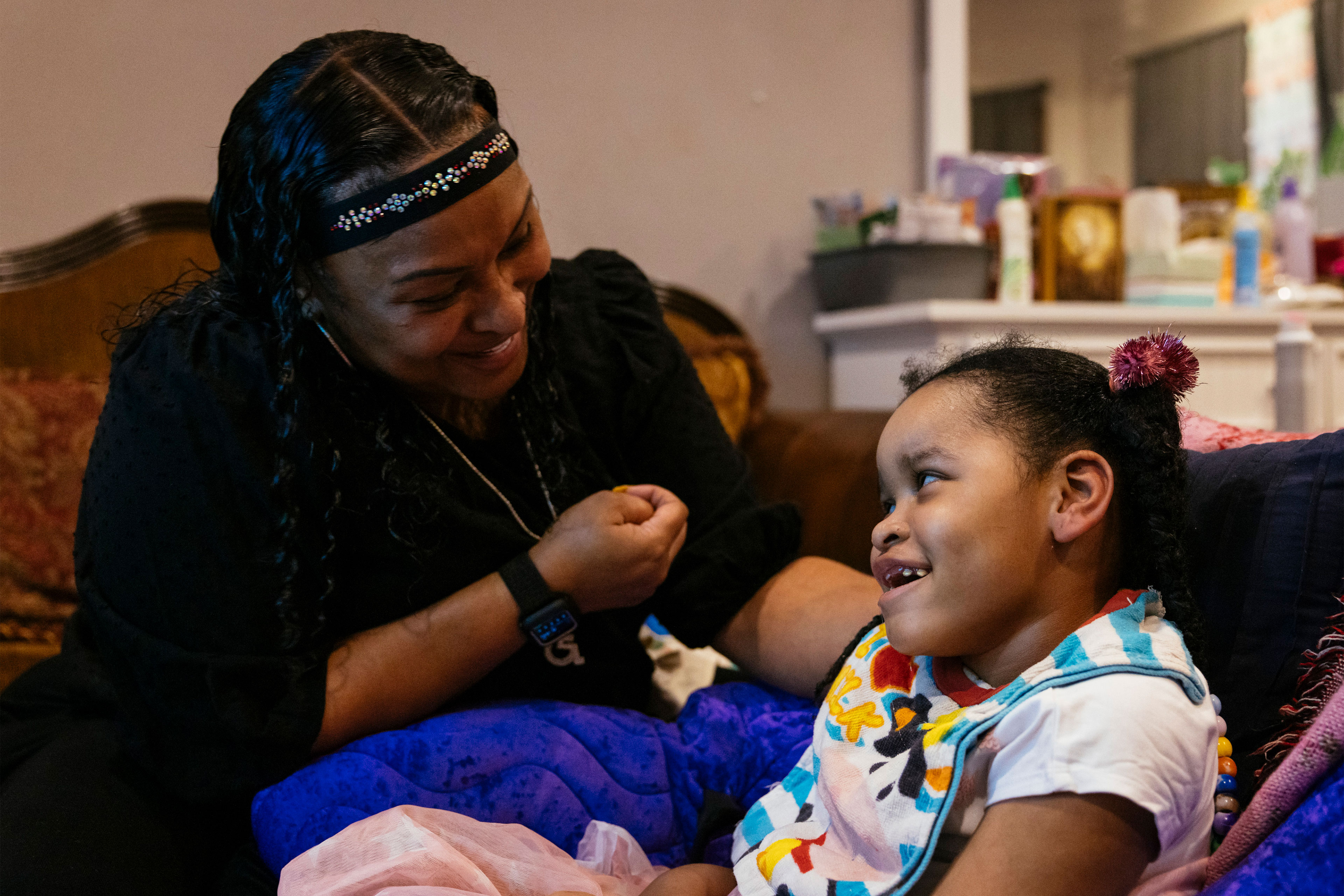
Rhonda Jones smiles at daughter Alayna. (Taylor Glascock for KHN)
All these factors can make finding a lawyer an obstacle for patients.
Deborah Dodge, a Missouri lawyer, said some attorneys are reluctant to take the cases because the government caps their fees at 25{bf0515afdcaddba073662ceb89fbb62b6b1bf123143c0e06b788e1946e8c353f} of the settlement amount. In contrast, plaintiff attorneys often take about 40{bf0515afdcaddba073662ceb89fbb62b6b1bf123143c0e06b788e1946e8c353f} in successful state court malpractice cases.
Rhonda Jones was one of those who received a settlement. Her baby was transported to a children’s hospital soon after being born by emergency cesarean section at West Suburban Medical Center in the Chicago area in December 2016, according to her lawsuit. The baby, Alayna, was treated for brain damage from a lack of oxygen, and she now has cerebral palsy.
Jones showed signs of a high-risk delivery when she arrived at the hospital nearly 39 weeks pregnant: She was 40 years old, this was her 11th child, and she had severe preeclampsia and possibly gestational diabetes.
Her lawsuit alleged that she was not adequately monitored at the hospital and that surgery was not performed in time to prevent injury to Alayna.
Jones agreed to a $21 million settlement, $15 million of which was paid by the federal government because some of the doctors involved were employed by PCC Community Wellness Center. The health center and the hospital declined to comment. In court filings, the government and hospital denied wrongdoing.
The money — most of which is in a trust overseen by the court — provides for Alayna, who will require care throughout her life.
“Before what happened to Alayna, I loved them,” Jones said of the health center where she had gone for several of her previous pregnancies. “They were great for me because they would be open late at night when I was working.”
“I still would tell someone to go to PCC because maybe they will get the right doctors when they go to have their baby,” Jones added.
Alander Rocha and KHN reporter Colleen DeGuzman contributed to this article.
SAN DIEGO, Nov. 28, 2022 /PRNewswire/ — On December 2, the Lennox-Gastaut Syndrome (LGS) Foundation will host its LGS Research Roundtable at the American Epilepsy Society’s (AES) annual meeting in Nashville, TN. The event will bring together over a hundred researchers, clinicians, and family members to discuss the state of medical research in LGS. Click here to learn more about how YOU can attend the Roundtable and join the discussion.
LGS Foundation Logo (PRNewsfoto/LGS Foundation)
“How we treat LGS has remained roughly the same for the last 30 years,” said Dr. Tracy Dixon-Salazar, the LGS Foundation’s Executive Director and mother of an adult living with LGS. “We try treatment after treatment, alone and in combination, and hope one of them might work. Families often refer to this as the “dartboard approach” to treating LGS. Patients with this rare disease are in desperate need of better treatment approaches.”
The LGS Research Roundtable is an initiative of the LGS Foundation that brings together LGS patient families and research experts to discuss the barriers to better research and care and to facilitate the development and implementation of solutions. Discussions from the Roundtable guide the LGS Foundation’s Cure LGS 365 Research Grants Program. Since 2013, the LGS Foundation has awarded more than a million dollars in research funding to scientists around the world.
“We are excited to gather the brightest minds tackling LGS across the globe,” said Dixon-Salazar. “And, we believe that now more than ever, that patient families and doctors working together can help find better treatment options for those with LGS.”
Talks at the LGS Research Roundtable will set the stage for a larger LGS Meeting of the Minds Conference on the same topic that will take place in September 2023.
The LGS Foundation is a nonprofit organization dedicated to improving the lives of individuals impacted by LGS through advancing research, awareness, education, and family support.
To learn more about LGS or to support the LGS Foundation’s efforts, visit www.lgsfoundation.org.
When you look at the numbers, it’s easy to gape in horror.
In Ghana, a nation of 32 million people, there are only 62 psychiatrists.
Zimbabwe, with a population of 15 million, has only 19 psychiatrists.
And in Uganda, there are 47 psychiatrists serving a country of 48 million — less than one single psychiatrist for every million people.
These are staggering ratios. To get your head around them, take the US as a comparison. There are around 45,000 psychiatrists for all 333 million Americans, which translates to about 135psychiatrists for every million people. That’s still not enough — experts are actually warning of an escalating shortage — and yet it’s a whopping 135 times more coverage than exists in Uganda.
These numbers have very real, and sometimes very brutal, implications for people’s lives. When psychiatry and other forms of professional mental health care are not accessible, people suffer in silence or turn to whatever options they can find. In Ghana, for instance, thousands of desperate families bring their ailing loved ones to “prayer camps” in hopes of healing, only to find that the self-styled prophets there chain their loved ones to trees. Instead of receiving medical treatment for, say, schizophrenia, the patients receive prayers.
The scandal of mental health care in developing countries has been well documented, and surveying it, you could be forgiven for thinking the solution is straightforward: These countries just need to train more psychiatrists and mental health professionals of the type you’d find in the US.
But that’s too simplistic. Yes, training more mental health specialists will be part of the answer for these nations. But what’s most interesting is that developing countries have also figured out a new way to tackle the deficit in mental health care — and it could hold lessons for the developed world as well.
Specifically, these nations have been serving as a proving ground for a model called community-based care, where non-specialist providers or lightly trained laypeople — picture someone like your grandmother, not a doctor — deliver brief mental health interventions in informal settings like homes or parks.
Whereas importing Western norms can alienate local populations, who may not view mental health problems as medical, brain-based problems, community-based care has found acceptance because it pays attention to cultural context. Lay counsellors meet patients where they are — both literally, in terms of physical space, and conceptually, in terms of their beliefs about mental health.
This model has turned out to be not only cheap to operate and easy to scale, but also incredibly effective for treating issues like depression. So effective, in fact, that the model is now being exported to the US, which stands to learn a lot from these poorer countries.
Dixon Chipanda, psychiatrist and founder of the NGO Friendship Bench, visits with his grandmother. He says she was part of his inspiration for the benches project.Brent Stirton/Getty Images
In 19th-century Europe, the reigning paradigm of mental health care was the asylum. The belief was that people suffering from psychiatric conditions should be institutionalized and treated on an inpatient basis. As Europeans exported this belief to the territories they colonized, asylums sprang up everywhere, from Ghana to India.
By the middle of the 20th century, asylums were becoming discredited: They were too often sites of coercion and violence, not to mention notoriously overcrowded and unhygienic. At the same time, the discovery of new psychiatric medications fostered hope that patients could be treated on an outpatient basis. In Europe, many asylums shut down.
In Accra, the capital city of Ghana, a psychiatric hospital built on this model in 1904 still houses hundreds of patients, some voluntary and some involuntary. Their issues range from depression to psychosis. It’s a resource-strapped, overcrowded institution. When I visited the hospital in 2019, I found that some patients sleep outdoors in a courtyard, where a motley collection of beds draped in mosquito nets was scattered around.
Thinking about the legacy of colonialism helps explain why this warehousing of the mentally ill persists, explained Vikram Patel, a psychiatrist and a professor of global health at Harvard Medical School.
“When the Europeans left Africa, Asia, and Latin America, they left virtually no higher education infrastructure for the native people. Basically, the colonizers left nothing,” he said. Upon gaining independence, some postcolonial countries had just one medical school for the whole nation. “And if psychiatrists can only be trained in medical schools, well, then, you know. There’s nothing.”
The very limited training capacity — and very limited funding to increase that capacity — has led to a supply-side problem. Today, that problem is aggravated by a major brain drain: The few who do train in psychiatry tend to move to richer nations offering them a more comfortable life.
And most would-be doctors in Africadon’t want to specialize in psychiatry. For some, that’s because it’s associated with institutionalization or incarceration. Others, aware that their cultures stigmatize mental illness as the work of evil spirits, may fear being viewed as “tainted” by contact with mentally ill people. And this stigma creeps all the way up to the policymakers debating how to allocate scarce resources.
“We bring these stigmas into the boardrooms and into decisions we make around fiscal planning,” Tina Ntulo, who leads the mental health nonprofit StrongMinds in Uganda, told me. “You do not budget for a person who you think is cursed or bewitched.”
Many would-be patients are also hesitant to see psychiatrists, who represent a foreign idea.
“People just don’t conceive of their mental health problem as a biomedical problem,” Patel said. “They do not say ‘I feel the way I do because I have an illness in the brain.’ That is exquisitely uncommon.”
And in cultures that don’t view mental health problems through a medical lens, stigma is a major barrier to seeking out professional care. In one large-scale survey in Nigeria, for example, 83 percent of respondents said they would be afraid to even have a conversation with someone with a mental health problem. The social costs of being branded as mentally unwell are just too high.
This is part of why some developing countries are moving toward community-based care. When you receive care from someone who’s familiar and helps you without necessarily applying a diagnostic label, it can mean there’s less stigma.
Despite being a psychiatrist himself, Patel does not believe the answer to the mental health care deficit is to just train more doctors like him. Instead, he’s become one of the most influential advocates for community-based care, where people with just a bit of training — weeks or months, not years — offer focused therapy. Empowering non-specialist providers or laypeople to take on tasks formerly done by specialists is what the World Health Organization refers to as “task-shifting” or “task-sharing.”
You might think that therapy delivered by a layperson is fine for countries that can’t afford more mental health professionals, but certainly not the ideal. Yet Patel and others who embrace the community-based model are making a much more radical claim.
“A lot of people think this is just a stopgap arrangement. It’s not,” Patel told me. “In the US itself, you need community health workers. What we need in all countries is the same model. We need to have an army of community-based health workers, nurses, social workers, delivering evidence-based interventions.”
And they are, in fact, evidence-based. Over the past two decades, dozens of randomized controlled trials (RCTs) and other studies have come out in favor of the community-based model.
Friendship Bench offers a prime example of what community-based care can look like. Rather than expecting people who are mentally unwell to seek out a psychiatrist’s office, this Zimbabwean nonprofit recruits “grandmothers” — middle-aged or older women who help out in their communities — to learn enough about depression and anxiety to recognize them, and then to treat those disorders using problem-solving therapy. That’s exactly what it sounds like: a therapy that teaches people the skills to devise their own solutions to the problems they face.
Each grandmother, recognizable in her uniform, will then go sit on a bench in a yard. People come along, wanting to talk. In fact, since Friendship Bench was created in 2006, more than 1,600 grandmothers have been trained, and they’ve already served more than 158,000 people — to great effect.
Friendship Bench counsellors attend a Sunday service at the Catholic church in Msvingo, Zimbabwe. The NGO offers free mental health counselling through trained grandmothers who work as lay health workers in clinics.Brent Stirton/Getty Images
In a 2016 study, 573 patients were assigned to either a Friendship Bench or to a bolstered version of standard psychiatric care available in Zimbabwe, which includes antidepressants. Six months later, only 14 percent of those who’d sat with a grandmother were still depressed, compared to 50 percent of those in the standard care group.
Another great example can be found in Uganda and Zambia: StrongMinds, a nonprofit founded in 2013, trains laypeople to lead group talk therapy sessions as a way to treat women with depression. Over a 12-week period, the women learn to identify the triggers of their depression and devise strategies to overcome them, using a form of therapy called group interpersonal therapy.
“This therapy is culturally appropriate. It sees interpersonal relationships as the treatment for depression,” said Tina Ntulo, the country director for Uganda. “And on this continent we are still highly relational and dependent on each other.”
Working with laypeople has enabled StrongMinds to scale up quickly, reaching more than 160,000 women to date.
“One of the amazing things our staff found is that the village volunteers [who’ve been trained to deliver the therapy] are so much better at mobilizing the women to come for therapy,” Ntulo told me. “Our staff said they never saw such high attendance for therapy when they were running it.”
Two RCTs have demonstrated that this intervention is both powerful and cost-effective. Independent researchers estimate that StrongMinds prevents the equivalent of one year of severe major depressive disorder for a woman at a cost of $248 — a pretty good deal, especially when you consider this helps the woman as well as her dependents.
Such interventions have spillover effects. The researchers note that mental health care can lead to material benefits: A non-depressed woman is more likely to be able to work, earn income, and get her kids to school so they can one day work and earn income, too.
A third example of community-based care can be found in India, where Patel co-founded an organization called Sangath. It developed a six-session program in which lay counselors treat patients with severe depression. The program showed strong results, leading to significantly lower symptom severity and higher remission than in a control group after three months.
But what’s really amazing about it is that, a full five years after researchers conducted the initial trial in India, a followup still showed significant differences between those who had received the treatment and a control group. The benefits, it turned out, could really last.
Right about now, you may be thinking: This laypeople stuff sounds all well and good for people dealing with common mental disorders like depression or anxiety, especially if they’ve got mild cases, but some people need an actual psychiatrist.
Even ardent proponents of community-based care agree with that.
“You need some psychiatrists. There’s no question that they play a role,” Patel said. That can be true even when it comes to the common mental disorders: After all, though Sangath’s community-based program for treating depression in India showed strong results, about a third of participants remained depressed after the program.
So the claim is not that community-based care should replace psychiatry. It’s that making mental health care primarily the business of psychiatrists, with little room for alternative approaches depending on context, is a mistake.
Of course, achieving the right balance between the two models is tricky.
At StrongMinds, Ntulo is very clear with the laypeople being trained about what is and isn’t within their remit. “When a person’s symptoms fall outside depression, this is not your client,” she said. “So you refer the person to the health center, and a clinician there will assess.”
At a health center, some of the tasks reserved in the West for a psychiatrist have been shifted to nurses. They can prescribe certain medications, for instance. They consult a flow chart that makes it easier to assess a patient — is he hearing voices or not? — and when symptoms indicate the patient’s problem is beyond their capacity, the nurses refer him to the next level of care above them. Essentially, laypeople handle the easier cases, nurses handle somewhat more complex cases, and the really complex cases may be referred to a psychiatrist for treatment.
StrongMinds is not anti-medication on principle, but doesn’t dispense it — partly because current-generation psychiatric medications are less available in developing countries like Uganda, and partly because much of the population would balk at the idea that a mental health condition is something they should treat with medication. Instead, StrongMinds uses the methods it thinks are most effective for the context.
It’s a system that makes sense to Ntulo, who says only a minority of people need a psychiatrist. “Everybody else could actually receive services through talk therapy and they’d probably be able to stay well for a long time,” she told me.
Patel agrees. He estimates that community-based care could probably address 80 percent of mental health morbidity. “The irony is that 80 percent of the money that’s being spent — this is my back-of-the-envelope calculation — is for that 20 percent that need hospitalization,” he said. “I think the real problem is that we do not spend enough at the base of the pyramid.”
Kwabena Kusi-Mensah, a Ghanaian psychiatrist, is a little skeptical about how far community-based care can go. “On paper, it’s a brilliant idea, really fantastic,” he said. “But having watched it be implemented for over 10 years now, there have been serious problems and challenges.”
Ghana, he explained, has trained a lot of mid-level staff called community psychiatric officers. These CPOs are like physicians’ assistants who’ve been given some additional training in psychiatry. The idea was that they would work in small villages or towns, to help bridge the treatment gap there.
In reality, the CPOs have drifted into major urban centers; now that they’ve got specialized training, they want to use it to secure a better life for themselves. But what’s even more worrying to Kusi-Mensah is that some of them are going over and above what they’ve been trained to do. He worries that this overreach could put patients at risk — if, for instance, they try to treat problems they’re not qualified to treat.
For that reason, he actually prefers task-sharing of the sort that Friendship Bench does with its grandmothers. “These are not medical people,” he said, “so they are less likely to overreach and do things they’re not supposed to do.”
A carpenter works on a bench near a Friendship Bench site.Brent Stirton/ Getty Images
When it comes to tasks that require medical know-how, he’d prefer to see psychiatrists in place to handle those, not mid-level staff. And he told me he’s “hyped up psychiatry” to many young medical students, enticing them to enter the field. But he’s careful not to entrench himself too much in either a pro-psychiatry camp or a pro-community-care camp because he doesn’t want to become too ideologically attached to one or the other.
“With extremes of ideology, if you lean too much to one way or another, you end up in a ditch,” he said. “So stay in the middle of the road, is the way I think about it.”
What all these community-based programs, and others in a similar vein, have discovered is the power of getting local laypeople to meet folks where they are.
Kusi-Mensah emphasized that importing Western norms just doesn’t work: If you want to help people in a place like West Africa, you can’t discount the importance of traditional beliefs, including religion.
“In our cultural background, where things are overspiritualized, our biggest competitors in mental health provision are the prophets,” he told me, referring to those who profess to heal patients with prayers, like in Ghana’s notorious prayer camps.
Efforts are now underway to work with, not against, faith-based healers to improve care. Some mental health professionals have gone to the prayer camps and introduced medications as a complementary treatment. Instead of saying “prayer doesn’t work, take this pill instead,” they might encourage prayers to be said alongside medical treatment. This type of collaboration has resulted in improved clinical outcomes for the patients.
But working within the camps is controversial because it could give the appearance of condoning them. Less controversial are efforts to partner with religious leaders in various towns and villages. Pastors and imams often double as informal mental health counselors anyway — that’s true in the US, too — so, the thinking goes, why not view them as another cadre of laypeople who can be trained? And for mental health problems that are beyond their ken, why not establish a referral pathway between them and the mental health care professionals?
“I’m a bit of a pragmatist,” Kusi-Mensah told me. “So I think the best we’re going to get is this sort of rapprochement, where it’s like, ‘Okay, there’s a spiritual component, so let the pastor handle that, but also there’s a medical component, so the doctor will handle that.’”
Western nations like the US favor a biomedical and highly individualistic view of mental health. Compared to, say, a Ghanaian, an American is more likely to conceive of her mental health problem as a brain problem and seek out medication from a psychiatrist. And she’s got a far better chance of accessing one.
Yet Americans’ mental health is in such bad shape that the US Preventive Services Task Force recently recommended that doctors screen every patient under 65 for anxiety. And 90 percent of American adults say the US is experiencing a mental health crisis, according to a new poll from CNN and the Kaiser Family Foundation.
To Patel, this indicates that the biomedical system can’t be the whole solution. “Mental health care is inadequate not because there’s not enough psychiatrists in most countries,” he said. “If that was the case, the US should have a perfect system. But it has a huge number of problems. It is living proof that the problem isn’t only about the lack of psychiatrists.”
America once flirted with the idea of community-based care. As Vice explained:
It’s taken a few decades, but America now seems ready to experiment with community-based care again as a supplement to psychiatry. What’s exciting is that, this time, it’s taking inspiration from poorer countries.
Zimbabwe’s Friendship Benches have made their way to New York City. Walk around Manhattan and you might see a trained layperson sitting on a big orange bench, waiting to listen or talk about issues ranging from depression to addiction. These are issues some of the laypeople have experienced themselves, so they’re nonjudgmental. They literally meet people where they are, lugging their bench around from spot to spot, as part of the Thrive NYC program aiming to create a mental health system that works for everyone.
India’s Sangath program for depression, meanwhile, is now being rolled out in Texas, where Patel is collaborating with the Meadows Mental Health Policy Institute and Baylor Scott and White, the largest not-for-profit health care system in the state.
And this year, Uganda’s StrongMinds is setting up a pilot in New Jersey. The idea is to address the US mental health gap by reaching people who can’t afford to pay for a licensed professional, with a focus on serving Black people, Indigenous people, and people of color.
“We just finished training the team in New Jersey!” Ntulo told me. “They’re going to use the same model we use. It’s an amazing solution for a health system that is so commoditized, like yours.”
In recent years, the medical instrument industry, part of the wider Medical sector, has seen a transformation in the nature of its business, leading to higher research and development activities for developing cutting-edge technologies. The industry’s landscape changed further with the onset of the COVID-19 crisis that put robotic and remote services in the limelight. Although the majority of economies have opened up following strict lockdowns in the past couple of years, the demand for robotic and remote services is likely to remain.
However, the industry is currently facing several challenges, including supply-chain challenges, a shortage of semiconductor chips and global inflationary pressure. These developments have resulted in an extremely tough situation related to raw material and labor costs as well as freight charges. The shortage of semiconductor chips has resulted in a delay in the production of commercialized products.
Although the industry faced headwinds, a few medical instrument companies were able to maintain their recovery trend in the first nine months of 2022. Moreover, the ongoing macro headwinds are likely to improve in 2023, which should help top-line and bottom-line growth.
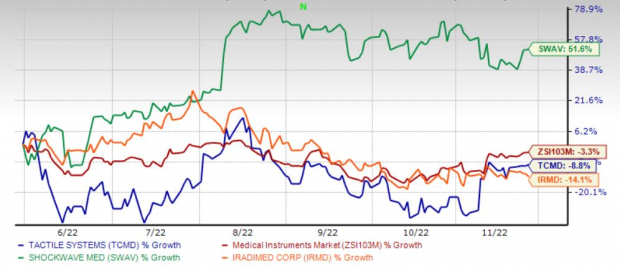
Here we discuss three medical instruments stocks — ShockWave Medical SWAV, iRadimed IRMD and Tactile Systems Technology TCMD — which are likely to outperform the industry going forward amid an improving world economy and easing macro headwinds. These stocks carry a Zacks Rank #2 (Buy) each. These stocks also have a Momentum Score of A or B, which indicates that these would be good stocks for momentum investors based on recent price changes and earnings estimate revisions. Meanwhile, the underperformance of iRadimed and Tactile Systems in the past six months compared with the Zacks Medical – Instruments industry may lead to a rally in these stocks on the back of strong fundamentals. You can see the complete list of today’s Zacks #1 Rank (Strong Buy) stocks here.
Image Source: Zacks Investment Research
ShockWave Medical
ShockWave Medical has a Momentum Score of B. The Zacks Consensus Estimate for earnings has moved 12.1{bf0515afdcaddba073662ceb89fbb62b6b1bf123143c0e06b788e1946e8c353f} and 4.1{bf0515afdcaddba073662ceb89fbb62b6b1bf123143c0e06b788e1946e8c353f} north for 2022 and 2023, respectively, in the past 60 days.
The increased adoption of coronary IVL in the United States, continued sales force expansion, growing international expansion and higher adoption of Shockwave products are likely to boost the company’s performance. The company’s strong global growth highlights the significant clinical need for a better calcium treatment and how well the team at ShockWave Medical is addressing the same with IVL.
iRadimed has a Momentum Score of B. The Zacks Consensus Estimate for earnings has improved 2.9{bf0515afdcaddba073662ceb89fbb62b6b1bf123143c0e06b788e1946e8c353f} for 2022 in the past 60 days. The consensus estimate for 2023 earnings stands at $1.20 per share, implying year-over-year growth of 13.2{bf0515afdcaddba073662ceb89fbb62b6b1bf123143c0e06b788e1946e8c353f}.
iRadimed is a leader in the development of innovative magnetic resonance imaging (“MRI”) medical devices and the only known provider of a non-magnetic intravenous (“IV”) infusion pump system and non-magnetic patient vital signs monitoring systems designed for use during MRI procedures. During the third quarter, the company reported 23{bf0515afdcaddba073662ceb89fbb62b6b1bf123143c0e06b788e1946e8c353f} growth in revenues and 35{bf0515afdcaddba073662ceb89fbb62b6b1bf123143c0e06b788e1946e8c353f} in earnings from the year-ago period. The company stated that significant demand for its IV pump and patient monitor product lines continued during the third quarter. The company has a strong bookings growth that continued to add to its extensive backlog and is likely to drive revenues for the remainder of 2022 and 2023.
Tactile Systems has a Momentum Score of A. The Zacks Consensus Estimate for loss has narrowed 12.6{bf0515afdcaddba073662ceb89fbb62b6b1bf123143c0e06b788e1946e8c353f} for 2022. The consensus estimates for 2023 loss stood at 10 cents, implying a year-over-year improvement of 87.3{bf0515afdcaddba073662ceb89fbb62b6b1bf123143c0e06b788e1946e8c353f}.
The medical technology company develops medical devices for the treatment of chronic diseases at home. During the third quarter, it reported 24{bf0515afdcaddba073662ceb89fbb62b6b1bf123143c0e06b788e1946e8c353f} growth in revenues and loss narrowed 35.3{bf0515afdcaddba073662ceb89fbb62b6b1bf123143c0e06b788e1946e8c353f} year over year. Strong demand for its products during the quarter led the company to raise its revenue guidance by approximately 1.5{bf0515afdcaddba073662ceb89fbb62b6b1bf123143c0e06b788e1946e8c353f} as measured at the midpoint of the guided ranges. Meanwhile, its settlement of a pending securities class action lawsuit earlier this month removed an overhang.
From thousands of stocks, 5 Zacks experts each have chosen their favorite to skyrocket +100{bf0515afdcaddba073662ceb89fbb62b6b1bf123143c0e06b788e1946e8c353f} or more in months to come. From those 5, Director of Research Sheraz Mian hand-picks one to have the most explosive upside of all.
It’s a little-known chemical company that’s up 65{bf0515afdcaddba073662ceb89fbb62b6b1bf123143c0e06b788e1946e8c353f} over last year, yet still dirt cheap. With unrelenting demand, soaring 2022 earnings estimates, and $1.5 billion for repurchasing shares, retail investors could jump in at any time.
This company could rival or surpass other recent Zacks’ Stocks Set to Double like Boston Beer Company which shot up +143.0{bf0515afdcaddba073662ceb89fbb62b6b1bf123143c0e06b788e1946e8c353f} in little more than 9 months and NVIDIA which boomed +175.9{bf0515afdcaddba073662ceb89fbb62b6b1bf123143c0e06b788e1946e8c353f} in one year.
It is a well-known fact that heart health forms the core of overall wellness. It beats about 2.5 billion times over the average lifetime and pushes millions of gallons of blood to every part of the body. This steady flow carries with it oxygen, fuel, hormones, nutrients, other compounds, and a host of essential cells. It also whisks away the waste products from metabolism.
“As such, many essential body functions fail in case the heart stops functioning, with some stopping almost instantly. It can also fail when its health is compromised by way of a poor diet and lack of exercise, smoking, alcohol, infection, and more. A healthy lifestyle, especially when started at a young age, goes a long way to preventing cardiovascular disease or any other disease or illness,” said Anam Golandaz, clinical dietician, Masina Hospital, Byculla, Mumbai.
The expert went on to share certain important points that will help aid heart health.
Path to improve heart health
Following these nutritional strategies can help you reduce or even eliminate some risk factors, such as reducing total and LDL (low-density lipoprotein)-cholesterol; lowering blood pressure, blood sugars and triglycerides; and reducing body weight.
Control your portion size
Overloading your plate, taking seconds, and eating until you feel full can lead you to eat more calories than your body requires. “These extra calories will make you put on extra weight and lead to you being overweight and obese — the main causes of heart diseases. Follow a few simple tips to control food portion size – Use a small plate or bowl; eat more low-calorie, nutrient-rich foods such as fruits and vegetables, and eat smaller amounts of high-calorie, high-sodium foods, such as refined, processed, or fast foods.
Ensure your prevent heart related health scares by these diet tips (Source: Getty Images/Thinkstock)
Be smart about fats
Unlike widely believed, some fats are actually good for us and our hearts. When using fats for cooking, choose monounsaturated fats such as olive oil or canola oil. Also, a good source of monounsaturated fats are avocados. Polyunsaturated fats (found in nuts and seeds) and omega-3 fatty acids (found in fish such as tuna and salmon) are also healthy choices. In general, try to avoid trans fats that are usually found in processed foods and snacks such as bakery products, or packed food. Look for the words “partially hydrogenated” in the ingredient label to know whether a food item contains trans fats.
What’s the difference between healthy fat and unhealthy fat?
Saturated and trans fats can be harmful to your heart and arteries. A basic rule of a heart-healthy diet is to lower these harmful fats but include moderate amounts of healthy fats such as mono- and polyunsaturated fats, especially omega-3 fats. These are good for our hearts.
Go whole-grain
Whole-grains such as wheat, oats, buckwheat or wholegrain breads or pastas are higher in fibre, magnesium, manganese, selenium, B vitamins and complex carbohydrates. Choose them over white breads or regular pastas.
Eat plenty of fruits and vegetables
They contain fibre, antioxidants ,vitamins, and minerals that are good for our heart and overall body.
Prepare meat healthily
Instead of deep frying, try baking, broiling, and roasting as these are the healthiest ways to prepare meat and poultry. Also trim any outside fat or skin before cooking.
Don’t forget beans
Dry beans, peas, soybean and lentils are good source of protein and fibre. They are also high in minerals without the saturated fat found in some animal proteins. Eating beans as part of a heart healthy diet and lifestyle may also help to improve blood cholesterol, a leading cause of heart disease.
Choose low-fat dairy
Go for fat-free or low-fat versions of milk, yoghurt, and cheese products as it is high in saturated fat.
Include lean protein
Eat protein–rich foods, including fish, lean meats, skinless poultry, eggs, nuts and seeds, and beans.
What should you avoid eating?
A heart-healthy diet limits some nutrients. These include no-salt seasonings instead of salt. Packaged foods, sauces, canned foods, and processed foods contain a high amount of sodium. Sweetened drinks, snacks, and sweet treats are the main source of added sugars in our diet. These include sodas, sweetened coffee and tea, energy drinks, cakes, pies, ice cream, candy, syrups, and jellies. Limit these types of foods and drinks.
Limit your intake of alcohol. Too much alcohol can raise blood pressure and cause weight gain. It can also contribute to or worsen heart failure in some people.
“Know that no single food can make you healthy instantly, so your overall dietary pattern is more important than specific foods,” said Golandaz
📣 For more lifestyle news, follow us onInstagram | Twitter | Facebook and don’t miss out on the latest updates!
Heart disease is a leading health issue in the US. When it comes to your risk level, some factors are out of your control — like, say, your blood type. But other factors are more changeable, including your diet. Everyone from the American Heart Association to the US Department of Health and Human Services recommends making specific food choices to support a healthy heart. Because foods for heart health can reduce other potential cardiovascular issues — like high blood pressure and high cholesterol — it’s worth keeping in mind as you plan your weekly meals.
Keep reading to find out which foods to look for and what a heart-healthy diet looks like overall.
Now playing: Watch this:
How Healthy is Your Heart, Really? 5 Ways to Tell at…
3:59
What is a heart-healthy diet?
Studies have revealed two things: foods that are riskier for your heart and foods that strengthen it. Fortunately, you’re not about to get hit with a bunch of curveballs. The best foods for heart health are ones you probably already think of as healthy. Similarly, the not-so-heart-healthy foods are probably already on your radar for not doing your body any favors.
Before we dive in here, let’s say: everything in moderation. Unless you already know you have a heart health issue, you don’t need to cut out any foods or make drastic changes. We’re not saying you can never have another piece of bacon or crack open another soda. Instead, being mindful of what a heart-healthy diet looks like can help you incorporate more of those foods into your meals.
Now, let’s talk details. According to the AHA and Department of Health, a heart-healthy diet is rich in:
Produce
Lean proteins
Fiber-rich complex carbs
Healthy fats
A diet full of colorful fruits and vegetables, whole grains and healthy proteins and fats will give your body the fiber, vitamins and minerals it needs to support a healthy heart.
David Malan/Getty Images
Conversely, if you’re trying to boost cardiovascular health, you want to limit your intake of:
Processed meats (for example, lunch meat, salami and hot dogs)
Excess salt
Excess sugar
Refined carbohydrates (for example, white breads and snacks)
Red meat
Excess alcohol
If a lot of your favorites are on the less heart-healthy list, don’t panic. You can still include them in your diet (unless your doctor says otherwise). Just make sure that these foods aren’t taking over every meal, and try to add as many heart-healthy foods into your day as you can.
Heart-healthy foods
d3sign/Getty Images
If you want to feel good about what your next grocery trip will do for your heart health, you can grab items in these specific categories.
1. Fruits and vegetables
Remember the food pyramid from back in the day? It was on to something. Your body benefits from eating quite a bit of produce.
Long story short, the more produce you’re packing in, the better. And if fresh produce doesn’t work for your budget or your lifestyle, don’t worry. You can get plenty of nutritional benefits from frozen, dried and canned options. Just make sure they’re marked low-sodium.
2. Whole grains
Not all carbs are bad. Refined carbs like the ones in white bread fly through your body, usually doing you more harm than good. But complex carbohydrates, like the ones you’ll find in whole grain products, deliver fiber, which we’ve already mentioned as a heart health booster.
Plus, they often come packed with vitamins and minerals like iron, selenium, thiamin (Vitamin B1), riboflavin (Vitamin B2), niacin (Vitamin B3), folate (Vitamin B9) and magnesium. If you’re looking for a heart-healthy diet, choose products that have whole grains in their ingredient list. Plus, complex carbs can also be found in beans, potatoes, peas and corn.
GSPictures/Getty Images
3. Lean and plant protein
While certain proteins — like red and processed meat — can be hard on your heart, others top the list of foods for heart health. The key here is to look for plant-based protein, lean animal proteins and fish. Experts recommend mixing up your protein sources. So you have plenty of options, stock up on:
Lentils
Beans
Nuts
Seeds
Tofu
Fish, especially ones high in omega-3 fatty acids
Eggs
Low-fat dairy products
Poultry
Seeds
Swap some of your red meat and cured pork for the options above and you’ll be doing your heart a favor.
4. Healthy fats
You might think that fat spells heart trouble, but it’s all about the type of fat. While trans and saturated fats have been linked to cardiovascular issues in numerous studies, your body, including your heart, needs healthy fats. You can get these from fish, nuts and seeds, along with avocados and moderate amounts of plant oils like:
Olive oil
Sesame oil
Sunflower
Soybean oil
Canola oil
Corn oil
Safflower oil
As a general rule of thumb, if the fat would be solid at room temp, it’s probably saturated. If it would be a liquid, it most likely falls under the unsaturated variety. Think butter (controversial for health) versus olive oil (definitely part of a heart-healthy diet).
SUNGMIN/Getty Images
5. Heart-check foods
The American Heart Association has certified certain foods for heart health and given them the Heart-Check seal, which you can find on some food packaging. Once you learn that seal, it can make it easier to stock your cart with foods for heart health.
For the best results, pair your heart-healthy diet with other heart health boosters like regular exercise, sleep and stress management techniques. It can also be helpful to learn your blood type and what it means for your risk of specific cardiovascular conditions.
The information contained in this article is for educational and informational purposes only and is not intended as health or medical advice. Always consult a physician or other qualified health provider regarding any questions you may have about a medical condition or health objectives.



:no_upscale()/cdn.vox-cdn.com/uploads/chorus_asset/file/24221139/GettyImages_1297778820.jpg "The future of mental health care might lie beyond psychiatry")
:format(webp):no_upscale()/cdn.vox-cdn.com/uploads/chorus_asset/file/24221139/GettyImages_1297778820.jpg)
:format(webp):no_upscale()/cdn.vox-cdn.com/uploads/chorus_asset/file/24221120/GettyImages_1297778551.jpg)
:format(webp):no_upscale()/cdn.vox-cdn.com/uploads/chorus_asset/file/24221129/GettyImages_1297778727.jpg)




 Ensure your prevent heart related health scares by these diet tips (Source: Getty Images/Thinkstock)